

 Calculate Revenue
 Research Markets
 Find For Sale Properties
 Compare My Listing
 STR Revenue Calculator
 Custom Comp Sets
 Submarket Insights
 Custom Search Filters
 Rate Recommendations
 Performance Benchmarking
 Competitor Comparison
 Owner Contact Details
 Property-level performance data
 Tourism Insights
 Real Estate Investment Analytics
 About Us
 Sales
Sales Support
 Press
PressHow to Prepare Your House for Airbnb: Complete Host Guide
Published: January 19, 2024
Last updated: September 25, 2026

Bram Gallagher
Key Takeaways
- New Airbnb hosts should prepare their listings based on the type of rental property, such as shared rooms, private rooms, or entire houses. Focus on providing essential and luxury amenities in each type of room within your rental space.
- Prioritizing guest safety is crucial. Install safety features like smoke detectors and carbon monoxide detectors and offer secure access with digital locks or keyless entry systems.
- Regularly update and enhance the rental space based on guest feedback and market trends to maintain a high-quality, appealing listing that meets evolving traveler preferences.
Standing out as you step into the short-term rental market is more important than ever.
AirDNA data shows hosts created 3.8 million new short-term rental listings worldwide in 2023. That’s around 319k per month, 10.5k per day, 437 per hour, or seven listings per minute. It’s crucial for property managers to adequately prepare their Airbnb listings in order to succeed in the competitive short-term rental market.
That’s why we’ve put together this comprehensive guide, backed by AirDNA's industry-leading data and analytics, which will walk you through how to prepare your house for Airbnb guests.
Preliminary Preparations for Airbnb Hosts
You must lay the groundwork before diving into the aesthetics and amenities of your Airbnb listing.
Understanding Legal Requirements
Research Laws and Regulations
Laws governing short-term rentals can vary greatly depending on your location. These may include zoning laws, health and safety standards, tax requirements, and other local ordinances. It's vital to research and understand these regulations to ensure your Airbnb operation is legal and compliant. This is especially important for property managers with multiple listings in multiple locations.
Local Government Websites: Start by checking the official website of your city or local government for specific short-term rental regulations.
Airbnb’s Responsible Hosting Resources: Airbnb has compiled a list of resources on responsible hosting that provides information on laws, regulations, taxation, and best practices in a variety of regions.
Obtain the Necessary Permits and Registrations
This might involve:
- Applying for a Business License: Some localities require Airbnb hosts to register as a business.
- Special Permits for Short-Term Rentals: Certain areas have special permits or registration processes specifically for short-term rentals.
For example, in the city of San Francisco, hosts are required to obtain a Short-Term Residential Rental Certificate. This certificate is a legal requirement for anyone renting their property for less than 30 consecutive nights. The process includes providing proof of insurance, demonstrating that the rental is the host’s primary residence, and ensuring compliance with safety regulations.
- Tax Registrations: Understand the tax implications and registration requirements for income earned through Airbnb.
- Lease Agreements: Check if a lease agreement or other documentation is required for Airbnb hosting in your area.
It's important to be aware of any additional permits and regulations because failing to comply with these requirements can lead to fines or the suspension of your listing.
When you meet all legal requirements, you lay a solid foundation for a successful and worry-free hosting experience on Airbnb.
Read more on how regulations can impact your short-term rental

Best Practices to Prepare Your Airbnb
You can create an exceptional guest experience that sets you apart and increases the likelihood of repeat customers by tailoring your preparations to the type of rental space that you offer.
Preparation by Type of Listing
Shared Rooms
Offering a shared room on Airbnb can be a challenge, but the convenience and return on investment can make it worth your while. When guests share the same room, privacy becomes a key concern. Consider these tips for making a shared space more comfortable for your guests:
- Define Clear Boundaries: Use room dividers or curtains to provide guests with their own private space.
- Secure Storage Options: Provide lockers or secure drawers where guests can store their valuables. Consider providing locks if the storage space requires it.
- Manage Noise: Ensure a quiet environment by setting specific quiet hours or providing earplugs for light sleepers.
- Create Clear and Visible House Rules: Display house rules in an obvious location to maintain harmony in shared spaces.
- Provide Individual Amenities: Make sure each guest has individual access to essentials like towels, bed linens, and power outlets.
Private Rooms
Hosting guests in a private room involves making them feel at home while respecting their privacy.
- Add Personal Touches: Create a welcoming feeling with decor, fresh flowers, or a small welcome note.
- Create an Information Guide: Provide a guidebook detailing the Wi-Fi password, local recommendations, and house rules.
- Provide Comfortable Furnishings: Equip the room with a comfortable bed, adequate lighting, and a workspace if possible.
- Make Privacy A Priority: Install locks on the bedroom doors to assure guests of their privacy and security.

Entire Houses
Renting out your whole house requires thorough preparation so that guests have a seamless and enjoyable stay.
- Clean and Declutter: Begin by thoroughly cleaning and decluttering the entire house. Personal belongings should be stored away to create a neutral and welcoming space for guests.
- Provide Essential Amenities: Stock up on basic essentials across the house. This includes kitchen necessities, quality bedding in bedrooms, and toiletries in bathrooms.
- Make Sure Everything Is in Working Order: Make sure all aspects of the house, from appliances to Wi-Fi, are working well. Make instructions for technology and emergency procedures readily available.
For more detailed tips on preparing each specific area of your home — from the living room and kitchen to bedrooms and outdoor spaces — you can scroll down this guide to Preparation Checklists By Type of Room.
Tailoring your preparations to the type of listing you offer enhances the overall guest experience and increases the likelihood of positive reviews. Consistent positive reviews are essential for a successful Airbnb host.
Try Our Vacation Rental Pricing Tool
Use Smart Rates™ to optimize your pricing strategy.
Preparation by Type of Property
Primary Homes
When preparing your primary residence for Airbnb guests, it's crucial to strike a balance between your personal living space and guest accommodations.
- Designate Guest Areas: Create clear, comfortable spaces dedicated solely to guest use.
For example, you could use a divider to convert a section of your living room or foyer into a relaxing lounge area for guests. Other examples include a cozy reading nook near their room, a designated work area equipped with a desk and charging stations, or a private outdoor seating area in the garden.
- Install Privacy Measures: Add locks on doors to private rooms to ensure mutual privacy between you and your guests.
- Provide Guest Guidance: Leave clear instructions about the areas of the house that are accessible to guests.
Guest Homes
A guest home offers a unique opportunity to provide a fully guest-centric experience.
- Equip with Complete Amenities: Ensure the home includes all necessary amenities, from kitchen appliances to entertainment options.
- Decorate for Coziness: Create a homely and inviting atmosphere with tasteful decor. The most welcoming spaces are those that feel lived in.
- Incorporate Local Touches: Reflect the local culture or environment through added elements.

Vacation Homes
Vacation rentals often see seasonal use, making appropriate preparation vital:
- Adjust for Weather: Ensure heating/cooling systems are functional and appropriate to the season.
- Conduct Regular Maintenance: Check and maintain the property regularly, especially before peak seasons.
- Offer Seasonal Amenities: Depending on the location and season, provide relevant amenities like pool gear or snow equipment.
Preparation by Area of the Property
Bedroom: Ensure Comfort and Privacy
The bedroom is likely the room that guests will spend the most time in. Quality sleep is important for making the most of each vacation day.
- Use Quality Bedding: Invest in high-quality, comfortable mattresses that provide excellent support and enhance sleep quality. Add luxurious linens, plush pillows, and cozy comforters or duvets as a finishing touch. Offering various pillow types caters to different guest preferences.
- Storage Space: Ample storage space is essential for guests to unpack and settle in. Provide sufficient closet space with hangers, drawers, and perhaps a luggage rack. If possible, include a small safe for valuables. This adds an extra layer of security and convenience for your guests.
- Consider Privacy Measures: Ensure bedrooms are equipped with curtains or blinds that not only provide privacy but also help in light control, contributing to a restful sleep environment. Guests who are light-sensitive or wish to sleep in are sure to appreciate blackout curtains.
- Keep Comforts Close at Hand: Include a bedside table with a lamp for reading, a selection of books or magazines, and tasteful artwork. Consider adding a small plant or a decorative item for a touch of homeliness.
Living Room: Create a Welcoming Atmosphere
The living room is often the first area guests see, so make it inviting.
- Arrange Comfortable Seating: Offer a variety of seating options, like sofas, armchairs, and perhaps a cozy nook with a window seat or a bean bag. Arrange seating so that it encourages conversation and relaxation and is well-positioned for watching television .
- Provide Entertainment Options: Equip the living room with a high-quality TV and offer access to streaming services or cable. Offer entertainment options to guests by adding a collection of books, board games, or a music system.
- Set Up an Information Station: Create a dedicated space for sharing information. Place local guides, maps, Wi-Fi passwords, and other essential information in a centralized spot.
- Add Ambience: Enhance the atmosphere with strategic lighting like floor lamps, table lamps, and dimmable overhead lights. Decorate with soft furnishings, plants, and artwork that reflect the locale and create a cohesive, warm, and inviting space.

Kitchen: Essential Amenities and Supplies
They say the kitchen is the heart of the home, and this applies to rental properties too.
- Get all the Basics: Ensure all kitchen appliances, such as a fridge, stove, microwave, and dishwasher, are clean and in good working order. Guests also appreciate a coffee maker, toaster, and kettle.
- Stock Cooking Essentials: Provide a range of pots, pans, utensils, and basic cooking ingredients like oils, spices, and condiments. Include items for baking if the space allows, catering to guests who enjoy both cooking and baking.
- Dining Area: Furnish your dining area to complement the space. This might mean a full dining table in a dedicated room or a smaller set-up in more compact spaces.
- Instructions and Labels: Label cabinets for easy navigation and leave instructions for any complex appliances or gadgets. This can include guidance on operating a coffee machine, dishwasher, or any specialty appliance that you provide.
Bathroom: Hygiene and Necessities
The bathroom should be spotless and well-stocked.
- Keep It Clean: A clean bathroom is essential for every new guest. This involves sanitizing surfaces and fixtures and leaving the mirror and shower/tub area spotless.
- Display the Essentials: Stock the bathroom with soft towels, toilet paper, and basic toiletries like soap, shampoo, and conditioner. Display these items in an obvious area so guests can easily find them.
- Provide Emergency Supplies: Prepare your guests for minor emergencies with a well-stocked first aid kit, plasters, pain relievers, and a small sewing kit.
- Check for Functional Fixtures: Regularly check showerheads, taps, and toilets, to ensure that all plumbing fixtures are working. Swiftly address any issues to avoid inconvenience to guests.
Market-Informed Pricing Decisions
AirDNA’s vacation rental pricing tool uses data-driven recommendations to propose the best daily rates.
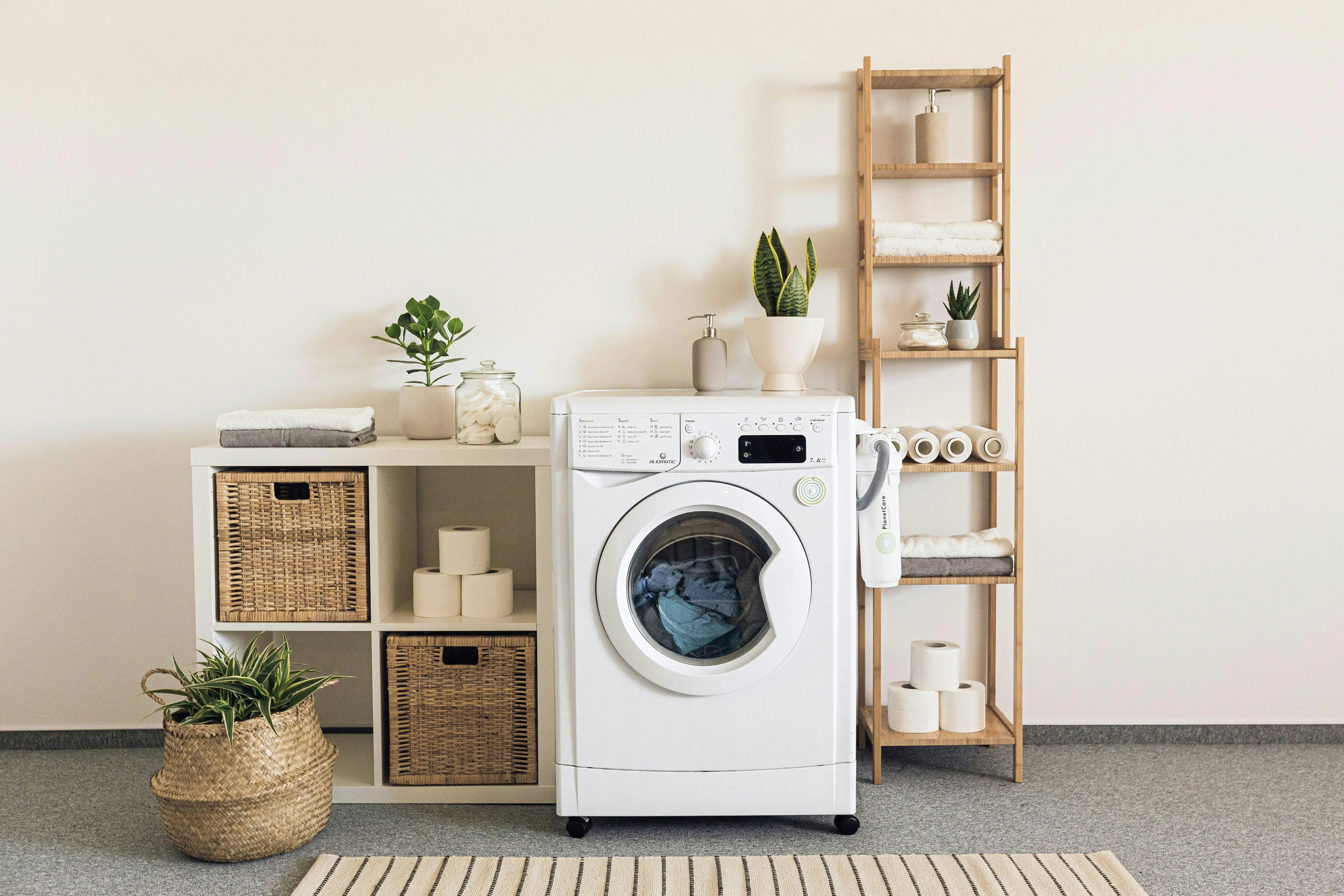
Laundry: Facilities and Instructions
The ability to do your own laundry is a perk for many short-term rentals.
- Give Clear Instructions: Provide clear, step-by-step instructions for using the washer and dryer. Consider creating a laminated guide or a small booklet that includes troubleshooting tips for common issues.
- Stock Supplies: Provide laundry detergent, fabric softener, and dryer sheets. Include a stain remover and a guide for treating common stains, which can be particularly helpful for families with children.
- Ensure Accessibility: Make sure the path to the laundry area is well-lit and free of obstacles. The laundry room or area should be clean, well-organized, and free from personal items.
Outdoor Areas: Safety and Aesthetics
Outdoor spaces are an opportunity for you to really wow your guests. Outdoor spaces can be a major factor in a guest’s decision to choose your Airbnb.
- Think about Safety: Regularly inspect and maintain all outdoor spaces to prevent accidents. Check for any potential hazards like loose paving stones, unstable furniture, or overgrown paths.
- If you have a pool or hot tub, ensure it's securely gated and has clear safety instructions posted nearby. Providing accessible safety equipment such as life jackets for water features and a first-aid kit is also vital.
- Decorate Wisely: Invest in weather-resistant furniture that’s both durable and comfortable. Adding cushions and throws can make the space more inviting.
Incorporate outdoor decor that complements the environment and reflects the local style, such as garden sculptures, hammocks, or a gazebo. Thoughtful touches like a small herb garden or potted plants can also enrich the outdoor experience.
- Provide Adequate Lighting: Install sufficient lighting to ensure safety along walkways, near entrances, and in communal areas like patios or decks. Consider ambient lighting options like string lights, solar-powered lanterns, or LED candles that create a cozy and welcoming atmosphere. Sensor lights can also be useful for illuminating areas as guests move around after dark.
- Add in Recreational Amenities: Options like a grill or barbecue area allow guests to enjoy outdoor dining. A fire pit can serve as a focal point for socializing and relaxing. For family-friendly properties, consider adding outdoor games such as a cornhole set, bocce ball, or a ping pong table.

Enhancing the Guest Experience
As an Airbnb host, the key to outstanding guest satisfaction lies in the details. From the furnishings and amenities you provide to the safety measures you implement, each aspect plays a crucial role in enhancing the overall guest experience.
Furnishings, Amenities, and Supplies
Equip your Airbnb with both essential and luxury amenities to cater to the diverse needs and expectations of your guests. Essentials like reliable Wi-Fi, fresh bedding, and basic toiletries are non-negotiable.
Consider adding luxury amenities such as a high-quality coffee machine, smart home devices, or premium bath products to elevate the guest experience further. These thoughtful additions can turn a good stay into an exceptional one.
The Importance of a Well-Equipped Space
A well-equipped space is more than just furnishing it properly; it’s about creating an environment where guests feel at home. Stock your Airbnb with all the necessities — from kitchen utensils and cookware to extra blankets and pillows. Remember, the more conveniences you provide, the more comfortable and appealing your space becomes to potential guests.
Customize Your Experience
Your pricing strategy should be as unique as your rental property.
Keeping Your Airbnb Guests Safe and Secure
Safety Features and Monitors
Safety is a top priority for guests. Equip your property with essential safety features like smoke detectors, carbon monoxide detectors, and fire extinguishers. Consider adding security monitors in common areas (while adhering to privacy laws) to make guests feel safe. Always be up front with guests about any surveillance devices on the property.
Alarms and Emergency Procedures
Ensure your property has functioning alarms, and make emergency procedures easily accessible to guests. This includes clear instructions in case of fire, weather-related incidents and natural disasters, or other emergencies. Provide contact information for local emergency services.
Access and Locks: Digital Solutions
Implementing digital locks or seamless key exchanges boosts security and adds convenience for both you and your guests. Keyless systems make check-in and check-out processes easy and eliminate the hassle of physical key exchanges.

Insurance and Protection
Proper insurance is important in protecting both your property and your guests. Standard home insurance policies may not cover short-term rental activities, so it’s important to obtain coverage that specifically addresses the needs of an Airbnb host.
Types of Insurance for Airbnb Hosts
Look into insurance options that cover property damage, liability, and potential loss of income. Airbnb provides Host Liability Insurance and Host Damage Protection, but it's smart to explore additional insurance products to guarantee complete coverage for all scenarios.
Final Thoughts
Success in the short-term rental industry depends on a combination of strategy, attention to detail, and a guest-centric approach. Preparation plays a pivotal role in preparing you and your guests for a great experience, whether you're offering a shared room, a private space, or your entire home.
Don’t forget to equip yourself with the right tools and insights as well. AirDNA's comprehensive suite of analytics and market data helps you stay ahead in the competitive short-term rental landscape. You can make informed decisions that maximize your occupancy and revenue by leveraging our dynamic pricing tool and in-depth market reports
Discover Data-Driven Insights for Your Rental
ARTICLE SUMMARY
New Airbnb hosts can stand out in a competitive market by customizing their space to suit different types of listings, such as shared rooms, private rooms, or entire houses. Equip the space with both essential and luxury amenities and safety features to create an exceptional guest experience. Utilizing tools like AirDNA's data and analytics helps optimize listings and navigate the short-term rental market effectively.
Bram Gallagher
AirDNA Director of Economics and Forecasting
Bram Gallagher is an Economist at AirDNA, specializing in uncovering insights that drive smarter short-term rental decisions. He put his Ph.D. in Economics from the University of Georgia to work researching and forecasting hotel data with CBRE prior to joining AirDNA, as well as teaching economics at a number of universities. In his spare time, Bram enjoys making wooden furniture with hand tools.
