

 Calculate Revenue
 Research Markets
 Find For Sale Properties
 Compare My Listing
 STR Revenue Calculator
 Custom Comp Sets
 Submarket Insights
 Custom Search Filters
 Rate Recommendations
 Performance Benchmarking
 Competitor Comparison
 Owner Contact Details
 Property-level performance data
 Tourism Insights
 Real Estate Investment Analytics
 About Us
 Sales
Sales Support
 Press
PressHow to Perfect Your Airbnb Pricing Strategy
Published: August 10, 2026

Meagan Faryna
Key Takeaways
- An effective Airbnb pricing strategy should move with the market. Your overall goals may stay the same, but your rates, minimum stays, and discounts should adjust as demand, booking pace, competition, and guest behavior change.
- Airbnb dynamic pricing helps put that strategy into practice. Instead of reacting to one empty night or managing a long list of rules, it looks at several market signals together and adjusts rates day by day.
- AirDNA Adapt brings strategy and market data together. It’s an Airbnb dynamic pricing tool that uses relevant comps, demand, seasonality, and nearby availability to guide rates, while showing you what’s behind each recommendation so you know when to trust the system and when to step in.
Pricing an Airbnb would be easy if every night were worth the same. They're not (and by a long shot).
Demand swings with the season, the day of the week, the booking window, whatever event is in town, and how many comparable properties are still up for grabs. That's the core challenge of any Airbnb pricing strategy: the rate that looks perfect today might be too high in three weeks, or embarrassingly low the weekend a festival rolls into town.
That's why a better Airbnb pricing strategy isn't built around one perfect number (there's no such thing). It starts with knowing what you want the property to achieve, then letting your rates and booking rules move as the market does. In this guide, we'll break down how to build that kind of responsive strategy, put dynamic pricing to work, and make smarter calls without living inside your calendar.
Stop Guessing Your Nightly Rate
Most hosts price on gut feel. Adapt prices every night on real demand, real competition, and what drives bookings.
What Is an Airbnb Pricing Strategy?
An Airbnb pricing strategy is the plan behind your rates: what you want your property to achieve, and how your prices and booking rules will get you there. It's not necessarily about landing the highest nightly rate or the fullest calendar. It's about consistently finding the right balance for your property, your market, and your business goals.
You need to genuinely think through what you want your Airbnb to do for you before you can settle on pricing. Is this a side income where steady, low-effort bookings matter most? A growing business where Revenue Per Available Rental (RevPAR) is the number that counts? Are you more bothered by empty dates or by the feeling you undersold a big weekend? Your honest answers shape every pricing decision that follows.
With your goals in place, pricing decisions like that become much easier to make (notice how few of them are just about the nightly rate). Your Airbnb pricing strategy covers things like:
- Your competition — the listings guests actually weigh against yours, not just the closest ones.
- Booking pace — whether dates are filling faster or slower than expected for your market.
- Booking window — how far in advance guests typically book in your market; distinct from pace, and the thing that tells you whether an open date is normal or a warning sign.
- Seasonality and events — how demand rises and falls across the year, and which dates deserve treatment of their own.
- Rate protection — which dates are worth holding firm on, and which are becoming a risk.
- Minimum stays — whether your rules are guarding high-value dates or just blocking bookings.
- Discounts and premiums — weekly and monthly discounts, last-minute pricing, orphan-gap pricing, and weekend markups, applied deliberately rather than across the board.
- Fees — cleaning and other fees change your effective price and where you land in guest searches; nothing says "more than your rate" quite like the fee line.
- Rate flexibility — how far prices can move above or below your base before it stops making sense.
Those answers can change as your market does, which is why the best approach relies on current data rather than one fixed rate or an ever-growing collection of calendar rules.
What is the Best Airbnb Pricing Strategy?

The best Airbnb pricing strategy is one that can respond to change, because the short-term rental market never sits still. Demand rises and falls with the seasons, new listings enter your market, competitors adjust their rates, and events appear on the calendar with little warning.
Airbnb dynamic pricing is the best way to implement that kind of strategy. You decide what success looks like — high occupancy, stronger peak season rates, or a balance of both — and a dynamic pricing tool keeps your rates moving with the market so you don't have to track every shift yourself.
What is Airbnb Dynamic Pricing?
Airbnb dynamic pricing is the process of adjusting rates as the value of each night changes. A dynamic pricing tool watches a specific set of signals to work out that value:
- Market demand — how much guest interest exists for a given date
- Seasonality — how demand typically rises and falls across the year in your market
- Booking pace — how quickly dates are converting into reservations, for you and for your comp set
- Nearby availability — how many competing properties are still open, and at what rates
- Local events — festivals, conferences, holidays, and anything else that concentrates demand on specific dates
The tool weighs those signals against your listing's position in the market, then recommends or applies rates across your calendar.
The important part is that a useful system doesn't respond to any one signal in isolation. A date being unbooked, for example, doesn't automatically mean the price should fall. Guests may normally book that period later. Comparable properties may also still be open. Or demand may be starting to build, suggesting that holding the rate is the better decision.
Dynamic pricing becomes valuable when it reads those signals together: the way an experienced host would, but across every date at once.
Most Airbnb dynamic pricing tools use one of two models.
Rules-based dynamic pricing
Rules-based dynamic pricing tools follow instructions set by the host. You might add a weekend premium, lower open dates close to check-in, or apply a seasonal increase.
This gives experienced hosts granular control, but the rules can become difficult to manage as they accumulate. Weekend settings, event adjustments, minimum stays, discounts, and manual overrides may all affect the same date. At that point, it becomes harder to understand whether the final rate still reflects the original strategy.
Algorithmic dynamic pricing
Algorithmic Airbnb dynamic pricing tools evaluate several property and market signals together, then update recommendations as those conditions change. This can reduce the need to predict every scenario and build a separate rule for it.
AirDNA Adapt uses an algorithmic, strategy-led approach. You choose how you want the property to perform based on your Airbnb pricing strategy, and Adapt uses market demand, seasonality, booking patterns, and relevant comps to carry out that strategy day by day. Every rate comes with an explanation, so you can see what changed and why.
We’ve found experienced hosts don’t want to totally give up control. They want the confidence to know when automation is making the right call and when their local knowledge should take the lead. Adapt keeps the reasoning visible while leaving you in control of key dates, pricing limits, and overrides.
Get Your Adapt Rate
See the rate we'd recommend for your property tonight, based on real demand and your true comp set.
Why Using Static Rates Is Not an Effective Airbnb Pricing Strategy
A static Airbnb pricing strategy keeps most of your rates and booking rules fixed for long periods. You might choose a base rate, add a weekend premium, set a minimum stay, and leave those settings in place for months. It feels efficient, but the market keeps moving even when your calendar doesn’t.
Static pricing isn’t only about charging the same nightly rate all year. It can also mean leaving the same discounts, minimum stays, weekday adjustments, and last-minute rules in place while demand changes around them.
Consider a Saturday priced at $200. That rate might be competitive during an average month. It could be too high when demand slows and similar listings still have plenty of availability. During a festival, conference, or holiday weekend, the same $200 rate could be far too low. Booking the night quickly may feel like a win, but it can also mean guests would have paid more.
Events are only one part of the picture. Seasonal demand rises and falls. New listings enter the market. Nearby properties fill up. Guests start booking earlier or later than usual. Even the kinds of trips people take can change throughout the year. Your Airbnb pricing strategy needs to respond to those shifts or you’ll end up leaving money on the table.
That may sound obvious, but many hosts still use settings that rarely change. AirDNA analysis found that 60% of hosts keep the same minimum-stay requirements every year, rising to 64% in urban markets. Minimum stays are only one part of Airbnb price optimization, but the numbers show how easily fixed settings can fall out of step with real booking behavior.
A static Airbnb pricing strategy can create several problems:
- You react too late. When demand slows, fixed rates can lose bookings to competitors and force deeper discounts closer to check-in.
- Bookings give you misleading signals. Fast reservations may point to underpricing, while empty dates may reflect rigid stay rules rather than weak demand.
- You lose out on potentially high-value dates. Broad discounts and fixed rates can reduce prices even as nearby availability shrinks and demand builds.
- You spend more time fixing the calendar. Static settings often lead to more overrides, last-minute changes, and uncertainty about what’s actually working.
Keeping pricing simple is worthwhile, but simple shouldn’t mean static. A better Airbnb pricing strategy keeps your goals steady while allowing rates, minimum stays, and discounts to respond as the market changes.
A Five-Part Framework for Building an Airbnb Pricing Strategy
A good pricing strategy is something you refine, not something you set and forget. It develops as you learn your market, refine your limits, and get clearer on your goals. Some hosts manage all of that themselves while others hand the daily work to a dynamic pricing tool. Either way, the approach is the same.
1. Build your base rate from relevant comps
Your base rate should reflect what guests are paying for properties that genuinely compete with yours, not simply the closest listings on the map.
Look for comps with similar locations, property types, bedroom counts, guest capacities, amenities, and overall quality. Then use the middle of that group’s rate range as a starting point. This prevents one unusually cheap or expensive listing from pulling your price in the wrong direction.
AirDNA tracks more than 15 million active short-term rental listings across over 120,000 markets, with data going back to 2014. AirDNA Adapt uses that broader market view to automatically identify relevant comps, rather than asking you to build and maintain the set manually.
2. Set a minimum and maximum around your base rate
Once you have a realistic starting point, decide how far prices can move above or below it.
Your minimum stay policy protects you from bookings that don’t make sense after cleaning, turnover, and operating costs. Your maximum gives prices room to respond to exceptional demand without moving beyond a level you’re comfortable charging.
Treat these as guardrails rather than fixed prices. A slow weekday might fall below your base rate, while a holiday weekend could rise well above it.
3. Follow demand and booking pace

Market demand shows how much interest there is in a date. Booking pace shows how quickly that interest is turning into reservations.
If similar listings are filling three months before a weekend, that may support holding or raising your rate. If plenty remain available two weeks before arrival, you may need to review your price or minimum stay.
Adapt monitors these wider market signals alongside your listing’s performance. It can then adjust its recommendations as booking conditions change, while showing you what’s influencing each rate.
4. Price weekdays, seasons, and events separately
Don’t rely on one standard weekend markup throughout the year. Guest behavior changes by market, season, and trip type.
Leisure destinations may see stronger Friday and Saturday demand. Business markets can perform better during the week. Seasonal markets may shift dramatically from one month to another.
Airbnb event pricing also requires its own approach. Track festivals, conferences, graduations, sports tournaments, holidays, and school breaks. Then watch how quickly comparable listings are filling rather than applying the same increase to every event.
Sometimes demand rises without one obvious cause. As nearby availability shrinks, guests have fewer choices, which can make your remaining nights more valuable.
5. Match the strategy to your goals, then test it
The highest nightly rate isn’t always the goal. Some hosts prefer to secure more bookings earlier. Others are comfortable waiting for higher-value reservations. Many want a balance between occupancy rate and nightly rate.
Adapt lets you choose a broader pricing strategy based on how you want the property to perform. It then handles the daily adjustments while still allowing you to override prices, minimum stays, and important dates.
Once your strategy is in place, give it about 60 days before making major changes. During that time, review:
- How quickly future dates are booking
- Which dates remain open
- How often you override recommendations
- Your average nightly rate
- Your occupancy rate
- Your revenue across available nights
You should still fix obvious issues, but avoid rebuilding the strategy after one quiet week. Airbnb price optimization works best as an ongoing system: start with relevant comps, follow the market, and let your broader goals guide each adjustment.
Common Airbnb Pricing Strategy Mistakes
Even experienced hosts can lose revenue when their Airbnb pricing strategy becomes too reactive or too complicated. These issues often appear as portfolios grow and more rules, exceptions, and overrides get added.
Choosing comps based on proximity alone
The closest listing isn’t always your real competition. Guests may compare your property with listings farther away that offer a similar size, quality, location benefit, or mix of amenities. That's why you, too, will need to compare apples to apples when building your pricing strategy.
AirDNA Adapt helps by automatically identifying relevant comps from the wider market and refreshing them as conditions change.
Adding too many overlapping rules
Weekend premiums, seasonal adjustments, event pricing, minimum stays, and last-minute discounts can all be useful. But when several rules affect the same date, it becomes harder to understand the final rate.
More rules often lead to more overrides. Adapt takes a strategy-led approach instead: you choose how you want the property to perform, and the platform manages daily adjustments while keeping key dates under your control.
Reacting without checking the market
An empty date doesn’t automatically mean your price is too high, and a fast booking doesn’t always mean the price was right. Guests may be booking later across the market, or strong dates may be selling before your rates capture their full value.
Compare your booking pace with relevant comps before changing prices. Adapt considers your listing alongside market demand and comp performance, helping you separate a property-level issue from a wider trend.
Using one approach across the whole calendar
A weekday business stay, a summer family trip, and a festival weekend won’t follow the same booking pattern. Blanket markups, discounts, and minimum stays rarely reflect the value of every date.
Adjust your approach by season, day of week, event, and booking window. Flexible minimum stays can also help fill short gaps without weakening high-demand periods.
Measuring only occupancy or nightly rate
High occupancy can come from pricing too low. A strong average nightly rate can look impressive while too many dates remain empty.
Look at how the two work together. The better measure is how much revenue the property earns across all available nights.
Overriding rates without understanding why
Frequent overrides can signal a problem with the strategy, comp set, or pricing limits. Before changing a recommendation, check what influenced it.
Adapt explains whether demand, seasonality, listing performance, or nearby competition is shaping the rate. That context helps you decide when to trust the automation and when your local knowledge should take the lead.
The best Airbnb pricing strategies aren’t the ones with the most settings. They’re the ones where each adjustment supports a clear goal and reflects current market conditions.
How to Get Started With a Better Airbnb Pricing Strategy
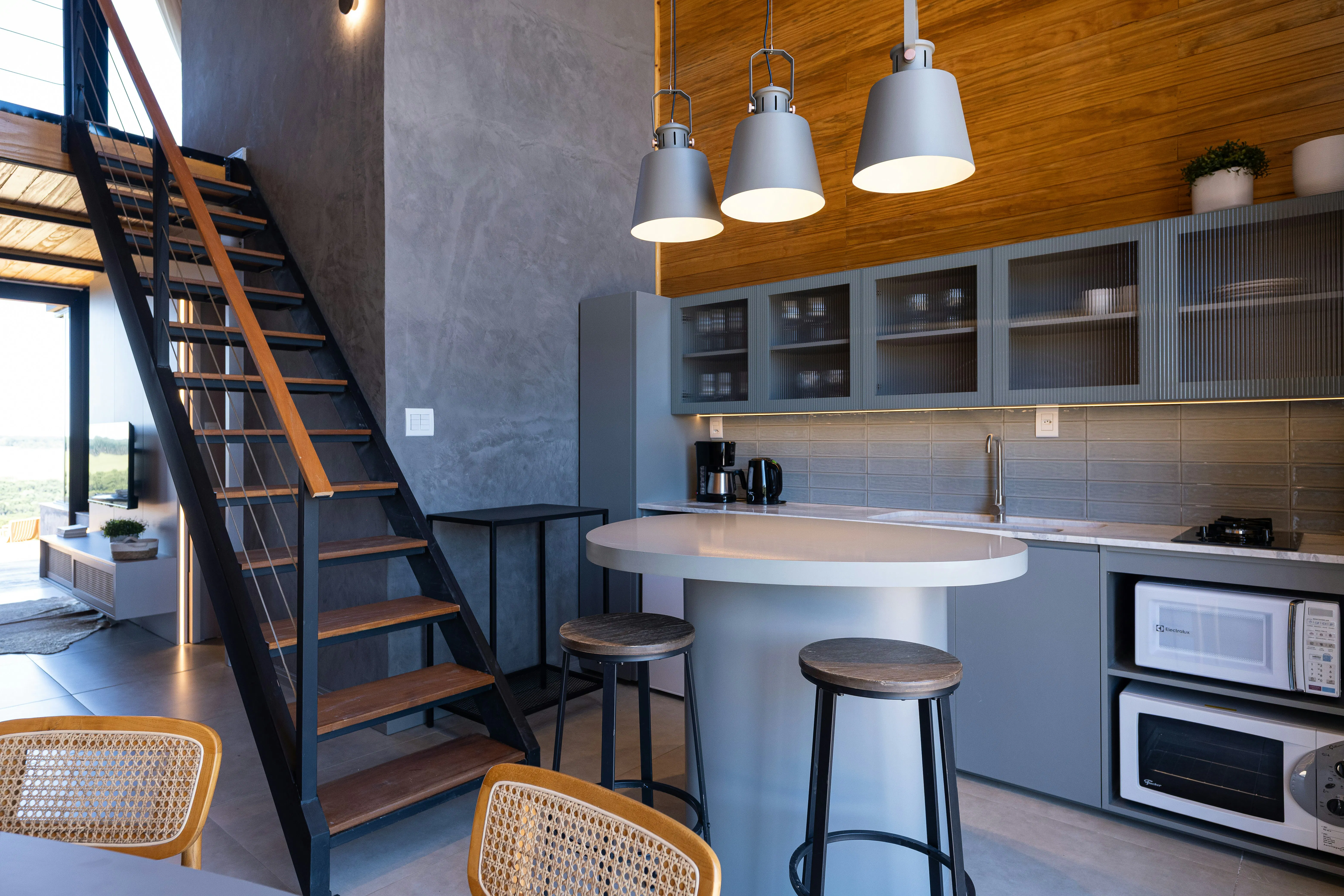
Looking at an entire year of rates, minimum stays, discounts, and event dates can make pricing optimization feel like an all-or-nothing project. It isn’t.
Start with the decisions that affect the most dates or create the most uncertainty. A few focused changes can show you where your current strategy is working, where it’s falling behind the market, and what deserves closer attention.
- Review the settings you rarely change. Check your base rate, minimum stays, weekday pricing, discounts, and event dates. A setting that worked last season may no longer reflect current demand.
- Look at your real competition. Compare your listing with properties guests would realistically choose instead of yours. Focus on similar size, quality, amenities, location, and guest capacity, not just the closest listings.
- Decide what success looks like. Your approach will differ depending on whether you want to fill more nights, protect high-demand dates, reduce calendar gaps, or balance occupancy with stronger rates.
- Set limits without locking the calendar. Choose minimum and maximum rates that protect your business, then give prices enough room to move as demand changes.
- Watch booking pace, not just occupancy. A future date may look empty because guests usually book it later. Compare how quickly your listing and relevant comps are filling before lowering the price.
- Look for patterns before changing course. Track open dates, unusually fast bookings, average nightly rates, and frequent overrides. One slow week shouldn’t cause you to rebuild the entire strategy.
Once you’ve set your pricing strategy, AirDNA Adapt can help carry it out. Its AI-native system monitors demand, booking patterns, and relevant comps in the background, then adjusts rates as the market changes. It also explains what’s influencing each recommendation, so you can spot important shifts without digging through the data yourself. You stay in control of the strategy while Adapt handles the day-to-day execution.
Sync Rates to Your Booking Sites
Set your strategy once, and Adapt pushes updated prices to your listings automatically.
Frequently Asked Questions
What is the best Airbnb pricing strategy for beginners?
The best Airbnb pricing strategy for beginner STR hosts is a simple dynamic approach. Start with a realistic base rate, set minimum and maximum prices, adjust for weekdays and seasonal demand, and compare your listing with genuinely similar properties.
Airbnb Smart Pricing can be a useful starting point for hosts who want basic automation inside Airbnb. Hosts who want broader market data, more control over comp sets, and clearer explanations behind rate changes may prefer a dedicated dynamic pricing tool.
Does Airbnb use dynamic pricing?
Yes. Airbnb offers Smart Pricing, a built-in tool that automatically raises or lowers nightly prices based on demand for listings like yours. Hosts choose a minimum and maximum price, and Smart Pricing adjusts rates within that range.
Airbnb also provides price tips, similar-listing comparisons, custom prices, promotions, discounts, and professional hosting rule-sets.
Is Airbnb Smart Pricing the same as dynamic pricing?
Yes. Airbnb Smart Pricing is a built-in dynamic pricing strategy that adjusts nightly rates within the minimum and maximum prices you set. It uses Airbnb demand, search activity, listing details, and bookings for similar properties to update prices automatically.
For Airbnb-only hosts, Airbnb Smart Pricing is a simple, free place to start. Those who want more control and market context may prefer a dedicated tool like AirDNA Adapt, which automatically selects relevant comps, uses broader market data, and explains what’s shaping each rate.
How do I set seasonal pricing on Airbnb?
You can set seasonal pricing by selecting a date range in your Airbnb calendar and entering a custom nightly price. That custom rate overrides your default price and any Smart Pricing, weekend pricing, or long-term pricing applied to those dates.
Hosts using Airbnb’s professional hosting tools can also create reusable rule-sets. For example, you could raise prices by a set percentage during the holiday season or apply a discount during quieter months.
Before applying one increase across an entire season, review how demand changes by month, weekday, and event date. Seasonal pricing works best when it follows actual booking patterns rather than a blanket summer or winter markup.
How much should I charge for my Airbnb?
Start with the typical rate for listings guests would realistically compare with yours. Look for properties with a similar location, property type, bedroom count, capacity, amenities, quality, and review profile.
Then adjust for:
- Seasonal and day-of-week demand
- Local events
- How far ahead guests are booking
- Nearby availability
- Your operating costs
- Your occupancy and revenue goals
Airbnb lets hosts review similar booked and unbooked listings for selected dates, although that comparison isn’t displayed while Smart Pricing is turned on. You can also use the AirDNA Revenue Calculator to estimate rate and revenue potential using wider market data.
How often should I change my Airbnb prices?
Your nightly prices may need to change daily, but your overall pricing strategy shouldn’t.
A dynamic pricing tool like AirDNA Adapt can handle regular rate changes as demand, availability, and booking pace move. You should review the broader strategy periodically and after meaningful changes, such as:
- A new season approaching
- A major event being announced
- Booking pace slowing or accelerating
- New competitors entering the market
- Frequent manual overrides
- A change in your occupancy or revenue goals
After making a major strategy change, give it enough time to produce a useful pattern. Around 60 days is often more informative than reacting to one quiet week or one fast booking. The goal is to respond to repeated market signals without rebuilding your pricing approach every few days.
Track Your Performance Free
Connect your listing and see how it performs against its comp set. Free, no rate syncing required.
ARTICLE SUMMARY
The best Airbnb pricing strategy isn’t a fixed rate or an endless stack of calendar rules. Learn how to set clear goals, choose the right comps, and use dynamic pricing to keep up with the market.
