Why Is It Called Airbnb? The Surprising Origin Story
Published: June 19, 2024
Last updated: September 25, 2026

Bram Gallagher
Key Takeaways
- It’s called Airbnb because the company’s founders started renting out air mattresses in their living room in San Francisco, creating an “Airbedandbreakfast.”
- Airbnb has significantly disrupted the hotel, real estate, and tourism industries by offering more affordable and diverse lodging options.
- The platform played a crucial role in the rise of the sharing economy, enabling homeowners to monetize their properties and travelers to access unique accommodations.
Whether you’re a short-term rental host or a frequent Airbnb guest, there’s a good chance you’ve asked yourself “Why is it called Airbnb?” Airbnb has quietly become part of our everyday jargon, much like other trailblazing products that have become ubiquitous in our life (think Google and Kleenex!) Airbnb has its own etymology—or origins—that can be traced back to a San Francisco apartment in 2007.
Keep reading for an overview of Airbnb’s humble beginnings as well as insight into Airbnb’s impact on other industries and how it weathered the COVID-19 pandemic.
What Does Airbnb Stand For?
Airbnb stands for “Air Bed and Breakfast.”
So why is it called Airbnb?
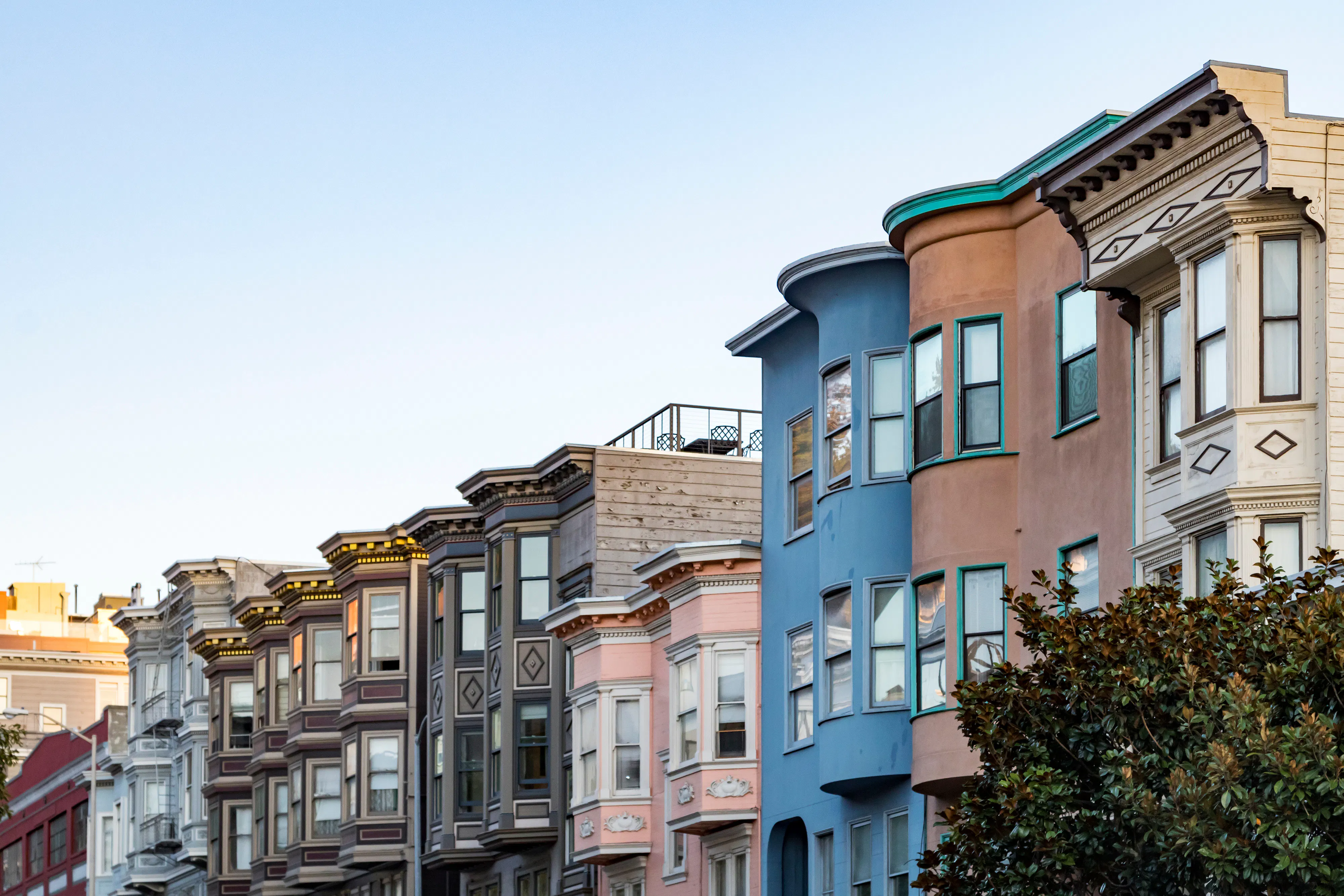
The story goes that Airbnb co-founders Brian Chesky, Joe Gebbia, and Nathan Blecharczyk had the idea to rent out their living room in San Francisco to conference goers who couldn’t find a hotel room—and put them on an air mattress.
Today, Airbnb is often used as a generic term (like how the Kleenex brand has become synonymous with tissues) for short-term rentals hosted by individuals rather than rental corporations. Far beyond the air mattresses of the early days, many Airbnbs are lavishly furnished and offer amenities that hotel rooms just can’t compete with.
Airbnb works by empowering anyone (well, so long as they adhere to local regulations) to rent out a room or an entire property. In the platform’s early days, Airbnb hosts tended to be locals with spare rooms who wanted to make extra money on the side. Today, while many hosts are still folks with a spare room, the platform has captured the attention of real estate investors who have made Airbnb-ing their full-time job.
The History of Airbnb
Airbnb co-founders Brian Chesky and Joe Gebbia had their bright idea back in October 2007. After co-founder Nathan Blecharczyk was brought on as a technical architect, the first official version of Airbnb launched in August 2008. From there, things began to move quickly.
- 2009: An invitation to startup accelerator Y Combinator helps Airbnb gain traction, drawing in users to its unique lodging options and more personal travel experiences.
- 2011: Airbnb reaches 1 million nights booked on the platform and expands by setting up offices in Europe.
- 2012: Airbnb broadens its range of listings, letting hosts offer private individual rooms and entire houses.
- 2014: Airbnb rebrands with a new logo. They launch a mobile app to make it easier for guests to request a stay and for hosts to manage bookings. They also launch the Superhost program to celebrate and reward top-rated hosts.
- 2015: Airbnb introduces the Experiences feature where hosts offer guided activities and tours, the first move toward providing more than just accommodations.
- 2017: Airbnb acquires Luxury Retreats, a high-end vacation rental company, and expands its offerings to include luxury home spaces. The platform now has listings in more than 191 countries and a strong presence in popular tourist destinations.
- 2019: In response to growing concerns about safety and quality, Airbnb launches a 24/7 support hotline.
- 2020: Airbnb adapts to COVID-19 travel restrictions by promoting local stays and long-term rentals, catering to travelers seeking safe and flexible accommodations.
- 2021: Airbnb goes public with one of the year’s largest IPOs, marking a significant milestone in the company’s history.
- 2023: The introduction of AI-driven tools, enhanced amenities, guest favorites, and community-focused initiatives reflects Airbnb’s commitment to improving the user experience and expanding its offerings.
- 2024: Airbnb announces “Icons,” which offer unique experiences with celebrities and iconic venues, during their summer 2024 release.
The Impact of the Pandemic on Airbnbs
Travel as we know it changed dramatically at the onset of the COVID-19 pandemic. As borders closed and travel was restricted, bookings dropped and last-minute cancellations skyrocketed. Many countries reported revenue declines of more than 50% between January and March 2020.
For Airbnb hosts who relied on Airbnb for income, this sharp decline in revenue forced them to reconsider their strategies and get creative. Some started offering long-term stays to locals in need of temporary housing. These guests included remote workers and people in quarantine. Others doubled down on their cleaning protocols to give potential guests peace of mind.
However, not all hosts felt the pressure. Interestingly, cooped-up travelers began flocking to rural destinations, generating demand for non-urban short-term rentals. The average length of stay at STRs during COVID increased by 58% while booking lead times declined.
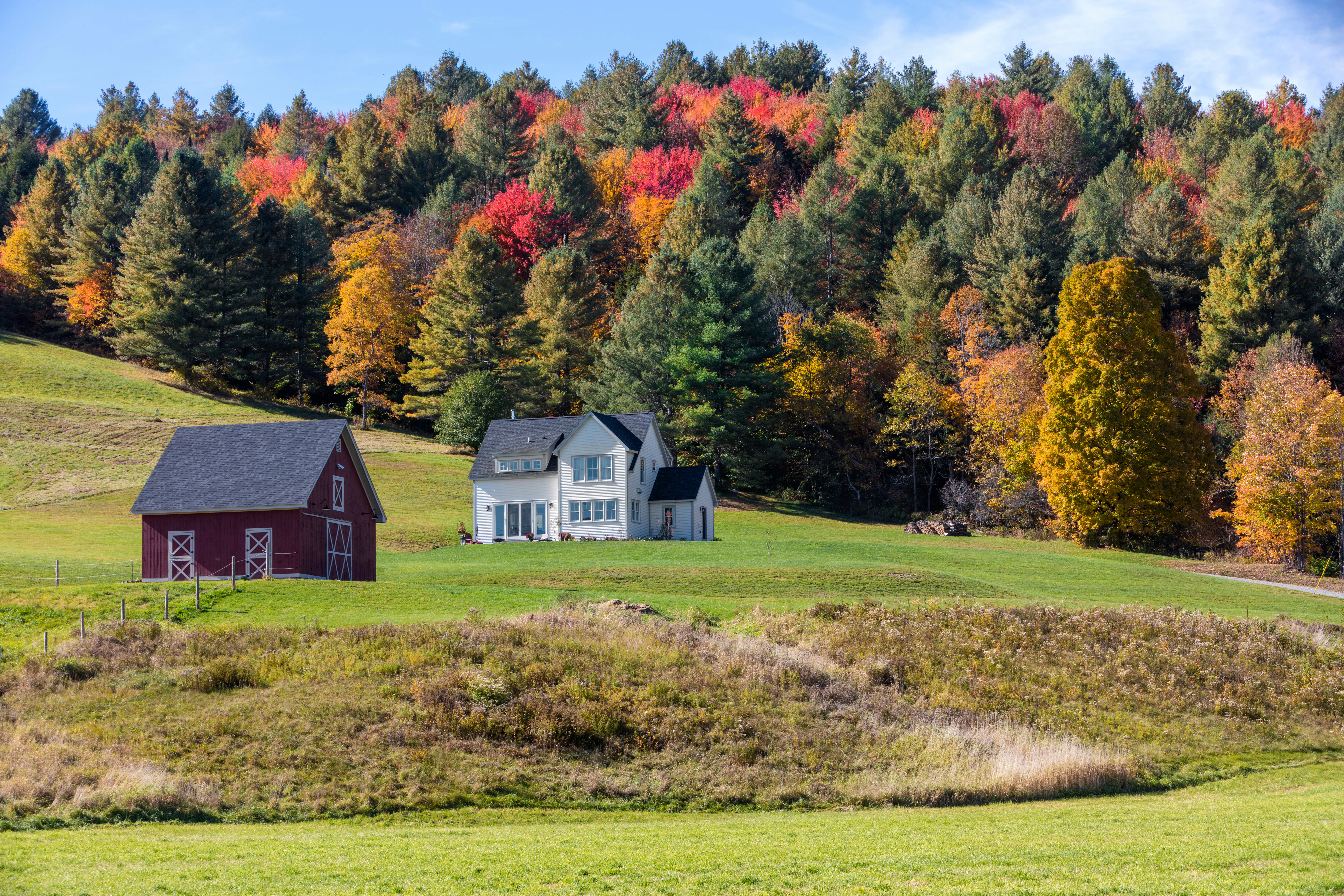
Airbnbs seemed to fare better than hotels during the pandemic. Perhaps unsurprisingly, travelers preferred renting private homes without other people around. Short-term vacation rentals saw higher average daily rates (ADR) than hotels in July 2020.
Airbnb supported hosts during the pandemic by implementing flexible cancellation policies that allowed guests to cancel without penalties while providing partial refunds to hosts. The company also established a $250 million fund to compensate hosts for a portion of their losses due to COVID-19 related cancellations.
The Impact of Airbnb on Existing Industries
Airbnb has significantly disrupted the landscape of several industries, from hospitality to real estate to tourism. Airbnb has challenged traditional business models and prompted industry-wide adaptations by offering a unique blend of affordability, convenience, and local flavor. This transformation has sparked opportunities and challenges for various sectors, reshaping the way they operate and interact with customers.
Let’s dive into how Airbnb has impacted hotels, local tourism, and local real estate.
The Hotel Industry
The hotel industry has arguably felt the most direct impact of Airbnb's rise. Airbnb has siphoned off a significant share of the market by providing a wider variety of lodging options, often at lower prices than traditional hotels.
This competition has forced hotels to rethink their strategies, leading to:
- Price Adjustments: Hotels have had to become more competitive with their pricing, often offering discounts, promotions, and more flexible booking options to attract guests.
- Better Amenities and Services: In an effort to differentiate themselves, hotels have upped their game by offering unique amenities and personalized services like 24/7 concierge and custom-curated itineraries. Some hotel brands have even explored offering unique experiences like cooking classes and cultural tours that go beyond just providing a place to stay.
- Innovative Business Models: Some hotels have started to adopt features similar to those of Airbnb, such as offering apartment-style accommodations or more localized, authentic experiences.
- Rewards Programs: Hotels have been using loyalty programs to reward repeat customers for a long time, but they’ve especially leaned into this perk considering it’s something Airbnb doesn’t plan to offer any time soon.

Local Tourism
Airbnb has also reshaped local tourism by decentralizing accommodation options and encouraging tourists to explore areas beyond traditional hotel zones. This shift has brought about several notable impacts:
- Economic Diversification: Airbnb supports small businesses, restaurants, and attractions in less tourist-heavy neighborhoods by distributing tourist spending across wider areas. This can help stimulate local economies and spread the benefits of tourism more evenly.
- Cultural Exchange: Staying in residential neighborhoods allows tourists to experience destinations like a local, fostering greater cultural exchange and understanding.
- Tourism Overload: On the flip side, popular Airbnb destinations can experience tourism overload, straining local infrastructure and resources. This can lead to issues like increased traffic, noise, and environmental degradation.
Local Real Estate Markets
Airbnb's influence extends beyond the hospitality industry and tourism and into local real estate markets. The platform's ability to turn residential properties into lucrative short-term rentals has led to noticeable shifts in housing dynamics:
- Increased Property Values: In popular tourist destinations, properties that are suitable for Airbnb rentals often increase in value. Investors purchase these properties with the intent of listing them on Airbnb, driving up market prices.
- Rental Market Strain: Converting long-term rental units into short-term accommodations can reduce the availability of rental housing for local residents. This scarcity can lead to higher rental prices and housing affordability issues.
- Community Dynamics: The influx of short-term renters can alter the fabric of local communities, sometimes leading to tensions between permanent residents and transient visitors.
- New and Changing Regulations: The surge of short-term rental listings has prompted local authorities to manage Airbnb’s impact on housing markets and communities. Local regulations now include limits on how many days a property can be rented out, and sometimes even a ban on short-term rentals altogether.
Airbnb and the Rise of the Sharing Economy
As a home sharing platform, Airbnb has been a pivotal force in the growth of the sharing economy. Airbnb empowers homeowners to rent out their spare rooms or entire properties, which democratizes travel accommodation and makes it accessible and affordable for more people. This model, where assets and services are shared among private individuals, has disrupted traditional industries and introduced a new way of thinking about resource utilization.
The sharing economy is rooted in the idea of maximizing the value of underused assets—a concept that Airbnb exemplifies perfectly. Property owners can generate income from their unused space, while travelers benefit from unique, cost-effective lodging options. This shift has not only provided financial opportunities for millions of hosts but has also fostered a sense of community and trust among users.

Airbnb’s success has inspired numerous other sharing economy ventures, including:
- Ride-sharing services like Uber and Lyft that connect individual drivers and folks looking for on-demand transportation.
- Peer-to-peer lending platforms like LendingClub that allows people to lend or borrow money from each other without going through a bank.
- Peer-to-peer marketplaces like TaskRabbit where you can perform or request one-off, on-demand tasks like building furniture, performing home repairs, and completing yard work.
These businesses leverage technology to connect individuals, reduce costs, and increase access to services. The rise of Airbnb and similar platforms signals a broader movement towards collaborative consumption, where sharing resources becomes a mainstream practice.
Current Opportunities
Airbnb presents tremendous opportunities for investors and hosts to maximize their earnings. As demand for unique, flexible travel accommodations grows, Airbnb hosts who can leverage this trend are in a prime position to boost their income. Below are a few ways hosts can maximize their success on Airbnb:
Use strategic pricing: Hosts can use tools like AirDNA’s dynamic pricing tool to adjust their daily rates based on real-time market data, demand fluctuations, and competitor pricing. Strategic pricing helps maximize earnings during peak seasons while staying competitive during off-peak periods.
Assess the competition: Hosts who are aware of what their competitors are doing and how they’re performing can leverage that information to find opportunities for improvement. AirDNA’s custom comp sets provide intel on nearby competitors’ estimated revenue, occupancy rates, and ADR.
Improve property appeal: Along with thoughtful pricing strategies and competitor comparisons, hosts can invest in their property’s appeal to attract more bookings. This includes:
- Upgrading amenities: Things like high-speed internet, smart home devices, and premium bedding can all make a property more attractive to potential guests.
- Professional photography: High-quality photos of the property increase booking rates.
- Detailed and accurate listings: Comprehensive, accurate descriptions of the property and its surroundings, paired with catchy Airbnb titles, help set guest expectations and reduce the likelihood of negative reviews.
It may have started with an air mattress in a San Francisco apartment, but Airbnb’s impact on tourism and hospitality is far greater than most could have predicted. The platform’s role in the sharing economy has created unique, personalized experiences for travelers while empowering hosts to turn their properties into profitable ventures.
ARTICLE SUMMARY
Airbnb is to short-term rentals what Kleenex is to tissues—a ubiquitous term that communicates a concept, not just a brand. Explore the origins of Airbnb, its significant impact on industries like hospitality and real estate, and its influential role in the rise of the sharing economy.
Bram Gallagher
AirDNA Director of Economics and Forecasting
Bram Gallagher is an Economist at AirDNA, specializing in uncovering insights that drive smarter short-term rental decisions. He put his Ph.D. in Economics from the University of Georgia to work researching and forecasting hotel data with CBRE prior to joining AirDNA, as well as teaching economics at a number of universities. In his spare time, Bram enjoys making wooden furniture with hand tools.