Calculate Revenue
 Research Markets
 Find For Sale Properties
 Compare My Listing
 STR Revenue Calculator
 Custom Comp Sets
 Submarket Insights
 Custom Search Filters
 Rate Recommendations
 Performance Benchmarking
 Competitor Comparison
 Owner Contact Details
 Property-level performance data
 Tourism Insights
 Real Estate Investment Analytics
 About Us
 Sales
Sales Support
 Press
Press170 Properties, 2 People: The AI-Powered Property Manager
What if your next hire wasn’t a person—but an AI employee that never sleeps, never misses a task, and proactively manages your business? As labor costs rise and operational complexity grows, short-term rental operators are looking for new ways to scale without sacrificing guest experience. In this episode of The STR Data Lab, AirDNA Chief Economist Jamie Lane sits down with Bill Ulammandakh, former Airbnb data scientist and Co-Founder & CEO of ProHost AI, to explore how artificial intelligence is reshaping the way STR businesses operate.
Drawing on experience from both Airbnb and managing his own portfolio of short-term rentals, Bill shares why guest messaging is only the beginning. The conversation dives into the evolution of AI-powered operations—from automating maintenance coordination and cleaning workflows to the emergence of “AI employees” that proactively monitor your business, identify issues, and take action. Along the way, Bill offers an insider perspective on Airbnb’s ecosystem, the realities of scaling a portfolio, and the operational bottlenecks that hold many hosts back.
Whether you manage one property or hundreds, this episode offers a practical look at where AI is already delivering value today—and where the industry may be headed next.
You don’t want to miss this episode.
Key Takeaways
- Guest communication is one of the easiest AI wins. Faster response times, more consistent messaging, and improved guest satisfaction can all be achieved with minimal setup.
- Operational efficiency—not messaging—is the biggest long-term opportunity. AI is increasingly being used to automate maintenance workflows, cleaning coordination, task routing, and quality control.
- The future is moving beyond automation toward autonomy. New AI systems can proactively identify issues, recommend actions, and manage workflows without waiting for human prompts.
- Great operations drive better rankings. Consistent communication, strong reviews, and reliable property management remain critical factors in creating a better guest experience and stronger marketplace performance.
- Small teams can scale dramatically further with AI. Operators are already leveraging automation to manage significantly larger portfolios without proportionally increasing administrative headcount.
Sign up for AirDNA for FREE 👇
—————
Connect with Jamie on social media
LinkedIn: https://www.linkedin.com/in/jamiehlane/
Twitter: https://twitter.com/Jamie_Lane
—————
Connect with Bill on social media
LinkedIn: https://www.linkedin.com/in/bulam/
—————
Connect with AirDNA on social media:
Instagram: https://instagram.com/airdna.co
LinkedIn: https://www.linkedin.com/company/airdna/
Twitter: https://twitter.com/airdna
TikTok: https://www.tiktok.com/@airdna.co
—————
Episode 185
STR Demand Rebounds: World Cup Surge, Summer Travel Trends & What Hosts Need to Know
STR Outlook 2026: Why Travel Demand Is Strong Despite Economic Uncertainty

Airbnb’s 2026 Product Drop: AI, Hotels & the Future of STR Demand

STR Market Update: April Trends, Rising Rates & World Cup Demand Surge

AI Is Rewriting the STR Playbook: From Dashboards to Autonomous Revenue Management

AI Is Changing STRs Fast

How AI & No-Code Automation Are Redefining 5-Star Short-Term Rentals
March Market Review: Navigating Energy Shocks, Economic Ambiguity, and the World Cup Surge

AI Is Reshaping STR Operations: How One Host Automated 90% of Guest Messaging

The Future of STR Tech: AI, OTAs, and the Rise of the Operating System
The Next Housing Cycle Is Here
Is the STR Market Cooling? February Data and the 2026 Travel Outlook
STR Investor Sentiment Report 2026: Where Smart Money Is Buying Next

The 2026 Travel Outlook: AI, Affordability & What Today's Traveler Really Wants

January 2026 Market Review: Strong Bookings, Falling Occupancy

Who Owns the Guest? The Economics of Guest Data, Acquisition Costs, and Repeat Demand

The Future of STR Property Management
The Best Places to Invest in Short-Term Rentals in 2026
What 2025 Taught Us About Demand, Pricing, and Where Growth Is Headed

The Rise of Midterm Rentals: Why the “Missing Middle” is the Fastest-Growing Opportunity

The STR Industry Is Normalizing: What it Means for Growth, Profitability, and Tech in 2026
Holiday Bookings Rise as STR Demand Shifts Into 2026
2026 STR Outlook: Growth, Risks, and Opportunities
How to Price Your STR for the 2026 World Cup

What 2026 Will Look Like for STRs
Scaling Smart, Not Big: Inside Kylee & Steven's Approach to Boutique Management

Sonder’s Fall, Market Shifts, and What It Means for STR Operators
How to Win in STR Niches: Designing the Ultimate Bachelorette Stay

Data, AI, and the Future of STR Tech with AirDNA CEO Rohit Bezewada

Why AI and Local Hosts Are Redefining the STR Industry

Why Bigger Isn't Always Better in STRs
Inside Vrbo’s Strategy: Quality Over Quantity, AI Innovation, and the Future of Vacation Rentals
How Social Media Can Drive Direct Bookings for STR Hosts | Mountain Mama Cabins Story

The Future of STR Demand: Fall 2025 Outlook

From STRs to Boutique Hotels: How to Invest Smarter in Hospitality Real Estate

Why Reviews Are the New Revenue Engine for Short-Term Rentals
Exploring the French Short-Term Rental Market
STR Secrets From America's Cleanest Property Manager

The Economy, Housing Supply, and What It Means for STR Hosts

From TikTok to 58 Units: Hailie Anderson's Airbnb Takeoff
Inside the Minds of AirDNA's 2025 Top Property Managers
Midyear STR Outlook: Demand, Supply, & Economic Signals

The Metrics That Matter: Why Proactive Revenue Management Wins
Maximizing Tax Benefits from the Big Beautiful Bill
The Business Behind Hosting: Mergers, Markets, & Management
May STR Trends: ADR Climbs, Bookings Shrink, Reviews Climb

Enhancing Guest Experience and Revenue with Happy Guest

Maximizing Last-Minute Bookings in the Short-Term Rental Industry

The Power of Hospitality and Community in Short-Term Rentals
Memorial Day Weekend Travel Trends & Airbnb Summer Release Insights
Enhancing Safety in Short-Term Rentals: Insights from Breezeway's Justin Ford
The Importance of Short-Term Rental Advocacy with Julie Marks

Lessons from Scaling an STR Business with Kerri Gibson
Navigating Vacation Rental Marketing and Growth with Rebecca Lombardo
Trends, Tariffs, and Market Projections

Feeling the Market – Adaptive Revenue Management in Unpredictable Times
Finding and Creating Super Properties with Bill Faeth
Short-Term Rental Photography Secrets with Andrew Keller
Assessing Economic Uncertainty and Its Impact on the STR Industry
February STR Performance: Winners, Losers & What’s Next
The Power of Automation in STRs: Turno’s Impact on Hosts & Managers
The Power of Direct Bookings for Short-Term Rentals with Eric Goldreyer
January 2025 Recap and Predictions
Why Consistency is King in Luxury Travel with Jonah Hanig
The Impact of Tariffs & Regulations on Short-Term Rentals in Canada
Super Bowl, Mardi Gras & More: STR Strategies for High-Demand Events

Affordability, Mortgage Rates, and Housing Dynamics: What Investors Need to Know
The Best Places to Invest in Short-Term Rentals in 2025
Market Research Tips for Short-Term Rental Investors with Lydia Patel

How to Find the Right STR Real Estate Agent with Nikkei Rosenberg

Exploring Airbnb’s Future: Innovations and Expansion Plans
Exploring the Economic Trends and Innovation in the STR Market
November Market Recap and 2025 Forecast
Economic Outlook for Short-Term Rentals - A 2025 Forecast
From House-Hacking to High Returns with Matt Kruger, Co-Founder of DSM Stays

October STR Market Performance and Election Impact Analysis
The Essential Guide to Insurance for Short-Term Rentals with Nick Massey

Revolutionizing Property Management Using AI with Besty AI Founder, Sam Dundas

Enhancing Airbnb Success with Data Insights and Hosting Tips
Mastering Laundry and Housekeeping for Short-Term Rentals with Daniel Cruz

Live From VRMA: Hurricanes Impact, Urban Challenges, and Q4 Outlook

Changing the STR Furnishings Game: A Chat with Minoan CEO Marc Hostovsky

2024 Summer in Review & What’s Ahead for Fall
Celebrating 100 Episodes of STR Data Lab: A Look Back at AirDNA’s Journey with Co-Founders Scott Shatford and Tom Caton
Building a Design-Driven STR Portfolio with Red Cottage CEO Matthew Orley
Crafting Memorable Guest Experiences with Tyann Marcink
Top National Parks for Short-Term Rental Investments
Data-Driven STR Investing: Expert Tips from Taylor Jones and John Bianchi
Summer Trends, STR Gains: Analyzing the Olympics Impact and Airbnb’s Q2 2024 Earnings

Sustainability and Style: The Bob W Philosophy with Niko Karstikko
Unlocking Financial Freedom: Mastering Short-Term Rentals with Michael Elefante

Scaling Success in Short-Term Rentals with Mike Sjogren
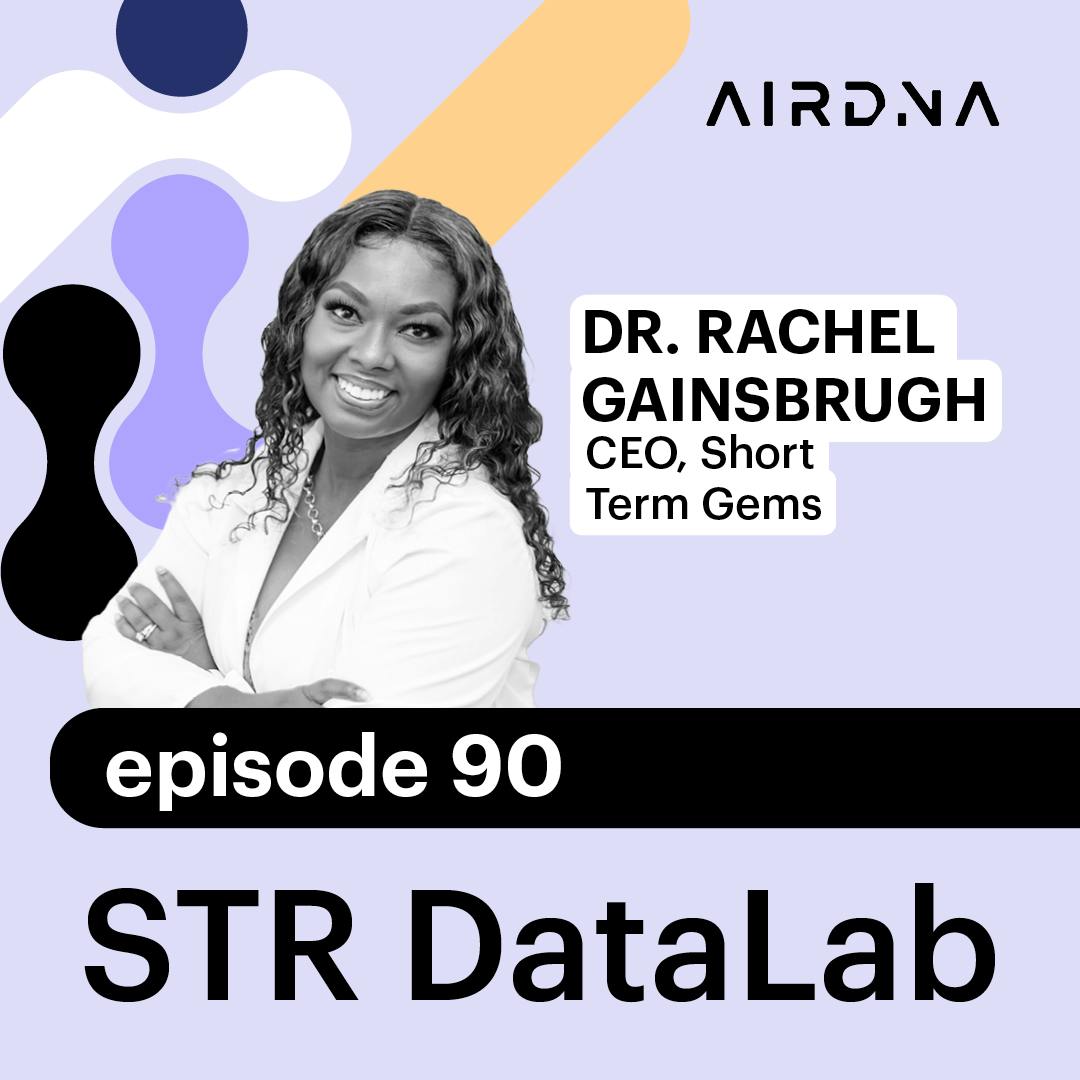
Leveraging Data for Short-Term Rental Success with Dr. Rachel Gainsbrugh
Predicting the Best and Worst STR Markets with Scott Sage

Privacy and Safety in STRs through AI-Driven Monitoring with Nils Mattisson

Mastering Real Estate Deals: Insights from Henry Washington
May Market Review and Future Trends with Scott Sage
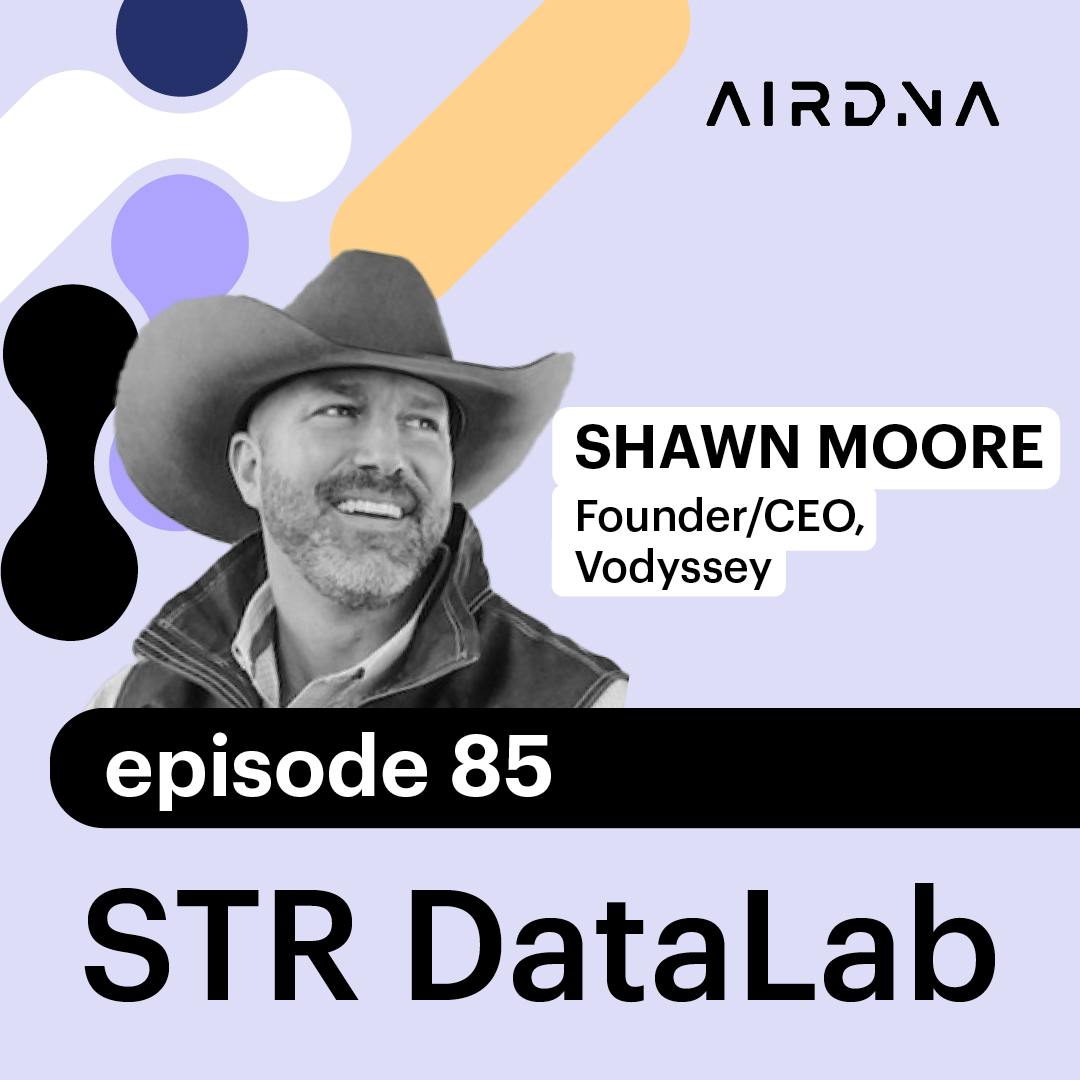
Pioneering Short-Term Rental Investments with Shawn Moore

The Future of Unique Stays: A Deep Dive with Ben Wolff
The Journey of a Short-Term Rental Investor: From Zero to Full-Time Income
Navigating the Ups and Downs of the Short-Term Rental Market

Scaling Vacation Rental Management with Portoro's Dustin Abney
Advocacy and Innovation: Insights from CanStays Conference with Catherine Ratcliffe
Decoding Airbnb's New Summer Release and Iconic Listings
Spring Trends and Market Review in the STR Data Lab

Maximizing Real Estate Income Through Short-Term Rentals with Erwan Le Roy
Maximizing Short-Term Rental Returns Through Strategic Amenity Investments
Navigating the Challenges and Opportunities of Rental Arbitrage in 2024
Charting STR Trends: February's Recovery & Eclipse Pacing with Bram Gallagher
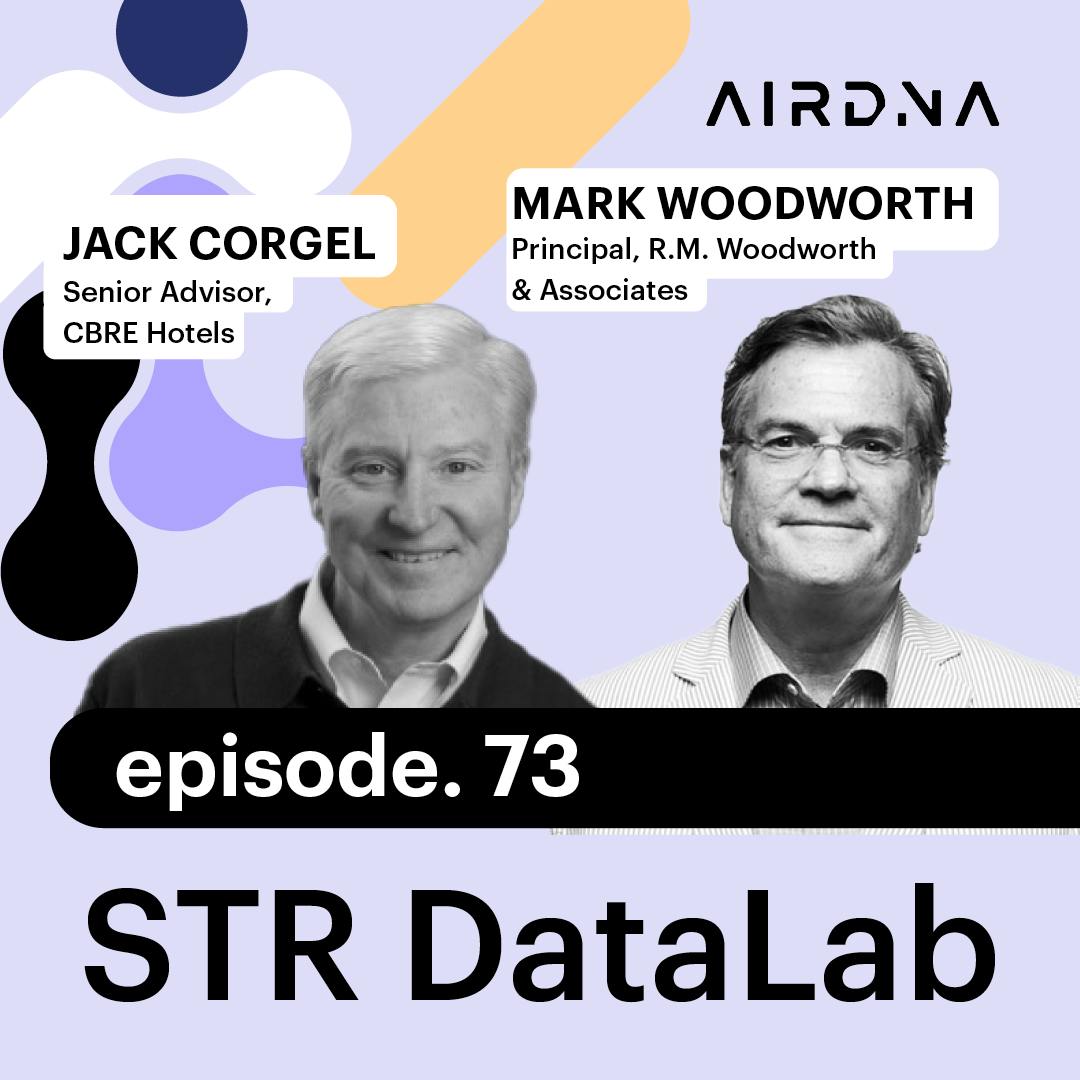
Navigating Market Dynamics in Hotel and Short-Term Rental Investments

Setting your STR Up for Success: Strategic Purchasing with Jeff Iloulian of HostGPO

The Art of Profitable Short-Term Rentals with Tyler Coon of Savvy Realty

Airbnb, Expedia, Vrbo Earnings Reports Analysis & January Market Review
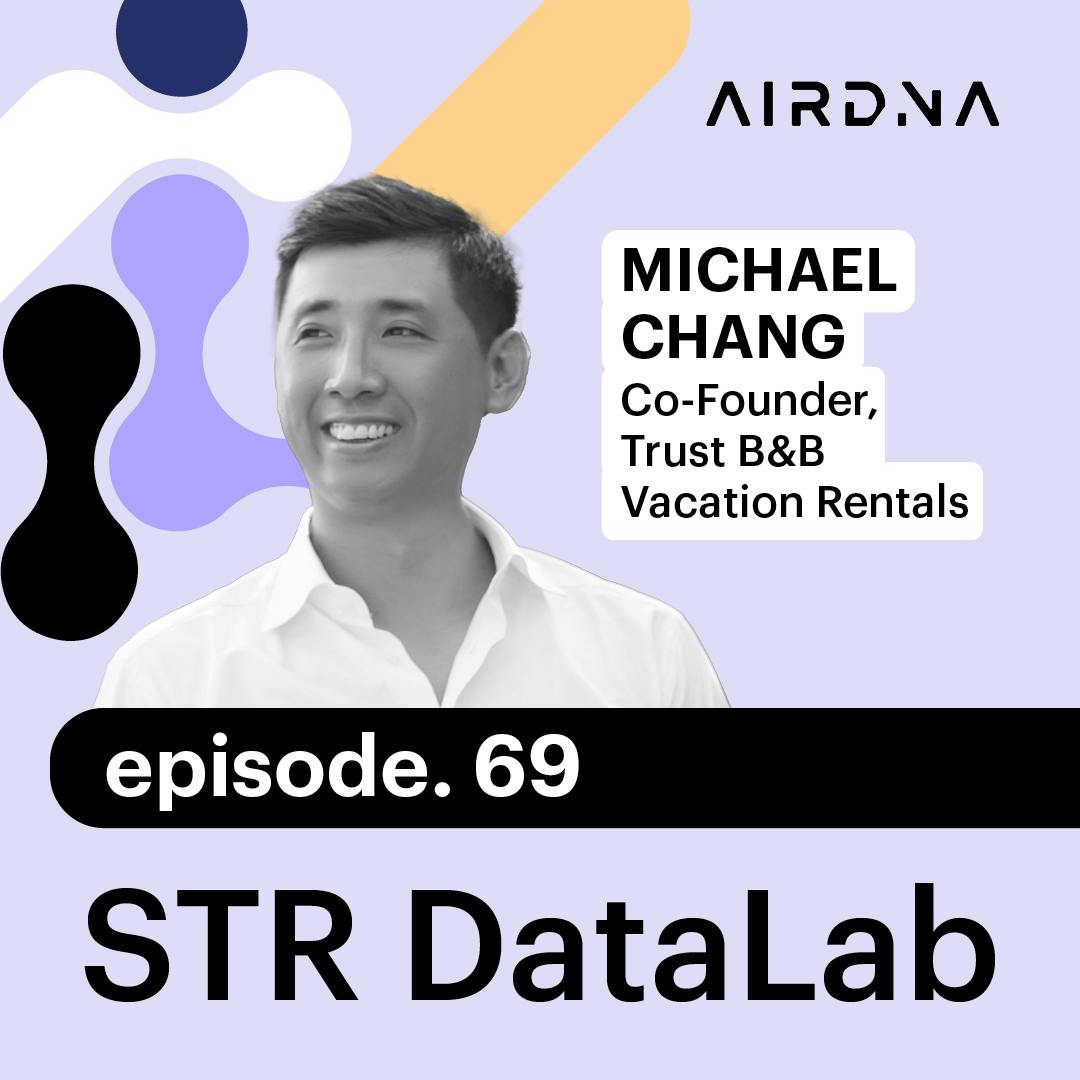
Leveraging Investment Banking Expertise for STR Growth with Michael Chang
Best Places to Invest in 2024 With Scott Sage

Charting Altido’s Blueprint for Success with Will Parry
Direct Booking Mastery with Mark Simpson: Boostly's Success Story
A Reflection on 2023 and a Look Ahead to 2024 with Bram Gallagher

Housing Market Outlook and Investment Strategies for 2024 with Dave Meyer

Unraveling Unique Hospitality Niches with Michael Golden
Welcoming Uplisting to the AirDNA Family: Leveraging Property Management Systems in Short-Term Rentals
Navigating the 2024 STR Landscape: Insights from AirDNA's Outlook Report with Bram Gallagher
Scaling Success in the Vacation Rental Industry with Julie George
Growing Your Vacation Rental Business with Brooke Pfautz from Vintory

The Growth and Future of Cozi Vacation Rentals with CEO Matt Durrett

Building a Property Management Powerhouse with Joe Riley
Inside the Traveler's Mind: The STR vs. Hotel Experience with Madeline List

Keeping Up with Guest Expectations: The Future of Property Management with Jeremy Gall
Can Airbnb Break or Fix the U.S. Housing Market? A Deep Dive with Taylor Marr
September U.S. Market Review with Bram Gallagher

Celebrating One Year of STR Data Lab with Paralee Walls

August U.S. Market Review with Paralee Walls

Consistency Within Your Brand with Sean Breuner

Unveiling the All-New AirDNA with Aaron Koppinger | Episode 49 | STR Data Lab™ by AirDNA
Economic and STR Industry Risks with Bram Gallagher
Hotels vs. Short-Term Rentals with Issac Callazo

Tech that Puts the Customer First with Marcus Rader

Breaking the All-Time Demand Record with Paralee Walls
Acquiring Your STR Loan with Robin Simon

Finding Your Dream Home with Paul Kromidas
Are interest rates holding you back? With Avery Carl
Summer Travel Season with Demi Horvat
Onboarding Properties at Scale with Ben Gross
The Airbnb Collapse with Demi Horvat

Growing Your Business in National Parks

Creating The 4-Hour Work Week with Virtual Assistants
AirDNA's Mid-Year STR Outlook with Demi Horvat

Building Culture, Rebranding, and Being on Forbes 30 Under 30 | Episode 35 | STR Data Lab™ by AirDNA

Regulation, Pricing, Housing, and the Effects of STRs | Episode 34 | STR Data Lab™ by AirDNA

Earnings Reports, Interest Rates, and the Prioritization of Travel | Episode 33 | STR Data Lab™ by AirDNA

Where should I Invest in Vacation Rentals

Short-Term Rentals In A Utilitarian Market | Episode 31 | STR Data Lab™ by AirDNA

Creative Financing In Today's Market
Extended Ski Season, Summer Bookings, and More | Episode 29 | STR Data Lab™ by AirDNA
John Hildebrand: How property managers can take control of their short-term rental success in 2023

The Oscars of the Short-Term Rental Industry Are Here! | Episode 27 | STR Data Lab™ by AirDNA

You Have To Do Things Differently When The Market Becomes Saturated | Episode 26 | STR Data Lab™ by AirDNA

Exploring the Transition from Long-Term Rentals to Short-Term Rentals with Stacey St. John | Episode 25 | STR Data Lab™ by AirDNA
Rising Markets, Popular Spring Break Destinations, And More! | Episode 24 | STR Data Lab™ by AirDNA
Natalie Palmer: The Unsexy Side of Short-term Rentals | Episode 23 | STR Data Lab™ by AirDNA

Are Two Bed Two Bath Condos a Gold Mine? | Episode 22 | STR Data Lab™ by AirDNA

Elegant and Sophisticated Spaces Are Never Going Out of Style | Episode 21 | STR Data Lab™ by AirDNA

The BEST Places to Invest in Airbnbs in 2023... and Why They Might Not be the Best | Episode 20 | STR Data Lab™ by AirDNA

Learn How to Finance Your Vacation Rental | Episode 19 | STR Data Lab™ by AirDNA

Are Luxury Vacation Homes Recession Proof? | Episode 18 | STR Data Lab™ by AirDNA

From Marriott Employee to Short-Term Rental Master: Wil Slickers’ Journey of Turning Homes into Destinations | Episode 17 | STR Data Lab™ by AirDNA

Predict the Success of Your Airbnb Business with Key Economic Indicators | Episode 16 | STR Data Lab™ by AirDNA
Unpacking Major Industry Reports and How they will Impact the Short-term Rental Market 2023 | Episode 15 | STR Data Lab™ by AirDNA

Will 2023 Be The BEST Year for a Real Estate Investor? | Episode 14 | STR Data Lab™ by AirDNA

Taylor Jones: How to Find Gaps in the Data and Use Amenities to Stand Out | Episode 13 | STR Data Lab™ by AirDNA

You Take Revenue to the Bank, not ADRs or Occupancy | Episode 12 | STR Data Lab™ by AirDNA

Insights to Help You Prepare Your Airbnb Business for 2023 | Episode 11 | STR Data Lab™ by AirDNA

Jaren Sustar: The Ones Who Sit on the Sidelines Never Win | Episode 10 | STR Data Lab™ by AirDNA

Tim Hubbard: Should You Diversify Your Real Estate Portfolio? | Episode 9 | STR Data Lab™ by AirDNA

From first movers to mainstream, can Airbnb meet guest and host expectations? | Episode 8 | STR Data Lab™ by AirDNA

Jason Fudin: Where is the Future of Real Estate Headed? | Episode 7 | STR Data Lab™ by AirDNA

Jonathan Farber: How to Achieve Financial Freedom in 6 Years | Episode 6 | STR Data Lab™ by AirDNA

Mickey Kropf: How to Successfully Operate and Scale an STR Management Company | Episode 5 | STR Data Lab™ by AirDNA
Using Data to See if the AirbnBUST is Really Happening Braydon Ross | Episode 4 | STR Data Lab™ by AirDNA

Braydon Ross: Owning, Arbitraging, and Co-hosting Oh My! | Episode 3 | STR Data Lab™ by AirDNA

Data Before Drama: The Real Story Behind Recessions and Short-Term Rentals | Episode 2 | STR Data Lab™ by AirDNA