

 Calculate Revenue
 Research Markets
 Find For Sale Properties
 Compare My Listing
 STR Revenue Calculator
 Custom Comp Sets
 Submarket Insights
 Custom Search Filters
 Rate Recommendations
 Performance Benchmarking
 Competitor Comparison
 Owner Contact Details
 Property-level performance data
 Tourism Insights
 Real Estate Investment Analytics
 About Us
 Sales
Sales Support
 Press
PressHow Does Airbnb Work for Owners?
Published: June 24, 2024
Last updated: September 25, 2026

Bram Gallagher
Key Takeaways
- Airbnb gives property owners an opportunity to turn their space into a source of income.
- Airbnb simplifies the financial aspects of short-term rentals by handling all payments between guests and hosts.
- Successful Airbnb hosting requires attention to detail in preparing your space, setting competitive prices, and providing excellent guest experiences.
Your spare bedroom, lake house, or even that quirky treehouse in your backyard could be more than just extra space—it could be your ticket to a new income stream and exciting encounters with travelers from around the world. That's the promise Airbnb holds for property owners like you.
Whether you've heard success stories from friends or are curious about making the most of your extra space in today's sharing economy, you're not alone in wondering: "How does Airbnb work for owners?"
This guide is for you—the property owner who's heard the buzz about Airbnb but isn't quite sure what to make of it all.
What Is Airbnb?
Airbnb is an online marketplace that connects property owners who want to rent out their spaces with travelers seeking unique accommodations. Since 2008, it has grown into a global platform, transforming the hospitality industry, how people travel, and how property owners monetize their spaces.
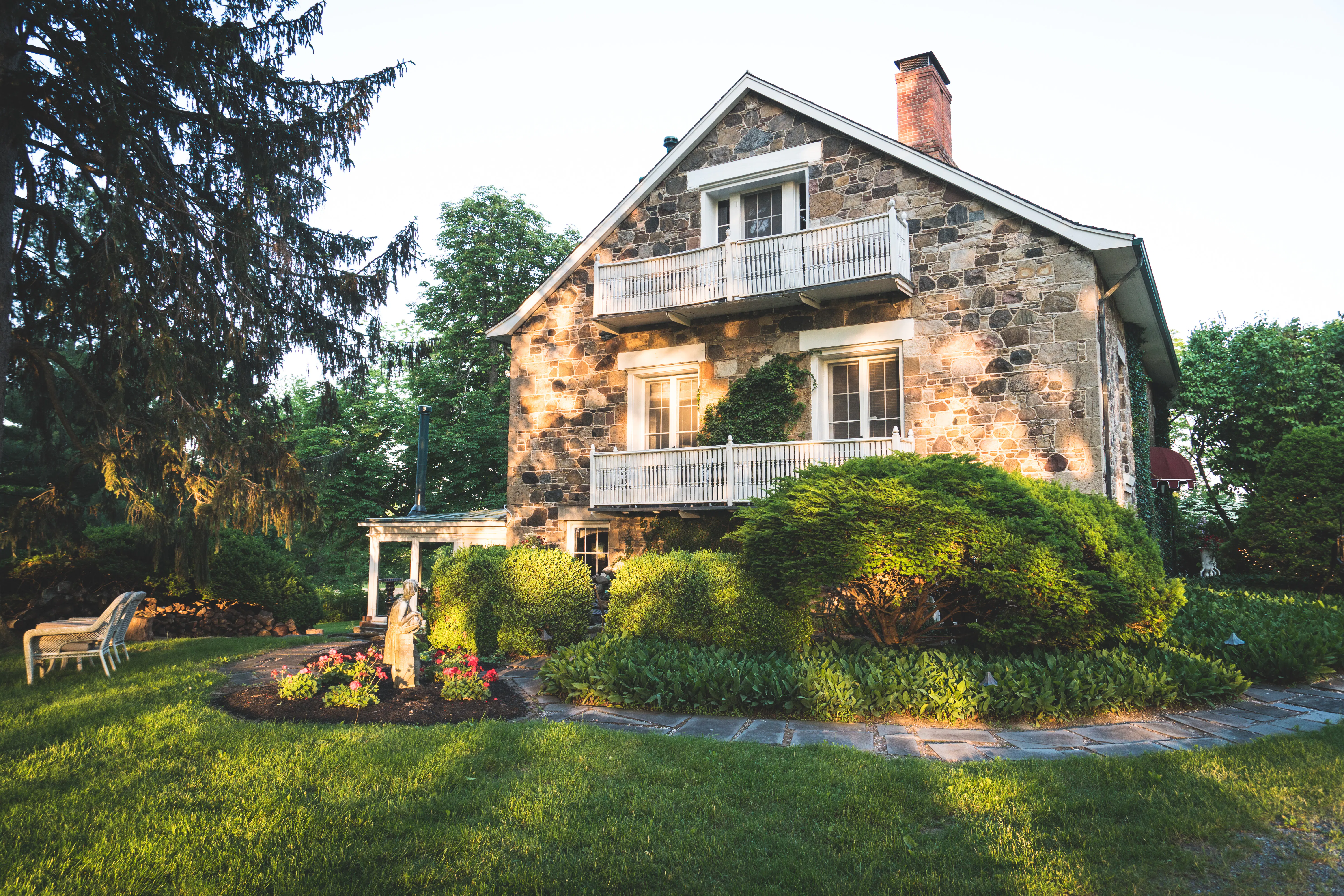
How Does Airbnb Work for Owners?
The Airbnb Marketplace
Airbnb acts as a virtual storefront where you showcase your property.
The Airbnb platform handles the complexities of short-term rentals (STR), which includes booking logistics, payment processing, and communication between hosts and guests.
Airbnb fees are typically 3% for hosts and a separate guest service fee for renters, in exchange for brokering lodging arrangements. The exact percentage can vary. While hosts don't receive the full guest payment, many find that Airbnb's reach as well as its tools lead to higher overall revenue.
Booking System
When travelers visit the Airbnb website or use the app, they can search for properties based on location, dates, number of guests, and specific amenities. The platform's smart filters help narrow down options, showcasing Airbnb listings that match the guest's criteria.
As an Airbnb host, you have two main options for how guests can book your property:
- Request to Book: With this option, guests send a reservation request, which you can review before accepting or declining. This allows you to screen guests and ultimately gives you more control over who stays in your property.
- Instant Booking: This feature allows guests to book your property immediately, similar to reserving at traditional hotels. Making the booking process more efficient for guests through Instant Book can increase your number of reservations and improve your ranking in Airbnb search results.
Both systems have their merits and you can choose which works best for your hosting style and property management approach.
Host-Guest Interaction
Communication is key to successful Airbnb hosting, and the platform provides a built-out messaging system to facilitate this. All interactions between Airbnb hosts and guests should occur through this system for safety and record-keeping purposes.
As an Airbnb host, you'll use the platform to:
- Respond to inquiries about your property
- Coordinate check-in details
- Answer questions before and during the stay
- Address any issues that arise during the reservation
Responsiveness is crucial in the Airbnb ecosystem, and the platform rewards excellent communication with better visibility. Everything from answering questions about local attractions to quickly addressing any concerns can lead to positive reviews, repeat bookings, and success in your Airbnb business.

Payment Process
Airbnb simplifies the financial aspects of short-term rentals by handling all payments between guests and hosts. This system provides security and convenience for both parties.
When a guest books your Airbnb property, they pay the full amount to Airbnb, which includes the nightly rate, cleaning fee (if applicable), and any additional guest fees (e.g. a pet deposit). Airbnb then holds this payment until after the guest checks in, ensuring that the reservation is honored before releasing funds.
As an Airbnb host, you'll receive your payout typically about 24 hours after your guest's scheduled check-in time. The amount you receive is the booking subtotal minus the Airbnb host service fee. Airbnb offers various payout methods, including direct deposit to your bank account, which you can set up in your account settings.
It's important to note that Airbnb's fee structure can vary depending on your location and the specifics of your listing. Always check the current terms to understand exactly how much you'll earn from each booking. Our guide on Airbnb vs Vrbo can also help you get a better sense for how Airbnb’s fee structure compares to other booking platform options.
Review System
Airbnb's two-way review system is a cornerstone of trust in the platform's community. After each stay, both the host and the guest have 14 days to leave a review. This system encourages accountability and helps maintain quality standards for both Airbnb rentals and guest behavior.
Here's how it works:
- After check-out, both host and guest can write a review.
- Reviews are only made public once both parties have submitted their reviews, or when the 14-day period ends, whichever comes first.
- Once published, reviews cannot be changed (except in rare circumstances).
For Airbnb hosts, positive reviews are crucial. They boost your listing's visibility in search results and can significantly impact your booking rates. Good reviews also contribute to achieving Superhost status or a Guest Favorites badge, Airbnb’s two special distinctions. Superhost status is given to a host that demonstrates exceptional service, while Guest Favorites is given to the “most-loved” properties based on guest feedback, reviews, and ratings.
Earning either of these distinctions can increase your property's appeal to potential guests.

Benefits of Listing on Airbnb
If you're considering renting out your property, Airbnb offers some unique advantages. Here's why many property owners choose Airbnb as their primary listing platform:
- Increased Earning Potential: With short-term rentals, you can often earn more than you would with a long-term lease. During peak seasons or local events, you might earn in a week what you'd typically get in a month from a traditional rental.
- Flexibility to Use Your Property: Unlike with long-term tenants, you can block off dates to use your property yourself. This is perfect if you want to enjoy your vacation home or host friends and family occasionally.
- Control Over Your Space: You decide who stays and when. If you're worried about committing to a long-term tenant, short-term rentals let you test the waters without a year-long commitment.
- Protection for Your Property: Airbnb offers host protection programs, which can provide more security than traditional rental agreements. Plus, with frequent guest turnover, you can keep a closer eye on your property's condition.
- Easy to Get Started: Airbnb's platform makes it simple to list your property and start hosting. You don't need to be a real estate expert to begin—just a willingness to share your space and provide a good experience for guests.
- Meeting New People: If you enjoy social interactions, hosting on Airbnb can be a rewarding way to meet people from around the world and share your local knowledge.
- Tax Benefits: Depending on your location, short-term rentals may offer tax advantages over long-term rentals. Always consult with a tax professional to understand your specific situation.
- Market Adaptability: If your circumstances change, you're not locked into a long-term lease. You can adjust your pricing, availability, or even stop hosting altogether if needed.
Remember, you're in control. You can start small, perhaps renting out a spare room or hosting only on weekends, and scale up as you get more comfortable.
With the right approach and tools to guide your decisions, hosting on Airbnb can be a rewarding way to maximize your property's potential and possibly open up a new stream of income.
Not sure what kinds of spaces make the best Airbnb? Take a look at how to identify the best type of properties for Airbnb.
Calculate potential earnings
Understand the investment potential of any address in the world.
6 Steps to Become an Airbnb Host
1. Prepare Your Property
Put yourself in your guests' shoes when preparing your property. Ensure the space is spotlessly clean, clutter-free, and well-maintained. Provide essential amenities that travelers expect, like fresh linens, toiletries, and reliable Wi-Fi. Create a welcoming atmosphere with thoughtful touches such as local guidebooks or a welcome basket. If you’re catering to a specific type of guest, such as families or animal lovers, consider their specific needs. This might mean stocking a toy chest or making your rental pet-friendly.
Remember, your guests are looking for a comfortable, safe, and memorable stay - strive to exceed their expectations from the moment they walk in. Be sure to review our guide on how to prepare your house for Airbnb for comprehensive tips.
2. Create an Airbnb Account
Begin by signing up on Airbnb.com or through their mobile app. You'll provide basic information like your name, email, and phone number. Airbnb requires identity verification for security, which typically involves uploading a government-issued ID and may include additional steps.
Set up your profile with a friendly photo and brief bio during this process. This personal touch helps potential guests feel more comfortable booking with you.
Remember, this account is your gateway to the entire Airbnb ecosystem, useful whether you expand to multiple properties or become a guest yourself in the future.
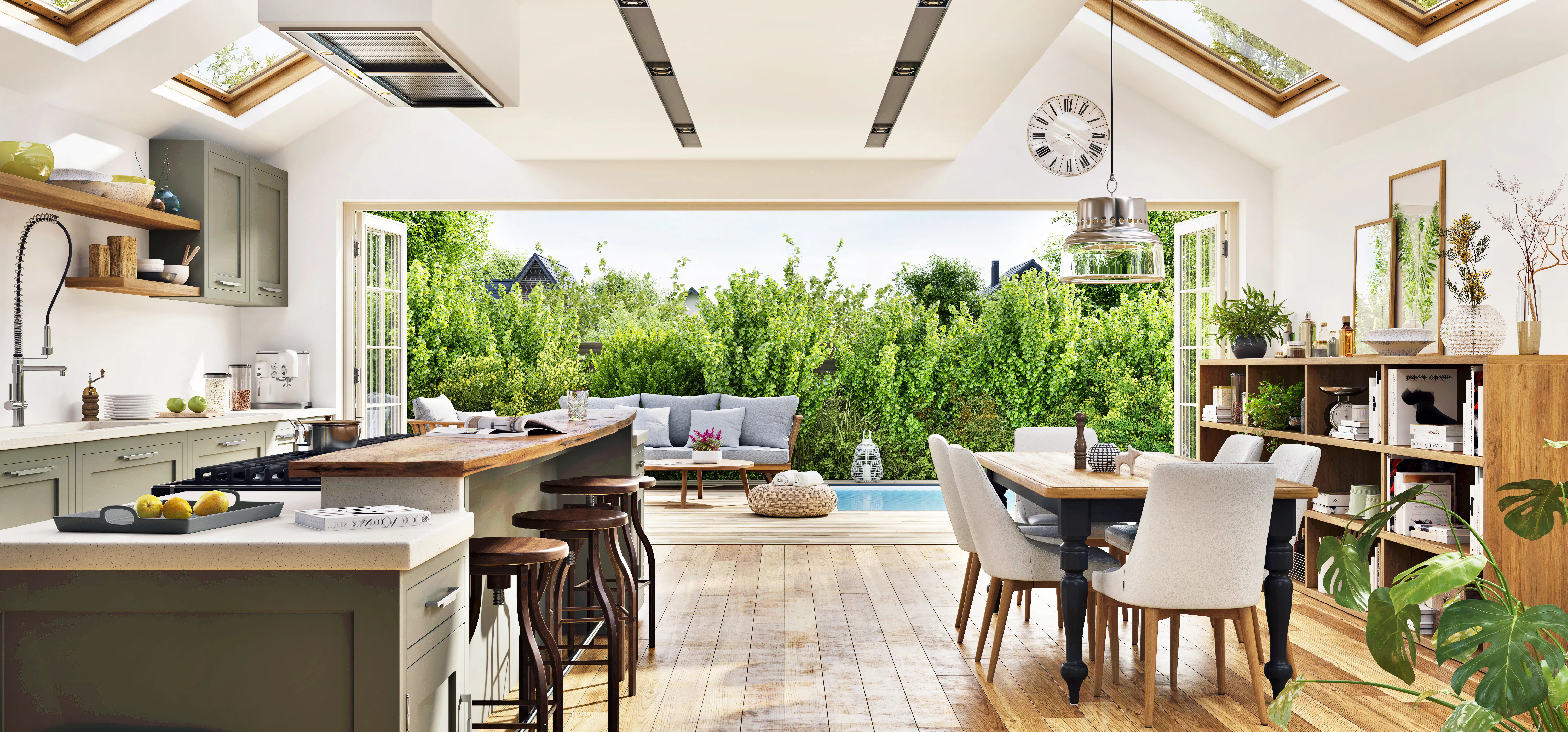
3. Set Up Your Listing
Creating your listing is the first step to becoming a host on Airbnb. While we have an article on how to list your property on Airbnb, here's a quick overview of what's involved:
- Property Information: You'll provide basic details about your space, including type, location, and amenities. Come up with a catchy Airbnb title that will draw guests in.
- Photos and Description: High-quality images and a compelling description are a must for attracting guests. Be sure to highlight unique features or luxury amenities like a hot tub or mountain view.
- Pricing and Availability: Set your nightly rates and mark your calendar for when your property is available.
The key to a successful Airbnb listing is accuracy and appeal. Your listing should give potential guests a clear and attractive picture of what they can expect from your property.
Remember, you can always edit and optimize your listing over time based on guest feedback and your hosting experience.
4. Choose Your Pricing and Availability
Pricing can make or break your Airbnb success. Research comparable listings in your area to set competitive rates. Consider using a dynamic pricing tool, which adjusts your rates based on demand, local events, and seasonality.
Set up a base nightly rate, then add special pricing for weekends, holidays, or local events. Don't forget to factor in cleaning fees and any extra guest charges.
Your calendar is equally important. Keep it meticulously updated to avoid double bookings. Linking your Airbnb and Vrbo calendars is essential if you are marketing your property on more than one online platform. You can set minimum and maximum stay requirements and block off dates when your property isn't available.
5. Publish Your Listing
Review your listing one final time for accuracy and completeness. When you hit "Publish," Airbnb typically takes 6-24 hours to review new listings. As long as your property lives up to Airbnb’s rules for hosting, you’re likely to get approved.Your property may initially have limited visibility in search results.
Don't be discouraged if bookings don't come immediately. It takes time for your listing to gain traction. Use this period to compare your listing with others in your area and make adjustments to keep up with the competition.
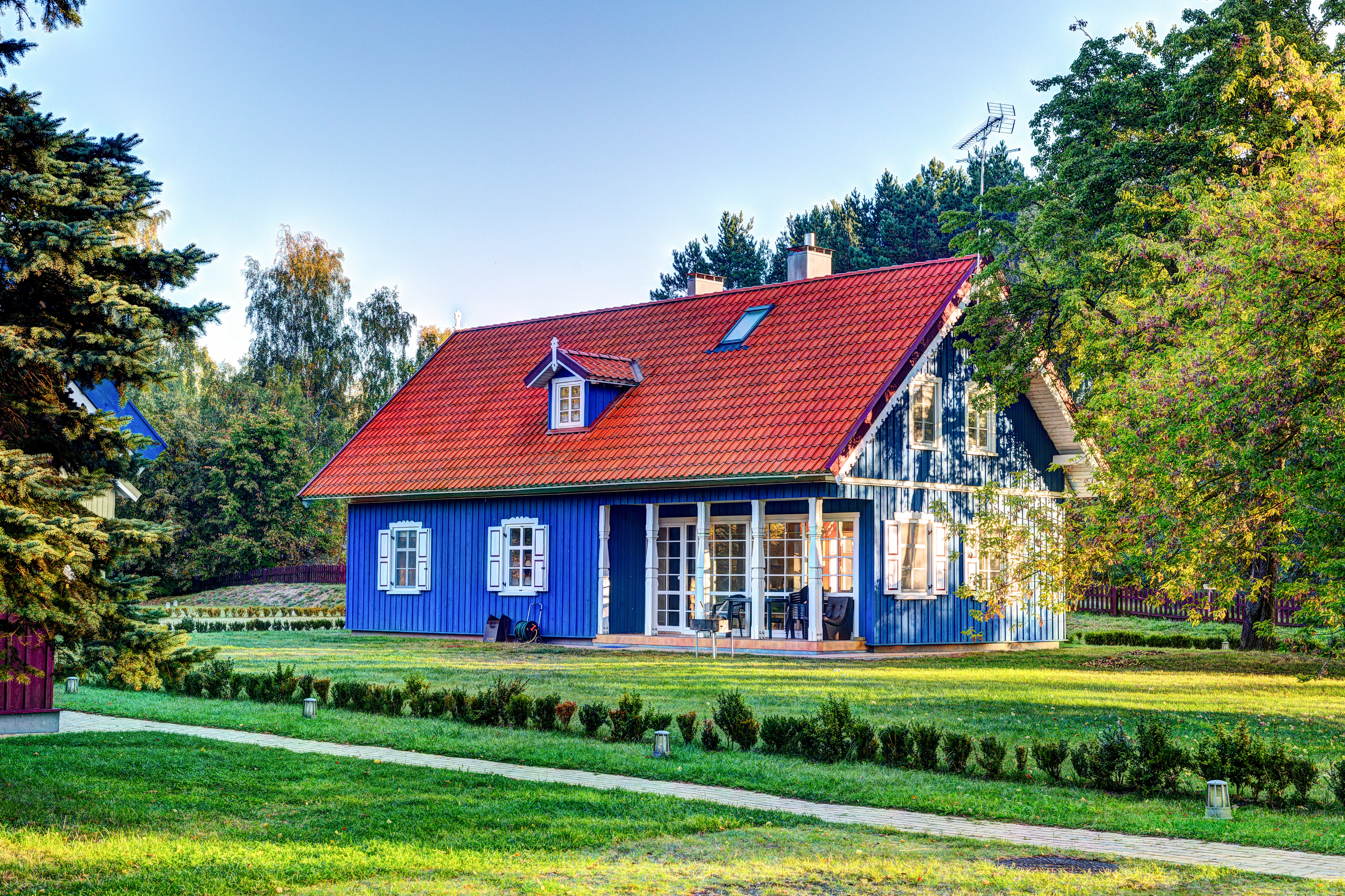
6. Prepare for Your First Guest
As you approach your first booking, focus on creating a seamless guest experience. Establish clear house rules that set expectations while being welcoming. Develop a smooth check-in process, whether in-person or self-check-in, and prepare a detailed guest guide with essential information about your property and the local area.
Add personal touches that make your space memorable, like thoughtful interior design, local artwork or a handwritten welcome note. These small details can lead to great reviews.
Remember, hosting is a learning process. Be open to feedback and willing to adapt your approach based on guest experiences. Your listing will evolve as you gain insights and confidence in your hosting journey.
Check out our tips for vacation rental owners at every stage for more tips.
Host Confidently
Know exactly how much to charge based on your vacation rental pricing strategy.
Frequently Asked Questions
What types of properties can I list on Airbnb?
Airbnb accepts a wide variety of property types, including:
- Entire homes
- Private rooms
- Shared spaces
- Unique stays (eco-friendly properties, boats, etc.)
You can also list Airbnb Experiences, which are activities hosted by local experts.
How much does it cost to list a property on Airbnb?
Listing your property on Airbnb is free. Airbnb only charges service fees when you receive a booking.
How much does Airbnb deduct from my earnings?
Airbnb typically charges hosts a service fee of around 3% of the booking subtotal. This can vary based on factors like your location and cancellation policy. Guests also pay a separate service fee. [For more details, check out our guide on Airbnb host fees] (link to "how much does Airbnb charge hosts" when live).
Do I need to be present during guest stays?
Not necessarily. Many hosts rent out entire properties without being present. Some hosts manage their Airbnbs remotely from out of state. However, you'll need to arrange check-in and be available (in person or through a local proxy) to address any issues.
How do I set my prices on Airbnb?
You have full control over your pricing. You can set nightly rates, your unique cleaning fee, weekly or monthly discounts, and special prices for peak seasons or events. Airbnb also offers tools to help you price competitively based on demand and local trends.
Try Our Vacation Rental Pricing Tool
Use Smart Rates™ to optimize your pricing strategy.
What kind of protection does Airbnb offer hosts?
Airbnb provides Host Protection Insurance and a Airbnb Host Guarantee program, which offer liability coverage and protection against property damage. Always review the terms and conditions to understand the extent of coverage. Consider investing in additional short-term rental insurance that caters to your particular circumstances and desired coverage.
Can I set rules for my property?
Absolutely. You can set house rules that guests must agree to before booking, such as no smoking, no parties, or quiet hours.
How do taxes work for Airbnb hosts?
Income from Airbnb is generally taxable. In some areas, Airbnb collects and remits local taxes on your behalf. Depending on your level of involvement in managing your Airbnb, you may qualify for the short-term rental tax loophole and depreciation.
Keep in mind that tax regulations vary widely, so it's best to consult with a tax professional familiar with short-term rental laws in your area.
ARTICLE SUMMARY
Thinking about becoming an Airbnb host but not sure where to start? Our guide demystifies how Airbnb works for owners, walking you through every step of the process. We'll show you how the platform works, how to set up your listing, manage bookings, interact with guests, and handle payments - everything you need to know to turn your property into a successful Airbnb rental.
Bram Gallagher
AirDNA Director of Economics and Forecasting
Bram Gallagher is an Economist at AirDNA, specializing in uncovering insights that drive smarter short-term rental decisions. He put his Ph.D. in Economics from the University of Georgia to work researching and forecasting hotel data with CBRE prior to joining AirDNA, as well as teaching economics at a number of universities. In his spare time, Bram enjoys making wooden furniture with hand tools.
