Top 13 Airbnb Markets in Nebraska
Published: July 9, 2025
From bustling college towns to tranquil High Plains retreats, Nebraska’s short-term rental (STR) scene has grown well beyond prescriptive Cornhusker clichés. Whether you’re chasing strong cash-on-cash returns, recession-resilient demand, or simple geographic diversification, the state’s patchwork of submarkets offers something for nearly every investor profile. Based on AirDNA’s proprietary data, these are the highest-ranking Airbnb markets across Nebraska right now.
What Is AirDNA’s Market Score?
Market Score is AirDNA’s all-in-one metric for gauging a location’s short-term-rental health. Scores (0–100) are calculated from five underlying pillars:
- Investability
- Rental Demand
- Revenue Growth
- Seasonality
- Regulation
Each pillar also receives its own 0–100 score inside the AirDNA platform, allowing hosts, buyers, and property managers to zero-in on specific risk/return traits.
Understanding Markets vs. Submarkets
This list skews toward submarkets—smaller, hyper-local pockets nested inside Nebraska’s larger metros (or, in some cases, rural hubs). Focusing on submarkets helps uncover:
- Lower purchase prices relative to headline metros
- Niche demand drivers (medical centers, lakes, National Monuments, etc.)
- Reduced competition and distinct regulatory landscapes
Identifying hidden-gem submarkets can be the difference between average and outsized returns.
Airbnb Market Overview in Nebraska
Nebraska’s STR ecosystem continues to mature as travelers discover more than just I-80 pit stops. Omaha’s neighborhoods draw business and leisure stays year-round, while university-anchored Lincoln thrives on collegiate events. Out west, towns like Scottsbluff and North Platte benefit from outdoor recreation and cross-country traffic. Across the board, relatively affordable real estate and pragmatic regulatory climates keep entry barriers modest for new hosts.
This is sample data – view real-time data in the AirDNA platform.
AirDNA's Market Score is updated on a monthly basis to reflect the previous month's data. This ranked list is updated annually. Explore the app to get the most current data.
Top 13 Airbnb Markets in Nebraska (Ranked by Market Score)

13. North Platte
Market Score: 85.17
Average Annual Revenue: $20,595
North Platte—home of Buffalo Bill’s legacy and a major Union Pacific rail hub—captures steady demand from road-trippers on I-80 and outdoor enthusiasts visiting Lake Maloney and nearby state parks. Low housing costs and modest competition keep profit margins healthy.
12. Norfolk
Market Score: 51.63
Average Annual Revenue: $20,918
Norfolk leverages regional medical facilities, manufacturing employers, and a revitalized downtown riverfront to generate year-round bookings. Investors like its mid-tier ADRs and reliable weekday occupancy from business travel.
11. Bellevue
Market Score: 84.27
Average Annual Revenue: $33,873
Adjacent to Offutt Air Force Base, Bellevue is a military-anchored submarket benefiting from government travel per diems and family visits. Its suburban feel and proximity to Omaha’s attractions create a balanced mix of leisure and corporate stays.
10. Scottsbluff
Market Score: 86.71
Average Annual Revenue: $19,487
Western Nebraska’s gateway to Scotts Bluff National Monument and Chimney Rock, Scottsbluff thrives on prairie sightseeing, agri-tourism, and historic trail enthusiasts. Limited hotel inventory amplifies STR pricing power during peak season.
9. Kearney
Market Score: 27.43
Average Annual Revenue: $27,160
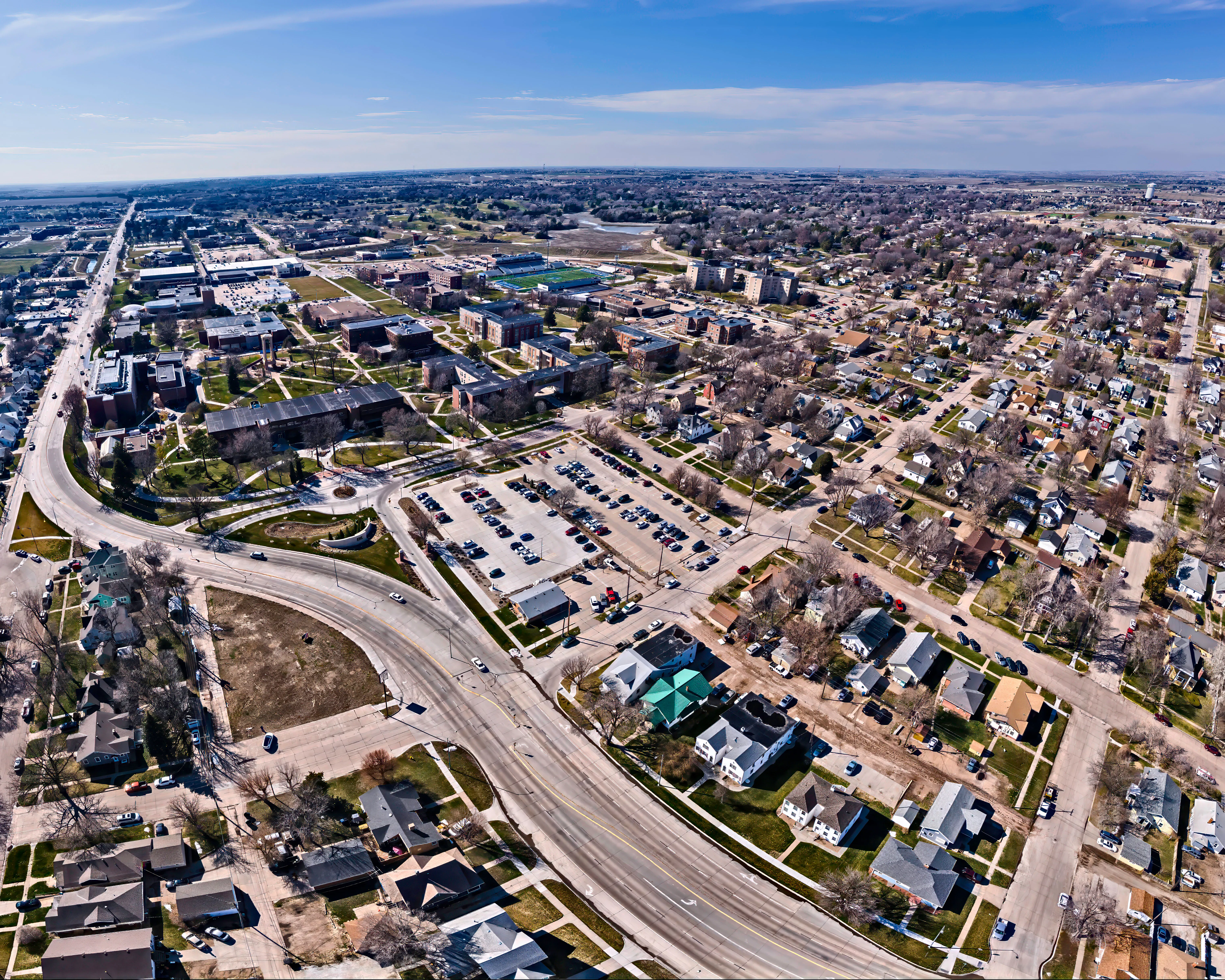
Home to the University of Nebraska at Kearney and renowned Sandhill Crane migration, Kearney experiences pronounced spring spikes yet respectable baseline demand. Investors should factor in seasonality but can capitalize on loyal recurring guests.
8. Grand Island
Market Score: 97.11
Average Annual Revenue: $27,670
Grand Island punches above its weight thanks to the Nebraska State Fair, a robust medical corridor, and corporate agribusiness travel. High occupancy and moderate ADRs push its Market Score near the top of the state.
7. La Vista
Market Score: 71.43
Average Annual Revenue: $32,023
La Vista sits just southwest of Omaha proper, drawing overflow demand from corporate headquarters and youth sports complexes. New retail and entertainment projects bolster weekend and holiday bookings.
6. Kountze Place
Market Score: 97.54
Average Annual Revenue: $21,974
Kountze Place, a historic Omaha neighborhood, offers charming early-20th-century homes and proximity to downtown venues. Its lofty Market Score stems from low competition, solid ADR growth, and short commute times for business travelers.
5. Ogallala
Market Score: 13.93
Average Annual Revenue: $31,460
Best known for Lake McConaughy’s white-sand beaches, Ogallala shines during summer boating and fishing season. While seasonality drags its overall score, sky-high peak ADRs entice investors comfortable with cyclical cash flow.

4. Downtown Omaha
Market Score: 8.68
Average Annual Revenue: $24,447
The Old Market, CHI Health Center conventions, and a thriving culinary scene make Downtown Omaha a constant draw. High density and stricter regulations temper its score, but occupancy remains robust for well-managed units.
3. Omaha – West
Market Score: 69.73
Average Annual Revenue: $35,611
West Omaha’s suburban districts host Fortune-500 campuses, youth sports tournaments, and regional shopping centers. Spacious single-family homes command premium nightly rates for group and family travelers.
2. Lincoln
Market Score: 46.08
Average Annual Revenue: $27,559
Nebraska’s capital thrives on Big Ten athletics, government travel, and a growing tech sector. Game-day weekends and graduation seasons produce lucrative ADR spikes; consistent weekday corporate demand fills in the gaps.
1. Medical Center
Market Score: 47.42
Average Annual Revenue: $25,281
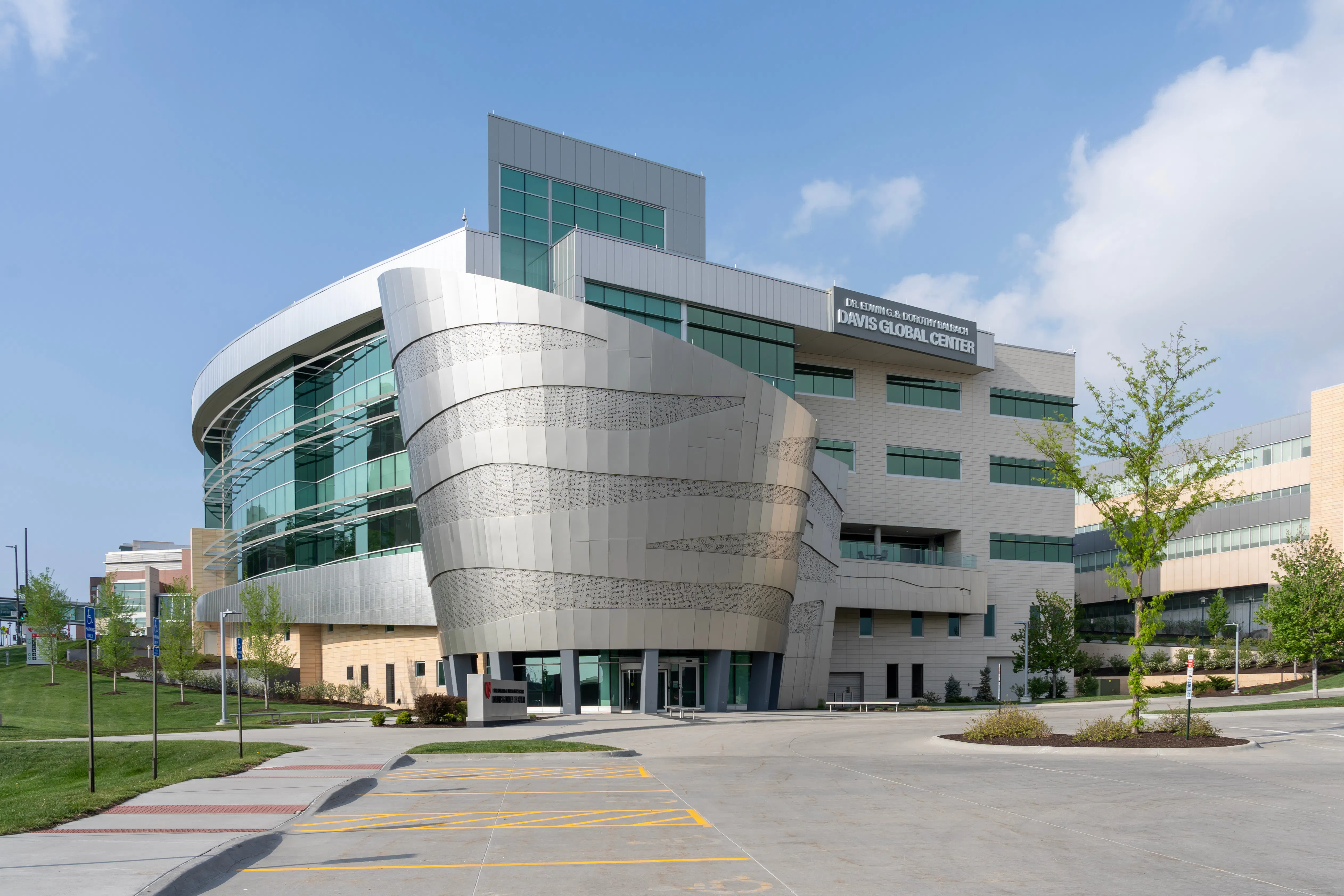
Centered around Omaha’s Nebraska Medical Center and University of Nebraska Medical Center (UNMC), this submarket benefits from extended-stay patients, visiting professionals, and conference attendees. High occupancy offsets moderate ADRs, keeping returns attractive.
Should You Invest in Nebraska?
While Nebraska may fly under the radar compared to coastal powerhouses, its steady travel demand, approachable entry prices, and generally permissive regulations make it a compelling addition to a diversified STR portfolio. Submarkets like Grand Island, Kountze Place, and North Platte deliver high scores with limited competition, whereas university and medical hubs in Lincoln and Omaha offer rock-solid baseline occupancy.
Investors who account for seasonality (Ogallala, Kearney) and stay abreast of evolving municipal rules (Downtown Omaha) can unlock resilient cash flow in the Cornhusker State. For the latest numbers on ADR, occupancy, and regulation, explore each market directly in AirDNA.