Top 18 Airbnb Markets in Alaska
Published: June 11, 2025
Alaska’s “Last Frontier” reputation draws millions of visitors each year for once-in-a-lifetime experiences—think northern lights, glacier cruises, and unparalleled wildlife viewing. From Anchorage’s urban amenities to remote fishing villages, the state’s diverse geography creates unique opportunities for short-term rental (STR) investors. Whether you’re looking for sky-high average daily rates (ADRs) in peak summer or steady government and military demand during the shoulder seasons, these are Alaska’s top Airbnb markets based on AirDNA’s proprietary data.
What Is AirDNA’s Market Score?
Market Score is a proprietary metric that ranks how attractive a location is for short-term rental (STR) investment. Each score is calculated based on the following five metrics:
- Investability
- Rental Demand
- Revenue Growth
- Seasonality
- Regulation
Scores range from 0 to 100, with higher scores indicating stronger overall market health. In addition to an overall Market Score, each of the five metrics gets its own score on the same scale within the AirDNA app. This level of granularity is useful for Airbnb stakeholders interested in a particular aspect of market behavior.
Understanding Markets vs. Submarkets
This list includes a mix of the largest markets and submarkets, which are defined as:
- Markets refer to well-defined, often larger geographic areas like cities or metro regions.
- Submarkets are more granular locations, such as smaller towns, neighborhoods, or coastal communities within those larger regions.
Including both allows investors to spot opportunities that may be overlooked when focusing solely on large-scale market data. A market with a mediocre score might contain submarkets with excellent performance.
Airbnb Market Overview in Alaska
Alaska’s STR landscape is highly seasonal, with summer months delivering some of the nation’s highest ADRs thanks to cruise ship travelers, adventure tourists, and fishing charters. Winter brings aurora chasers and business travelers tied to oil, gas, and government work. While larger hubs like Anchorage and Fairbanks handle year-round demand, smaller coastal and interior communities can offer outsized returns during short peak windows—perfect for investors comfortable with managing seasonality.
This is sample data – view real-time data in the AirDNA platform.
AirDNA's Market Score is updated on a monthly basis to reflect the previous month's data. This ranked list is updated annually. Explore the app to get the most current data.
Top 18 Airbnb Markets in Alaska (Ranked by Market Score)

18. Kenai
Market Score: 8.28
Average Annual Revenue: $24,653
Kenai sits at the mouth of the Kenai River, famed for its salmon runs. While the overall Market Score is low due to seasonality, peak-summer ADRs can be impressive for hosts catering to anglers and wildlife enthusiasts.
17. Kodiak Island
Market Score: 12.84
Average Annual Revenue: $30,555
Kodiak Island draws visitors for brown-bear viewing and remote fishing lodges. Limited lodging inventory helps offset high operating costs, giving patient investors room for healthy margins.
16. Homer
Market Score: 13.69
Average Annual Revenue: $34,190
Known as the “Halibut Capital of the World,” Homer’s iconic Spit hosts a bustling summer scene of fishing charters and arts festivals. Investors must balance eye-catching summer rates with quieter winters.
15. Girdwood
Market Score: 16.79
Average Annual Revenue: $56,987
Home to Alyeska Resort, Girdwood offers the state’s leading downhill ski experience and excellent summer hiking. High ADRs drive revenue, but limited housing stock and regulation discussions warrant due diligence.
14. Juneau
Market Score: 22.49
Average Annual Revenue: $45,719
Accessible only by sea or air, Alaska’s capital witnesses heavy cruise traffic from May to September. Political and tourism demand creates a balanced baseline for STR performance despite geographic constraints.

13. Ketchikan
Market Score: 28.70
Average Annual Revenue: $30,713
Nicknamed the “Salmon Capital of the World,” Ketchikan benefits from cruise tourism and sport-fishing demand. Operators who master turn-key summer operations can yield strong cash flow in a condensed season.
12. Wasilla
Market Score: 30.43
Average Annual Revenue: $30,972
The fastest-growing city in the Matanuska-Susitna Valley, Wasilla offers proximity to Anchorage combined with lower housing costs. Year-round residential and business travel help smooth out seasonality.
11. Spenard
Market Score: 30.80
Average Annual Revenue: $27,806
Spenard, an eclectic Anchorage neighborhood, is popular for its nightlife and proximity to Lake Hood. Moderate Market Scores mask pockets of high demand near convention centers and the coastal trail.
10. Seward
Market Score: 36.49
Average Annual Revenue: $42,585
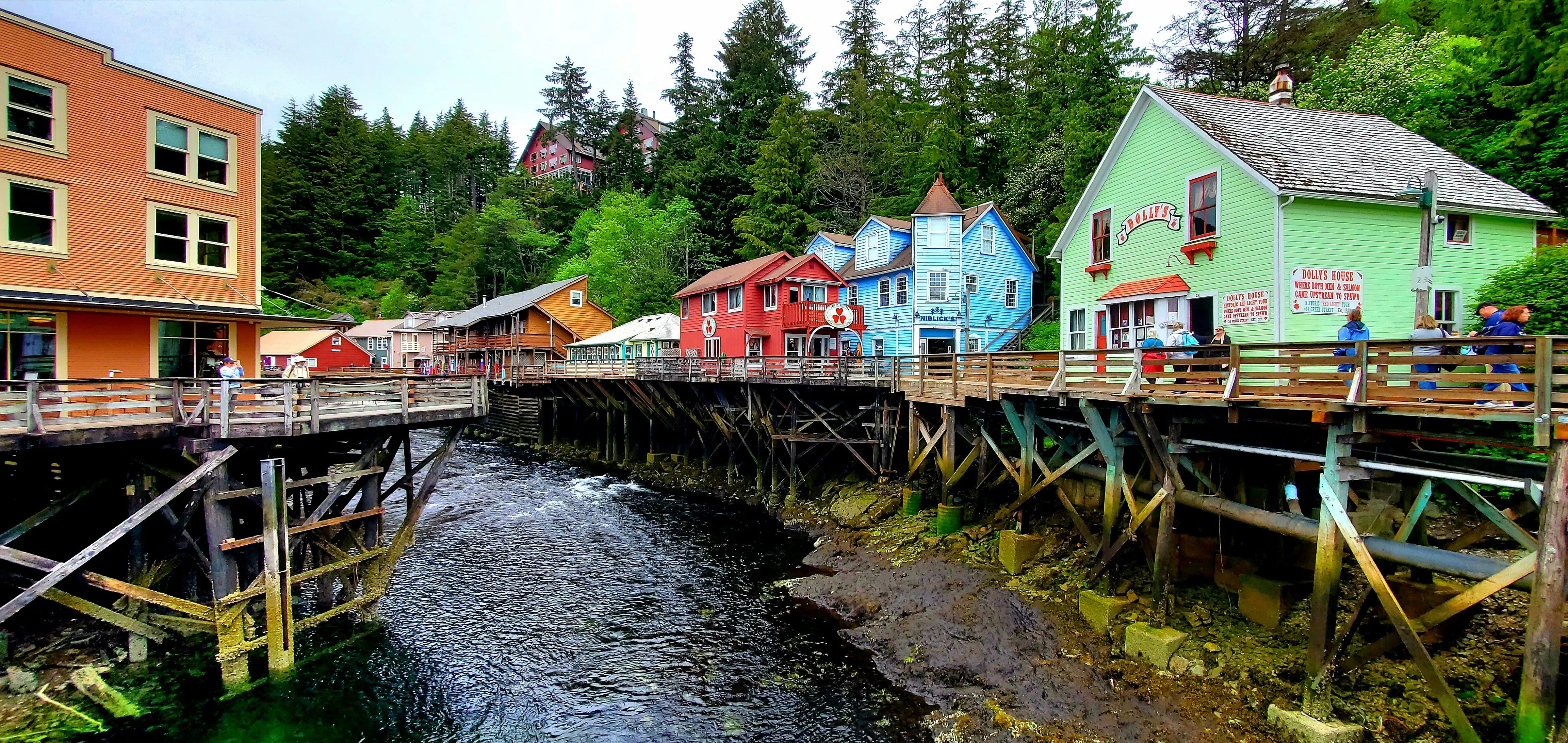
Gateway to Kenai Fjords National Park, Seward experiences surging occupancy during cruise days and wildlife tours. Its high ADRs justify the operational challenge of a short primary season.
9. ANC Airport
Market Score: 39.63
Average Annual Revenue: $38,626
Areas surrounding Ted Stevens Anchorage International Airport benefit from overnight crew stays and last-minute bookings. Easy access to downtown and major highways keeps occupancy robust year-round.
8. Talkeetna
Market Score: 41.19
Average Annual Revenue: $26,862
This quirky climbing town is a launch point for Denali expeditions and flightseeing tours. Limited hotel stock makes well-located cabins and tiny homes popular options for investors.
7. Abbott Loop
Market Score: 43.00
Average Annual Revenue: $35,195
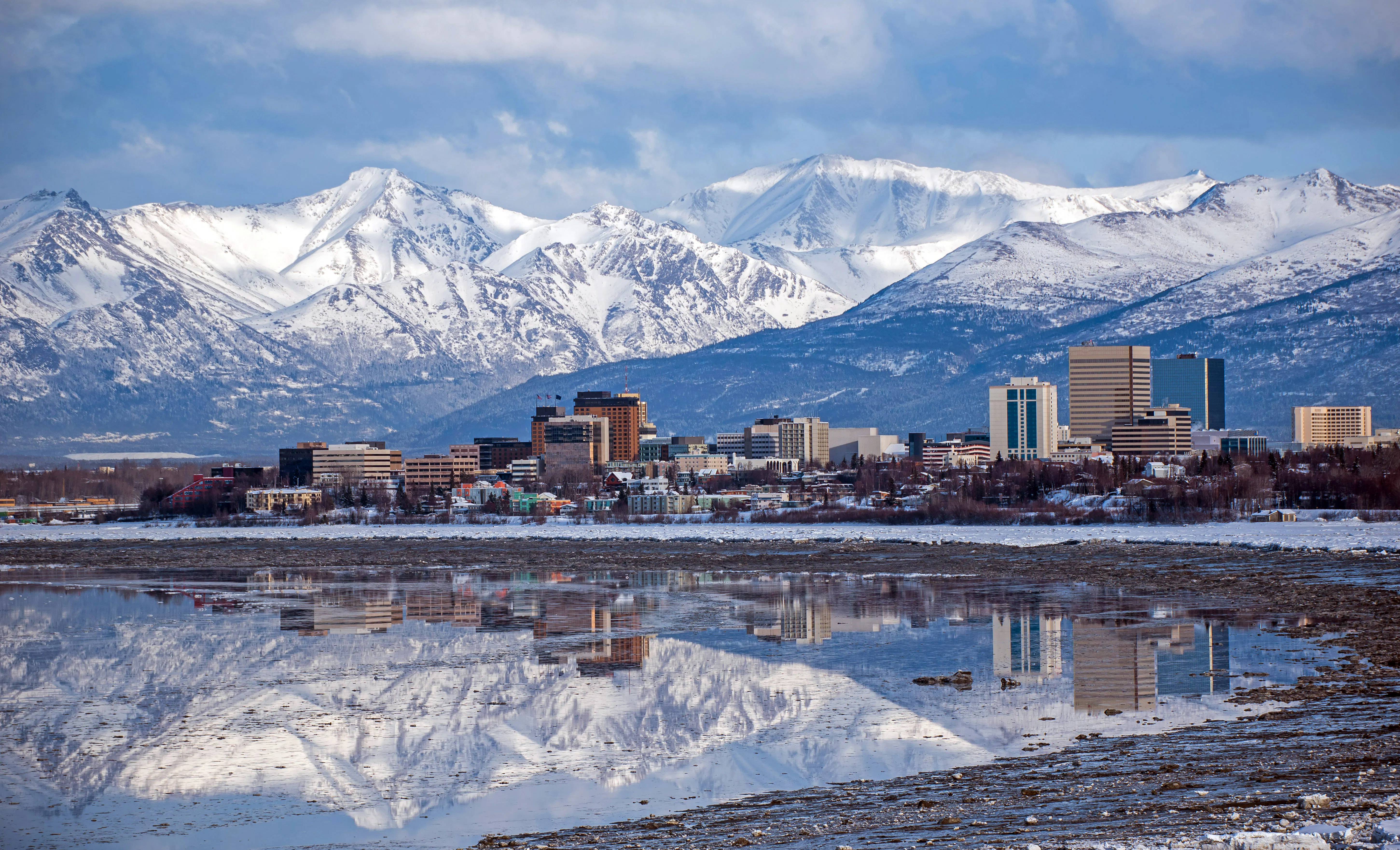
Abbott Loop is a family-oriented Anchorage suburb with strong school districts and trail networks. Consistent demand from relocations, medical travelers, and military families supports reliable cash flow.
6. Palmer
Market Score: 47.61
Average Annual Revenue: $30,544
Palmer’s agricultural roots and events like the Alaska State Fair draw tourists to the Mat-Su Valley. Lower acquisition costs offer favorable cash-on-cash returns for value-minded investors.
5. Downtown Anchorage
Market Score: 51.75
Average Annual Revenue: $36,250
Downtown Anchorage is the state’s commercial heart, serving corporate, convention, and leisure travelers. Walkability to eateries, museums, and the coastal trail underpins year-round occupancy.
4. Midtown Anchorage
Market Score: 75.25
Average Annual Revenue: $30,495
Midtown balances business parks, shopping centers, and medical facilities—creating steady weekday demand. Investors appreciate shorter vacancy gaps and a diverse traveler mix.

3. Fairbanks
Market Score: 85.24
Average Annual Revenue: $36,740
Fairbanks lures aurora hunters each winter and cruise excursionists in summer. The University of Alaska and Fort Wainwright add stable, off-peak demand, boosting the submarket’s strong Market Score.
2. U-Med District
Market Score: 85.44
Average Annual Revenue: $31,823
Anchorage’s U-Med District clusters hospitals, universities, and research centers, creating an evergreen pipeline of visiting professionals, students, and patients—ideal for mid-length STRs.
1. North Pole
Market Score: 93.45
Average Annual Revenue: $35,825
Famous for its year-round Christmas spirit and proximity to Eielson Air Force Base, North Pole tops Alaska’s list. Consistent military demand combines with winter aurora tourism and summer overflow from Fairbanks, driving an exceptional Market Score.
Should You Invest in Alaska?
For investors comfortable navigating pronounced seasonality and unique logistical challenges, Alaska offers compelling upside. Coastal gems like Seward and Juneau deliver premium nightly rates during short windows, while interior hubs such as Fairbanks and North Pole provide more balanced, year-round demand. Anchorage submarkets, particularly the U-Med District and Midtown, blend consistent business travel with tourism peaks—offering a lower-risk entry point.
Regulation remains relatively favorable statewide, though local municipalities periodically revisit zoning and permitting. Pairing seasonal pricing strategies with dynamic expense management is essential for success in Alaska’s STR arena. Overall, investors seeking portfolio diversification and a touch of adventure will find Alaska an exciting, data-backed opportunity.