Top 18 Airbnb Markets in Hawaii
Published: June 29, 2025
Hawaii’s lush landscapes, world-renowned beaches, and year-round warm weather continue to draw millions of visitors annually. From surf-centric North Shore towns to upscale resort corridors, the Aloha State offers a spectrum of short-term rental (STR) opportunities. Whether you’re eyeing high nightly rates, low competition, or consistent occupancy, these top-ranking Hawaiian markets stand out based on AirDNA’s proprietary data.
What Is AirDNA’s Market Score?
Market Score is a proprietary metric that ranks how attractive a location is for STR investment. Each score is calculated from five weighted factors:
- Investability
- Rental Demand
- Revenue Growth
- Seasonality
- Regulation
Scores range from 0 to 100, with higher scores indicating stronger overall market health. Each factor also has its own 0-100 sub-score inside the AirDNA platform, enabling investors to zero in on the metrics that matter most to them.

Understanding Markets vs. Submarkets
This list focuses on submarkets—smaller geographies such as individual towns, neighborhoods, or resort areas within larger islands. While big-picture island data is useful, zooming into these submarkets often reveals pockets of outsized performance that broad averages can hide.
- Markets: Larger, well-defined areas (e.g., entire islands or metro regions).
- Submarkets: More granular locations (e.g., resort zones, coastal villages, or upcountry towns).
Highlighting both helps investors discover hidden gems that might be overlooked when focusing solely on island-wide statistics.
Airbnb Market Overview in Hawaii
The Hawaiian STR landscape continues to evolve, shaped by shifting travel patterns, regulatory updates, and a growing preference for multi-generational and experiential stays. O‘ahu’s urban hubs remain magnets for international tourists, while neighbor-island resorts command some of the highest average daily rates (ADRs) in the United States. Meanwhile, Big Island and Kaua‘i submarkets are gaining ground with adventurous travelers seeking less-crowded escapes. Across all islands, strong occupancy and premium pricing potential keep Hawaii near the top of many investors’ wish lists—provided they navigate local regulations thoughtfully.

This is sample data – view real-time data in the AirDNA platform.
AirDNA's Market Score is updated on a monthly basis to reflect the previous month's data. This ranked list is updated annually. Explore the app to get the most current data.
Top 18 Airbnb Markets in Hawaii (Ranked by Market Score)
18. Kahana
Market Score: 76.52
Average Annual Revenue: $78,656
Nestled between Kapalua and Napili on Maui’s northwest coast, Kahana offers condo-style accommodations with oceanfront views at price points below neighboring luxury enclaves. Moderate competition and solid beachfront demand keep occupancy steady.
17. Keaau
Market Score: 82.47
Average Annual Revenue: $37,215
Located near Hilo on the Big Island’s east side, Keaau attracts volcano trekkers and eco-tourists. Affordable property prices offset lower ADRs, positioning it as an approachable entry point for first-time investors.
16. Kihea
Market Score: 83.53
Average Annual Revenue: $84,242
South Maui’s Kihea (often spelled Kihei) blends sunny beaches with a lively dining scene. Lower inventory growth relative to demand helps sustain healthy occupancy and above-average nightly rates.
15. Princeville
Market Score: 84.94
Average Annual Revenue: $96,780
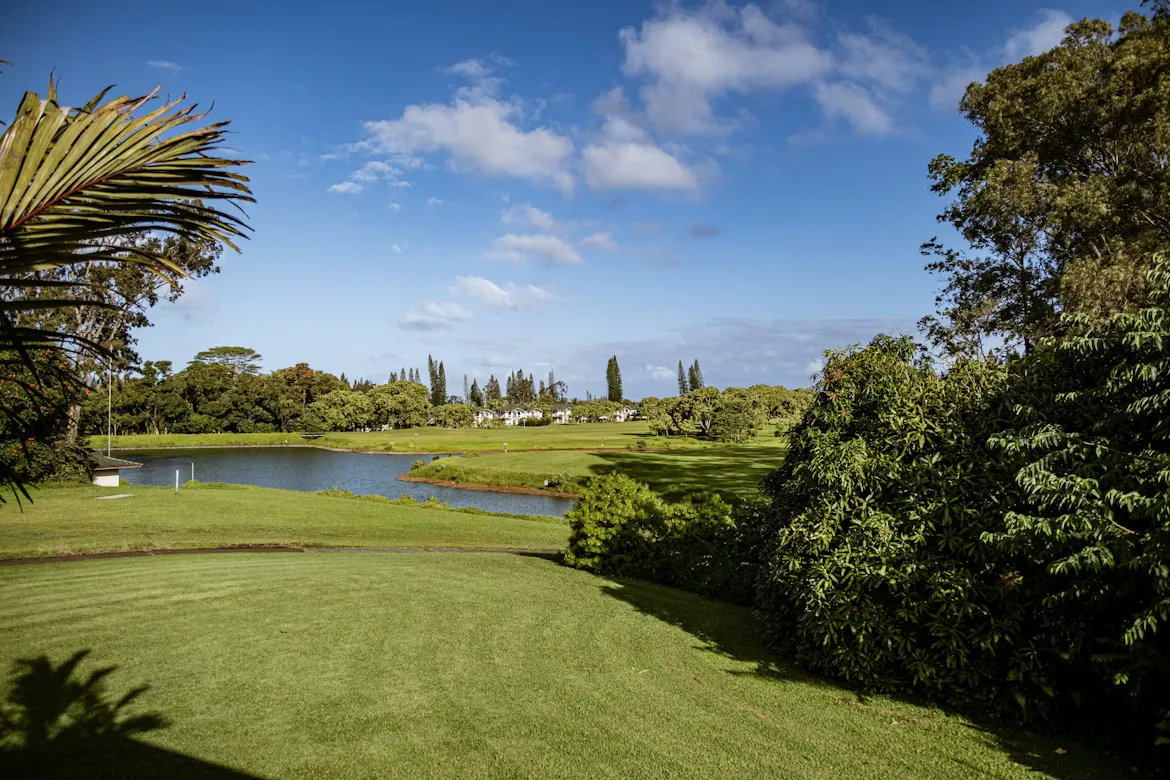
Sitting atop Kaua‘i’s dramatic North Shore cliffs, Princeville caters to upscale travelers seeking resort amenities and stunning vistas. Luxury villas and golf-adjacent condos generate strong ADRs, though weather seasonality can affect winter bookings.
14. Wailea
Market Score: 85.40
Average Annual Revenue: $90,696
Home to some of Maui’s most exclusive resorts and beaches, Wailea boasts sky-high nightly rates. While property acquisition costs are significant, consistent luxury demand and limited STR inventory underpin robust revenue potential.
13. Hilo
Market Score: 85.91
Average Annual Revenue: $43,273
As the Big Island’s largest town, Hilo draws visitors with its nearby waterfalls, farmers markets, and proximity to Hawai‘i Volcanoes National Park. Lower prices and year-round demand make it a favorite among value-oriented travelers.
12. Pahoa
Market Score: 86.23
Average Annual Revenue: $31,595
Quirky Pahoa offers a bohemian vibe, geothermal hot ponds, and lava-field scenery. Investors can capitalize on unique stays—think jungle lodges and tiny homes—appealing to adventure seekers at budget-friendly rates.

11. Kailua Kona
Market Score: 90.71
Average Annual Revenue: $89,591
The sunny Kona Coast is famed for coffee farms, snorkeling, and year-round sunshine. Strong airline connectivity and cruise traffic bolster occupancy, while a mix of condos and single-family homes provides diverse investment options.
10. Lihue
Market Score: 91.15
Average Annual Revenue: $83,821
Lihue, Kaua‘i’s main transport hub, benefits from steady business and leisure travel tied to the island’s only commercial airport. Mid-range nightly rates and consistent occupancy help smooth out seasonality.
9. Kihei
Market Score: 93.49
Average Annual Revenue: $160,251
With miles of swimmable beaches and quick access to Wailea’s luxury offerings, Kihei remains one of Maui’s heavyweight STR performers, pairing high ADRs with strong, diversified demand.
8. Ma'alaea
Market Score: 93.84
Average Annual Revenue: $89,898
Halfway between Lahaina and Kihei, Ma'alaea Harbor is a gateway to snorkeling tours and whale-watching excursions. Limited inventory and central island access drive reliable bookings.
7. Kapaa
Market Score: 95.22
Average Annual Revenue: $95,125
Kapaa offers Kaua‘i visitors a laid-back coastal town with boutique shops and the scenic Ke Ala Hele Makalae bike path. Moderate home prices relative to North Shore resorts improve cash-on-cash potential.

6. Waikoloa
Market Score: 95.76
Average Annual Revenue: $133,362
The Kohala Coast’s master-planned Waikoloa resort community features golf courses, shopping, and sun-drenched beaches. High ADRs and consistent demand from mainland travelers push revenues well above state averages.
5. Kaanapali
Market Score: 97.25
Average Annual Revenue: $148,076
Maui’s original resort destination continues to command premium pricing thanks to its famed beach, boardwalk, and proximity to Lahaina. Inventory caps and brand-name resorts limit competition, benefiting existing hosts.
4. Waikiki
Market Score: 97.28
Average Annual Revenue: $64,193
O'ahu’s iconic urban beachfront combines skyscraper condos with a bustling nightlife and retail scene. While regulatory scrutiny is high, well-located, compliant units enjoy nonstop global demand.
3. Kahuku
Market Score: 98.27
Average Annual Revenue: $149,895
Home to Turtle Bay Resort on O‘ahu’s North Shore, Kahuku benefits from world-class surf events and laid-back countryside vibes. Limited supply and year-round event calendars drive high ADRs and occupancy.
2. Koloa
Market Score: 99.37
Average Annual Revenue: $153,072
Anchoring Kaua‘i’s sunny South Shore, Koloa and Poipu lure beach lovers seeking consistent weather and upscale amenities. Strong international and domestic airlift plus tight inventory support stellar revenues.

1. Kapolei
Market Score: 99.41
Average Annual Revenue: $134,908
Often dubbed O‘ahu’s “Second City,” Kapolei has exploded with new resorts (including Disney’s Aulani) and retail infrastructure. Family-friendly attractions, proximity to Ko Olina, and expanding airline routes position Kapolei as Hawaii’s top-ranked STR submarket.
Should You Invest in Hawaii?
Hawaii’s enduring tourism appeal, premium ADRs, and diversified demand streams make it a bucket-list market for many STR investors. Coastal hotspots like Kaanapali, Kapolei, and Koloa command world-leading nightly rates, while up-and-coming areas such as Keaau and Pahoa offer lower buy-in costs and lifestyle upside.
However, local regulations can be stringent and vary by county, so due diligence is paramount. Investors willing to navigate permitting requirements and higher operating costs are often rewarded with industry-leading revenues and strong appreciation potential.
For those aiming to balance risk and reward, a diversified Hawaiian portfolio—pairing luxury resort zones with emerging Big Island or Kaua‘i submarkets—can deliver both resilience and robust cash flow in one of the most sought-after vacation regions on the planet.