Top 13 Airbnb Markets in Kansas
Published: July 1, 2025
Kansas may be best known for its endless prairies and agricultural roots, but the Sunflower State also hosts a surprising diversity of short-term rental (STR) opportunities. From college towns and historic railroad stops to emerging micromarkets along major interstates, Kansas offers investors a range of price points and guest profiles. Below, we rank the state’s 13 highest-scoring Airbnb markets using AirDNA’s proprietary Market Score.
What Is AirDNA’s Market Score?
Market Score is a proprietary metric that ranks how attractive a location is for short-term rental investment. Each score is calculated based on the following five metrics:
- Investability
- Rental Demand
- Revenue Growth
- Seasonality
- Regulation
Scores range from 0 to 100, with higher scores indicating stronger overall market health. In addition to an overall Market Score, each of the five metrics gets its own score on the same scale within the AirDNA app. This level of granularity is useful for Airbnb stakeholders interested in a particular aspect of market behavior.
Understanding Markets vs. Submarkets
This list features only submarkets—smaller cities or towns that sit within broader metro areas or rural counties. While Kansas’ biggest metros (like Kansas City, KS) often steal the spotlight, many of the state’s best STR returns come from these overlooked locations.
- Markets refer to well-defined, often larger geographic areas such as major cities or metropolitan regions.
- Submarkets are more granular locations—smaller cities, towns, or lake communities within those larger regions.
Focusing on submarkets lets investors uncover high-performing pockets that may be missed when analyzing only statewide or metro-level data.
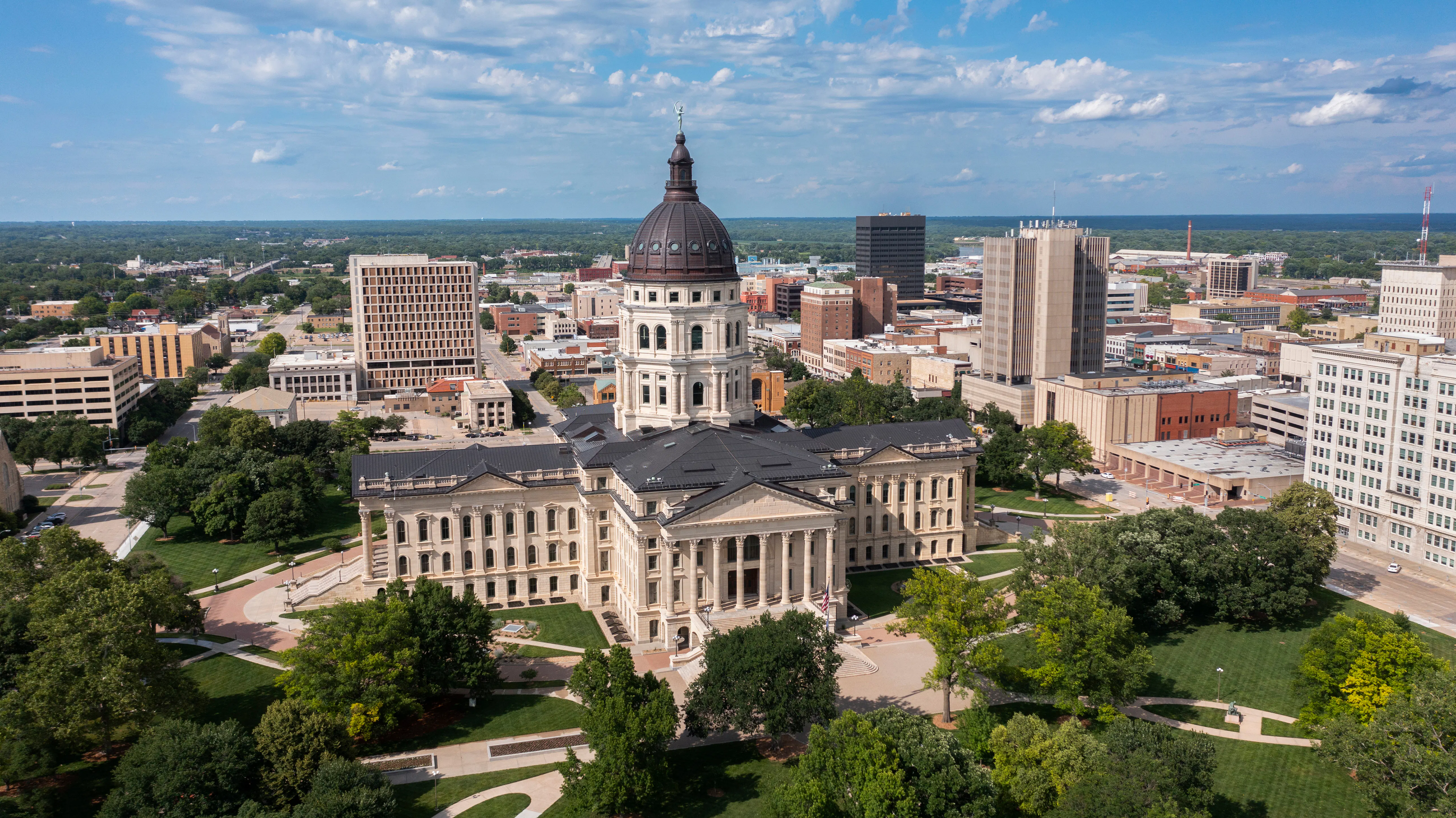
Airbnb Market Overview in Kansas
Kansas’ STR landscape is driven by a mix of college tourism, healthcare and business travel, historic attractions, and outdoor recreation. Interstate corridors like I-70 and I-35 funnel a steady stream of overnight guests, while events—from state fairs in Hutchinson to Division I sporting events in Lawrence—create lucrative peaks in demand. Affordable real estate and relatively light regulation further boost the state’s investability compared with many coastal counterparts.
This is sample data – view real-time data in the AirDNA platform.
AirDNA's Market Score is updated on a monthly basis to reflect the previous month's data. This ranked list is updated annually. Explore the app to get the most current data.
Top 13 Airbnb Markets in Kansas (Ranked by Market Score)
13. Newton
Market Score: 66.49
Average Annual Revenue: $28,011
Located just north of Wichita, Newton is a railroad town turned bedroom community with easy I-135 access. Its appeal lies in affordable housing, historic downtown architecture, and proximity to both Wichita’s airport and the scenic Flint Hills.
12. Pratt
Market Score: 68.08
Average Annual Revenue: $13,117
Pratt serves as a regional hub for hunters, anglers, and travelers traversing U.S. Route 54. Low property costs and limited competition make it an intriguing choice for value-minded investors.
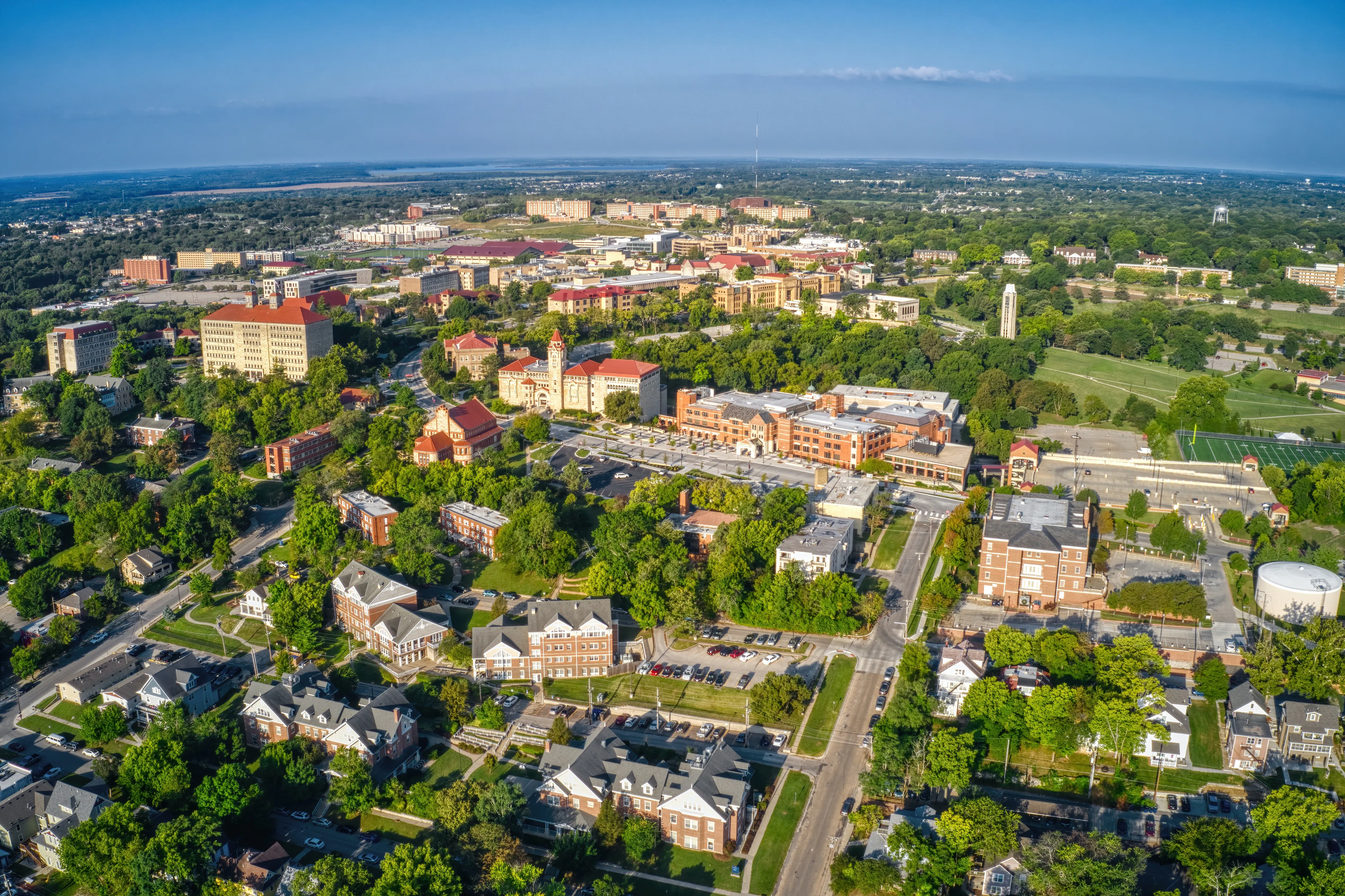
11. Lawrence
Market Score: 74.52
Average Annual Revenue: $30,949
Home to the University of Kansas, Lawrence draws year-round demand from collegiate sports, academic conferences, and a vibrant downtown music scene. High ADRs during basketball season bolster annual revenue potential.
10. McPherson
Market Score: 75.43
Average Annual Revenue: $25,443
Nestled between Wichita and Salina, McPherson benefits from manufacturing-driven business travel and a picturesque small-town vibe. Its limited STR saturation creates a favorable supply-and-demand balance.
9. Salina
Market Score: 82.70
Average Annual Revenue: $21,659
Sitting at the crossroads of I-70 and I-135, Salina captures interstate traffic alongside concerts, fairs, and sporting events. Investors enjoy dependable occupancy and mid-range nightly rates.
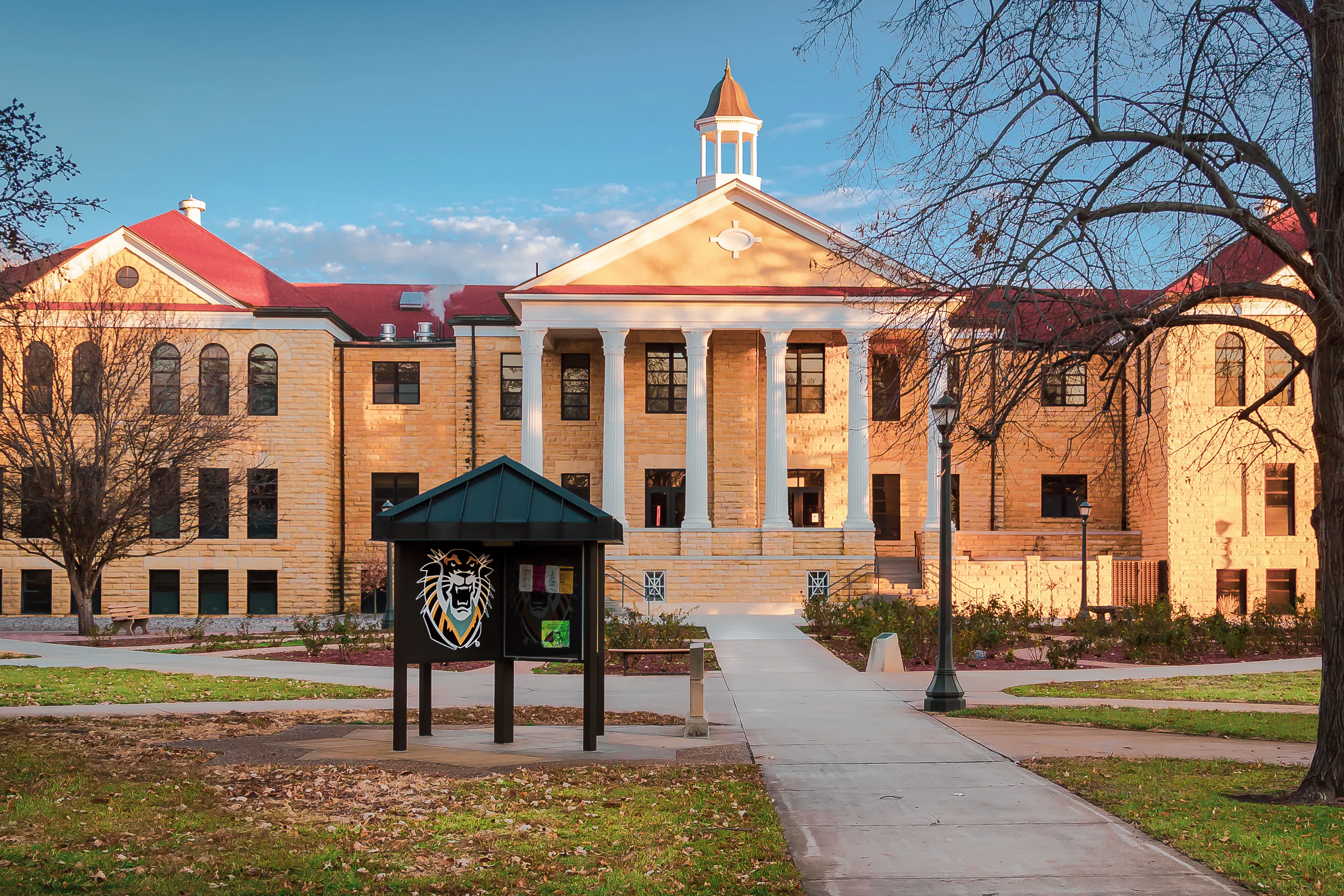
8. Hays
Market Score: 84.38
Average Annual Revenue: $18,611
A college town on the High Plains, Hays hosts Fort Hays State University, regional hospitals, and annual Oktoberfest celebrations. Consistent demand offsets modest seasonality.
7. Hutchinson
Market Score: 90.97
Average Annual Revenue: $19,097
Known for the Kansas State Fair and the Cosmosphere space museum, Hutchinson attracts both family vacationers and event-based travelers. STR inventory remains low relative to visitor numbers, supporting strong occupancy.
6. Abilene
Market Score: 95.32
Average Annual Revenue: $18,160
The childhood home of President Eisenhower, Abilene leverages historic tourism and railroad heritage to maintain steady guest traffic. Affordable single-family homes translate into attractive cash-on-cash returns.

5. Wichita
Market Score: 95.86
Average Annual Revenue: $23,444
Kansas’ largest city pairs aerospace industry travel with a growing food-and-arts scene. Year-round business demand helps smooth seasonality, and diverse neighborhoods offer multiple entry price points for investors.
4. Coffeyville
Market Score: 98.70
Average Annual Revenue: $2,071
Coffeyville’s tiny STR inventory exaggerates its low average revenue, yet its near-perfect Market Score reflects high occupancy and minimal competition. Investors with creative property strategies can capture underserved demand from regional industry and nearby casinos.
3. Topeka
Market Score: 99.14
Average Annual Revenue: $24,298
As the state capital, Topeka benefits from government travel, healthcare facilities, and local universities. Stable year-round bookings make it one of Kansas’ most balanced STR environments.
2. Chanute
Market Score: 99.47
Average Annual Revenue: $23,390
Positioned along U.S. Route 169, Chanute is an emerging micromarket driven by regional manufacturing plants and outdoor recreation at nearby state parks. Limited lodging options boost ADR potential.
1. Iola
Market Score: 99.68
Average Annual Revenue: $21,528
Iola tops the list thanks to extremely low STR saturation and solid demand from travelers exploring the Prairie Spirit Rail Trail and other outdoor amenities. Its affordability and high occupancy rates provide an exceptional entry point for first-time hosts.
Should You Invest in Kansas?
For STR investors looking beyond headline metros, Kansas offers compelling fundamentals: low acquisition costs, diverse demand drivers, and a generally favorable regulatory climate. College towns like Lawrence deliver premium nightly rates tied to sports and graduation weekends, while submarkets such as Iola and Chanute provide blue-ocean opportunities with little competition.
Investors who prioritize cash-flow stability over high seasonality will appreciate markets like Topeka and Wichita, where government and business travel keep occupancy elevated year-round. Meanwhile, niche destinations such as Hutchinson and Abilene showcase how historic attractions and annual events can generate outsized returns in smaller communities.
Ultimately, Kansas’ mix of affordability, demand diversity, and regulatory friendliness makes it a state worthy of serious consideration for both new and seasoned STR operators.