Top 11 Airbnb Markets in Massachusetts
Published: July 4, 2025
Massachusetts packs an impressive variety of short-term rental (STR) opportunities into a relatively small geographic footprint. From historic mill cities to quintessential New England villages and year-round mountain escapes, the Bay State caters to business travelers, college visitors, outdoor adventurers, and culture seekers alike. Using AirDNA’s proprietary data, we’ve ranked the state’s best-performing STR markets to help investors spot both headline-grabbing metros and under-the-radar submarkets.
What Is AirDNA’s Market Score?
Market Score is a proprietary metric that ranks how attractive a location is for short-term rental investment. Each score is calculated based on the following five metrics:
- Investability
- Rental Demand
- Revenue Growth
- Seasonality
- Regulation
Scores range from 0 to 100, with higher scores indicating stronger overall market health. In addition to an overall Market Score, each of the five metrics gets its own score on the same scale within the AirDNA app—handy for investors prioritizing a specific aspect of market performance.

Understanding Markets vs. Submarkets
This list features a mix of markets and submarkets, defined as:
- Markets are larger, well-defined areas such as cities or metro regions.
- Submarkets are more granular locations—think small towns, specific neighborhoods, or recreational communities.
Analyzing both levels can uncover hidden gems that might be overlooked when focusing only on statewide or metro data.
Airbnb Market Overview in Massachusetts
Massachusetts’ STR landscape is as diverse as its terrain. Boston casts a long economic shadow, but regional hubs like Worcester and Springfield drive steady year-round demand. Western Massachusetts, home to the Berkshires and the Five College area, excels in foliage season and cultural tourism, while smaller rural towns deliver affordability and low competition. Whether you’re pursuing high nightly rates near ski mountains or consistent college-driven bookings, the Commonwealth offers something for every investment style.
This is sample data – view real-time data in the AirDNA platform.
AirDNA's Market Score is updated on a monthly basis to reflect the previous month's data. This ranked list is updated annually. Explore the app to get the most current data.
Top 11 Airbnb Markets in Massachusetts (Ranked by Market Score)
11. Palmer
Market Score: 29.02
Average Annual Revenue: $27,139
Palmer, known as “The Town of Seven Railroads,” sits at the crossroads of major highways and train lines in Central Massachusetts. While its Market Score is modest, low property prices and convenient access to Worcester and Springfield create a solid value play for investors targeting budget-minded travelers.
10. Springfield
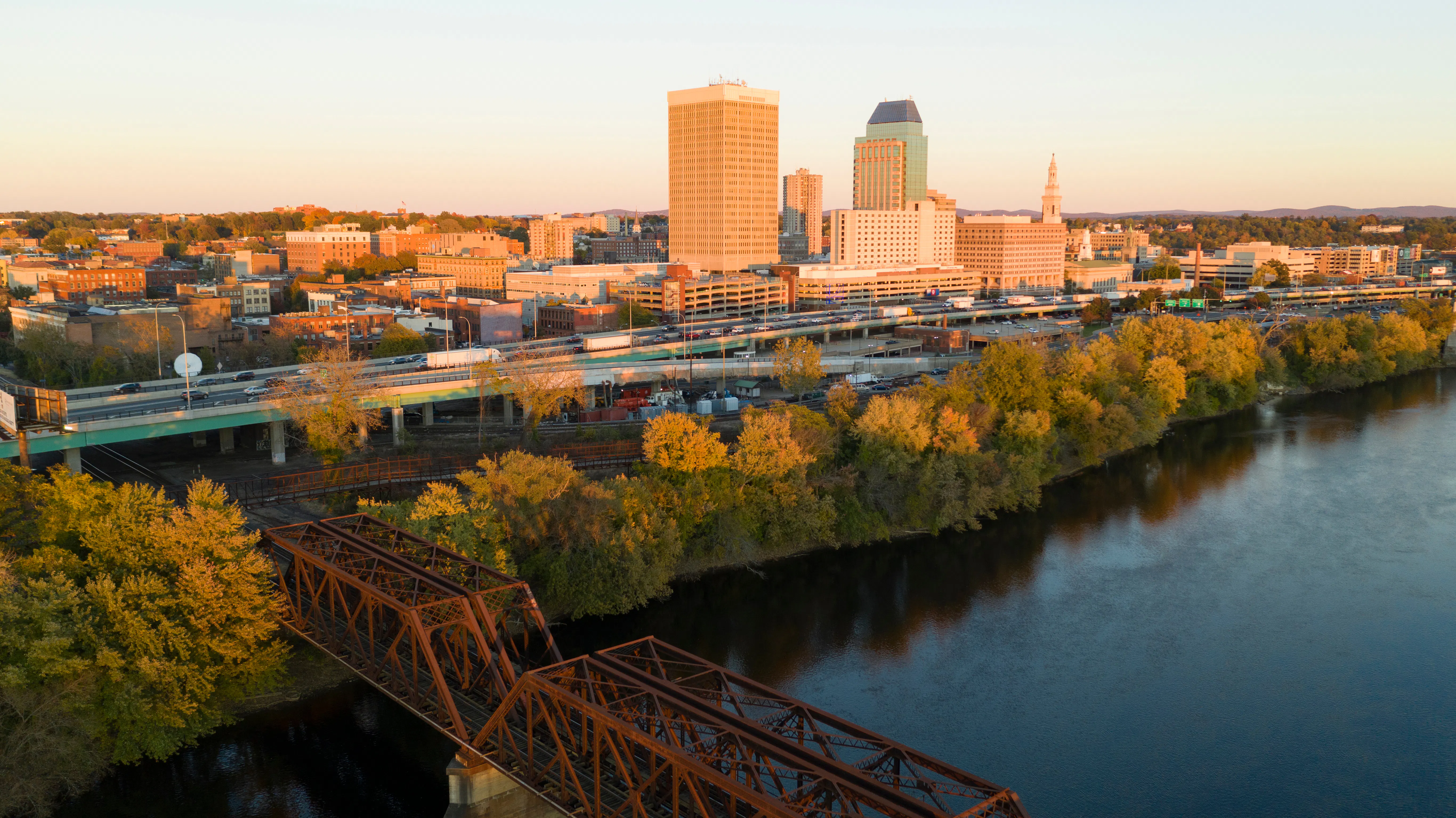
Market Score: 34.56
Average Annual Revenue: $25,682
The birthplace of basketball and home to MGM Springfield, the city attracts thousands for conventions, sports tournaments, and business travel. Despite regulatory conversations, dependable hospital and corporate demand supports year-round occupancy.
9. The Berkshire Mtns
Market Score: 35.99
Average Annual Revenue: $46,258
The Berkshires are synonymous with foliage drives, Tanglewood concerts, and four-season outdoor recreation. High nightly rates offset elevated acquisition costs, but stricter permitting in certain towns underscores the need for due diligence.
8. South Hadley
Market Score: 41.89
Average Annual Revenue: $38,124
Home to Mount Holyoke College, South Hadley benefits from steady academic-year bookings, family visits, and Pioneer Valley tourism. Limited hotel stock and charming village centers give STRs an edge.
7. Hadley
Market Score: 48.18
Average Annual Revenue: $50,934
Nestled between Amherst and Northampton, Hadley offers proximity to five major colleges and a robust retail corridor. Its surprisingly high revenue potential reflects seasonal spikes around campus events and fall foliage.
6. Cummington
Market Score: 50.41
Average Annual Revenue: $40,107
This rural hill-town delivers classic New England scenery, farm stays, and easy access to hiking trails. Low STR saturation plus affordable homes present an attractive entry point for investors seeking countryside retreats.
5. Shelburne
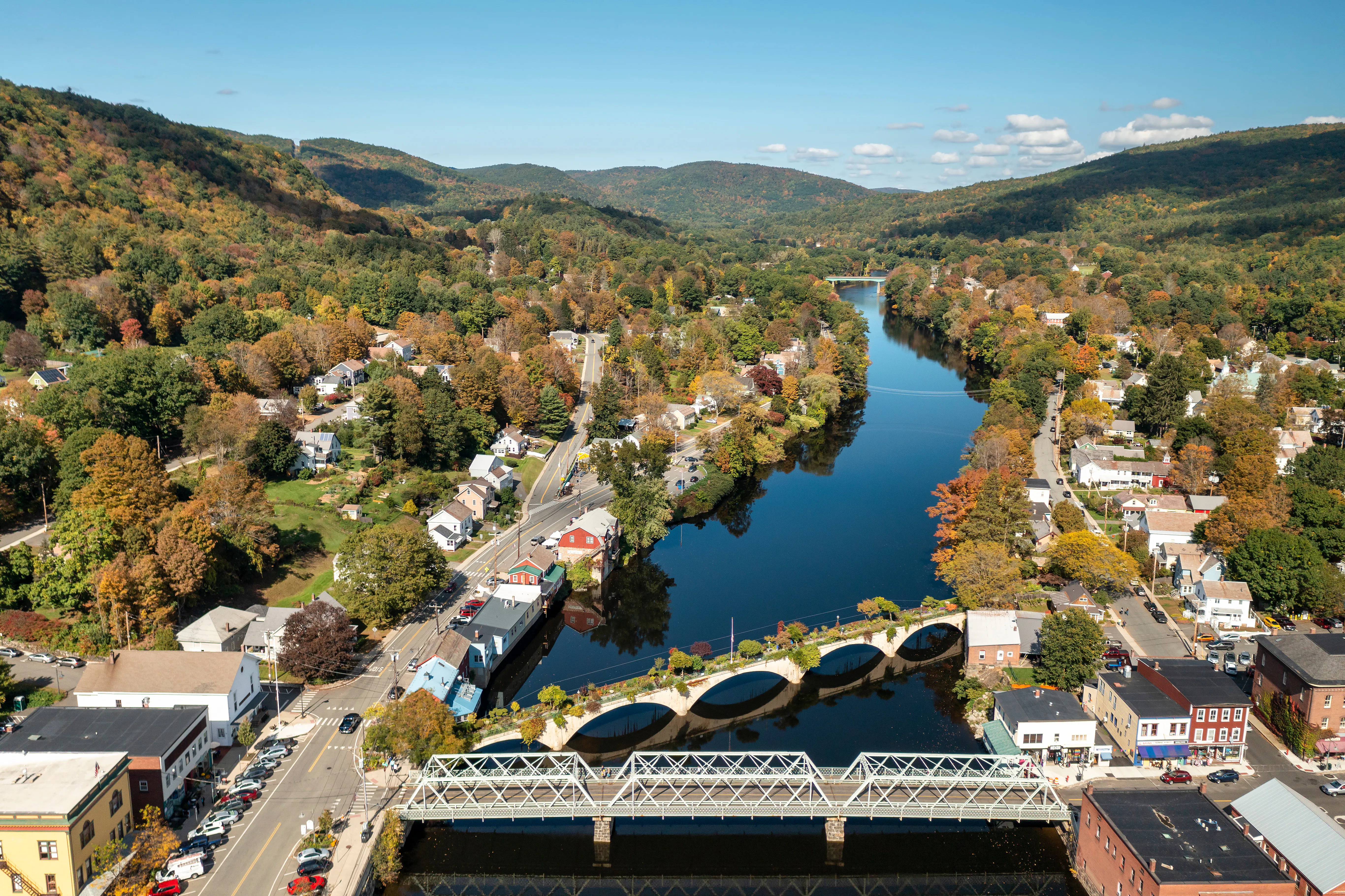
Market Score: 65.19
Average Annual Revenue: $36,038
Overlooking the Deerfield River, historic Shelburne Falls charms visitors with artisan shops and the famous Bridge of Flowers. Its blend of outdoor activities and small-town appeal drives healthy weekend demand.
4. Worcester
Market Score: 75.36
Average Annual Revenue: $32,307
Massachusetts’ second-largest city boasts a growing biotech scene, universities, and the new Polar Park baseball stadium. Year-round events and business travel create stable occupancy, while prices remain lower than Boston’s.
3. Fitchburg
Market Score: 88.88
Average Annual Revenue: $15,957
Fitchburg balances commuter access to Boston with its own attractions, including Fitchburg State University and nearby Wachusett Mountain. Lower purchase prices help offset more modest ADRs, resulting in competitive cash-on-cash returns.
2. Northampton
Market Score: 89.13
Average Annual Revenue: $38,884
A cultural hotspot famed for live music, farm-to-table dining, and Smith College, Northampton commands higher nightly rates and benefits from robust tourist demand across all seasons.
1. Easthampton
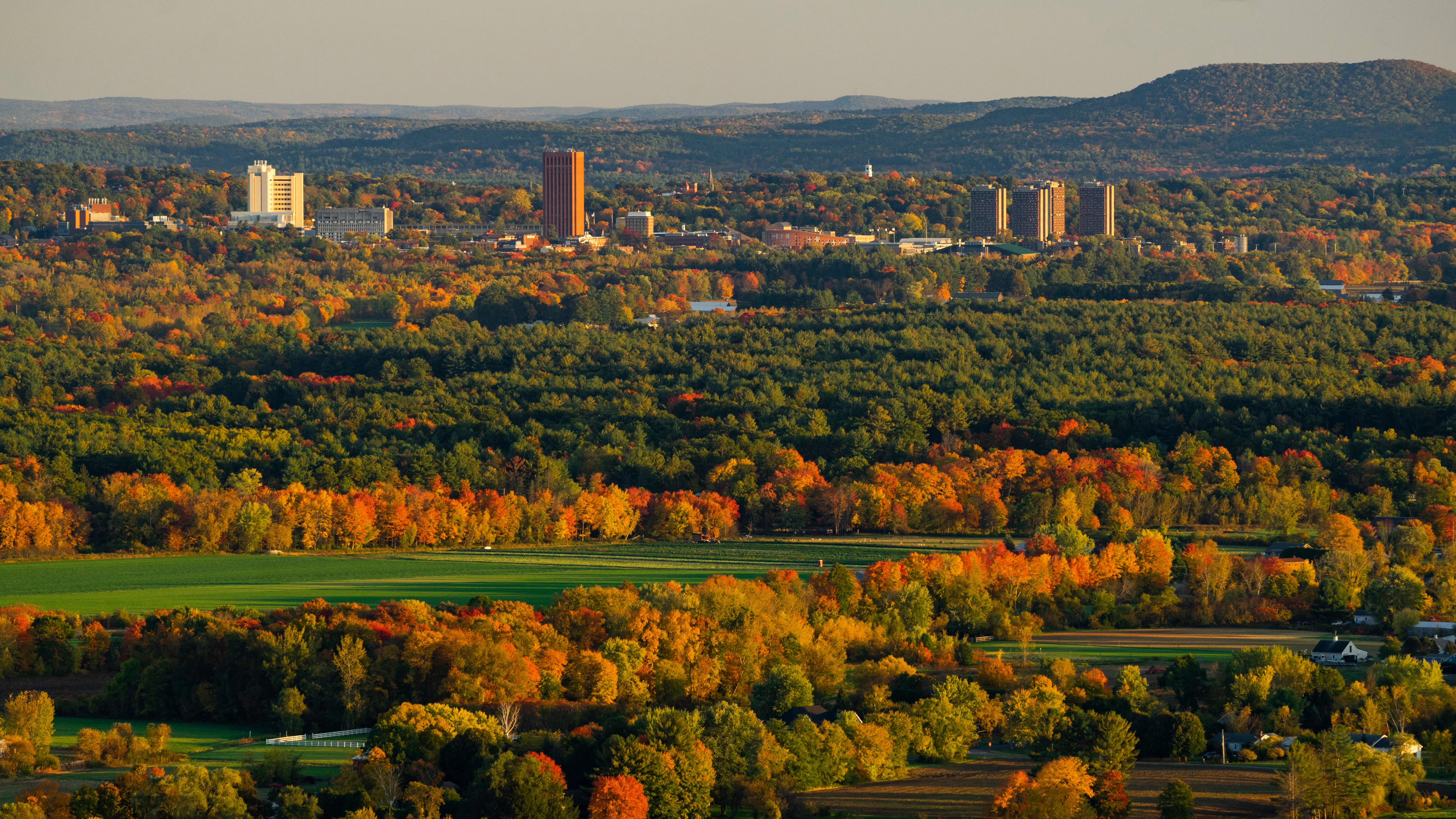
Market Score: 97.63
Average Annual Revenue: $37,499
Just south of Northampton, Easthampton tops the list thanks to a thriving arts scene, brewery trail, and proximity to the entire Five College region. Limited hotel inventory, supportive local culture, and strong occupancy culminate in the state’s highest Market Score.
Should You Invest in Massachusetts?
The Bay State’s mix of world-class universities, thriving regional cities, and four-season recreation produces consistent STR demand despite relatively high property values in some areas. Investors seeking:
- Year-round bookings can look to college-anchored submarkets like Easthampton, Northampton, and Hadley.
- Seasonal rate spikes might target the Berkshires, Shelburne, or Cummington for foliage and ski traffic.
- Urban stability will find Worcester and Springfield appealing for business and medical travel.
While certain municipalities have introduced stricter STR regulations—Boston being the most notable—many Western and Central Massachusetts towns remain comparatively friendly. Coupled with strong tourism fundamentals, the Commonwealth stands out as a balanced, diversified environment for short-term rental investment.