Top 19 Airbnb Markets in Montana
Published: July 9, 2025
Montana’s wide-open spaces, national parks, and authentic Western towns keep travelers coming back year after year—making the Treasure State a compelling option for short-term rental (STR) investors. From glacier-fed lakes and ski resorts to university hubs and classic Main Streets, Montana’s diversity means there’s likely a market that fits nearly every investment profile.
What Is AirDNA’s Market Score?
Market Score is a proprietary metric that ranks how attractive a location is for short-term rental (STR) investment. Each score is calculated based on the following five metrics:
- Investability
- Rental Demand
- Revenue Growth
- Seasonality
- Regulation
Scores range from 0 to 100, with higher scores indicating stronger overall market health. In addition to an overall Market Score, each of the five metrics gets its own score on the same scale within the AirDNA app. This level of granularity is useful for Airbnb stakeholders interested in a particular aspect of market behavior.

Understanding Markets vs. Submarkets
This list includes a mix of the largest markets and submarkets, which are defined as:
- Markets refer to well-defined, often larger geographic areas like cities or metro regions.
- Submarkets are more granular locations, such as smaller towns, neighborhoods, or resort communities within those larger regions.
Including both allows investors to spot opportunities that may be overlooked when focusing solely on large-scale market data. A market with a mediocre score might contain submarkets with excellent performance.
Airbnb Market Overview in Montana
Montana’s STR scene is evolving rapidly. Iconic destinations such as Yellowstone and Glacier National Parks continue to post strong nightly rates and seasonal spikes, but less-traveled small towns are gaining momentum thanks to remote work trends and road-trip tourism. The state’s relatively low population density, abundant outdoor recreation, and increasing airlift into cities like Bozeman and Missoula create fertile ground for both seasoned hosts and first-time investors. Whether you’re chasing summer lake crowds, winter ski traffic, or year-round business travel, Montana offers a surprising variety of markets to explore.
This is sample data – view real-time data in the AirDNA platform.
AirDNA's Market Score is updated on a monthly basis to reflect the previous month's data. This ranked list is updated annually. Explore the app to get the most current data.
Top 19 Airbnb Markets in Montana (Ranked by Market Score)

19. Red Lodge
Market Score: 5.80
Average Annual Revenue: $40,168
Red Lodge serves as a gateway to the Beartooth Highway and attracts skiers heading to Red Lodge Mountain in winter. Despite its low Market Score, high ADRs during peak seasons offer upside for investors willing to navigate shoulder-season volatility.
18. Missoula
Market Score: 7.21
Average Annual Revenue: $36,966
Home to the University of Montana, Missoula benefits from year-round events, collegiate sports, and a thriving downtown. Competition is mounting, but steady demand from students, parents, and outdoor enthusiasts keeps occupancy strong.
17. Seeley Lake
Market Score: 12.71
Average Annual Revenue: $28,992
Seeley Lake is a picturesque lake community popular for boating, fishing, and snowmobiling. Limited housing stock creates scarcity, enabling hosts to capture premium rates during summer and winter high seasons.
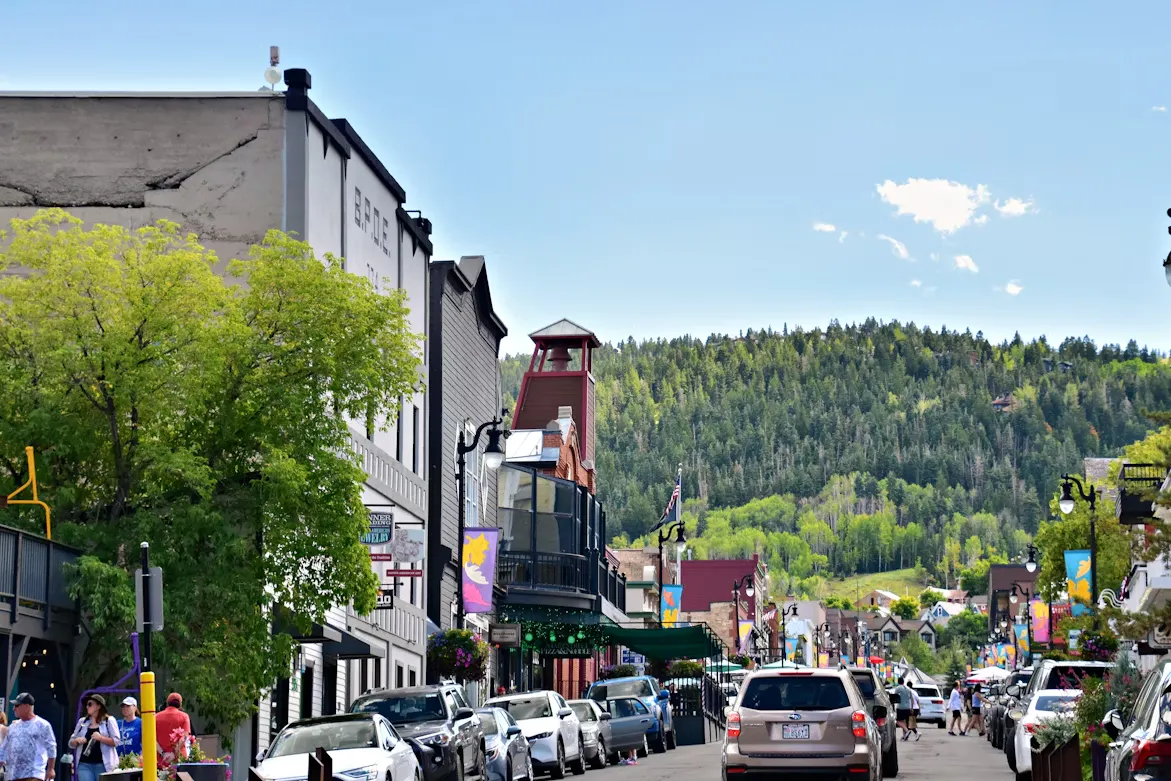
16. Philipsburg
Market Score: 14.28
Average Annual Revenue: $32,967
Once a thriving mining town, Philipsburg now leans on its historic charm and proximity to Discovery Ski Area. Though its Market Score is low, a niche audience of gem hunters and outdoor adventurers offers steady bookings.
15. Clark Fork Valley
Market Score: 24.10
Average Annual Revenue: $23,194
Stretching along the Clark Fork River, this valley offers rafting, fly-fishing, and tranquil forest cabins. Investors seeking low property costs and rustic getaways can capitalize on shoulder-season solitude.
14. Dillon
Market Score: 26.54
Average Annual Revenue: $22,182
Dillon is a classic ranch town known for fishing on the Beaverhead River and hosting the University of Montana Western. Consistent demand from anglers and visiting families provides reliable weekend bookings.
13. Libby
Market Score: 26.79
Average Annual Revenue: $26,734
Surrounded by the Cabinet Mountains and Kootenai River, Libby is ideal for outdoor lovers seeking seclusion. Low inventory keeps competition at bay, but seasonality requires careful pricing strategy.
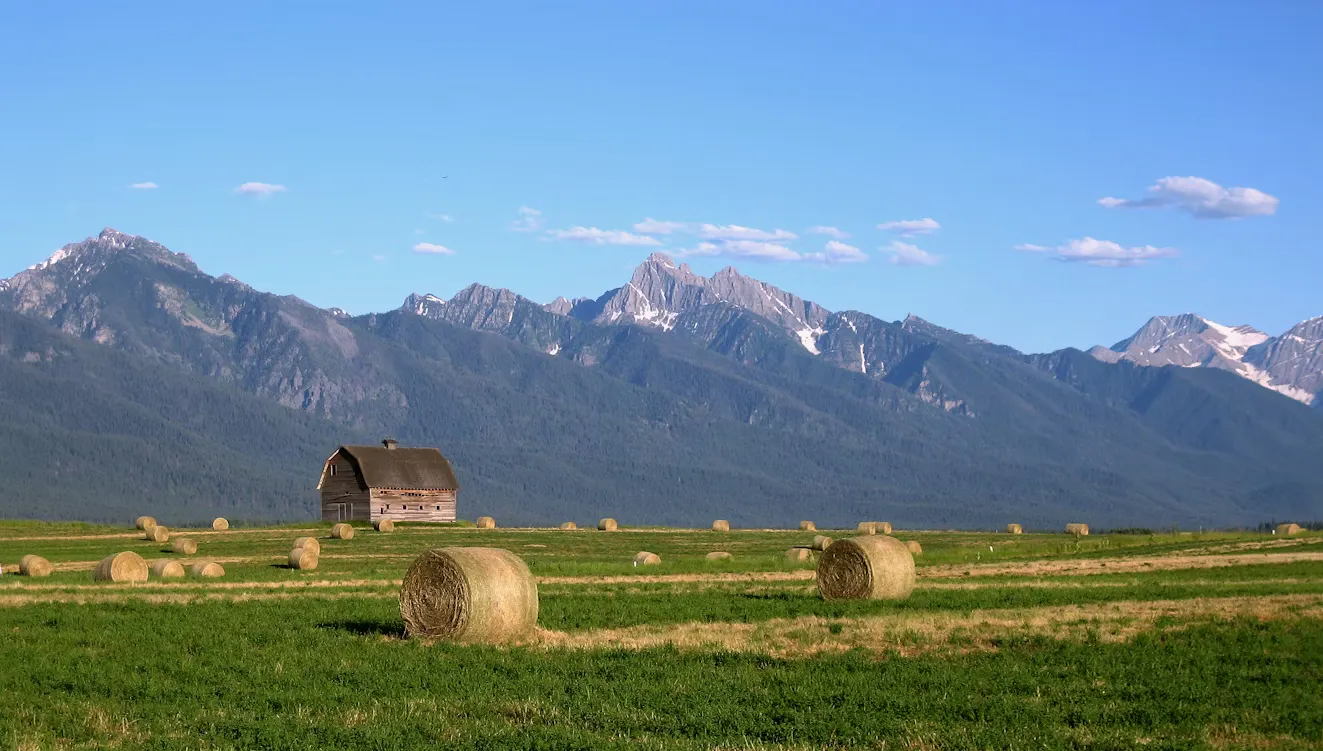
12. Flathead Valley / Glacier National Park
Market Score: 26.91
Average Annual Revenue: $49,812
Serving as a major base for Glacier National Park, Flathead Valley commands some of the highest ADRs in the state. Stringent regulations and a concentrated peak season suppress its overall Market Score, yet high nightly rates can deliver compelling returns.
11. Bozeman / Yellowstone National Park
Market Score: 39.71
Average Annual Revenue: $74,075
Bozeman is Montana’s fastest-growing city and a primary gateway to Yellowstone. High home prices and increased regulation dampen its Market Score, but exceptional ADRs and year-round tourism keep revenue potential sky-high.
10. Anaconda
Market Score: 42.42
Average Annual Revenue: $30,431
Anaconda, near Georgetown Lake and Discovery Ski Area, attracts skiers and summer lake crowds alike. Lower housing costs and a growing reputation for outdoor recreation make it a budget-friendly entry point.
9. Hamilton
Market Score: 49.88
Average Annual Revenue: $34,247
Nestled in the Bitterroot Valley, Hamilton offers year-round recreation, from fly-fishing to backcountry skiing. Limited supply of STRs positions early entrants for healthy occupancy rates.
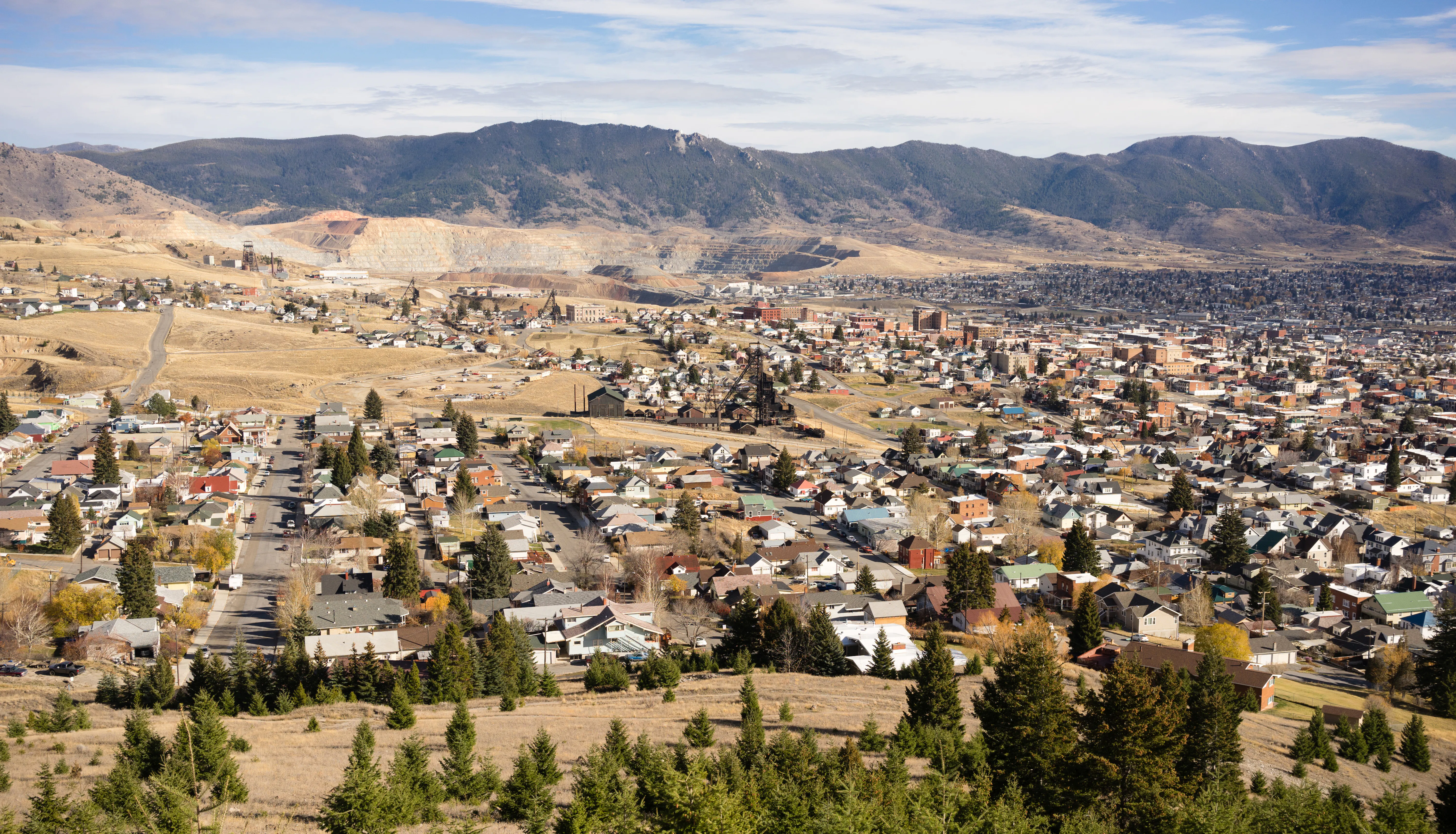
8. Butte
Market Score: 55.95
Average Annual Revenue: $21,830
Butte’s rich mining history and annual events like Evel Knievel Days draw a steady stream of cultural tourists. Affordable real estate and a central location on I-90 add to its investor appeal.
7. Superior
Market Score: 62.10
Average Annual Revenue: $39,940
Superior sits along the Clark Fork River and I-90, making it a convenient stopover for road-trippers. High ADRs relative to home prices help offset its modest population size.
6. Billings
Market Score: 66.00
Average Annual Revenue: $27,687
As Montana’s largest city and a regional medical hub, Billings benefits from steady business and healthcare travel. Year-round demand and diverse visitor profiles contribute to predictable cash flow.
5. Stevensville
Market Score: 69.32
Average Annual Revenue: $30,170
Stevensville, Montana’s oldest town, charms guests with its historic district and proximity to the Bitterroot River. Low saturation and abundant outdoor activities create room for revenue growth.
4. Great Falls
Market Score: 70.82
Average Annual Revenue: $28,839
Great Falls hosts Malmstrom Air Force Base and a variety of regional events, generating consistent weekday and weekend demand. Reasonable property prices help amplify cash-on-cash returns.
3. Miles City
Market Score: 75.31
Average Annual Revenue: $21,678
Miles City is famous for its Bucking Horse Sale and authentic cowboy heritage. Limited competition and event-driven spikes in occupancy can translate into attractive annual yields for well-timed listings.

2. Helena
Market Score: 76.89
Average Annual Revenue: $37,542
Montana’s state capital blends government travel with outdoor recreation on nearby Canyon Ferry Lake. Its balanced visitor mix and growing downtown scene support solid, year-round booking momentum.
1. Lewistown
Market Score: 84.47
Average Annual Revenue: $25,625
Lewistown tops our list thanks to its central location, frontier charm, and low STR saturation. Hunters, anglers, and road-trippers flock here for unfettered access to five nearby mountain ranges—making it Montana’s most well-rounded opportunity for STR investors.
Should You Invest in Montana?
Montana’s short-term rental ecosystem is diverse, offering everything from world-class national park gateways to sparsely populated prairie towns. Investors aiming for high nightly rates typically gravitate toward Bozeman, Flathead Valley, or Red Lodge, where tourism peaks create premium ADR opportunities—albeit with higher acquisition costs and tighter regulations.
Conversely, emerging submarkets like Lewistown, Miles City, and Superior provide affordable entry points, lower competition, and respectable Market Scores. These locations benefit from regional events, hunting seasons, and increased road-trip traffic, all of which bolster year-round occupancy.
With a favorable regulatory climate in many counties and sustained demand for outdoor recreation, Montana stands out as a flexible playground for STR investors—whether your strategy is cash-flow stability, luxury ADR capture, or long-term appreciation.