Top 16 Airbnb Markets in North Carolina
Published: July 11, 2025
North Carolina’s diverse landscapes—ranging from the Atlantic coastline and the Outer Banks to the Blue Ridge and Great Smoky Mountains—create year-round appeal for travelers. Whether you’re eyeing urban centers, college towns, or hidden-gem lake communities, the Tar Heel State delivers a wide spectrum of investment opportunities for short-term rental (STR) hosts.
What Is AirDNA’s Market Score?
Market Score is a proprietary metric that ranks how attractive a location is for short-term rental investment. Each score is calculated based on the following five metrics:
- Investability
- Rental Demand
- Revenue Growth
- Seasonality
- Regulation
Scores range from 0 to 100, with higher numbers indicating stronger overall market health. Alongside the overall Market Score, each of the five component metrics receives its own score within the AirDNA platform, giving hosts a granular view of market performance.

Understanding Markets vs. Submarkets
This list features a mix of markets and submarkets, defined as:
- Markets are larger, clearly defined geographic areas—often cities or metro regions.
- Submarkets are more granular areas, such as smaller towns, neighborhoods, or lake communities nestled within or adjacent to larger markets.
Analyzing both markets and submarkets helps investors uncover high-performing pockets that might be overlooked when focusing only on statewide or metro-level data.
Airbnb Market Overview in North Carolina
From bustling tech hubs like Raleigh-Durham and Charlotte to serene coastal enclaves such as Ocracoke and lake destinations like Lake Norman, North Carolina attracts a broad visitor base—business travelers, outdoor enthusiasts, beach vacationers, and university guests alike. A growing population, strong tourism infrastructure, and relatively moderate regulations keep the state firmly on the investor radar.
This is sample data – view real-time data in the AirDNA platform.
AirDNA's Market Score is updated on a monthly basis to reflect the previous month's data. This ranked list is updated annually. Explore the app to get the most current data.
Top 16 Airbnb Markets in North Carolina (Ranked by Market Score)
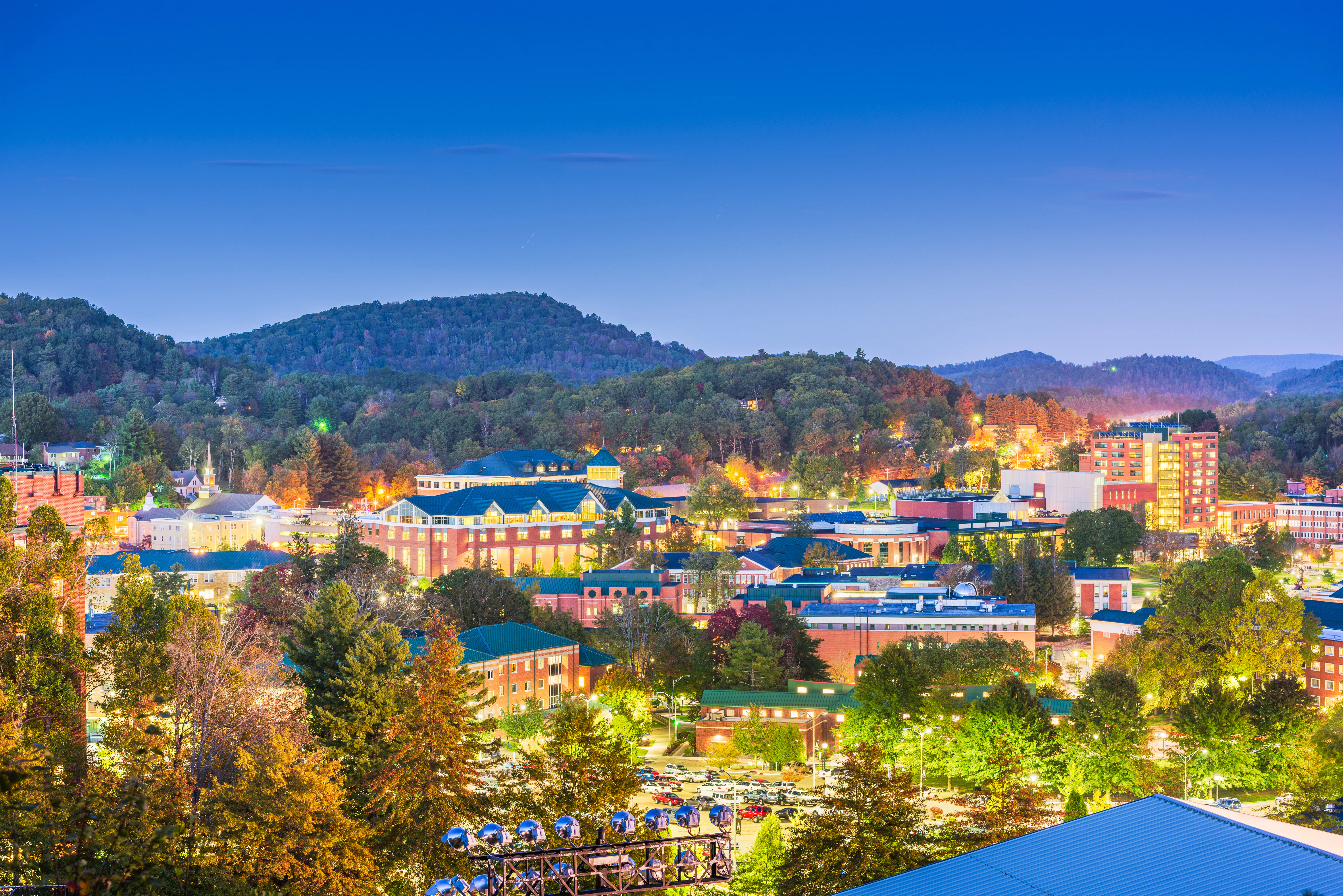
16. Boone
Market Score: 44.13
Average Annual Revenue: $44,187
Famed for Appalachian State University, skiing, and the Blue Ridge Parkway, Boone benefits from steady student-related travel and seasonal tourism. While its Market Score trails others on the list, high nightly rates during peak foliage and winter seasons can boost returns.
15. Sparta
Market Score: 56.49
Average Annual Revenue: $23,349
Sparta offers a tranquil mountain escape popular with hikers, cyclists, and music-festival attendees. Limited inventory keeps competition low, allowing well-run STRs to command solid occupancy.
14. Washington
Market Score: 60.66
Average Annual Revenue: $27,457
Nicknamed “Little Washington,” this riverside town blends historic charm with waterfront recreation. Moderate property prices and an uptick in regional tourism create an approachable entry point for first-time investors.

13. Lake Norman
Market Score: 72.75
Average Annual Revenue: $79,254
North Carolina’s largest man-made lake is a year-round playground for boating, fishing, and luxury lakefront living. High ADRs—especially for waterfront homes—offset higher acquisition costs.
12. Wilmington
Market Score: 73.58
Average Annual Revenue: $59,526
A coastal city with historic streets, beaches, and film-industry fame, Wilmington attracts both leisure and business travelers. Seasonality is pronounced, but strong summer demand drives revenue potential well above the state average.
11. Greenville
Market Score: 74.47
Average Annual Revenue: $20,305
Home to East Carolina University and a major medical center, Greenville enjoys consistent mid-week and weekend bookings. Its affordability and university-driven demand make it a balanced play for investors.
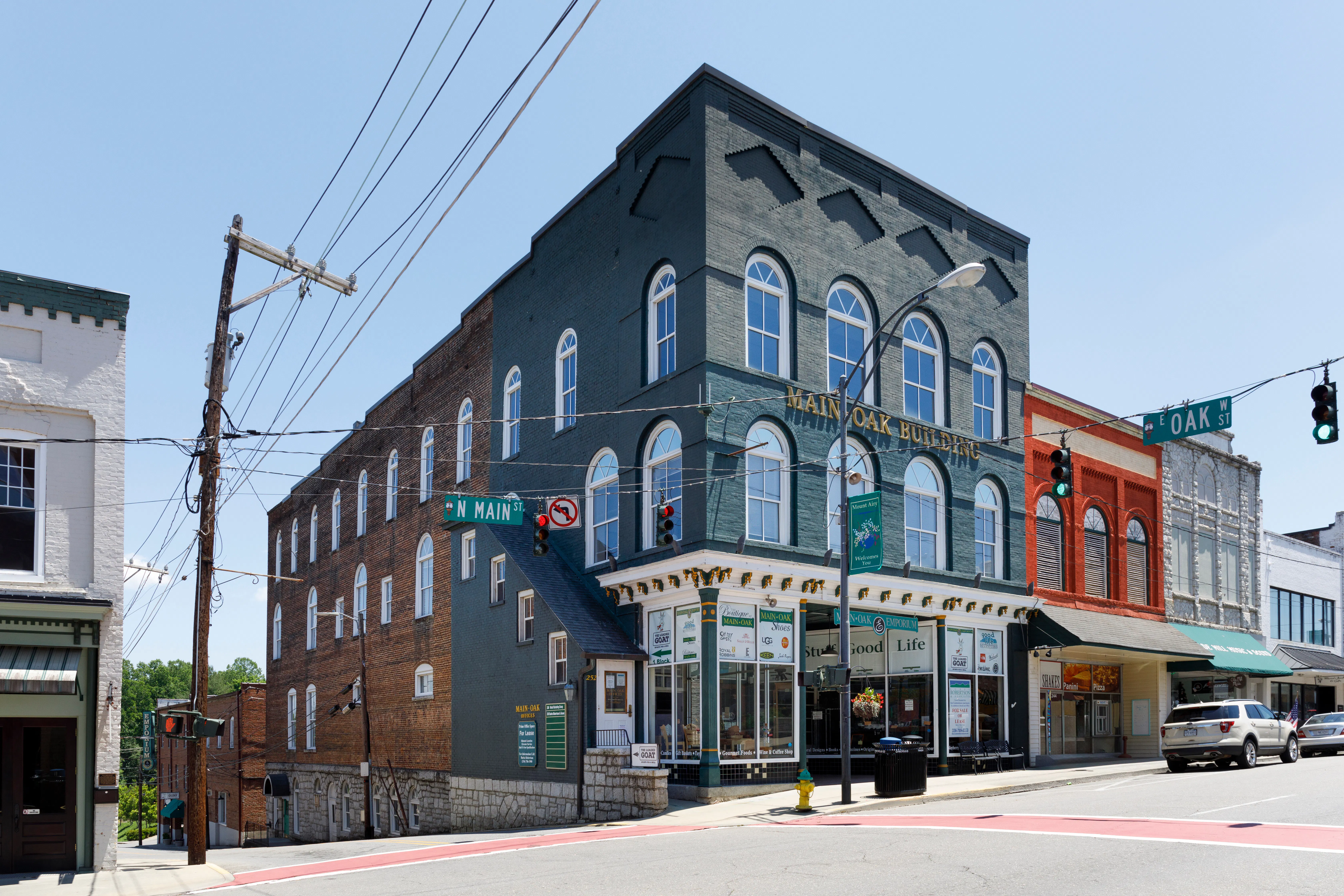
10. Mount Airy
Market Score: 77.84
Average Annual Revenue: $26,529
Known as the inspiration for Mayberry in “The Andy Griffith Show,” Mount Airy blends nostalgic tourism with wine-country appeal. Lower home prices and a strong brand identity boost cash-flow prospects.
9. Winston-Salem/Greensboro
Market Score: 77.87
Average Annual Revenue: $26,716
The Piedmont Triad’s mix of universities, corporate headquarters, and medical centers fuels year-round travel. Moderate ADRs are balanced by steady occupancy and favorable regulations.
8. Elizabeth City
Market Score: 79.60
Average Annual Revenue: $27,895
Situated near the Outer Banks, Elizabeth City benefits from overflow coastal traffic and maritime tourism. With less competition than beachfront towns, hosts can capture guests seeking quieter waterside stays.
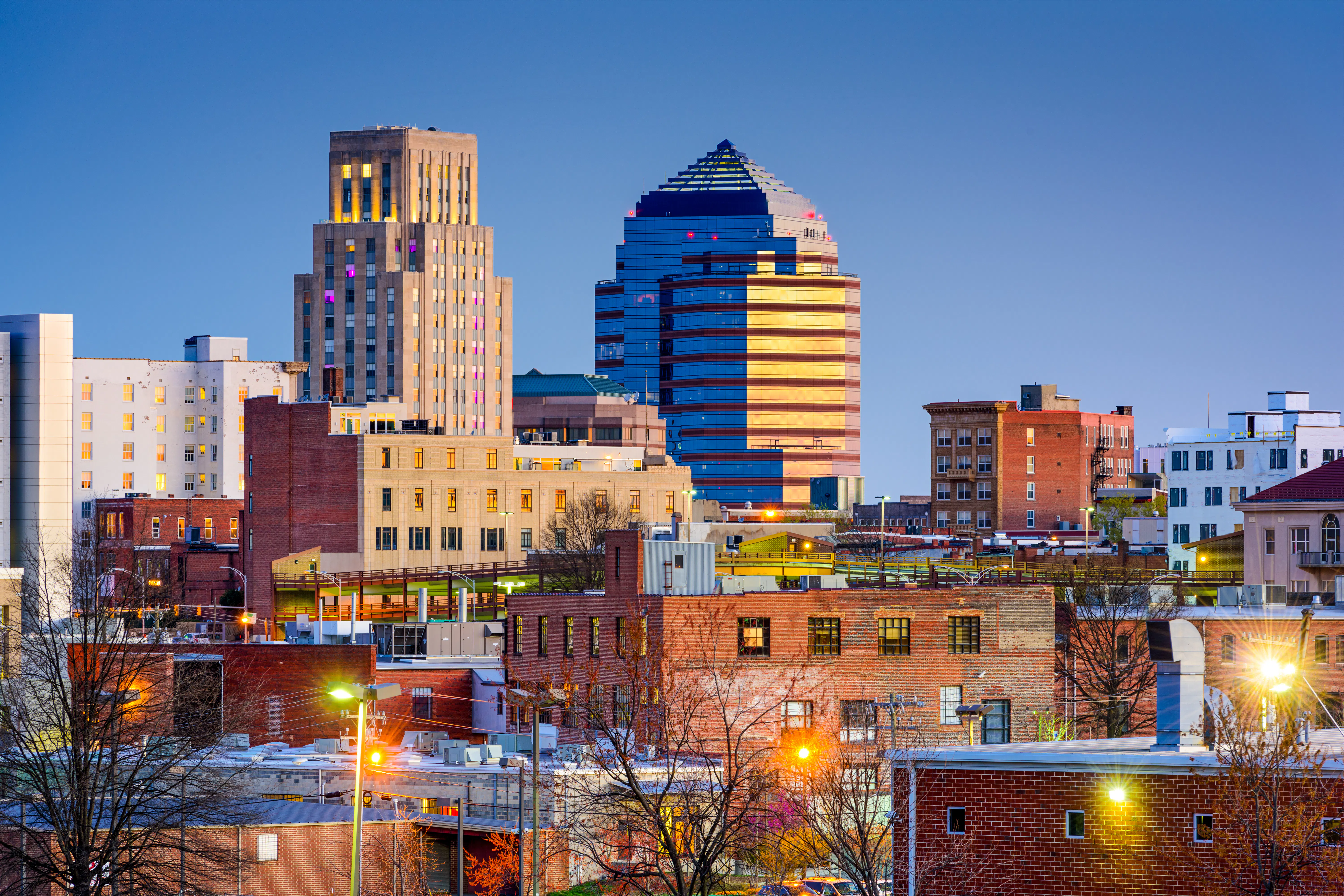
7. Raleigh/Durham
Market Score: 85.06
Average Annual Revenue: $28,526
The Research Triangle’s tech sector, universities, and vibrant food scene create a strong mix of business and leisure demand. Tight housing inventory and solid ADRs support healthy cash-on-cash returns.
6. Burlington
Market Score: 89.20
Average Annual Revenue: $27,082
Strategically located between Raleigh and Greensboro, Burlington captures pass-through traffic and university-related stays. Low home prices and minimal STR saturation enhance profitability.
5. Morganton
Market Score: 93.17
Average Annual Revenue: $23,891
Gateway to Lake James and the Pisgah National Forest, Morganton lures outdoor enthusiasts year-round. Rising tourism and appealing property costs position it as an attractive foothills investment.
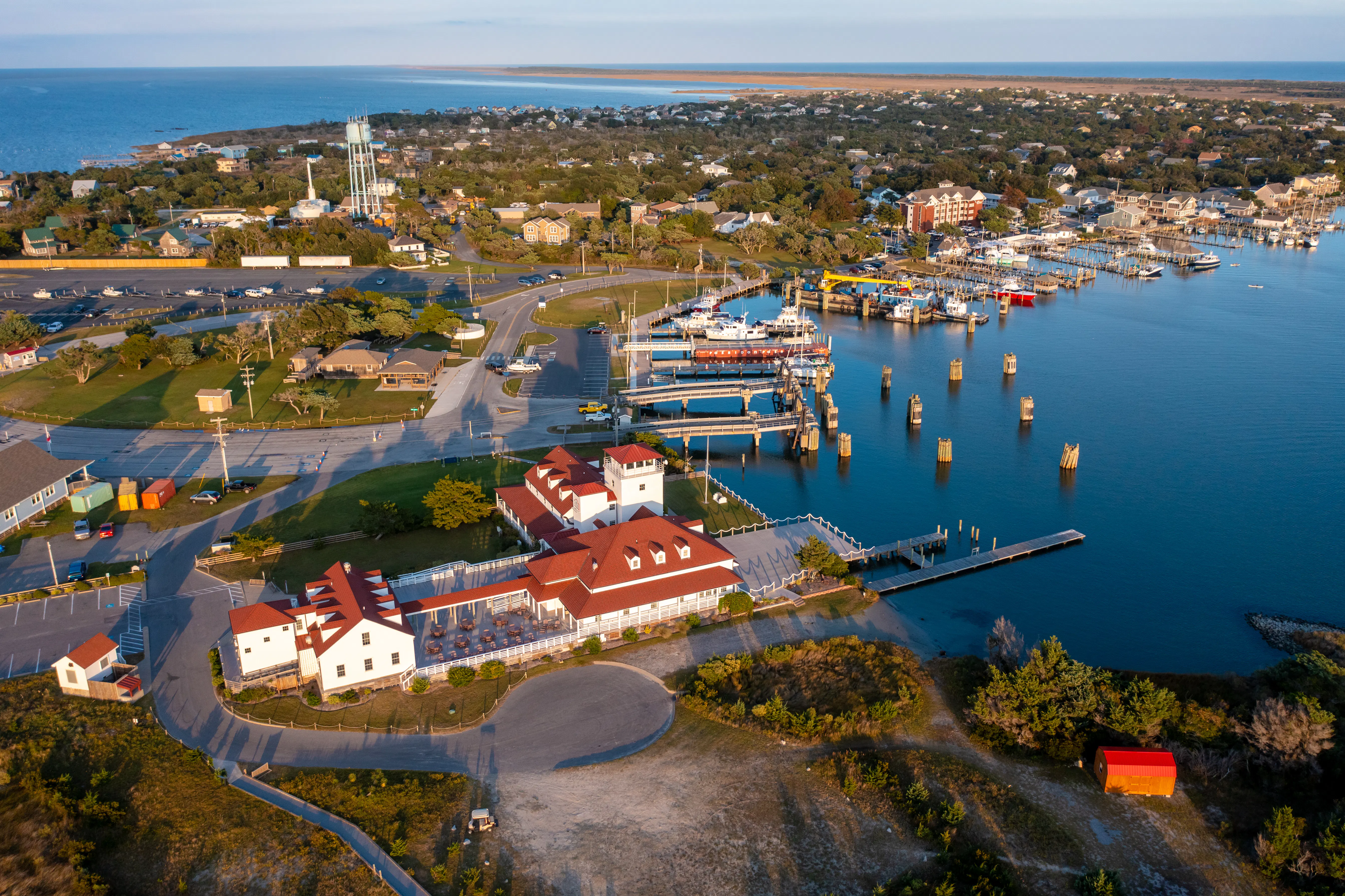
4. Ocracoke
Market Score: 94.01
Average Annual Revenue: $47,652
Accessible mainly by ferry, Ocracoke Island offers pristine beaches and a laid-back vibe that commands premium nightly rates. Limited land availability keeps new competition at bay.
3. Charlotte
Market Score: 94.66
Average Annual Revenue: $31,600
North Carolina’s largest city thrives on finance, tech, and sporting events. Robust year-round occupancy supports both entire-home and multifamily-unit strategies.
2. Hickory
Market Score: 97.30
Average Annual Revenue: $29,866
This foothills submarket has grown beyond its furniture-industry roots, drawing outdoor recreation seekers and remote workers. Strong affordability and rising demand create attractive cash-flow margins.
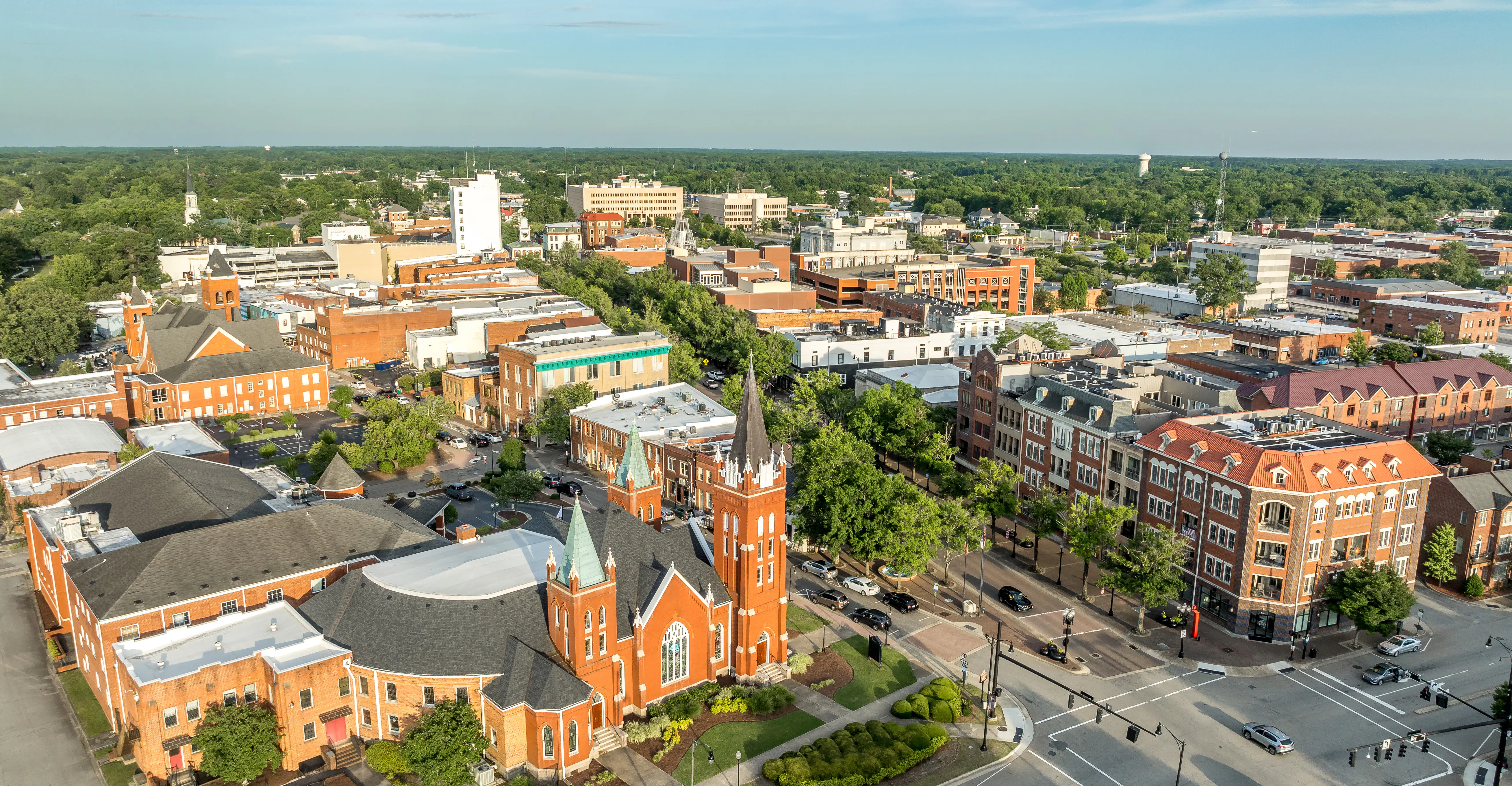
1. Fayetteville
Market Score: 97.84
Average Annual Revenue: $19,297
Home to Fort Liberty (formerly Fort Bragg), Fayetteville enjoys steady bookings from military families, contractors, and visiting professionals. Low acquisition costs, consistent occupancy, and business-friendly regulations push it to the top of North Carolina’s STR rankings.
Should You Invest in North Carolina?
Whether you’re targeting high nightly rates on the coast, steady business travel in metro hubs, or value-priced homes in emerging mountain towns, North Carolina offers a well-rounded STR landscape. Markets like Fayetteville and Hickory deliver affordability and year-round demand, while coastal favorites—Ocracoke and Wilmington—command premium ADRs despite more pronounced seasonality.
Overall, a favorable regulatory environment, diverse travel drivers, and strong population growth keep North Carolina front-and-center for Airbnb investors seeking both cash flow and appreciation potential.