Top 12 Airbnb Markets in North Dakota
Published: July 11, 2025
North Dakota may not have the same name recognition as high-profile vacation states, but it quietly delivers dependable demand from energy, agriculture, outdoor recreation, and university travel. From college towns and state-capital stays to lake escapes and oil-boom hubs, the Peace Garden State offers surprisingly diverse opportunities for short-term rental (STR) investors.
What Is AirDNA’s Market Score?
Market Score is a proprietary metric that ranks how attractive a location is for short-term rental investment. Each score is calculated based on the following five factors:
- Investability
- Rental Demand
- Revenue Growth
- Seasonality
- Regulation
Scores range from 0 to 100, with higher numbers indicating stronger overall market health. Each individual factor is also scored on a 0-100 scale inside the AirDNA platform, giving hosts and investors a deeper look at what’s driving performance.

Understanding Markets vs. Submarkets
This list focuses primarily on submarkets—smaller, more granular areas within larger regions—because that level of detail often reveals pockets of outsized performance that state-level or city-wide data can miss.
- Markets are typically larger cities or metro areas.
- Submarkets encompass smaller towns, neighborhoods, or lake communities nested inside those broader regions.
Drilling down to the submarket level is especially useful in a geographically vast, low-density state like North Dakota, where economic drivers can vary dramatically from one county to the next.
Airbnb Market Overview in North Dakota
North Dakota’s STR landscape is shaped by a blend of energy sector activity, higher-education hubs, and outdoor recreation. University cities such as Fargo and Grand Forks see steady year-round traffic from students, families, and sporting events. Oil-patch towns like Williston and Watford City experience high mid-week occupancy from long-stay workers, while lake destinations such as Lake Sakakawea enjoy strong seasonal demand from anglers and boating enthusiasts. Add in a stable regulatory environment and relatively low property costs, and you have a state that flies under the radar yet delivers solid numbers for savvy investors.
This is sample data – view real-time data in the AirDNA platform.
AirDNA's Market Score is updated on a monthly basis to reflect the previous month's data. This ranked list is updated annually. Explore the app to get the most current data.
Top 12 Airbnb Markets in North Dakota (Ranked by Market Score)
12. Williston
Market Score: 47.42
Average Annual Revenue: $22,357
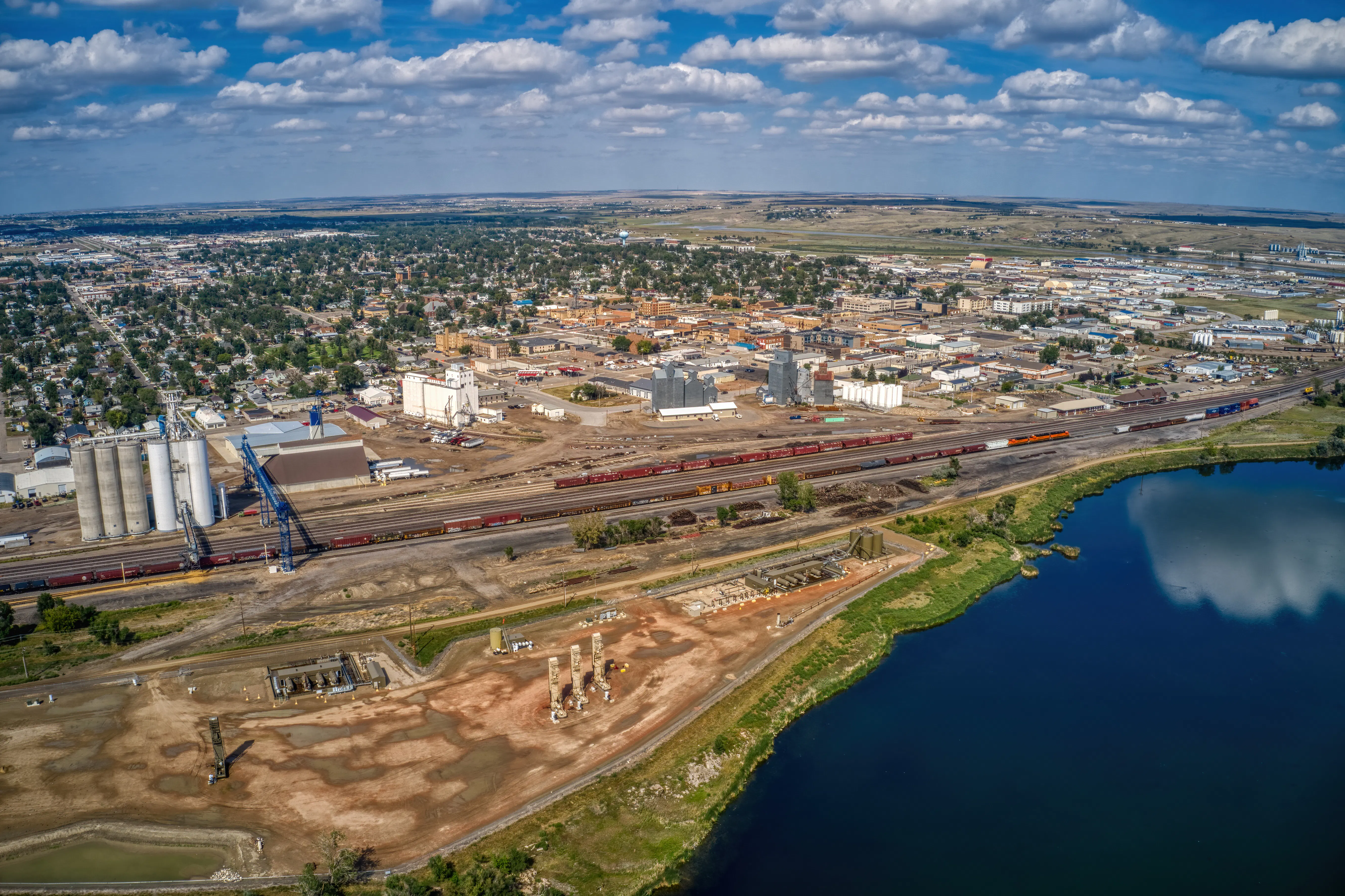
Williston sits at the heart of the Bakken oil region, drawing a steady flow of energy workers who often book longer stays. High mid-week occupancy helps offset seasonality, but investors should monitor commodity-price fluctuations.
11. Oakes
Market Score: 50.40
Average Annual Revenue: $18,004
Oakes is an agricultural hub in southeastern North Dakota. Low property prices and minimal competition mean even modest occupancy rates can generate attractive yields for hosts targeting hunting and agribusiness travel.
10. Ashley
Market Score: 54.73
Average Annual Revenue: $9,678
Known for its German-Russian heritage and proximity to hunting grounds, Ashley caters to niche tourism and seasonal workers. Entry-level home prices make this market a low-risk option for first-time STR investors.
9. Lake Sakakawea
Market Score: 55.45
Average Annual Revenue: $29,533
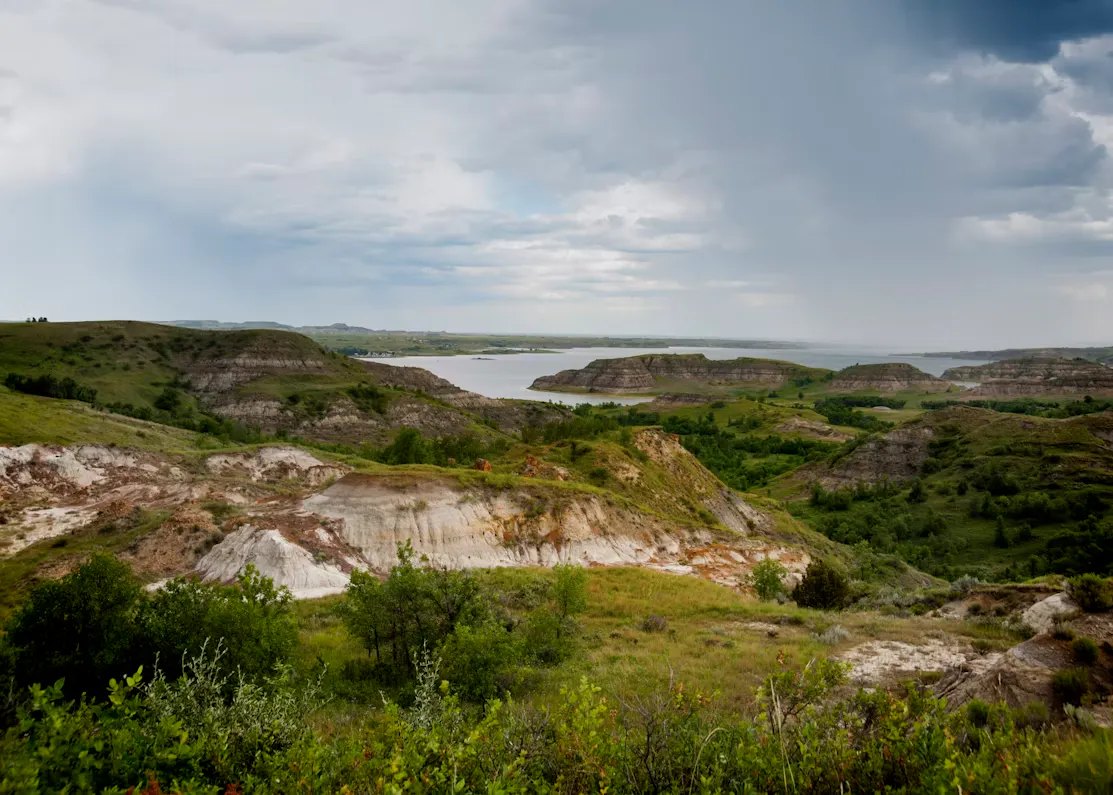
Lake Sakakawea is one of the largest man-made reservoirs in the U.S., offering world-class fishing and boating. Summer demand consistently pushes ADRs higher, making waterfront properties especially lucrative.
8. Grand Forks
Market Score: 59.16
Average Annual Revenue: $27,730
Home to the University of North Dakota, Grand Forks enjoys reliable demand from students’ families, visiting academics, and hockey fans. Winters are cold, but sporting events and university functions soften seasonality.
7. Medina
Market Score: 63.06
Average Annual Revenue: $23,794
Medina offers small-town charm along I-94, making it a convenient overnight stop for road-trippers and hunters. Low acquisition costs paired with moderate nightly rates yield solid cash-on-cash returns.
6. Cavalier / Cando
Market Score: 68.37
Average Annual Revenue: $12,860
These northeastern towns attract outdoor adventurers seeking fishing, snowmobiling, and wildlife refuges. Limited hotel options mean STRs can capture the bulk of visitor demand despite lower ADRs.
5. Fargo
Market Score: 73.36
Average Annual Revenue: $28,759
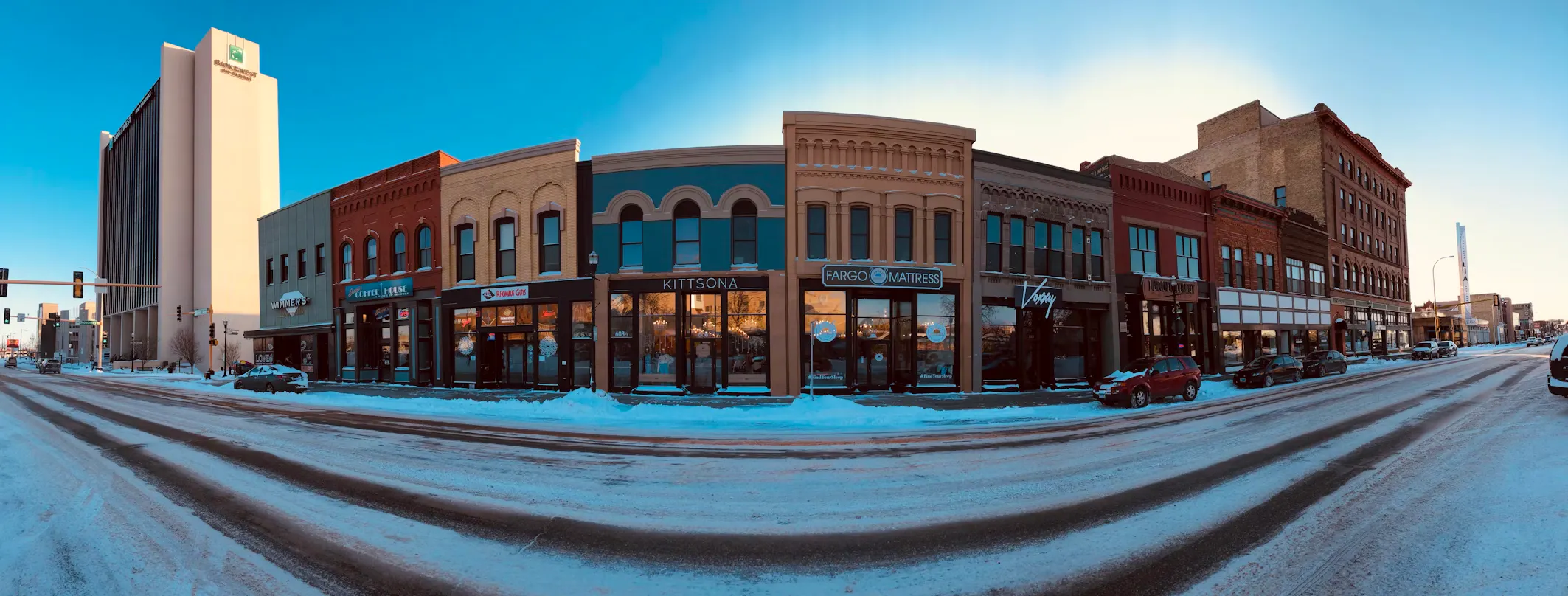
North Dakota’s largest city combines corporate travel, healthcare, and a vibrant arts scene. Consistent occupancy and a diversified economy make Fargo one of the state’s most stable STR performers.
4. Bismarck
Market Score: 76.14
Average Annual Revenue: $26,954
The state capital benefits from government, medical, and conference travel. Year-round events and the Missouri River recreation corridor support both weekday and weekend bookings.
3. Minot
Market Score: 77.63
Average Annual Revenue: $23,873
Minot Air Force Base, the North Dakota State Fair, and regional medical centers drive steady demand. Hosts should prepare for winter-weather lulls but can rely on strong summer peak months.
2. Watford City
Market Score: 80.12
Average Annual Revenue: $20,913
Located near Theodore Roosevelt National Park and the Bakken formation, Watford City captures both leisure adventurers and energy workers. Extended-stay bookings can push occupancy well above state averages.
1. Valley City
Market Score: 93.98
Average Annual Revenue: $18,929
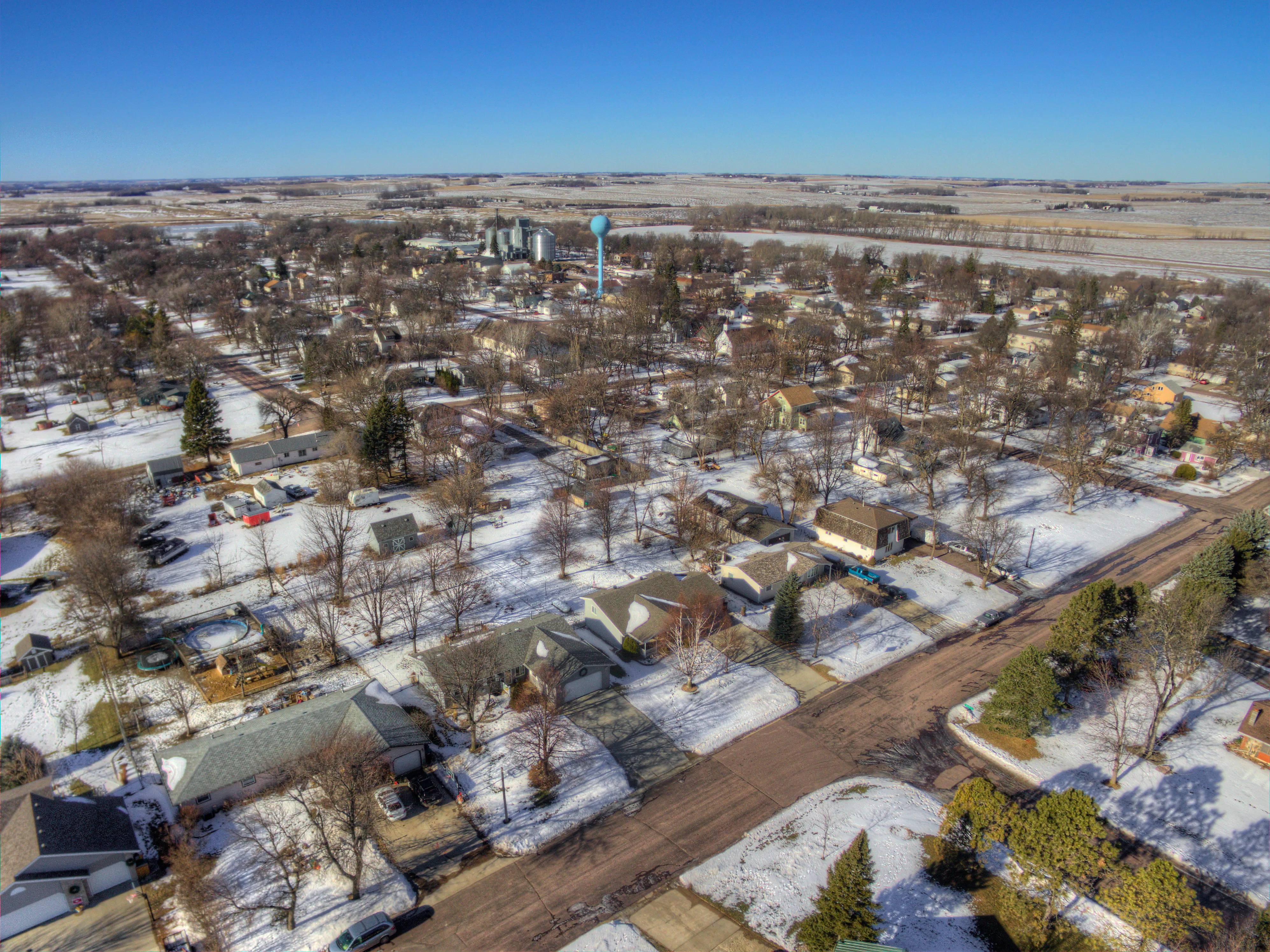
Dubbed the “City of Bridges,” Valley City boasts scenic views along the Sheyenne River and a growing roster of outdoor festivals. Low competition, stable local events, and easy interstate access make it North Dakota’s top-ranked STR submarket.
Should You Invest in North Dakota?
For investors seeking dependable cash flow and affordable entry prices, North Dakota offers compelling upside. Energy towns like Williston and Watford City provide high occupancy from long-stay workers, while university cities such as Fargo and Grand Forks deliver consistent weekend and event-driven bookings. Meanwhile, lake and hunting destinations add seasonal upside without the coastal price tag.
A relatively permissive regulatory climate, combined with diverse demand drivers ranging from agriculture to aerospace, positions North Dakota as an under-appreciated yet resilient STR market. Investors willing to manage winter seasonality and embrace niche traveler segments can uncover strong returns across the Peace Garden State.