Top 12 Airbnb Markets in Utah
Published: July 30, 2025
Utah’s world-class national parks, ski resorts, and fast-growing cities create a diverse landscape for short-term rental (STR) investment. From red-rock adventure towns to student-centric metros, the Beehive State delivers opportunities for every budget and strategy. Based on AirDNA’s proprietary data, these are the top-performing markets and submarkets across Utah right now.
What Is AirDNA’s Market Score?
Market Score is a proprietary metric that ranks how attractive a location is for short-term rental (STR) investment. Each score is calculated based on the following five metrics:
- Investability
- Rental Demand
- Revenue Growth
- Seasonality
- Regulation
Scores range from 0 to 100, with higher scores indicating stronger overall market health. In addition to an overall Market Score, each of the five metrics gets its own score on the same scale within the AirDNA app. This level of granularity is useful for Airbnb stakeholders interested in a particular aspect of market behavior.
Understanding Markets vs. Submarkets
This list includes a mix of the largest markets and submarkets, which are defined as:
- Markets refer to well-defined, often larger geographic areas like cities or metro regions.
- Submarkets are more granular locations, such as smaller towns, neighborhoods, or resort communities within those larger regions.
Including both allows investors to spot opportunities that may be overlooked when focusing solely on large-scale market data. A market with a mediocre score might contain submarkets with excellent performance.
Airbnb Market Overview in Utah
Utah’s STR scene is booming thanks to five national parks, a rapidly expanding tech sector (“Silicon Slopes”), and year-round recreation that ranges from powder skiing to desert hiking. While outdoor meccas like Moab and St. George remain perennial favorites, smaller submarkets such as Escalante and Vernal are seeing outsized revenue growth as visitors seek less-crowded adventures. Urban hubs like Salt Lake City and Provo/Orem balance leisure and business travel, whereas alpine and canyon communities provide seasonal bursts of demand. Favorable regulations in many counties and a strong tourism brand make Utah a compelling destination for Airbnb investors.
This is sample data – view real-time data in the AirDNA platform.
AirDNA's Market Score is updated on a monthly basis to reflect the previous month's data. This ranked list is updated annually. Explore the app to get the most current data.
Top 12 Airbnb Markets in Utah (Ranked by Market Score)
12. Torrey
Market Score: 24.25
Average Annual Revenue: $41,023
Torrey is the gateway to Capitol Reef National Park along Scenic Byway 12. Though overall demand remains modest, limited inventory and high nightly rates during peak hiking season create revenue upside for well-positioned cabins and casitas.
11. Panguitch
Market Score: 33.78
Average Annual Revenue: $33,874
Panguitch sits minutes from Bryce Canyon National Park and offers small-town charm plus lower property prices than nearby resort areas. Investors benefit from overflow park traffic and year-round events such as hot-air-balloon festivals.
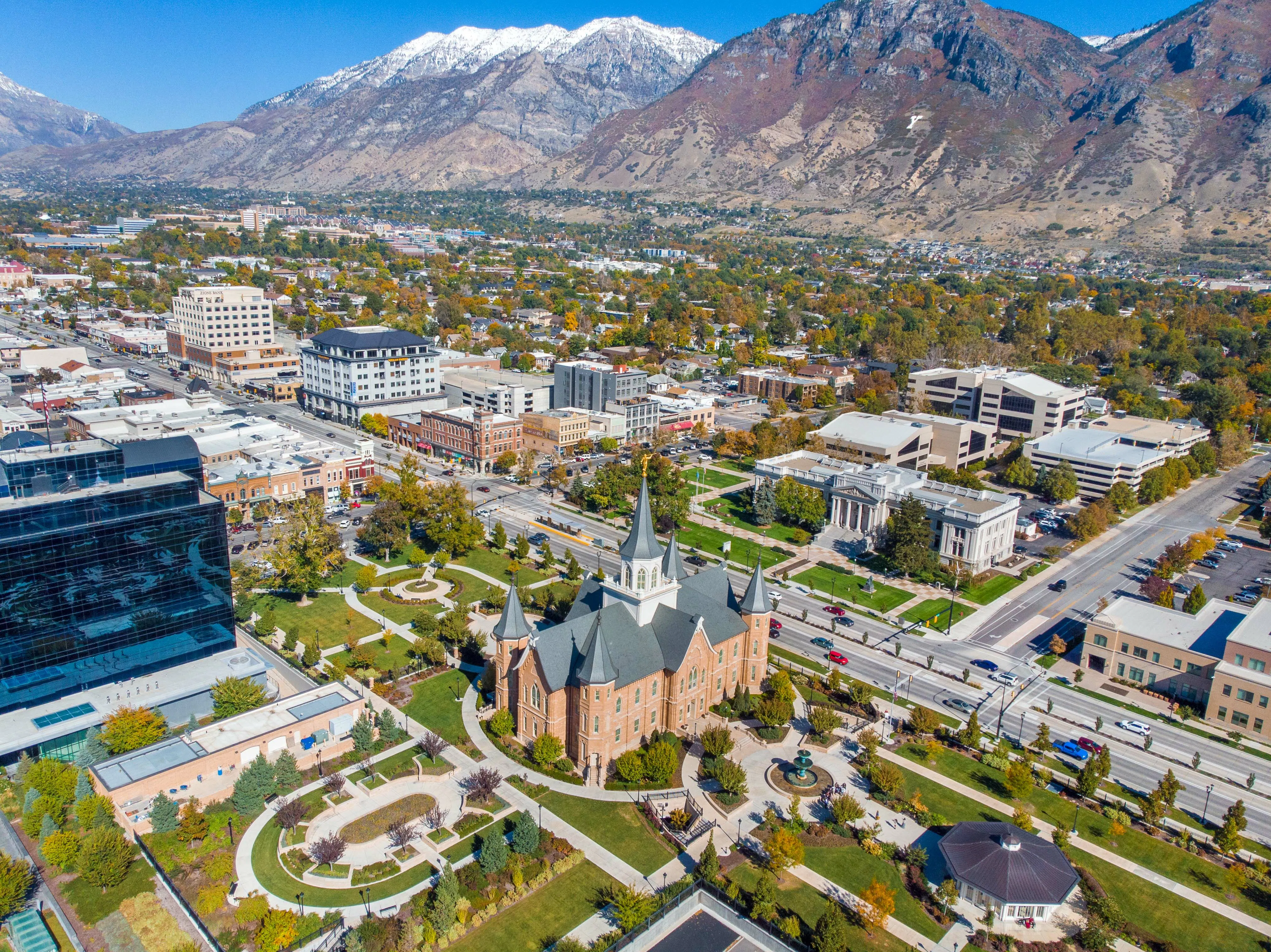
10. Provo/Orem
Market Score: 42.58
Average Annual Revenue: $32,569
Home to Brigham Young University and a burgeoning tech corridor, Provo/Orem boasts steady, non-seasonal demand driven by academics, conventions, and visiting families. Modest ADRs are offset by high occupancy and solid appreciation potential.
9. Salt Lake City
Market Score: 44.64
Average Annual Revenue: $36,546
Utah’s capital combines government, corporate, and leisure travel. Proximity to world-class ski resorts extends the busy season, while a growing convention scene supports weekday bookings. Regulation varies by neighborhood, so due diligence is essential.
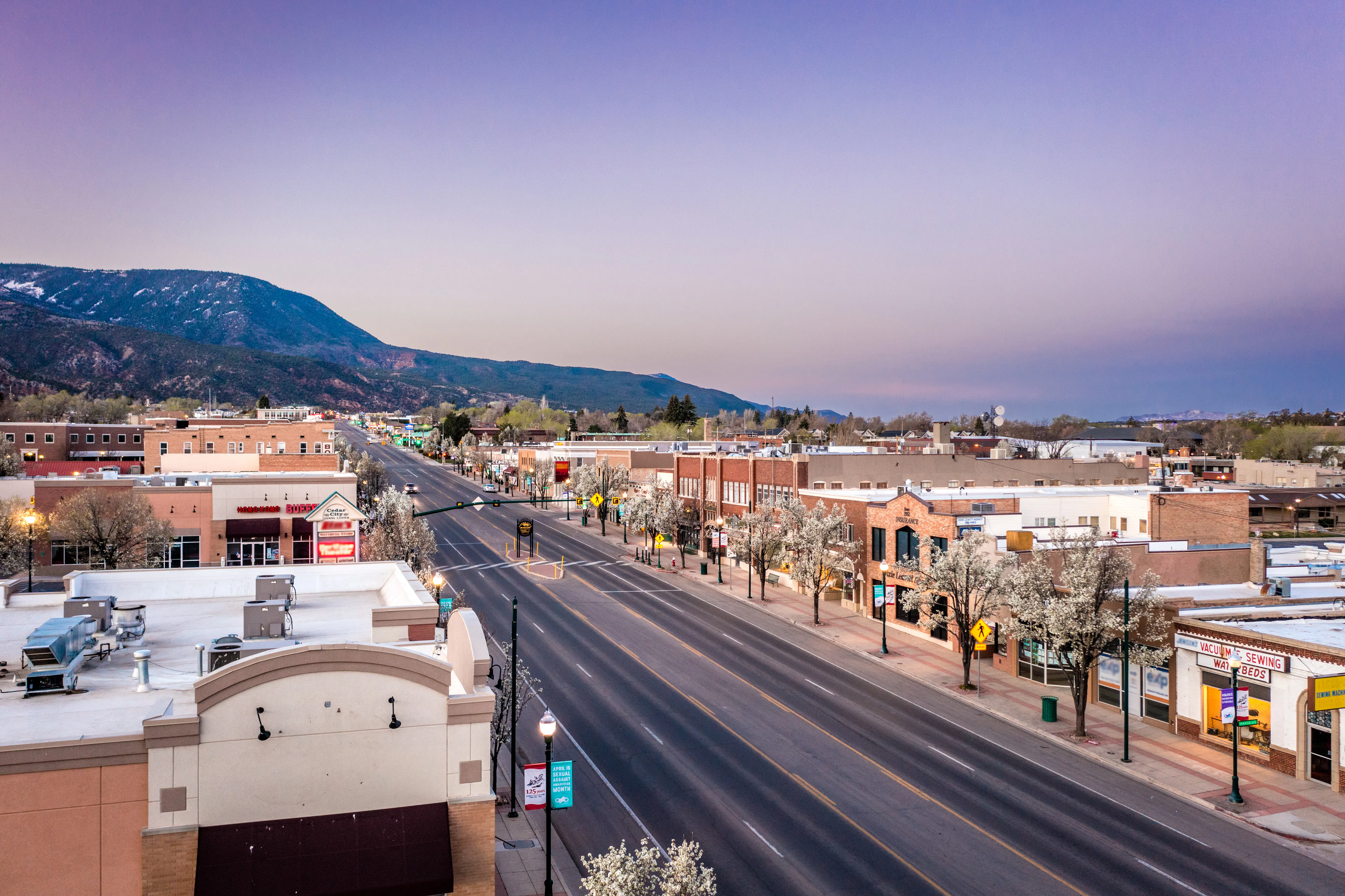
8. Cedar City
Market Score: 48.05
Average Annual Revenue: $29,879
Known as “Festival City,” Cedar City hosts the renowned Utah Shakespeare Festival and serves as a base for Zion and Bryce Canyon visitors. Moderate property costs and a university presence help stabilize occupancy beyond the summer rush.
7. Kanab
Market Score: 52.31
Average Annual Revenue: $35,605
Kanab’s central location between Zion, Bryce, and the North Rim of the Grand Canyon makes it a desert adventure hub. Growing international tourism and film-industry heritage bolster ADRs despite increasing competition.
6. Duck Creek Village
Market Score: 53.60
Average Annual Revenue: $46,226
Perched at 8,400 feet on Cedar Mountain, Duck Creek Village offers four-season recreation—ATV trails in summer, snowmobiling in winter. Cabins with rustic appeal command premium rates, and limited buildable land keeps supply tight.
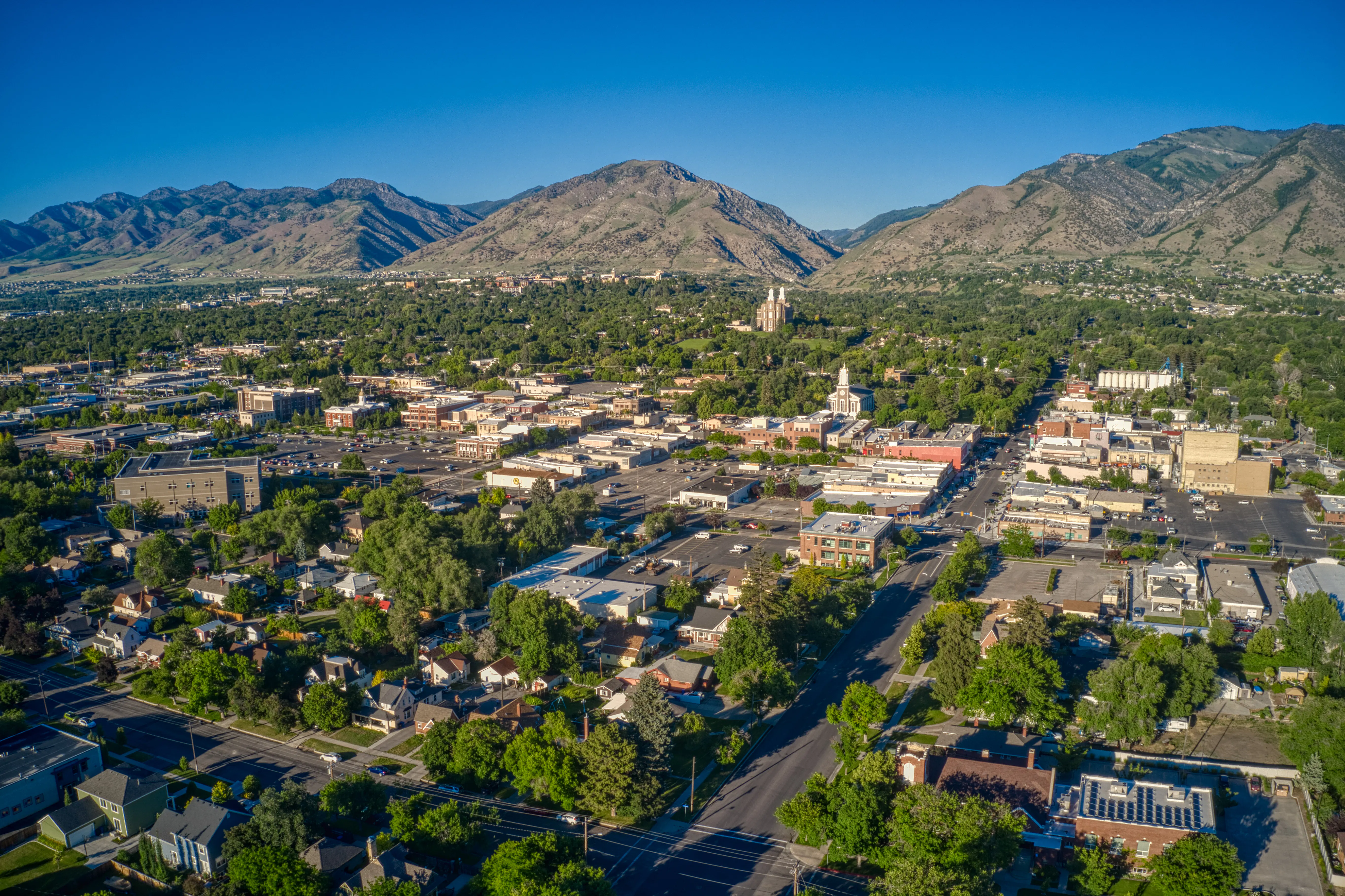
5. Logan
Market Score: 72.56
Average Annual Revenue: $27,578
Logan’s Cache Valley location, Utah State University, and access to outdoor pursuits create balanced, year-round demand. Lower housing costs and light STR saturation translate into attractive cash-on-cash returns.
4. Moab
Market Score: 72.94
Average Annual Revenue: $56,441
As the gateway to Arches and Canyonlands National Parks, Moab commands some of Utah’s highest ADRs. Intense seasonality and strict permitting increase barriers to entry, but well-run properties achieve standout profits.
3. Vernal
Market Score: 74.98
Average Annual Revenue: $30,606
Vernal attracts visitors to Dinosaur National Monument, Flaming Gorge, and the Uintah Basin’s energy sector. A mix of leisure and extended-stay business travel supports consistent bookings and room for rate growth.
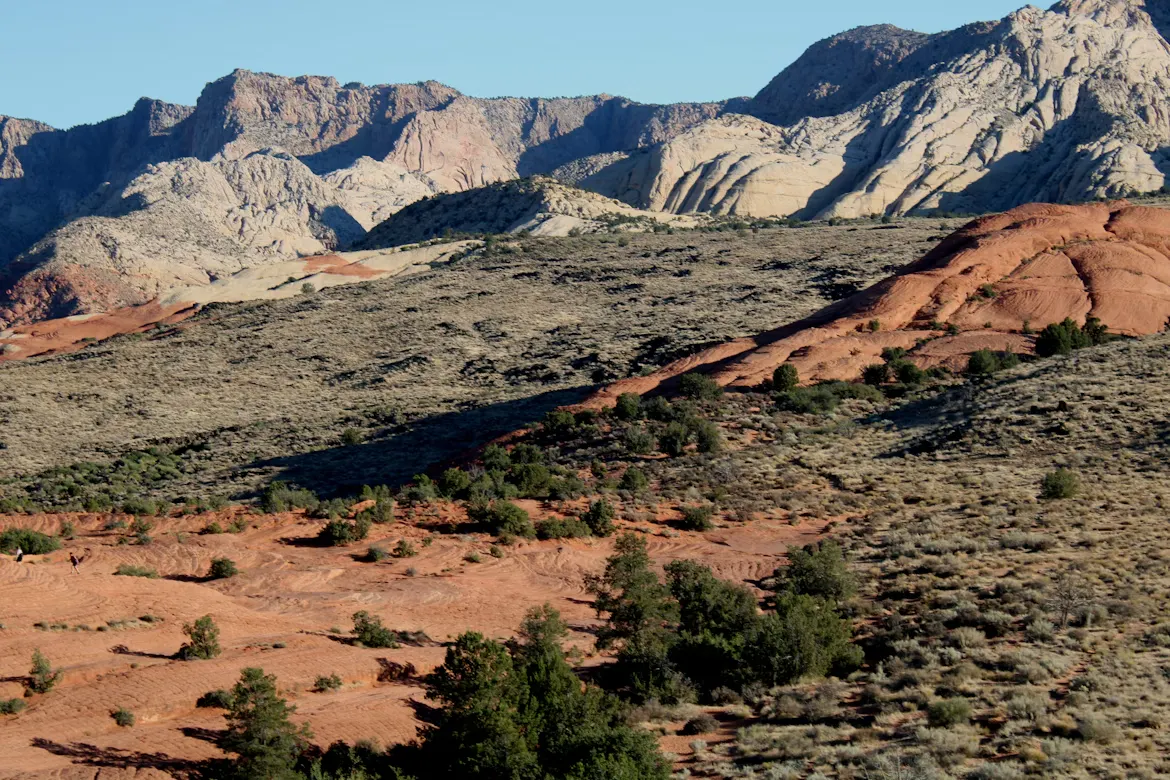
2. St. George
Market Score: 76.25
Average Annual Revenue: $54,754
St. George benefits from warm weather, golf resorts, and proximity to Zion National Park. Rapid population growth and robust tourism push occupancy high almost year-round, though rising home prices require careful underwriting.
1. Escalante
Market Score: 77.29
Average Annual Revenue: $37,928
Escalante tops the list thanks to strong demand for Grand Staircase-Escalante National Monument adventures and extremely limited lodging inventory. Investors able to secure land or existing homes can capitalize on high ADRs and low competition.
Should You Invest in Utah?
With five “Mighty 5” national parks, thriving tech and university towns, and renowned ski resorts, Utah delivers a blend of reliable occupancy and headline-grabbing nightly rates. For investors seeking year-round stability, urban centers like Salt Lake City and Provo/Orem provide diversified demand. Adventure hubs—including St. George, Moab, and Escalante—offer higher ADRs but require careful management of seasonality and regulatory nuances. Emerging submarkets such as Vernal and Duck Creek Village combine affordability with growing tourism, presenting attractive entry points for first-time STR operators.
Overall, Utah’s favorable business climate, expanding tourism infrastructure, and continued population growth position it as one of the Mountain West’s most compelling states for short-term rental investment.