Top 16 Airbnb Markets in Arizona
Published: June 11, 2025
Arizona’s tourism appeal stretches from red-rock wonderlands to snow-capped peaks, making it fertile ground for short-term rental (STR) investors. Whether you’re looking for reliable year-round demand, peak-season surges, or low-cost entry points, the Grand Canyon State serves up a diverse lineup of markets and submarkets worth watching.
What Is AirDNA’s Market Score?
Market Score is a proprietary metric that ranks how attractive a location is for short-term rental investment. Each score is calculated based on the following five metrics:
- Investability
- Rental Demand
- Revenue Growth
- Seasonality
- Regulation
Scores range from 0 to 100, with higher scores indicating stronger overall market health. In addition to an overall Market Score, each of the five metrics gets its own score on the same scale within the AirDNA app. This level of granularity is useful for Airbnb stakeholders interested in a particular aspect of market behavior.

Understanding Markets vs. Submarkets
This list includes a mix of the largest markets and submarkets, which are defined as:
- Markets refer to well-defined, often larger geographic areas like cities or metro regions.
- Submarkets are more granular locations, such as smaller towns, neighborhoods, or resort communities within larger regions.
Including both allows investors to uncover diamonds in the rough that may be hidden by statewide or metro-level averages. A market with a modest overall score might contain submarkets with stellar performance—and vice versa.
Airbnb Market Overview in Arizona
Arizona’s STR landscape is as varied as its topography. Iconic destinations such as Sedona and Flagstaff remain perennial favorites, but lesser-known spots—think Nogales near the border or Safford in the Gila Valley—are catching the eye of investors chasing higher yields and lower entry costs. From golf retreats in Phoenix/Scottsdale to lakeside escapes in Page, opportunity exists across every corner of the state.
This is sample data – view real-time data in the AirDNA platform.
AirDNA's Market Score is updated on a monthly basis to reflect the previous month's data. This ranked list is updated annually. Explore the app to get the most current data.
Top 16 Airbnb Markets in Arizona (Ranked by Market Score)
16. Alpine
Market Score: 16.61
Average Annual Revenue: $35,864
High in the White Mountains, Alpine attracts anglers, hikers, and snow-seekers looking for cool-weather escapes from the desert heat. Low density and rustic charm mean less competition but strong nightly rates during peak seasons.
15. Phoenix/Scottsdale
Market Score: 34.43
Average Annual Revenue: $45,308
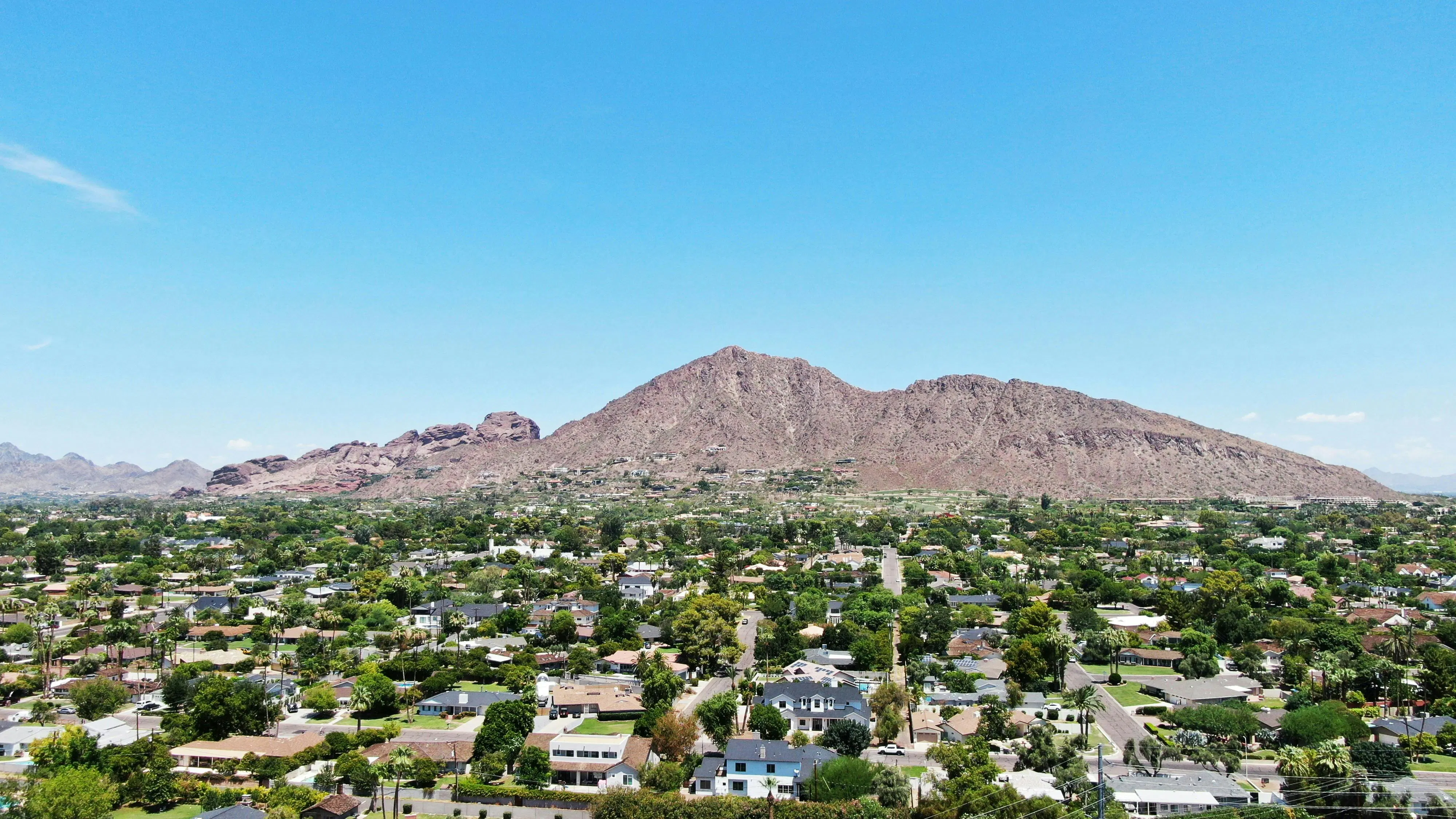
Greater Phoenix—anchored by nightlife-heavy Scottsdale—offers professional sports, world-class golf, and booming conference travel. Oversupply and regulations keep the Market Score modest, but high ADRs continue to lure seasoned hosts.
14. Sahuarita
Market Score: 46.49
Average Annual Revenue: $25,466
Sahuarita sits just south of Tucson with family-friendly master-planned communities and quick access to outdoor attractions like Madera Canyon. Limited STR supply leaves room for strategic growth.
13. Tucson
Market Score: 48.96
Average Annual Revenue: $31,090
Arizona’s second-largest city blends university energy, desert hikes, and a UNESCO-recognized food scene. Year-round conventions and snowbird traffic help balance seasonality.
12. Fredonia
Market Score: 49.90
Average Annual Revenue: $15,163
Near the Utah border and the North Rim of the Grand Canyon, Fredonia is a gateway town ripe for niche adventure tourism. Low housing prices offset its smaller revenue potential.
11. Flagstaff
Market Score: 50.41
Average Annual Revenue: $50,107
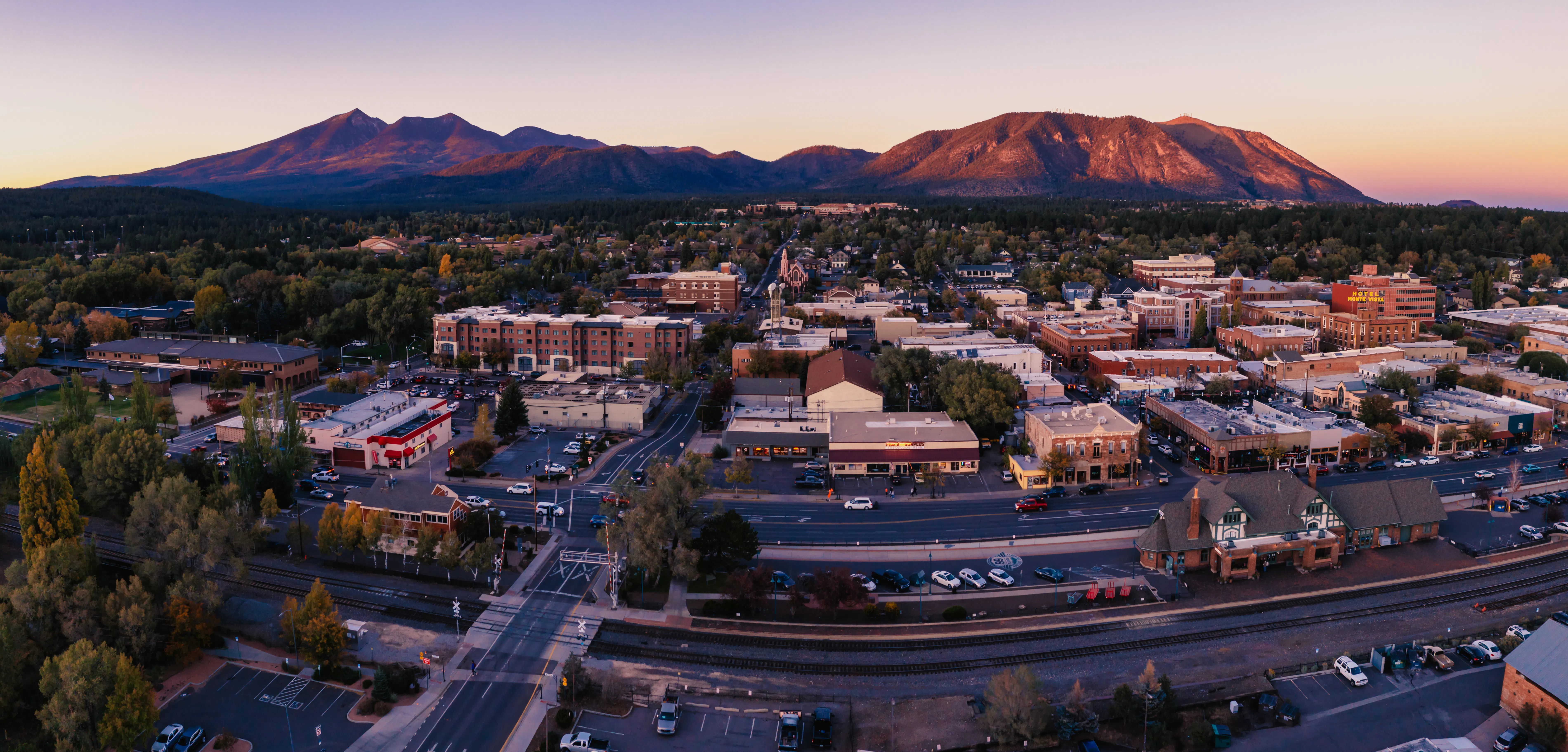
Flagstaff’s ponderosa pines, skiing at Arizona Snowbowl, and proximity to the Grand Canyon keep occupancy strong. Higher property prices and tighter STR rules temper its score.
10. Yuma
Market Score: 60.05
Average Annual Revenue: $21,954
Yuma’s sunshine, agricultural events, and winter-visitor influx support consistent bookings. Affordable housing and a steady Snowbird crowd create a dependable entry-level market.
9. Payson
Market Score: 60.45
Average Annual Revenue: $37,544
Nestled beneath the Mogollon Rim, Payson provides four-season recreation—fishing, off-roading, and fall foliage. Investors benefit from solid weekend demand and moderate acquisition costs.
8. Green Valley
Market Score: 62.94
Average Annual Revenue: $19,346
Known for its retirement communities, Green Valley sees consistent bookings from snowbirds and visiting family members. Low nightly rates are balanced by longer average stays.
7. Williams
Market Score: 66.89
Average Annual Revenue: $42,652
Dubbed the “Gateway to the Grand Canyon,” Williams capitalizes on Route 66 nostalgia and railway excursions. Limited inventory and strong tourist traffic support healthy ADRs.

6. Prescott
Market Score: 67.58
Average Annual Revenue: $34,356
Prescott’s historic Whiskey Row, mountain trails, and milder climate attract both retirees and weekenders from Phoenix. Growing popularity keeps occupancy high despite rising competition.
5. Page
Market Score: 69.54
Average Annual Revenue: $46,205
Home to Lake Powell, Antelope Canyon, and Horseshoe Bend, Page enjoys robust global tourism. Seasonal spikes drive premium nightly rates, offsetting slower winter months.
4. Sierra Vista
Market Score: 71.32
Average Annual Revenue: $21,317
Adjacent to Fort Huachuca and outdoor hotspots like Ramsey Canyon, Sierra Vista blends military, business, and leisure demand. Low purchase prices sweeten the investment case.
3. Safford
Market Score: 75.34
Average Annual Revenue: $28,560
Safford’s Gila Valley hot springs, nearby Mount Graham, and mining industry provide a steady stream of guests. Undervalued real estate and limited STR saturation boost its score.
2. Sedona
Market Score: 81.91
Average Annual Revenue: $64,964
Sedona’s iconic red rocks, wellness retreats, and luxury traveler base drive some of the highest ADRs in the state. Investors must navigate tighter regulations but reap premium returns.

1. Nogales
Market Score: 85.82
Average Annual Revenue: $14,737
On the U.S.–Mexico border, Nogales benefits from cross-border commerce, medical tourism, and heritage travel. Low acquisition costs, minimal STR competition, and year-round demand earn it Arizona’s top Market Score.
Should You Invest in Arizona?
Arizona offers an exceptionally broad spectrum of STR opportunities—from world-renowned destinations to under-the-radar submarkets. Coastal revenue spikes don’t apply here, but deserts, mountains, and mild winters keep bookings flowing nearly year-round.
If high nightly rates and global name recognition are your priorities, markets like Sedona, Flagstaff, and Page deliver. Investors eyeing affordability and growth potential might gravitate toward Nogales, Safford, or Sierra Vista, where lower home prices meet promising Market Scores.
With favorable statewide regulations, diversified tourism demand, and ever-expanding air and road connectivity, Arizona remains a compelling laboratory for STR strategies of all shapes and sizes.