Top 11 Airbnb Markets in Vermont
Published: July 30, 2025
Vermont is synonymous with four-season recreation—from maple-scented springs and foliage-packed autumns to world-class skiing in winter. The Green Mountain State’s blend of quaint villages, college towns, and mountain resorts creates a dynamic short-term rental (STR) environment that appeals to investors seeking steady, often premium nightly rates. Below are the 11 highest-ranking Vermont markets and submarkets according to AirDNA’s proprietary data.
What Is AirDNA’s Market Score?
Market Score is a proprietary metric that ranks how attractive a location is for short-term rental investment. Each score is calculated based on the following five metrics:
- Investability
- Rental Demand
- Revenue Growth
- Seasonality
- Regulation
Scores range from 0 to 100, with higher scores indicating stronger overall market health. In addition to an overall Market Score, each of the five metrics gets its own score on the same scale within the AirDNA app. This level of granularity is useful for Airbnb stakeholders interested in a particular aspect of market behavior.

Understanding Markets vs. Submarkets
This list includes only submarkets, which are defined as:
- Submarkets are more granular locations, such as smaller towns, neighborhoods, or ski-area communities nestled within larger regions.
Focusing on submarkets allows investors to identify pockets of opportunity that broader state-level data may overlook—vital in a state where tourism demand can vary dramatically from one valley or mountain to the next.
Airbnb Market Overview in Vermont
Vermont’s short-term rental scene continues to evolve. Ski destinations like Killington and Stowe enjoy robust winter demand, while college hubs such as Burlington keep calendars booked during warmer months. Meanwhile, emerging towns like Bennington and Manchester offer lower acquisition costs with room for growth. Whether you’re targeting powder-seeking skiers or foliage-chasing leaf-peepers, Vermont presents a diverse set of investment opportunities.
This is sample data – view real-time data in the AirDNA platform.
AirDNA's Market Score is updated on a monthly basis to reflect the previous month's data. This ranked list is updated annually. Explore the app to get the most current data.
Top 11 Airbnb Markets in Vermont (Ranked by Market Score)
11. Ludlow
Market Score: 15.65
Average Annual Revenue: $56,529
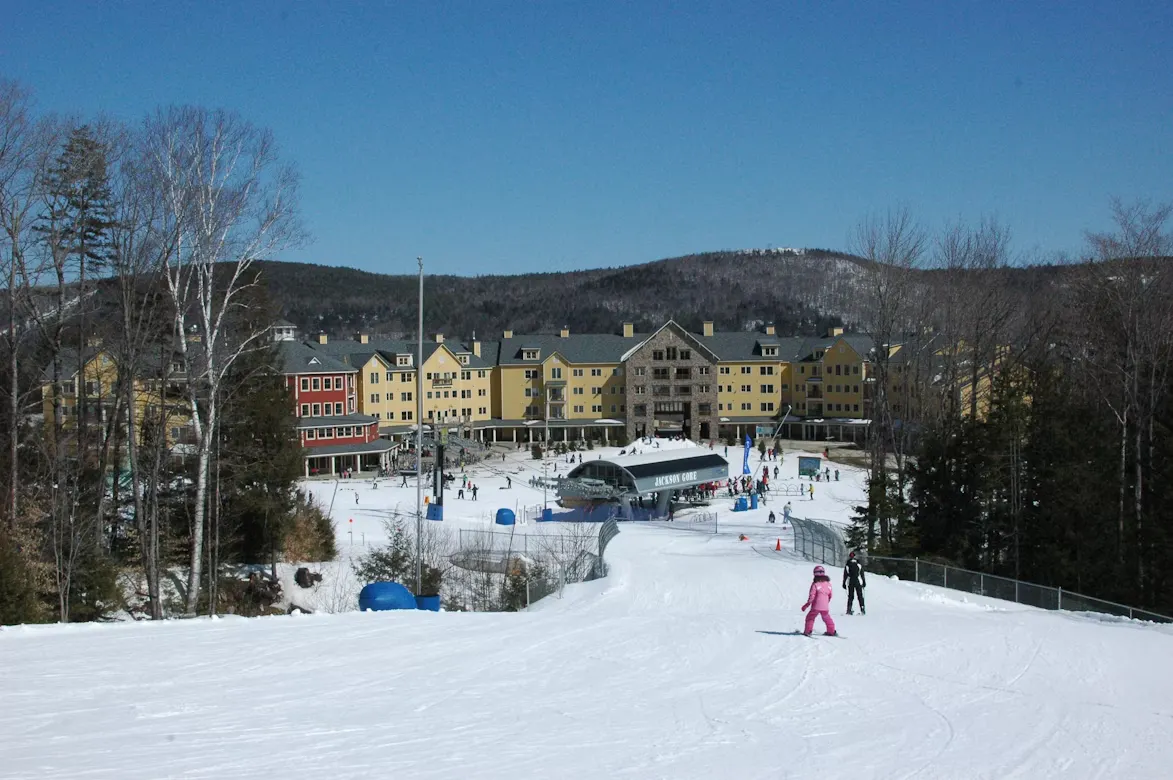
Ludlow is home to Okemo Mountain Resort, drawing a steady flow of winter sports enthusiasts and summer lake-goers. Despite its lower overall score, high nightly rates during peak ski season can offer attractive cash-flow potential.
10. South Burlington
Market Score: 25.61
Average Annual Revenue: $44,165
Adjacent to downtown Burlington and the University of Vermont, South Burlington benefits from a mix of business, medical, and leisure travel. Its suburban feel and proximity to Lake Champlain make it popular for longer weekend stays.
9. Rutland
Market Score: 28.32
Average Annual Revenue: $39,696
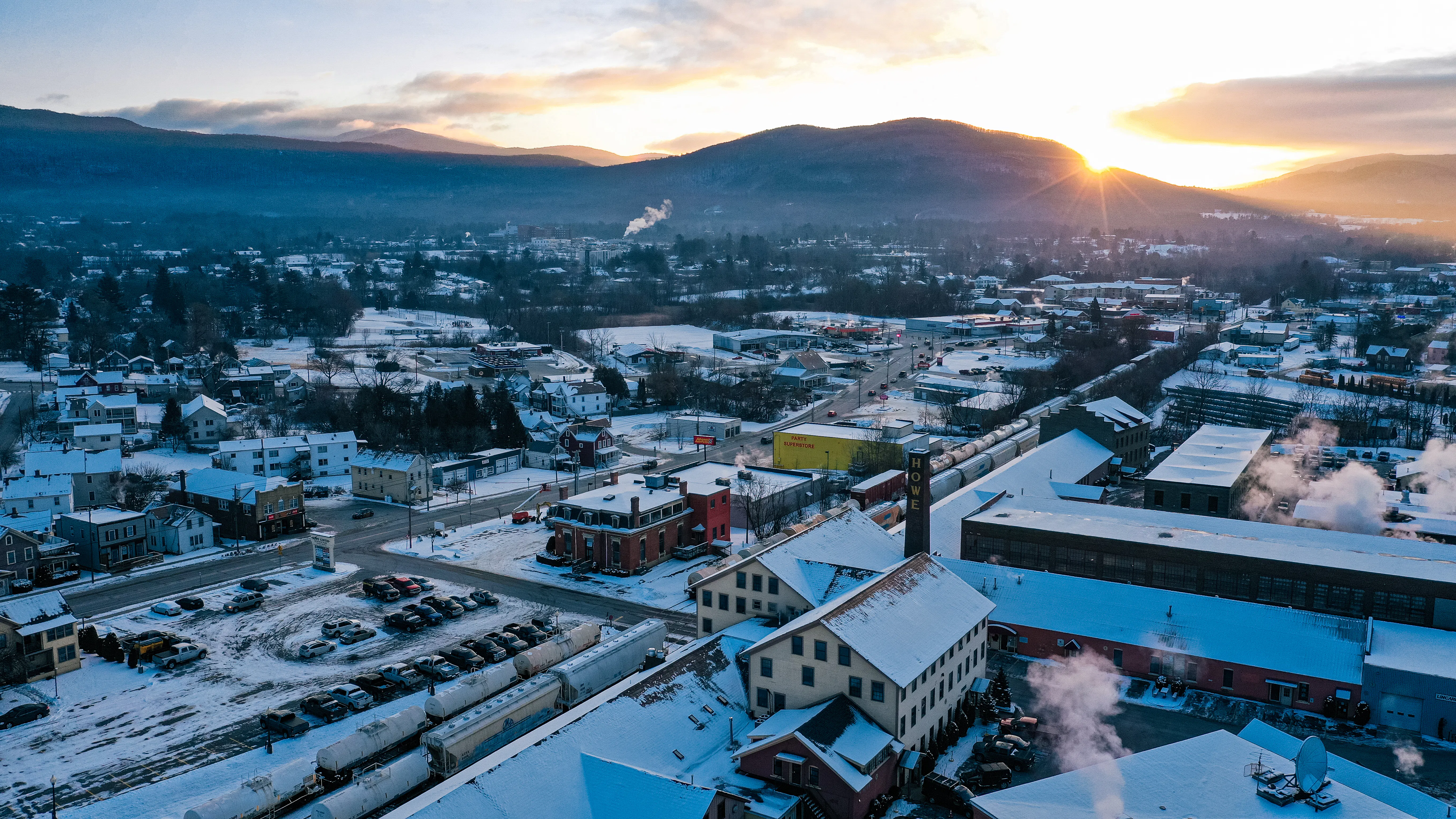
Rutland serves as the commercial hub for central Vermont and a gateway to nearby Killington and Pico ski areas. Affordable property prices coupled with year-round events create an appealing entry point for first-time STR investors.
8. Killington
Market Score: 37.24
Average Annual Revenue: $60,260
Killington boasts one of the longest ski seasons in the East, translating into premium winter ADRs. Summer mountain-biking and events extend the booking calendar, though seasonality remains a key consideration.
7. Montpelier
Market Score: 37.70
Average Annual Revenue: $38,807
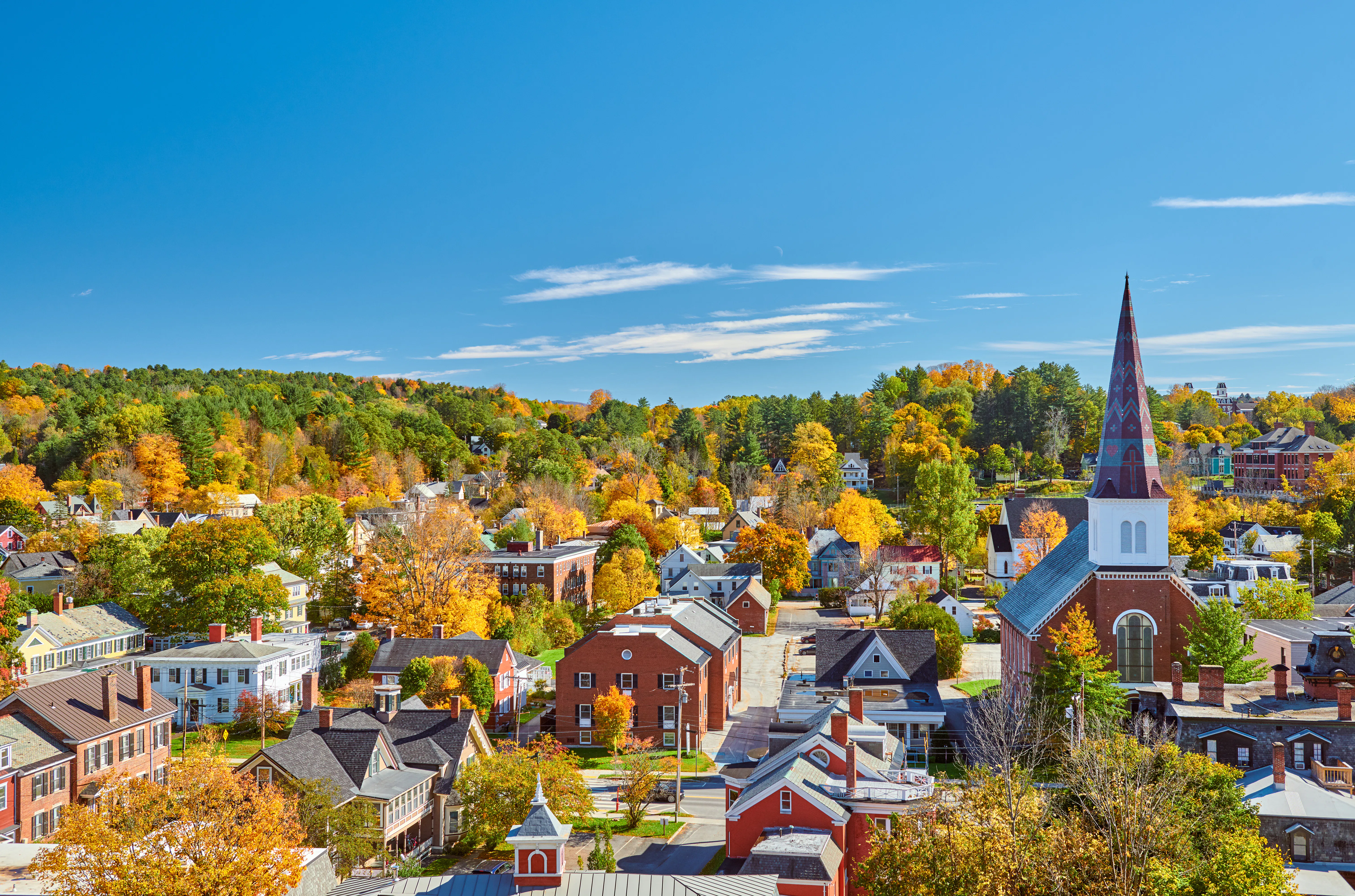
The nation’s smallest state capital blends government, arts, and outdoor recreation. Limited hotel inventory and legislative sessions help maintain steady weekday demand, supporting consistent occupancy for STR operators.
6. Manchester
Market Score: 39.80
Average Annual Revenue: $54,070
Known for designer outlets, farm-to-table dining, and proximity to Stratton and Bromley ski resorts, Manchester attracts affluent travelers year-round. Higher home prices are offset by strong ADRs, particularly during foliage season.
5. Warren
Market Score: 41.29
Average Annual Revenue: $49,456
Warren, encompassing the Sugarbush Resort area, excels with winter sports and summer festivals. Its charm and limited STR saturation can translate into high occupancy for well-positioned properties.

4. North Burlington
Market Score: 42.60
Average Annual Revenue: $49,689
North Burlington combines residential tranquility with quick access to downtown and the waterfront. Consistent university-related travel and business visits keep calendars full, while moderate regulation adds investor confidence.
3. Stowe
Market Score: 47.64
Average Annual Revenue: $65,909
With Mount Mansfield as its backdrop, Stowe is Vermont’s poster child for upscale ski vacations and summer hiking. High nightly rates and strong brand recognition balance its relatively higher acquisition costs.
2. Downtown Burlington
Market Score: 56.82
Average Annual Revenue: $48,659
Vermont’s largest city offers a vibrant arts scene, waterfront sunsets, and college-driven demand. Downtown Burlington benefits from limited hotel supply and steady year-round occupancy, making it a perennial STR favorite.
1. Bennington
Market Score: 62.28
Average Annual Revenue: $36,820
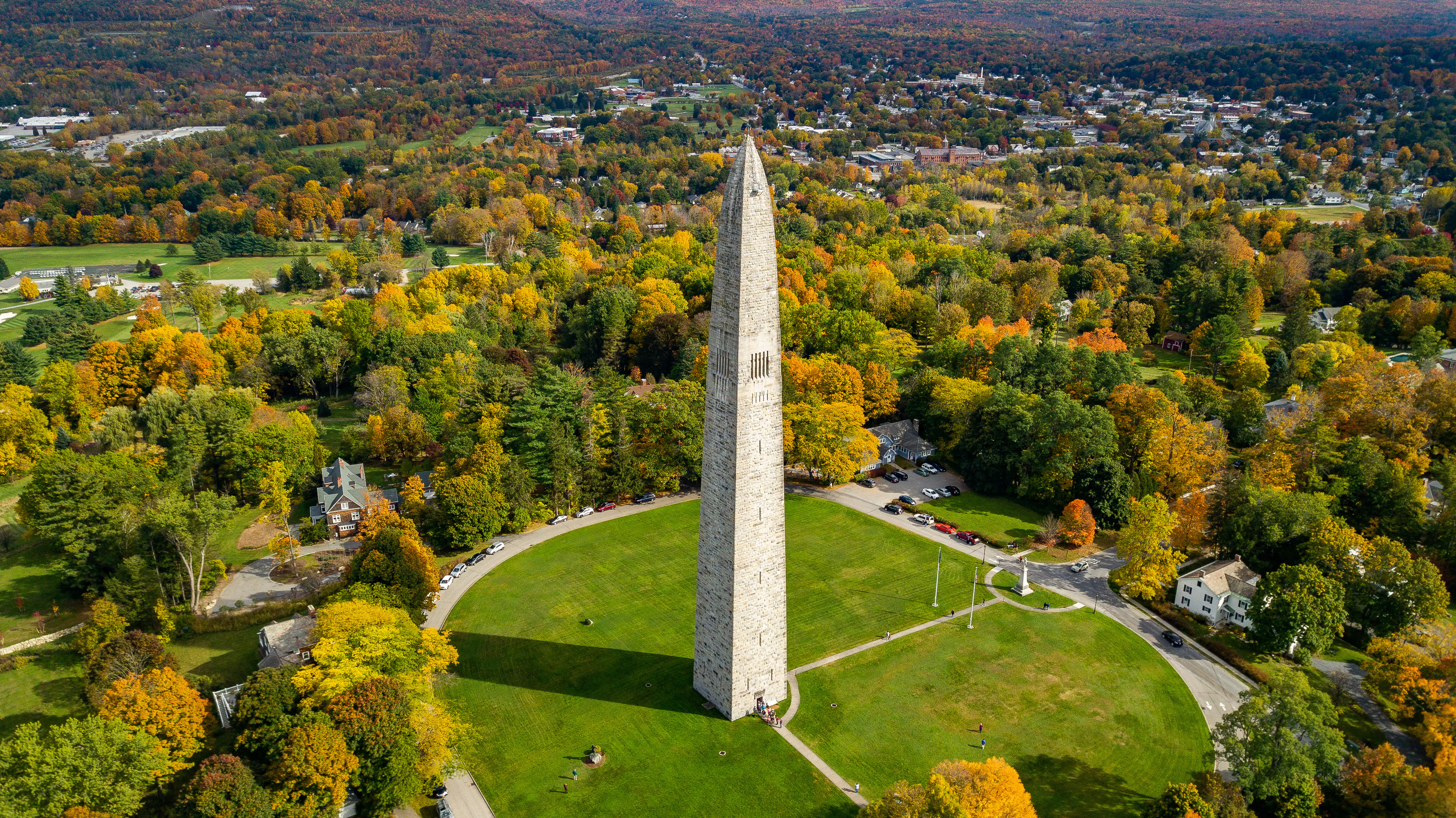
Bennington tops the list thanks to its affordability, historic downtown, and access to the Berkshires and Green Mountains. Lower competition and stable tourist traffic create a compelling mix of cash-flow potential and long-term appreciation.
Should You Invest in Vermont?
Vermont’s STR landscape offers something for every investor profile. Ski towns like Stowe and Killington deliver high winter ADRs, while college-centric Burlington markets provide reliable year-round bookings. Emerging submarkets such as Bennington and Rutland offer lower purchase prices with meaningful upside as tourism expands beyond traditional hotspots.
Regulatory frameworks vary by municipality, so investors should conduct thorough due diligence. Nonetheless, Vermont’s enduring appeal—rooted in outdoor recreation, culture, and culinary excellence—positions it as a resilient, opportunity-rich state for Airbnb investment.