

 Calculate Revenue
 Research Markets
 Find For Sale Properties
 Compare My Listing
 STR Revenue Calculator
 Custom Comp Sets
 Submarket Insights
 Custom Search Filters
 Rate Recommendations
 Performance Benchmarking
 Competitor Comparison
 Owner Contact Details
 Property-level performance data
 Tourism Insights
 Real Estate Investment Analytics
 About Us
 Sales
Sales Support
 Press
Press9 Airbnb Scams by Guests & How to Avoid Them
Published: April 15, 2024
Last updated: September 25, 2026

Bram Gallagher
Key Takeaways
- Hosts need to be aware of common scams like fake profiles and phishing so they can protect their properties and finances.
- Verifying guest identities, using Airbnb’s secure payment systems, and communicating through official channels are critical for safety.
- In case of a scam, hosts should document the incident, contact Airbnb support, and consider legal steps if necessary.
If you’ve ever lost a computer to a sudden screen flash demanding credit card information, you know what it’s like to be scammed. There’s no feeling quite like it—the initial panic and then the creeping suspicion—and it can be a real headache to deal with and recover from.
The same thing can happen to hosts on Airbnb. One minute you’re chatting with a friendly traveler about renting out your property, and suddenly you’re getting overdraft alerts from your bank.
Nobody knows when they’ll come across a scammer, which makes preparedness the best defense against being caught off guard. Recognizing, preventing, and addressing scams is the surest way to safeguard your Airbnb hosting experience and to keep renting to trustworthy vacationers.
Let’s talk about what Airbnb scams can look like and how you can avoid, at best, the inconvenience, and at worst, the money loss that comes from being scammed.
Common Airbnb Scams
Guests have different reasons for acting dishonestly on Airbnb. Some might act out of frustration with a host while others make a living off it. Understanding common scams like the ones below can help hosts and property owners protect themselves and their properties from potential fraud.
Fake Airbnb profiles
Scammers can create fake identities using stolen photos and personal information to pose as legitimate renters, granting them access to rental properties where they can cause damage, steal valuables, or refuse to pay for their stay.
Meanwhile, hosts have little to no recourse for fixing the problem since the person they’re dealing with isn’t the same one as on the rental agreement. Hosts should be vigilant about verifying every guest’s identity.
Phishing scams
Phishing scams trick hosts into providing sensitive information, usually with fraudulent emails or messages that look like they’re from Airbnb. Hosts then give up their login credentials, payment details, or personal information that are leveraged to access bank accounts or commit identity theft.
Be wary of unsolicited communications, and double-check email addresses to make sure they come from legitimate sources.
Identity theft
Identity theft involves stealing someone’s personal or sensitive data to impersonate them. If a scammer can get their hands on a host’s government-issued ID or bank details, they can use that information to act in the host's name or access the associated Airbnb account.
As a host, you should never share personal information with guests—especially in response to requests that seem suspicious or unnecessary.
Last-minute cancellations
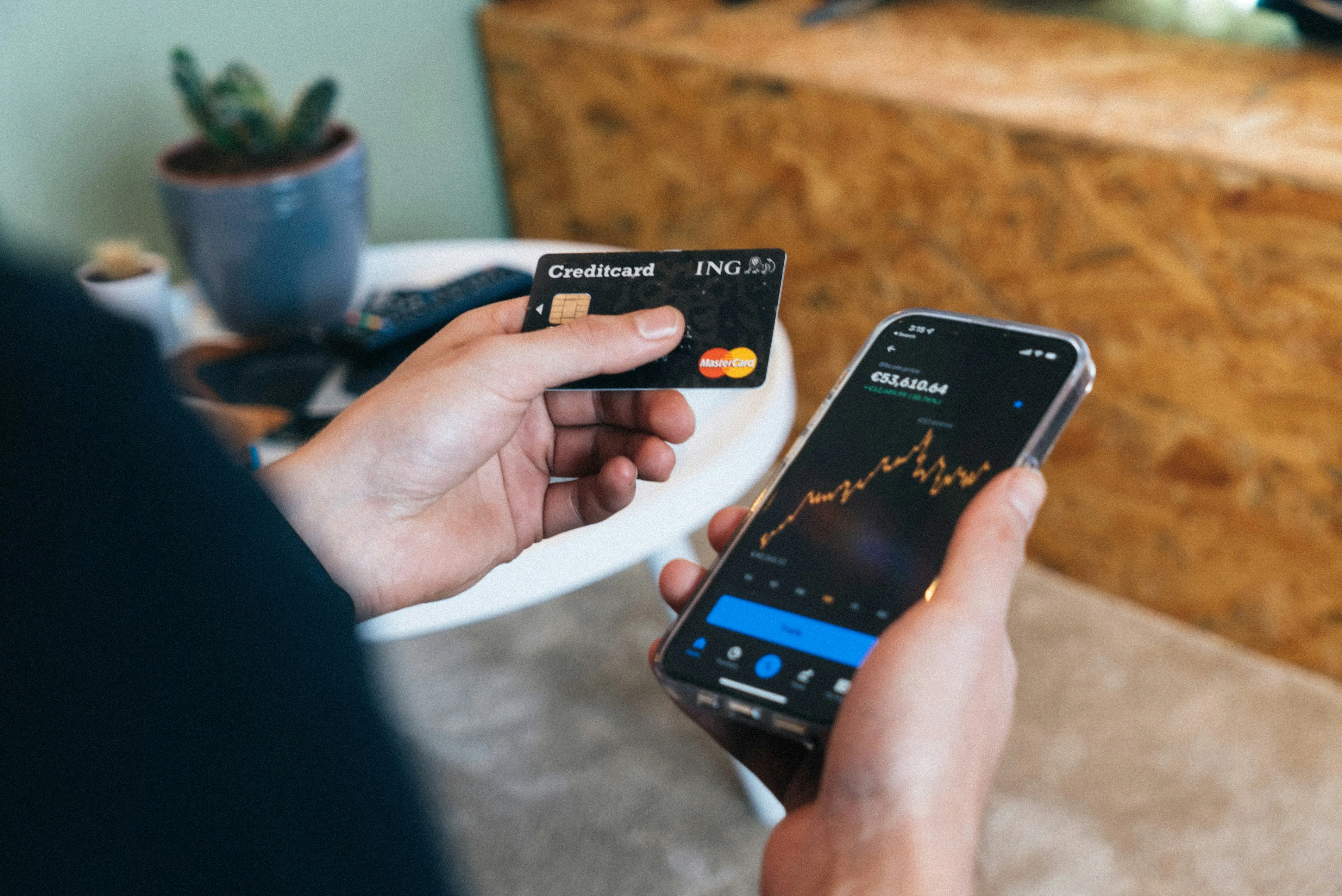
Some guests book multiple Airbnbs only to cancel their reservation just days (or even hours) before the check-in date. This can leave hosts in a difficult situation, since they have almost no time to rebook the property.
Booking multiple properties might seem like a good idea for renters, since they can cancel reservations ahead of time without much risk. However, if there are cancellation fees, renters will be on the hook to pay them. Hosts should be cautious of guests who repeatedly book and cancel at the last minute.
Additional unauthorized guests
Guests may try to bring more people to the rental property than communicated in their booking request, usually by sneaking them in. This can lead to overcrowding, higher risk of damage to the property, and occupancy limit violations. It's crucial to clearly communicate the maximum occupancy allowed at your STR with guests.
Accidental overpayment
Overpayment scams involve sending more money than is needed for a stay. The guest might claim it was a mistake and offer a plausible explanation, then request a refund for the excess amount, usually asking for it to be sent through an insecure method like a wire transfer. Their initial payment then turns out to be fraudulent, leaving hosts at a loss if they refund the overpayment.
Hosts should be cautious of anyone who overpays and requests refunds, especially if the payment method seems suspicious or insecure.
Credit card chargebacks
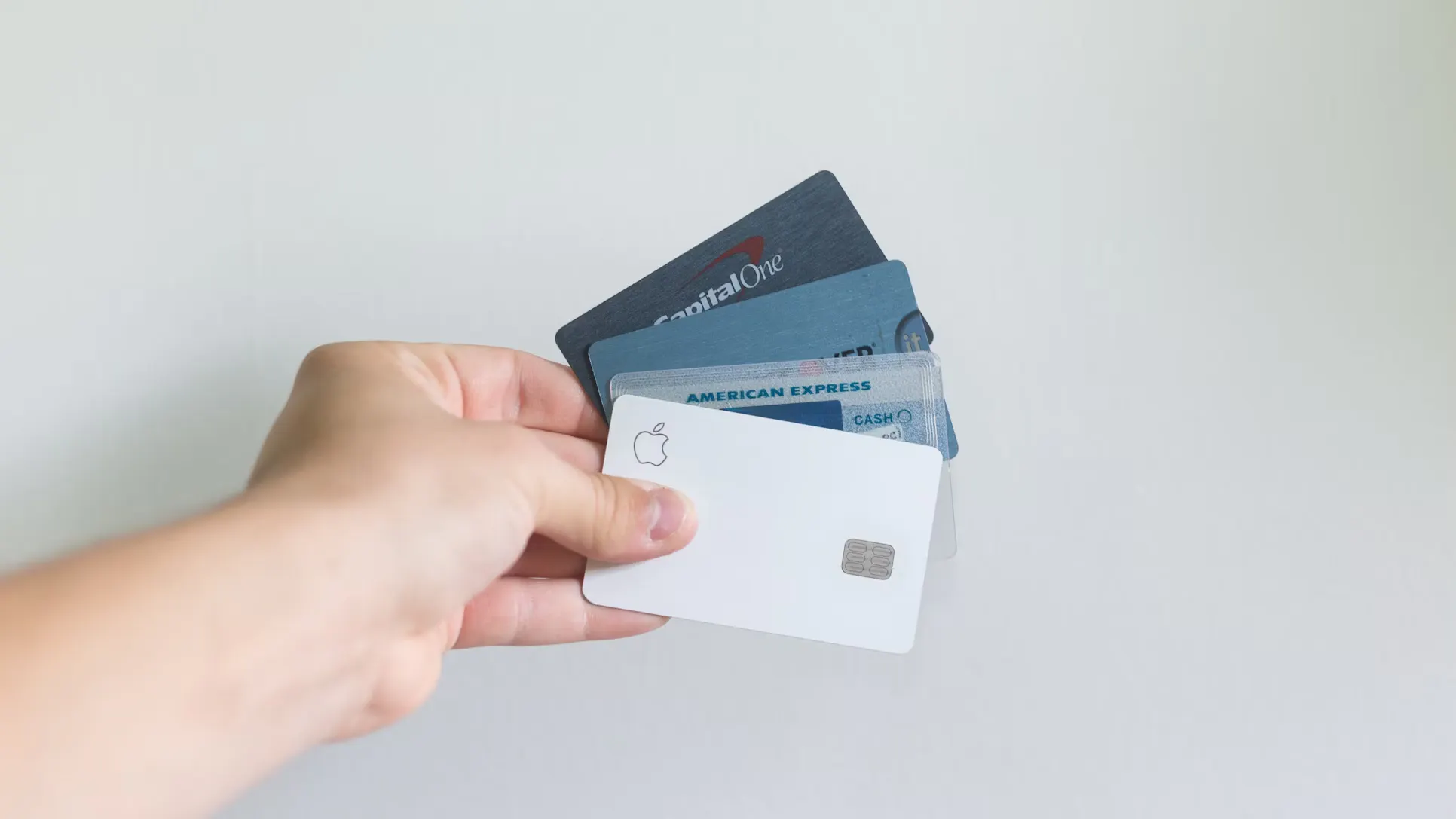
Some guests will pay for their stay with a credit card and then dispute the charge with their card issuer, saying it was unauthorized or fraudulent. If the funds are reversed from the host's account, they are left without payment for the booking.
Hosts should keep detailed records of transactions so they can dispute fake chargebacks with evidence, such as guest emails and proof of the booking.
Threat of a bad review
Reviews and ratings are crucial to maintaining bookings and keeping rental revenue high on Airbnb. Some guests threaten hosts with bad reviews if they don’t provide a refund or some other concession outside of Airbnb's policies. They exploit host fears around the impact of negative feedback on the Airbnb’s reputation.
If this happens to you, keep calm and direct these guests to Airbnb’s resolution center, which is there to protect both hosts and guests from fraudulent behavior.
Refusing to pay for damage
Guests may cause damage to the property during their stay and then refuse to take responsibility for it, leading to unexpected repair costs that can be expensive.
Hosts should thoroughly document the condition of their property before and after each guest's stay, taking photos and keeping records of any damages reported by guests or discovered after they leave. You can also require an upfront security deposit or utilize the AirCover for Hosts program to insure against property damage caused by guests.
Other scams targeting Airbnb hosts
There are several other ways that guests may try to exploit Airbnb hosts. They usually involve some form of manipulating the booking process, evading payment, or taking advantage of a host’s hospitality.
Some examples of other scams can include:
- Fake reviews
- Misrepresenting booking intentions
- Attempts to negotiate lower rates after booking
Clear policies, good communication, and due diligence are the best protection against Airbnb guest scams.
Host Confidently
Know exactly how much to charge based on your vacation rental pricing strategy.
Common Signs of Airbnb Scams by Guests
Scammers aren’t always easy to spot. Most of the time their motives seem innocent and harmless, but there are some red flags that can keep you out of a jam—if you pay enough attention.
No Airbnb booking history
Guests who have no prior booking history on Airbnb (or limited activity) should raise suspicions. You can always look at a prospective guest’s Airbnb profile to get a feel for whether they’re legitimate or not.
Incomplete guest profile
Profiles that lack personal information or verifications, such as incomplete bios or missing profile pictures, may indicate someone with fraudulent intentions.
Fake name
Guests using obviously fake names or aliases may be attempting to conceal their identity. Fake names are usually inconsistent across different modes of communication. They might have improper spelling or sound overly generic. Look for verification wherever possible.
Strange email address
Guests who use non-standard or suspicious email addresses might be trying to scam you and avoid detection.
Requests to use insecure payment
If a guest asks to pay you with an unconventional or insecure payment method, run.
These methods include:
- Wire transfers
- Cash
- Crypto
- Unfamiliar payment platforms
Requests to communicate outside the platform
Some guests attempt to avoid Airbnb security measures by asking to communicate outside of its messaging system, such as via email or phone. Chatting outside secure channels can put you at risk.
Unusual requests
You should thoroughly investigate any requests or behaviors that seem out of the norm. Trust your gut—it’s a good indicator when something is wrong.
Sends you a suspicious link
Guests who send links to external websites or ask you to click on suspicious booking links are probably phishing. Airbnb reservations won’t ask you to click on links outside the Airbnb website.
Infrequent or difficult communication
Guests who are unresponsive or who provide vague answers may be attempting to avoid scrutiny. Give them a closer look.
Books at the last minute
Last-minute bookings, especially without prior communication or from unverified users, could indicate a scam.
How Airbnb Hosts Can Protect Themselves from Airbnb Scams by Guests
- Verify all guest profiles: Take time to review guest profiles before accepting bookings. Look for completed profiles with verified information, including profile photos, reviews from other hosts, and accessible government IDs or email addresses.
- Check guest reviews: Read the reviews left by other hosts to spot red flags or troubling patterns, such as reports by multiple hosts of disruptive behavior, property damage, or suspicious activity.
- Use secure payment methods: Only accept payments through Airbnb's secure platform to protect against fraudulent transactions. Do not accept cash, wire transfers, or other alternative payment methods that lack Airbnb’s built-in protections.
- Communicate frequently with guests: Open and transparent communication throughout the booking process can help to clarify expectations, enforce house rules, and streamline check-in.
- Do not refund overpayments right away: If a guest overpays and requests a refund, take the time to verify the legitimacy of the overpayment before processing any refunds, as this is usually a fraud tactic.
- Be wary of unusual requests: Requests for host personal information, to communicate outside of Airbnb, or use insecure payment methods are all signs of potential scams.
- Familiarize yourself with Airbnb's policies: Get to know Airbnb's policies and guidelines for hosts, including cancellation policies, security deposits, and how to resolve disputes. Understanding your rights and responsibilities can help you to navigate potential guest scams effectively.
- Take precautions with last-minute bookings: Be careful with last-minute bookings, especially from potential guests with incomplete profiles or limited booking history.
- Document damage and incidents: Keep detailed records of any damage or incidents that occur during a guest's stay. Take photos, videos, and written notes to document the condition of your property before and after each reservation—it can be valuable evidence should a dispute arise.
- Trust your gut: If something feels off or suspicious, trust your instincts and proceed with caution. It's better to err on the side of caution and decline a booking than to expose yourself to a scam.
Airbnb hosts can minimize their exposure to scams and protect their properties, finances, and reputation within the Airbnb community by following these proactive measures and staying vigilant.

Calculate potential earnings
Understand the investment potential of any address in the world.
What to Do if You Fall Victim to a Scam
- Document everything you can: Communication with the guest, booking details, photos or videos of any damage or incidents, and other evidence can help support your case. Maintaining good records of your hosting activities is a best practice regardless of scams, and will make the information more readily accessible should you get duped.
- Contact Airbnb support: Get in touch with Airbnb's customer support team right away to report the scam and get help. Give them a detailed account of what happened, along with any supporting documentation so that they can investigate the issue.
- File a Resolution Center case: If the scam involves financial loss or property damage, you’ll need to dispute it through Airbnb’s Resolution Center.
- Review Airbnb's Host Guarantee: Airbnb's host damage protection program can guide you in how to file a claim for reimbursement.
- Consider legal action: Depending on the severity of the scam and the extent of your losses, you may want a lawyer to help you take legal action against the responsible party.
- Protect your property: You may need to make additional repairs and security upgrades following a scam. Consider changing locks, installing cameras, and beefing up internet security.
- Monitor your account: Keep a close eye on your Airbnb and bank accounts, and report any unusual activity to Airbnb's support team immediately.
- Seek support from other hosts: Other Airbnb hosts can provide support and advice, as many have experienced similar scams or situations.
- Stay informed and vigilant: Bad experiences make for great lessons, unfortunately. Keep up on common scams and fraudulent tactics, and be vigilant when interacting with guests and managing your Airbnb listings.
Conclusion
The best way to avoid a scam is to recognize the warning signs and implement proactive measures. Remember to vet your guests, communicate often through Airbnb’s secure platform, and keep records of your guest interactions and transactions. Your vigilance can help create a better experience for you and your guests.
Frequently Asked Questions
What are the most common Airbnb scams by guests?
The most common Airbnb scams by guests are fake profiles, phishing attempts, identity theft, last-minute cancellations, and bringing unauthorized guests.
How can I identify a fake Airbnb profile?
Fake Airbnb profiles usually contain incomplete information, fake names, or strange-looking email addresses. They lack booking history or reviews, and may ask to chat outside the Airbnb platform.
What should I do if I suspect a guest is attempting a scam?
If you suspect fraudulent activity, trust your gut and communicate your concerns to Airbnb support. Keep records of all your guest interactions and transactions for reference.
How can I protect myself from overpayment scams?
Verify payment details and don’t refund overpayments right away. Communicate with the guest to confirm payment information before processing any refunds.
What red flags should I watch out for when communicating with guests?
Look out for unusual requests, infrequent or difficult communication, and requests to use insecure payment methods or to communicate outside the Airbnb platform. Trust your instincts and be careful.
Try Our Vacation Rental Pricing Tool
Use Smart Rates™ to optimize your pricing strategy.
ARTICLE SUMMARY
Protecting yourself from Airbnb scams by guests—like fake profiles, phishing, and last-minute cancellations—is crucial to safeguarding your short-term rental property.
Bram Gallagher
AirDNA Director of Economics and Forecasting
Bram Gallagher is an Economist at AirDNA, specializing in uncovering insights that drive smarter short-term rental decisions. He put his Ph.D. in Economics from the University of Georgia to work researching and forecasting hotel data with CBRE prior to joining AirDNA, as well as teaching economics at a number of universities. In his spare time, Bram enjoys making wooden furniture with hand tools.
