

 Calculate Revenue
 Research Markets
 Find For Sale Properties
 Compare My Listing
 STR Revenue Calculator
 Custom Comp Sets
 Submarket Insights
 Custom Search Filters
 Rate Recommendations
 Performance Benchmarking
 Competitor Comparison
 Owner Contact Details
 Property-level performance data
 Tourism Insights
 Real Estate Investment Analytics
 About Us
 Sales
Sales Support
 Press
PressWhat Is an REO-Occupied Property and Should You Buy One?
Published: February 13, 2025
Last updated: February 27, 2025

Jamie Lane
Key Takeaways:
- REO-occupied properties are bank-owned homes that still have people living in them after foreclosure.
- While you might get a great deal on the purchase price, you'll face limited property access, uncertain eviction timelines, and hidden repair costs.
- You’ll need experienced legal help, substantial cash reserves beyond the purchase price, and a lot of patience if you want to buy REO-occupied property.
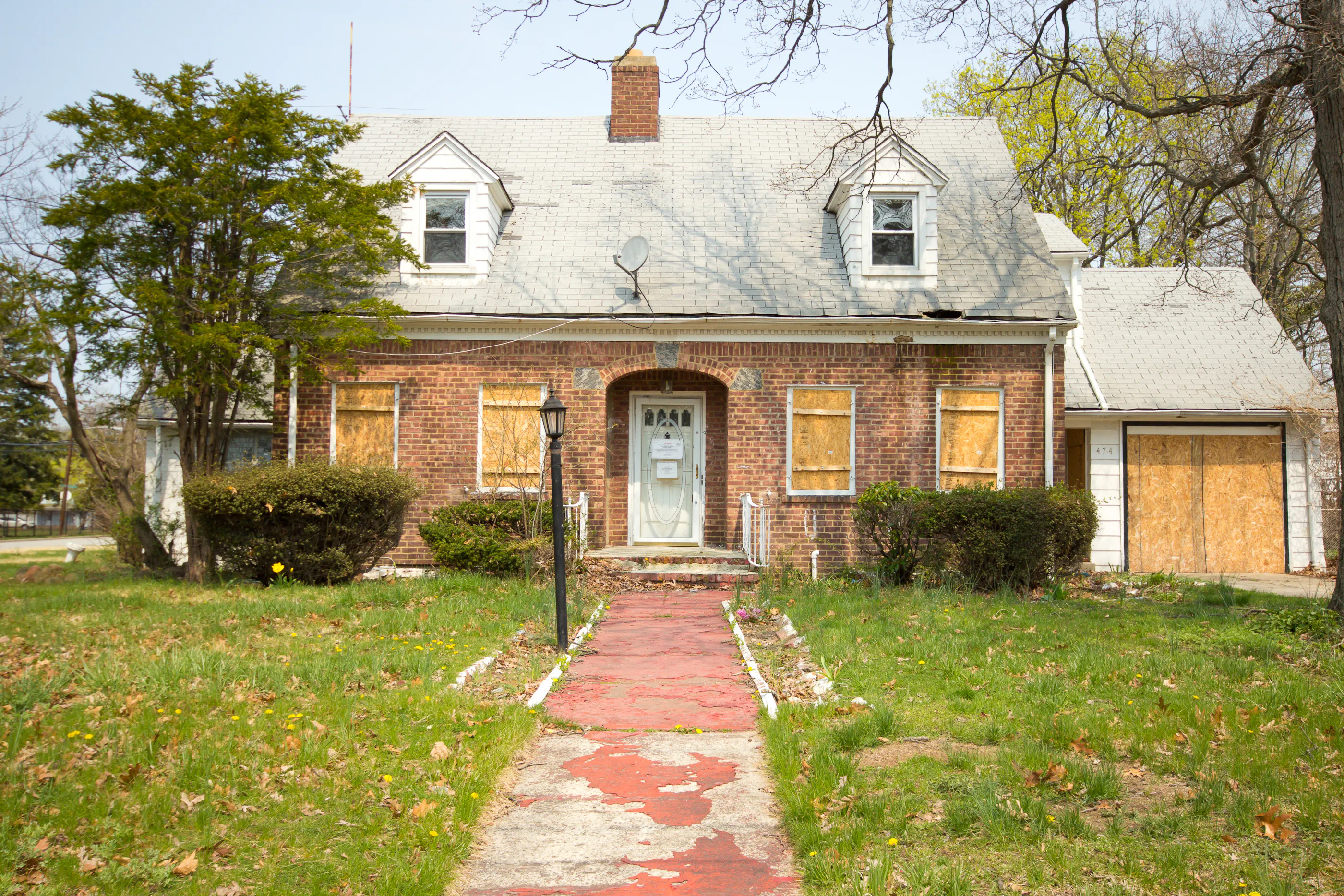
Drive past a foreclosed home and you might notice something unexpected – lights on inside, cars in the driveway, toys in the garden. All signs of people still living there. These are REO-occupied properties: homes the bank owns after foreclosure, but where the residents haven't moved out yet.
For real estate investors, REO-occupied properties can offer serious value – they typically sell below market price and could become anything from a vacation rental to a fix-and-flip.
The catch? You'll need to deal with the people who call your new investment their home, which can mean months of negotiations or legal proceedings. It's why these properties divide investors so sharply – some see the discount as worth the extra work, while others prefer simpler deals. Let's explore what you need to know before deciding which side you're on.
Smart investments happen here.
AirDNA’s powerful yet easy-to-use tools make hosting and investing a breeze. This means having every insight you need, all in one place, always up-to-date.
What Is an REO-Occupied Property?
Let's start with the first part—real estate-owned (REO) properties. These are homes that have gone through foreclosure and are now owned by a lender, such as a bank, Fannie Mae, or Freddie Mac. When a homeowner stops making mortgage payments, the lender repossesses the home and attempts to sell it at a foreclosure auction. If no one buys it, ownership reverts to the lender, who then lists it for sale through traditional real estate channels.
You’d think once a home is foreclosed on, it would be empty, but that’s not always the case. In many foreclosures, eviction isn’t part of the process—the lender takes ownership, but removing occupants is a separate legal step. In some cases, the former owner, tenants, or even squatters may still be living there. When this happens, it’s called an REO-occupied property, and taking full possession often requires legal action, eviction, or negotiations with those still inside.
What to Expect When Buying an REO-Occupied Property
Buying REO properties comes with a lot of uncertainty. Unlike a typical property investment, you won’t immediately take full possession. You also won’t know a whole lot before you buy.
Since the home is still occupied, you likely won’t be able to inspect the interior before buying, meaning there could be hidden damage or major repair needs. The lender may or may not provide details about the occupants, so you might not know if you’re dealing with tenants, the former homeowner, or squatters until after closing.
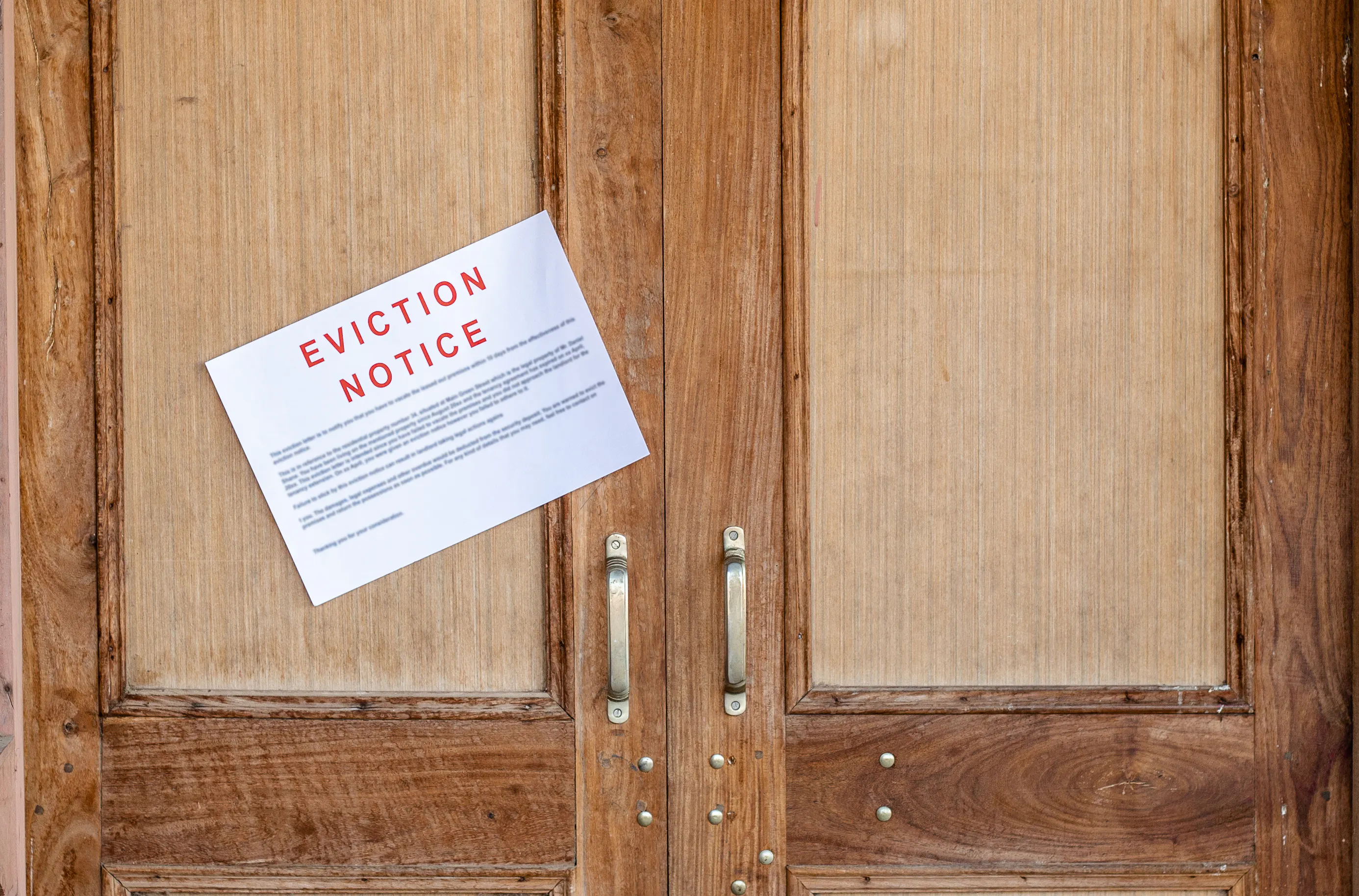
Once you buy the home, it’s up to you to remove the occupants—whether that means going through a formal eviction process, negotiating a cash-for-keys deal, or honoring an existing lease. This can take weeks or even months, making it a longer and more complex investment than a standard home purchase.
The eviction process for an REO-Occupied property
Once you purchase an REO-occupied property, the next step is determining who is still living in the home and how to legally take possession. While some lenders may provide basic details, it’s crucial to gather as much information as possible before closing to avoid unexpected legal and financial challenges. Every situation is different, so working with an experienced real estate agent and/or a real estate attorney is highly recommended.
Find out what you can first
Since the lender or bank holds the property but doesn’t manage it, they may or may not have complete records on the occupants. However, you should always ask for:
- Lease agreements (if applicable) – If the home was previously rented, the lender might have access to lease terms and expiration dates.
- Tenant records – Request any information on prepaid rent, security deposits, or previous eviction attempts.
- Occupancy status – Ask if they know who is currently living there (tenant, former homeowner, or unauthorized occupant).
- Eviction history – In some cases, the bank may have already attempted eviction and can provide insight into ongoing legal issues.
Even after asking these questions, uncertainty remains. Lenders don’t always track who is still inside, and conditions can change between the sale and closing. You won’t know the full occupancy situation until you officially take ownership.
Learn who’s inside and remove them legally
Now that you’ve bought the property, the next step is figuring out who’s still inside and what legal rights they have. The lender may not have given you complete or updated records, so you’ll likely need to confirm the situation yourself. Some investors knock on the door to introduce themselves and assess the situation, while others wait until official notices are served to determine who responds. Either way, it’s important to proceed carefully and legally.
Once you know who’s inside, the next step is removing unauthorized occupants or handling tenants legally. The process varies based on the situation:
- Former homeowners – If they refuse to leave, you’ll need to file for formal eviction. If they challenge during the foreclosure process, removal can take months.
- Tenants with leases – If the lease is still valid, you may have to honor it until expiration or follow legal steps to terminate it. Some states require landlords to provide notice and relocation assistance.
- Squatters – Depending on state laws, you may need to go through a formal eviction or prove trespassing to have them removed. Some areas have squatter’s rights laws that complicate removal.
Do your research and work with a real estate attorney or experienced agent to ensure you follow the correct legal process and avoid costly mistakes. Eviction laws vary by state, so understanding your rights—and the rights of the occupants—is key to taking full possession of the property.
Consider cash-for-keys instead
Instead of going through the courts, some investors offer cash-for-keys—a deal where the new owner pays the occupants to leave voluntarily. The amount offered in a cash-for-keys deal varies depending on factors like location, occupancy type, and how motivated the occupant is to leave.
This can be a smart option because it:
- Gets you possession of the property faster – Evictions can take months, but a cash-for-keys deal speeds things up.
- Saves on legal fees – Avoiding court means lower costs for attorneys and filing fees (although how much you save depends on the cash deal you negotiate).
- Reduces damage risks – People who leave willingly are less likely to vandalize the home on departure.
While it requires an upfront payment, cash-for-keys can be cheaper and quicker than a drawn-out eviction, making it an attractive choice for investors looking to renovate, rent, or sell the property quickly.
Pros and Cons of Buying REO-Occupied Property
Buying an REO-occupied property means balancing opportunity with risk. Here's what you need to know before deciding if the potential payoff is worth the extra work.
Pros of Buying REO-Occupied Property
Below-market purchase prices
REO properties—especially those still occupied—can sell for anywhere from 10% to 25% below market value, depending on the market, location, condition, and occupancy situation. The discount is typically larger when:
- The property requires significant repairs – The more neglected the home, the less competitive the bidding.
- The eviction process is expected to be lengthy – If an occupant is likely to fight eviction, the price may be lower to reflect the time and legal costs involved.
- The bank is highly motivated to sell – Some lenders price aggressively to clear non-performing assets from their books.
However, investors need to look beyond the purchase price alone. While REO-occupied properties can offer significant discounts, they also come with added expenses—some predictable, others unexpected. Legal fees, eviction costs, and repairs can quickly add up, making it essential to account for the total cost of acquisition, not just the upfront price.
A good rule of thumb is to budget at least 20% of the purchase price for legal proceedings, holding costs, and potential repairs—though this number can fluctuate depending on the home's condition, the length of the eviction process, and any hidden damage that emerges after the occupants leave.
Long-term investment potential
Once vacant and restored, an REO-occupied property can be transformed into a profitable investment. Investors have multiple options for generating income:
- Long-term rental – Turning the property into a traditional rental can provide consistent monthly cash flow. With rental demand in many markets remaining strong, a well-located REO home can generate reliable income for years to come.
- Fix-and-flip – Some investors purchase REO properties, renovate them, and sell them for a profit. Because these homes are often priced below market value, there’s an opportunity to add significant equity after repairs.
- Short-term rental (STR) – In high-demand areas, REO properties can be converted into vacation rentals. After addressing occupancy and making the necessary upgrades, a well-located STR can generate higher nightly rates and greater profitability than a long-term lease.
The key to success is ensuring that the property’s acquisition cost + renovation budget + holding costs still leave room for strong returns once the home is fully operational.
Opportunities for value-add improvements
Many REO properties need renovations, but that can be a great opportunity for investors who know how to maximize value with the right updates. Instead of buying a home at full market price with little room for improvement, an REO property gives you a blank slate to:
- Modernize kitchens, bathrooms, and living spaces to boost resale value.
- Enhance curb appeal with landscaping and exterior upgrades.
- Improve energy efficiency (windows, HVAC, insulation) to attract buyers or renters.
- Customize the home for short-term rentals with layouts and amenities that maximize bookings.
Renovations can make a bigger difference in short-term rentals than in long-term rentals. Upgrades like modern finishes, stylish décor, and guest-friendly amenities can help you charge higher nightly rates and attract more bookings, making an STR a more profitable option. Before buying, it's a good idea to look into local demand and potential earnings—and to get a clear picture of what the property could be worth as a vacation rental to make sure the investment makes sense.
Calculate potential earnings
Understand the investment potential of any address in the world.
Cons of Buying REO-Occupied Property
Limited access and uncertainty
When purchasing an occupied REO property, you’re buying with limited access and minimal information. Since the home is still occupied, the lender won’t allow interior inspections, so buyers must rely on exterior assessments, old listings, and public records to estimate risks. You also won’t know the full occupancy situation until after closing—meaning the home could still be occupied by a former owner refusing to leave, tenants with legal protections, or squatters who may require formal eviction.
Some details may be available if you know where to look. Conducting a title search can reveal outstanding liens or unpaid taxes. Searching past MLS listings might provide old interior photos, while rental history sites may hint at prior tenant use. You can even lookup code violations and permit records to see if the home has outstanding issues. But even with all this research, you may still be running a fool’s errand—these records can be outdated, incomplete, or irrelevant if the home has sat in legal limbo for months or years.
Since REO-occupied properties are sold as-is, all risks fall on the buyer, making it crucial to budget for worst-case scenarios and approach with a solid strategy.
Legal complexities and evictions
One of the biggest challenges is removing occupants. Since eviction processes vary by state, investors must understand local laws before purchasing an occupied REO property.
Property damage risks
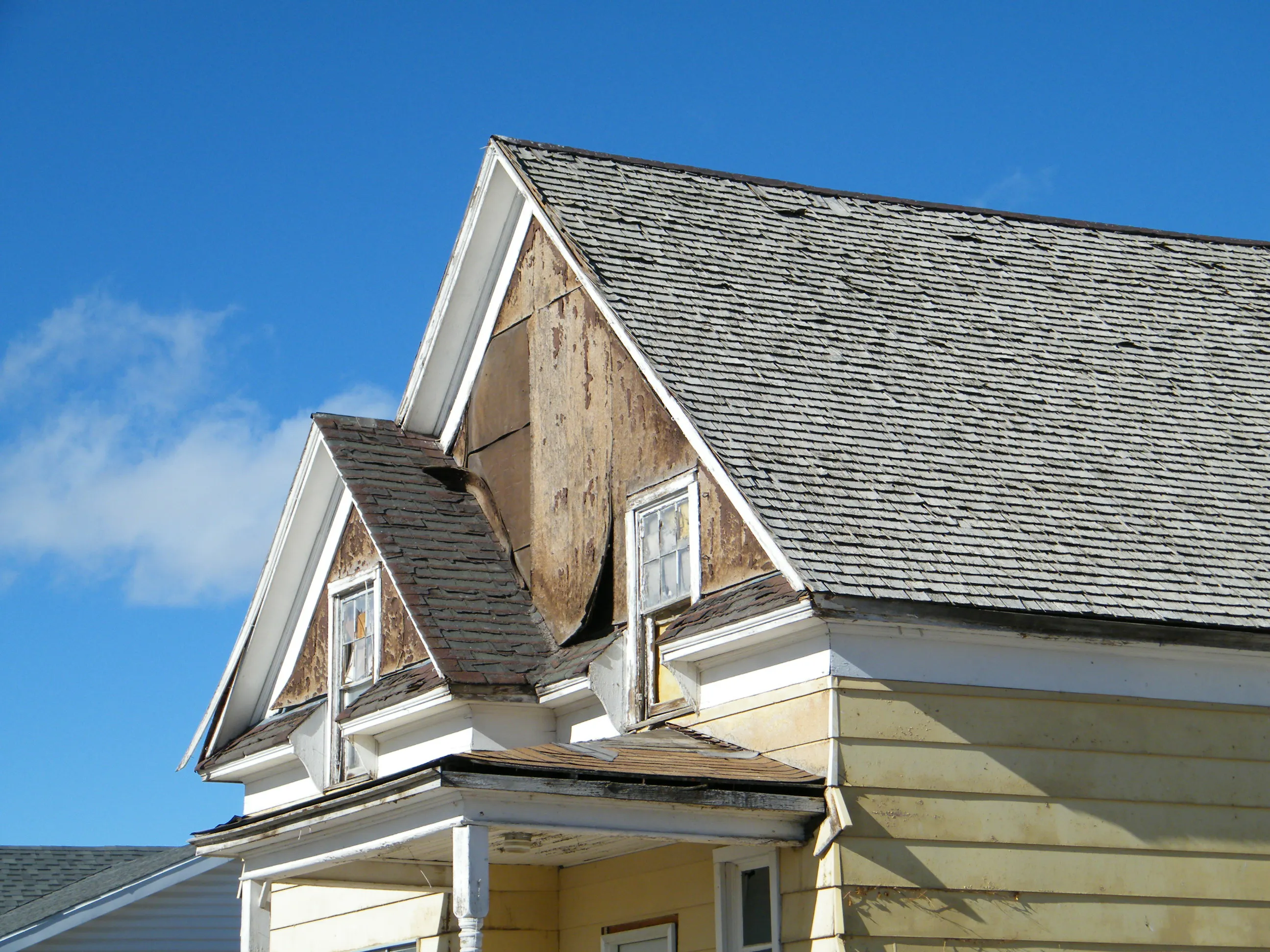
Because investors cannot inspect the home before purchase, they risk unexpected repair costs. Some of the most common damage issues include:
- Vandalism by frustrated former owners or tenants
- Stolen appliances, copper wiring, or other valuable materials
- Plumbing sabotage, including intentional flooding or clogged drains
- Pest infestations or mold growth from long-term neglect
Since occupied REO properties are sold as-is, any damages become the buyer’s responsibility.
Hidden financial costs
Beyond the purchase price, buyers should budget for:
- Eviction expenses, including court fees and legal representation.
- Cash-for-keys payments, if offering a financial incentive for occupants to vacate voluntarily.
- Holding costs, such as property taxes, insurance, and mortgage payments during eviction delays.
- Renovation and repair costs, which can be unpredictable due to unseen damage.
Always budget more than you expect to need. With limited pre-purchase inspection access, costs can be unpredictable, and the holding period during eviction proceedings can stretch longer than anticipated.

Steps to Successfully Acquire an REO-Occupied Property
Find the right property
Start your search through multiple channels to find REO-occupied properties that match your investment criteria. Banks and lenders list these properties on their websites, often with clear labels for occupied status. Many real estate agents specialize in REO properties and can alert you to new listings. Online foreclosure databases and auction sites also regularly feature these properties.
Before making an offer, research:
- Property location and potential — Look at both current market conditions and future growth indicators, including tourism trends and rental demand
- Current occupancy status — Former owner, tenant, or unauthorized occupant will affect your timeline
- Local eviction laws and typical timelines in your area
- Estimated repair costs based on exterior inspection and comparable properties
- Market value for similar properties post-renovation, including both traditional resale and vacation rental potential
Make your offer
The purchase process for REO-occupied properties requires extra attention to detail. Banks sell these properties "as-is" and have specific requirements:
- Submit your offer with proof of funds or financing pre-approval - banks prefer cash offers
- Include larger money deposits to show serious intent
- Sign occupancy disclosures and additional bank-required documentation
- Prepare for a longer closing timeline due to occupancy complications
- Budget for immediate post-purchase costs including legal fees, security, and essential repairs
Take control of your investment
Once you've purchased an REO-occupied property, your next challenge is gaining actual control of the property. This process requires careful documentation, legal steps, and preparation for the eventual vacancy.
Your key steps will be:
- Document everything — occupants, property condition, existing agreements
- Start legal proceedings or cash-for-keys negotiations
- Prepare security measures and essential repair plans
- Line up contractors and permits for post-vacancy work
Remember that gaining control takes time, patience, and cash reserves. Work closely with real estate attorneys and experienced contractors throughout the process – their expertise can help you avoid costly mistakes. Your timeline will depend largely on local laws and occupant cooperation, and unexpected costs can pop up at any stage. Having clear plans and resources ready — including extra funds for surprises – will help you move quickly once you have possession.
FAQs
What does REO-occupied property mean?
An REO-occupied property is a foreclosed home that's owned by a bank or lender but still has people living in it. These occupants could be former owners who haven't moved out, tenants with valid leases, or unauthorized residents. Unlike vacant foreclosures, these properties require additional steps before you can take full possession.
Is buying an REO-occupied property risky?
Yes, these properties come with specific risks. You're dealing with limited property inspection before purchase, uncertain eviction timelines, potential property damage, and hidden maintenance issues. However, you can manage these risks by working with experienced professionals, maintaining adequate cash reserves, and thoroughly researching local eviction laws before purchasing.
How can I finance the purchase of an REO-occupied property?
Most traditional lenders are hesitant to finance REO-occupied properties due to the occupancy situation. Your main options typically include cash purchase (preferred by most banks), hard money loans, private lending, or specialized investment property loans. Once the property is vacant and renovated, you can often refinance with conventional lending.
What happens if an REO property is occupied?
Once you purchase an occupied REO property, you'll need to determine the occupants' legal status and rights. Then you can either begin formal eviction proceedings, negotiate a cash-for-keys agreement, or honor existing valid leases. The specific process depends on local laws and the type of occupancy, which is why working with a local real estate attorney is crucial.
ARTICLE SUMMARY
A bank-owned home might seem like a great deal—until you realize someone is still living there. Before buying an REO-occupied property, it’s important to understand the challenges to decide if the investment is worth it.
Jamie Lane
AirDNA Chief Economist
He is responsible for data analysis, thought leadership, and leveraging advanced analytical techniques to provide new insights into short-term rental market trends. Native to Atlanta and an Airbnb host himself, Jamie enjoys cycling, mountain biking, backpacking, running, and playing in a dart league in his free time.
