


Short-Term Rental Bonus Depreciation in 2025: What You Need to Know
Published: August 28, 2025
Last updated: September 25, 2026

Bram Gallagher
Key Takeaways
- The One Big Beautiful Bill Act (OBBA) restored 100% bonus depreciation in 2025, letting Airbnb hosts and short-term rental owners fully deduct qualifying asset costs.
- Properties that qualify as businesses may use the short-term rental tax loophole to apply bonus depreciation beyond rental income.
- With the bonus depreciation 2025 percentage set at 100%, now is the time to plan upgrades, place assets in service, and reduce your tax bill.
A rare tax window just reopened and it won’t stay open forever.
Thanks to the One Big Beautiful Bill Act, 100% bonus depreciation is back and it’s a game-changer for STR owners. Instead of spreading write-offs over years, you can now deduct the full cost of things like furnishings, appliances, and renovations the same year they’re placed in service.
For Airbnb hosts and short-term rental investors, this means bigger, faster deductions that free up cash flow and accelerate growth, whether you're upgrading your space or scaling your portfolio.
In this guide, we’ll break down how Airbnb bonus depreciation works, what’s changed under the bonus depreciation 2025 rules, and how to use it to your advantage. We’ll also flag a few key pitfalls so you can sidestep surprises and make the most of this window of opportunity.
What Is Bonus Depreciation?
Bonus depreciation is a tax incentive that allows you to deduct the full cost of certain business purchases immediately, rather than spreading those deductions over several years. For short-term rental owners, this typically applies to furniture, appliances, and eligible property improvements.
Bonus depreciation vs. standard depreciation
Standard depreciation, also called straight-line depreciation, spreads the cost of an asset over its useful life. For example, a $10,000 improvement might be deducted gradually over 5, 7, or even 15 years, depending on the asset type.
Bonus depreciation allows you to deduct a much larger portion (or in some cases, 100%) of that cost in the first year the asset is placed in service. This creates faster tax savings and can significantly improve cash flow for property owners who are actively investing in upgrades.
Here’s how it works in practice. If you spend $15,000 on furniture for your rental, standard depreciation might give you just a $2,000 deduction this year, with more spread out over time. Bonus depreciation lets you deduct the full $15,000 on your tax return for the same year the furniture is installed and ready for use.

Bonus Depreciation Changes in 2025 Under the Big Beautiful Bill
Bonus depreciation wasn’t always guaranteed in 2025. In fact, it was on its way out.
Under the Tax Cuts and Jobs Act (TCJA) passed in 2017, businesses could temporarily deduct 100% of the cost of qualified property (like furniture, appliances, and certain improvements) in the same year those items were placed in service. This was a major incentive designed to spur investment and economic growth, but it came with a catch: the 100% deduction was scheduled to phase out gradually.
Here’s how that original phase-down timeline looked:
- 2017–2022: 100% bonus depreciation
- 2023: 80%
- 2024: 60%
- 2025: 40%
- 2026: 20%
- 2027: 0%
By early 2025, STR investors were preparing for a tax cliff, where deductions would shrink just as renovation and furnishing costs were climbing. Many operators assumed they had missed the window to claim full write-offs on major expenses.
Then the One Big Beautiful Bill Act (OBBBA) changed everything.
Passed in July 2025, the bill reinstated 100% bonus depreciation for property placed in service after January 19, 2025. That means STR owners once again have the opportunity to deduct the entire cost of eligible business-use assets in the same year they are installed and ready to use.
For short-term rental investors, this change delivers immediate and practical benefits. If you're planning to furnish a new unit, upgrade finishes, or renovate an existing listing, placing those assets in service before year-end could result in substantial first-year tax savings.
The restored bonus depreciation rules make it possible to:
- Lower your taxable income right away
- Improve your cash flow
- Reinvest in your STR business faster
That makes 2025 a smart time to revisit your plans, accelerate upgrades, and ensure eligible assets are placed in service before the deadline.
How Bonus Depreciation Works for Short-Term Rentals
Short-term rentals are often treated as businesses by the IRS, not passive rental properties, if they meet certain conditions. That classification is what allows STR owners to take advantage of powerful deductions like 100% bonus depreciation.
To qualify as generating active income, your property must generally meet both of the following:
- The average guest stay is fewer than 30 days.
- You provide services during the stay, such as cleaning, fresh linens, or guest support.
If your STR meets these criteria, the IRS treats it like a business, not a typical long-term rental. That opens the door to: faster property depreciation timelines, full deductions under bonus depreciation rules, and the potential to use the short-term rental tax loophole to apply those deductions beyond just rental income

Assets Eligible for Bonus Depreciation in STRs
Not everything in your short-term rental qualifies for bonus depreciation, but many of the assets you're likely to purchase do. To qualify under IRS Section 168(k), assets must:
- Be used in a trade or business (your STR must be operated like a business)
- Have a useful life of 20 years or less
- Must be placed-in-service (which means installed and ready for guests to use) in the same tax year you’re claiming the deduction
This includes most furnishings and interior upgrades commonly made by STR owners.
Here are some examples of assets typically eligible for 100% bonus depreciation in 2025:
- Furniture: beds, sofas, dining sets, nightstands, outdoor furniture
- Appliances: dishwashers, dryers, stoves, refrigerators
- Electronics: TVs, security systems, routers, smart home devices
- Fixtures and finishes: new flooring, light fixtures, cabinetry, countertops
- Installation and delivery costs: if directly tied to eligible assets
- Qualified Improvement Property (QIP): interior, non-structural upgrades made to an existing building already placed in service—such as painting, drywall repair, or HVAC systems.
Want to take it even further? If you’ve purchased a full property or done a major renovation, a cost segregation study can break down your building into components (like cabinets, flooring, or lighting) that qualify for faster depreciation. Many of those assets fall into 5-, 7-, or 15-year classes, making them eligible for 100% bonus depreciation under the 2025 rules.
While a study can cost a few thousand dollars, the potential first-year tax savings often far outweigh the upfront expense, especially for higher-value STRs. Talk to a tax pro to see if it’s worth it for your situation.
Improvements that don’t qualify for bonus depreciation
Not every property upgrade is eligible for 100% bonus depreciation. The IRS draws a line between non-structural interior improvements (which may qualify) and major structural work (which doesn’t).
Here are examples of improvements that generally do not qualify:
- Roof replacements
- Foundation repairs or framing changes
- Building expansions or structural additions
- Exterior work like walls, windows, decks, or landscaping
These types of projects either fall outside the 20-year recovery window or are considered structural improvements—making them ineligible under current bonus depreciation rules.
If you’re unsure where your planned upgrades fall, a short-term rental CPA can help you categorize your assets correctly and avoid surprises during filing or an audit.
How to Calculate Bonus Depreciation
Bonus depreciation might sound technical, but calculating it is actually pretty straightforward once you understand the rules. The key is knowing what qualifies, when to apply it, and how it impacts your taxes based on how you report your short-term rental income.
Here’s how to calculate bonus depreciation on your short-term rental purchases:
Determine your cost basis
This includes the total amount you paid for the asset, plus any related costs like shipping, installation, or setup. For example, if you buy a $5,000 couch and spend $500 on delivery and assembly, your cost basis is $5,500.
Confirm the asset is eligible
The asset must have a useful life of 20 years or less, be used in your STR business, and be placed in service during the tax year you’re claiming the deduction.
Apply the bonus depreciation percentage
For 2025, that percentage is 100%. So if the total cost basis is $10,000 and all of it qualifies, you can deduct the full $10,000 on your 2025 tax return.
Track your placed-in-service dates
The asset must be installed and ready to use for guests by December 31, 2025 to qualify for this year’s deduction. Keep receipts, install dates, and any relevant records to support your claim.
Report it based on how you manage your STR
If you’re actively managing your STR (handling bookings, guest communication, cleaning, etc.), your rental may qualify as a business. In that case, you could report it on Schedule C and use the deduction to offset not just rental income, but also other income like W-2 wages. If your STR is passive, reported on Schedule E, your deduction would apply only to rental income.
Example of Bonus Depreciation Calculation
Let’s say Ben is setting up his first short-term rental in 2025. He spends $20,000 getting it ready for guests:
- $8,000 on furniture
- $4,000 on appliances
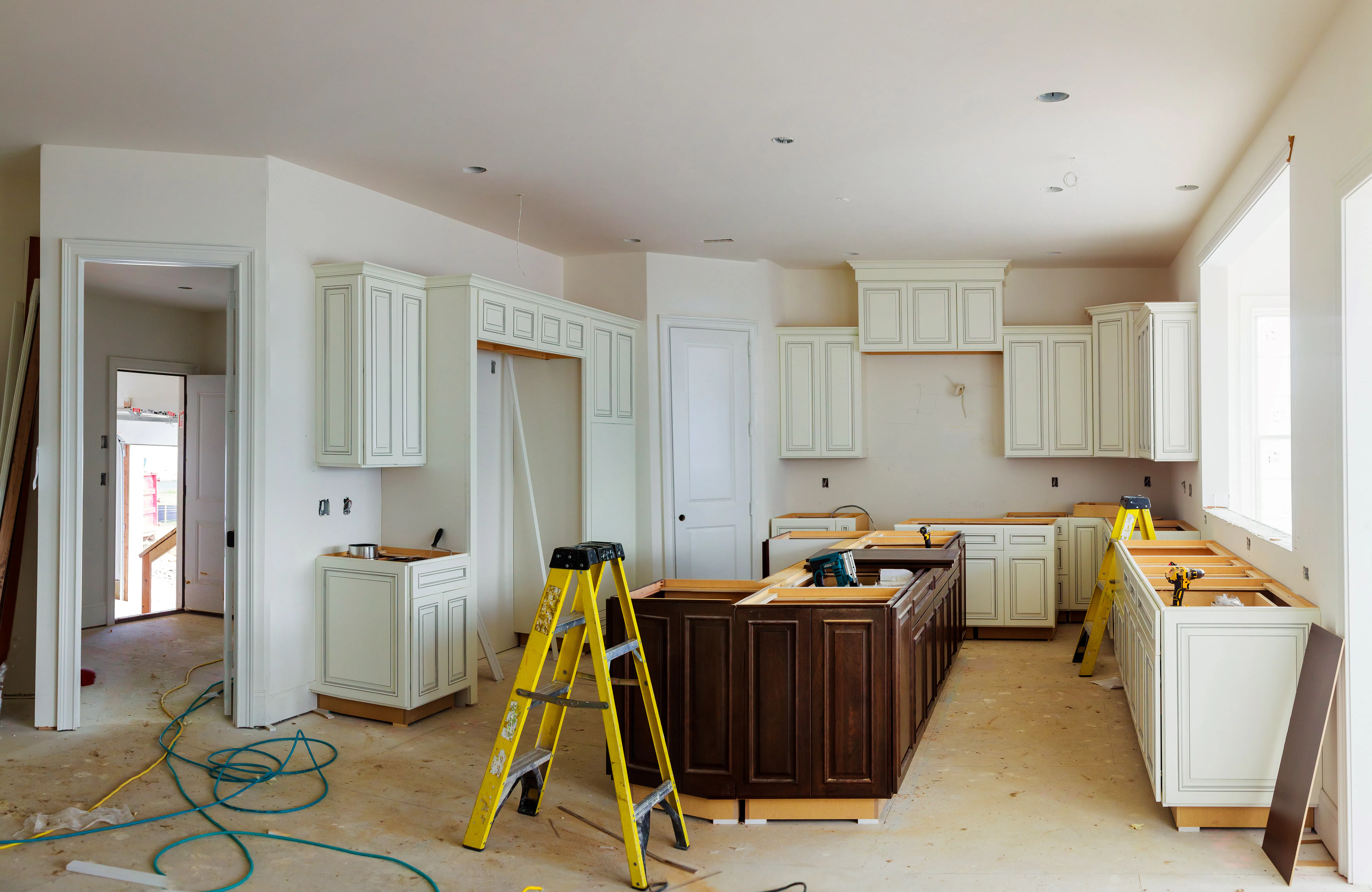
- $6,000 on kitchen improvements (cabinetry, lighting, countertops)
- $2,000 on delivery and professional installation
All assets are placed in service before December 31, 2025, and they fall into 5-, 7-, or 15-year property classes, making them eligible for 100% bonus depreciation.
Because Ben actively manages the property himself (no third-party manager), he reports his rental income on Schedule C. That allows him to treat the STR as a business and apply the full $20,000 deduction against all of his income, including W-2 earnings from his day job.
The result? Ben reduces his total taxable income for 2025 by $20,000, lowering his tax bill and improving cash flow, money he can now reinvest in his listing or set aside for a second property.
What About Section 179?
While bonus depreciation gets most of the spotlight under the One Big Beautiful Bill Act, Section 179 is another tax tool STR owners can use to accelerate deductions. It allows you to write off the full cost of certain business-use assets, but it comes with annual limits and income thresholds. It also requires you to choose which assets to expense.
In contrast, bonus depreciation applies automatically, has no dollar cap, and (thanks to OBBA) is fully restored to 100%.
For most short-term rental investors in 2025, bonus depreciation will be the simpler and more impactful strategy, especially when outfitting or upgrading multiple properties at once.
The Recapture Rule: What Happens If You Sell or Stop Running Your Short-Term Rental
Let’s say you’ve taken full advantage of bonus depreciation. You’ve deducted thousands of dollars upfront on furniture, appliances, and improvements. What happens if you decide to sell your short-term rental… or stop operating it altogether?
That’s where recapture comes in.
What is bonus depreciation recapture?
When you take bonus depreciation, you're writing off the cost of eligible assets now, instead of spreading the deductions over time. But the IRS doesn’t forget that you already got those tax benefits.
If you sell the property or stop using it as a business after taking bonus depreciation, the IRS may "recapture" some of those deductions by treating them as taxable income in the year of the sale or conversion.
In simple terms: You may owe taxes on the depreciation you previously claimed.
And here’s the kicker—even if you didn’t claim the deduction, the IRS still assumes you did. That’s because depreciation recapture is based on “allowed or allowable” depreciation. If you were eligible to deduct it, it’s treated as if you did. Your property’s basis is reduced just the same, and the IRS expects to tax that amount when you sell.
How recapture is calculated
This doesn’t mean you’ll owe the full amount back, but the IRS will tax part of your profit at a higher rate. Specifically, the portion of your gain that reflects the value of those past write-offs is taxed as “depreciation recapture,” often at 25%, instead of the typical capital gains rate (usually 15-20%).
Let’s say you deducted—or were eligible to deduct—$30,000 in bonus depreciation when setting up your STR. A few years later, you sell the property. The IRS doesn’t let that $30,000 go untaxed. They “recapture” it by taxing that amount as ordinary income up to a 25% rate. This can increase your tax bill in the year you sell, even if the property appreciated in value.
How to reduce recapture risk
The good news? Recapture doesn’t have to come as a surprise. In many cases, the long-term savings from bonus depreciation still outweigh the tax hit down the road.
Here are two smart ways to manage the risk:
Hold the property longer
The IRS does not adjust recapture based on the asset’s useful life or how long you've held the property. However, the longer you keep the asset in service, the more value you get from the original deduction—and the longer you defer the tax hit. If you’re planning to hold for 5+ years, the benefit often outweighs the recapture.
Use a 1031 exchange
If you reinvest the proceeds from the sale into another qualifying investment property, you can defer capital gains and depreciation recapture taxes using a 1031 exchange. This strategy requires advance planning and has strict rules, but it’s commonly used by real estate investors to keep growing tax-efficiently.
The bottom line: Recapture is a tax reality, not a penalty. Bonus depreciation still gives STR owners a powerful head start on cash flow and reinvestment. As long as you’re planning ahead, you can make those savings work in your favor over the long run.
Action Plan for STR Investors in 2025
The One Big Beautiful Bill Act has created a powerful but temporary opportunity for short-term rental owners to reduce their tax burden and improve cash flow, but only if you act while the rules are in effect.
Here’s how to make the most of 100% bonus depreciation while it lasts.
1. Identify eligible assets and upgrades
Start by reviewing your current and planned expenses for 2025. Look for items that qualify for bonus depreciation, such as:
- Furniture and décor
- Appliances
- Interior renovations like lighting, flooring, or cabinets
- Smart home devices and electronics
- Installation and delivery costs tied to those assets
If you’ve been holding off on refreshing your space or launching a new unit, now’s the time to move forward. Bonus depreciation applies only to assets placed in service (meaning installed, functional, and ready to use) before the end of the tax year.

2. Time your purchases strategically
Since 100% bonus depreciation is guaranteed only through 2027, placing assets in service sooner rather than later gives you the most flexibility. Planning a full renovation? Consider prioritizing interior upgrades that qualify under Qualified Improvement Property (QIP).
Need to furnish a unit? Confirm delivery and setup are completed by December 31, 2025 to ensure it counts on this year’s return.
3. Track and document everything
Good record-keeping isn’t just for your accountant. It’s your defense if the IRS ever asks for proof.
Document the following:
- Purchase receipts and invoices
- Delivery and installation dates
- Photos or guest-ready listings that show the asset in use
- Any costs bundled into the installation (like setup or shipping fees)
If you’re managing your STR as an active business, also keep a log of your hours spent on bookings, communication, cleaning, and maintenance. This helps support non-passive status and potentially qualifies your income for the QBI deduction, too.
2025 isn’t just another tax year. It’s a window of opportunity for short-term rental investors. With 100% bonus depreciation fully restored, there’s real momentum to upgrade, expand, and operate with more intention. Treat your rental like a business, plan strategically, and you’ll be set to make the most of this rare moment in the tax landscape.
Frequently Asked Questions
What is bonus depreciation?
Bonus depreciation is a tax incentive that lets you deduct a large portion—or even the full cost—of certain business-use assets in the same year you place them in service. For short-term rental (STR) owners, this often includes things like furniture, appliances, and qualified interior improvements. Instead of spreading deductions over several years, bonus depreciation gives you upfront tax savings and better cash flow when you invest in your property.
How do I calculate bonus depreciation?
To calculate bonus depreciation, add up the cost basis of eligible assets (purchase price plus delivery or installation), confirm they were placed in service during the current tax year, and apply the current bonus depreciation percentage. In 2025, that percentage is 100%, so you can deduct the entire cost on your tax return if your STR qualifies as a business and the assets meet IRS guidelines.
Is bonus depreciation still 100%?
Yes—bonus depreciation is 100% in 2025, thanks to the One Big Beautiful Bill Act (OBBA). Before this law passed, the percentage was phasing down and expected to drop to just 40% in 2025. OBBA reversed that decline and restored full bonus depreciation for qualifying property.
Can I take both bonus depreciation and Section 179 on the same return?
Yes, you can use both bonus depreciation and Section 179, though they operate differently. Section 179 lets you choose which assets to expense and how much, up to an annual limit. Bonus depreciation applies automatically (unless you opt out) and has no dollar cap. Many STR investors use Section 179 for targeted deductions and bonus depreciation for the rest, especially during years when major upgrades or purchases occur.
Bonus depreciation vs. Section 179: What’s the difference?
Both allow accelerated deductions for business assets, but they’re not interchangeable.
- Bonus depreciation: No dollar limit, applies automatically, and allows full deduction in the year an asset is placed in service.
- Section 179: Lets you control which assets to deduct, but comes with annual limits and more rules.
In 2025, most STR owners will find bonus depreciation simpler and more powerful, especially when outfitting or renovating multiple properties.
Is bonus depreciation good or bad?
Bonus depreciation is generally good for STR investors, as long as it fits your tax strategy. It can reduce taxable income and improve cash flow in the short term. However, it’s not free money: you may face depreciation recapture when you sell the property. That said, many investors find the upfront savings outweigh the long-term tax impact, especially if they hold or 1031 exchange the property.
Can you do bonus depreciation on rental property?
Yes, but with a few caveats. Bonus depreciation applies to certain components of rental property, not the land or entire structure. Eligible assets must have a useful life of 20 years or less, such as appliances, flooring, or fixtures. Additionally, short-term rentals that qualify as a business (not passive investments) are more likely to fully benefit from bonus depreciation. If you're actively managing your STR, you're likely in good shape to take advantage.
ARTICLE SUMMARY
A rare tax window just reopened for Airbnb and short-term rental hosts: 100% bonus depreciation is back in 2025. Learn how to use it to fully deduct upgrades, slash your tax bill, and reinvest smarter—before it phases out again.
Bram Gallagher
AirDNA Director of Economics and Forecasting
Bram Gallagher is an Economist at AirDNA, specializing in uncovering insights that drive smarter short-term rental decisions. He put his Ph.D. in Economics from the University of Georgia to work researching and forecasting hotel data with CBRE prior to joining AirDNA, as well as teaching economics at a number of universities. In his spare time, Bram enjoys making wooden furniture with hand tools.


