

 Calculate Revenue
 Research Markets
 Find For Sale Properties
 Compare My Listing
 STR Revenue Calculator
 Custom Comp Sets
 Submarket Insights
 Custom Search Filters
 Rate Recommendations
 Performance Benchmarking
 Competitor Comparison
 Owner Contact Details
 Property-level performance data
 Tourism Insights
 Real Estate Investment Analytics
 About Us
 Sales
Sales Support
 Press
PressShort-Term Rental Insurance Guide: Coverage, Costs, and Providers
Published: December 4, 2025
Last updated: September 25, 2026

Bram Gallagher
Key Takeaways
- Short-term rental insurance is a type of specialized insurance coverage that protects properties used to host paying guests.
- Standard homeowners or landlord insurance usually won’t cover guest-related incidents and short-term rental platform protections have major gaps.
- Most short-term rental insurance policies cover property damage, liability, and lost income, but exclude wear and tear, certain natural disasters, and business use.
Short-term rentals can be a great source of income, but they also come with risks that many hosts underestimate. If you list on a platform like Airbnb or Vrbo, you might assume you're already covered. After all, they offer liability protection and host damage programs. However, those policies have limitations: they don’t cover every kind of damage, may not reimburse lost income, and won’t protect you if the booking happens off-platform.
That’s where short-term rental insurance comes in. These policies are designed to better protect your short-term rental property, your income, and your liability, no matter where the booking comes from.
In this guide, we’ll break down what this coverage includes, what it doesn’t, and how to choose a policy that aligns with your rental strategy, so you can protect your investment and host with confidence.
What Is Short-Term Rental Insurance?
Short-term rental insurance is a specialized type of coverage created to address the unique risks of hosting paying guests. It’s not a completely separate category of insurance, but rather a custom blend of homeowners, landlord, and commercial insurance that’s tailored to fit the unique risks of short-term stays.
Short-term rental insurance fills in the gaps where traditional insurance policies and platform protections fall short.
While short-term rental platforms may offer $1 million in liability coverage or host damage protection, these are limited to specific circumstances and don’t replace a dedicated insurance policy. For example, platform coverage may not apply to direct bookings, off-premises injuries, or business interruption. Plus, if your claim gets denied, there's often no formal appeals process.
That’s why many hosts turn to specialty insurers, like Proper Insurance, that offer policies built for STR operators. These plans typically cover property damage (whether caused by guests or disasters), guest injuries, theft or vandalism, and lost income if your property becomes temporarily uninhabitable.
Costs vary depending on your location, property size, rental frequency, and coverage limits, but most comprehensive policies land between $2,000 and $3,000 per year.

Why Short-Term Rental Insurance Is Worth It
Short-term rental insurance extends beyond covering losses to protecting your income, time, and peace of mind. With the right policy, you’re building a safety net that lets you host smarter and bounce back faster.
Here’s what the right short-term rental insurance can do for you.
- Comprehensive risk protection: Short-term rental insurance is a safety net for hosts should they encounter one of the many risks inherent in hosting guests.
- Financial safeguard: For property owners, their real estate investment is a substantial financial asset. Short-term rental insurance mitigates potential losses, offers a protective buffer, and can provide you with rental income during the time of a claim.
- Resilience: Hosting guests for the short-term introduces distinctive challenges and risks compared to those of a primary residence or even a long-term rental. These risks include increased foot traffic, frequent turnover, and varied occupancy. A short-term rental policy should be robust enough to protect the host from the increased liability, property, and income-related exposures.
- Protection against unforeseen events: From accidental damage to unexpected events or property damage caused by guest incidents, short-term rental insurance provides an additional layer of protection.
- Keeps income flowing: Interruptions in your short-term rental revenue due to covered events can impact property owners significantly. Short-term rental insurance helps preserve income by covering losses during such disruptions.
- Adaptability to market dynamics: The dynamic nature of the short-term rental market requires adaptive solutions, including the more flexible policies that some short-term rental insurers offer.
What Does Short-Term Rental Insurance Cover?
Short-term rental insurance covers more than you might think. Policies typically include coverage for:
- Property damage: Short-term rental insurance covers damages to the physical structure of the property caused by fire, vandalism, natural disasters, and more. This reduces the cost of repairs for property owners.
- Liability coverage: Protection against liability is a key component. If a guest gets injured on the property or if their personal property is damaged, liability coverage steps in to cover legal expenses and potential settlements. If a property is waterfront or has amenities that take guests off-premises, like bikes or kayaks, the host should consider getting a policy that offers off-premises liability.
- Personal belongings: Some policies extend coverage to personal belongings within the rental unit. This may include furniture, appliances, and other items provided by the host. Coverage varies, and hosts should be aware of the limits.
- Loss of rental Income: If your property becomes temporarily uninhabitable due to covered risks, short-term rental insurance can provide compensation for the lost rental income while the property is being restored.
- Additional living expenses: If a covered event forces guests to vacate the property temporarily, the insurance may cover their additional living expenses during the displacement (e.g., the cost of other accommodations).
- Medical expenses: Liability coverage often includes coverage for guest medical expenses resulting from injuries sustained on the property. This can include emergency room visits, surgeries, and related medical costs.
- Legal costs: In situations where legal action is taken against the host, short-term rental insurance may cover legal defense costs, settlements, or judgments up to the policy limits.
- Host protection insurance: Some platforms offer additional coverage like Airbnb's Host Protection Insurance, which provides primaryliability coverage for up to $1 million per claim. It's good to be aware of this coverage, but hosts shouldn't use it as a primary source of protection.

What's Not Covered by Short-Term Rental Insurance?
While vacation rental insurance provides crucial coverage, it's equally important for property owners to be aware of its limitations. Short-term rental insurance usually doesn't cover:
- Wear and tear: Insurance generally does not cover the natural wear and tear of the property or its contents. Regular maintenance and upkeep remain the responsibility of the property owner.
- Intentional damage: Deliberate damage caused by the property owner or guests is often excluded. Hosts should emphasize the importance of responsible guest behavior and following house rules. Only one comprehensive short-term rental policy covers accidental, intentional, and malicious damage by a guest.
- Acts of war or terrorism: Damage resulting from acts of war, terrorism, or other similar events may not be covered. Hosts operating in areas prone to geopolitical risks should explore additional insurance coverage.
- Nuclear accidents: Damage arising from nuclear accidents or related events is typically excluded. This is a specialized area of risk that requires separate consideration.
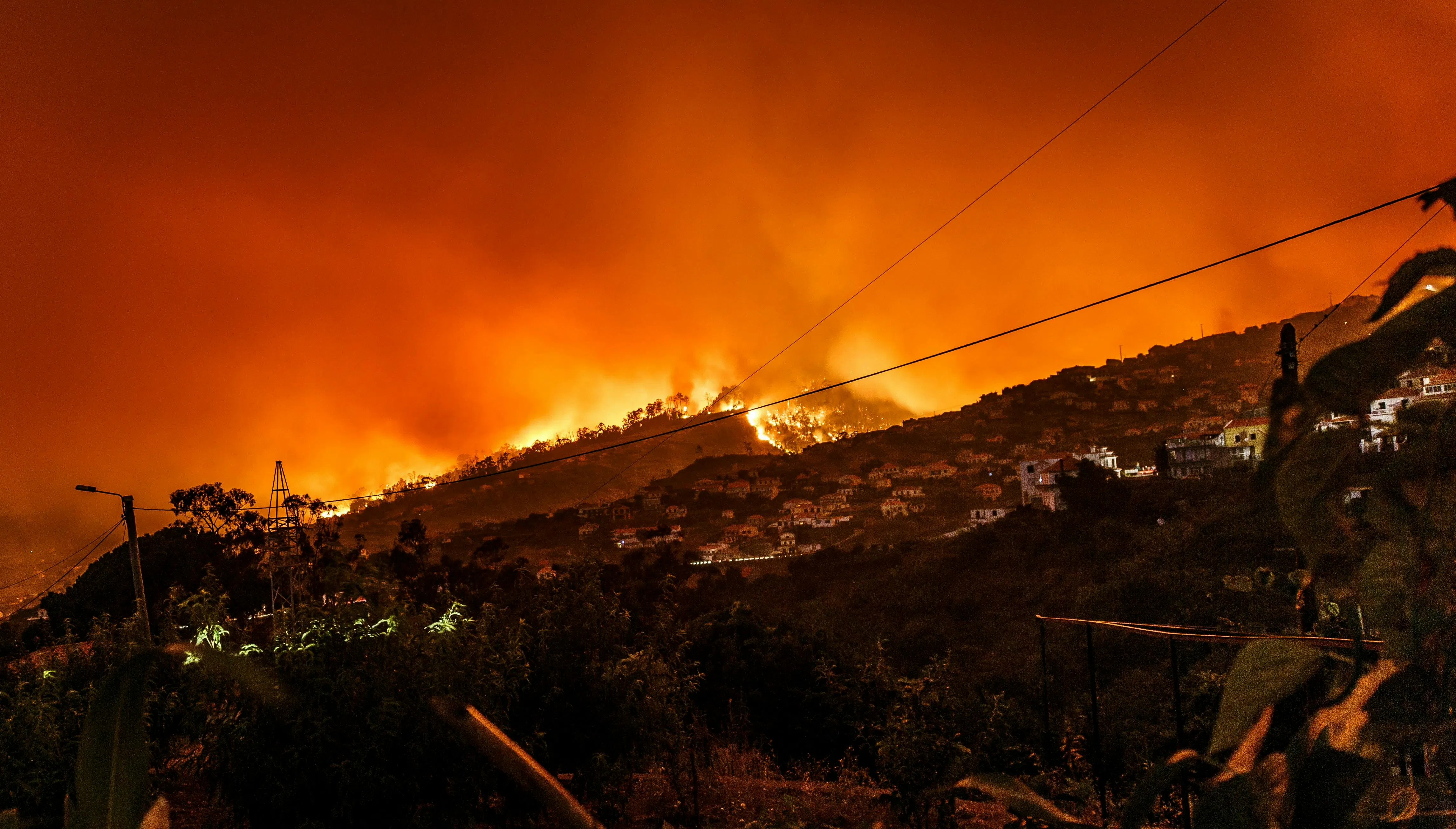
- Certain natural disasters: While some natural disasters are covered, others may be excluded. Hosts in regions prone to specific natural disasters should carefully assess their policy's coverage in this regard. You may need to purchase a separate policy for wildfires or hurricanes, for example.
- Business activities: If the property is used for commercial purposes beyond short-term rentals, those activities might not be covered. Commercial insurance may be necessary.
- Flood damage: Flood damage is commonly excluded from standard policies. Hosts in flood-prone areas should explore separate flood insurance to make sure they get comprehensive protection.
- Pest or rodent damage: Damage caused by pests or rodents may not be covered. Proper property maintenance and pest control are essential for mitigating these risks.
Hosts must thoroughly review policy terms and conditions to understand these exclusions. Additionally, you may need to explore supplemental coverage or specialized policies to address specific risks related to your property and location.
Types of Short-Term Rental Insurance Policies
Not all insurance policies are created equal and that’s especially true in the short-term rental space. Most STR coverage falls into one of three categories. Each has different levels of protection, exclusions, and flexibility, depending on how you host.
All of these policies typically include some level of property coverage (like fire or storm damage) and liability coverage (like guest injury), but what they protect varies significantly.
Here’s a breakdown:
Homeowner’s insurance with a short-term rental endorsement
Best for: Hosts who rent out part of their primary residence (e.g. a spare room or in-law suite).
You can often add a home-sharing endorsement to your existing policy, but it comes with limits. These policies usually cap the number of rental days and income earned. Guest-caused damage and loss of income may not be covered, or only partially.
Landlord insurance with a short-term rental endorsement
Best for: Non-owner-occupied properties rented on a part-time or occasional basis.
Landlord policies typically include some property and liability coverage but often exclude damage, theft, or vandalism caused by guests. Loss-of-rent protection is based on long-term rental rates (not short-term rental income), so reimbursement could fall short.
Commercial short-term rental insurance
Best for: Dedicated STR properties or hosts running a full-time business.
This is the most comprehensive (and customizable) option. It’s built for business use, with broader protection for guest-related issues, off-premises liability, and lost income. Premiums are higher, but so is peace of mind, especially for frequently booked or high-value properties.
At the end of the day, short-term rental hosts should really have aspects of all three policy types. This requires a specialty provider, such as Proper Insurance, who is featured in our YouTube series following a first-time Airbnb host investor.
Additional coverage options
- Umbrella insurance: Umbrella insurance is generally attached to our personal insurance, so they don't respond to business-related claims. Be warned: buying an umbrella doesn’t mean that you're suddenly granted coverage you didn’t have before. Umbrellas fall under “follow form” policies, meaning that they won't cover something if it's excluded from the base insurance coverage.
- Other specialized Coverages: Depending on the specific risks associated with the property's location or unique features, hosts may explore additional coverages such as flood insurance, earthquake insurance, bed-and-breakfast insurance, or special event insurance.

How to Choose the Right Short-Term Rental Insurance
Finding the right short-term rental insurance means aligning your coverage with how you host. That includes your property type, how often you rent, and the kinds of risks your setup might attract. Here’s what to consider and what to ask your provider before you commit to a short-term rental insurance policy.
Clarify your short-term rental activity
Let your provider know that you host guests. If your insurer isn’t aware you’re running a short-term rental, your coverage could be denied during a claim.
Check for business-use exclusions
Many standard homeowners and landlord policies exclude business activity. Ask directly whether your hosting setup is covered or if you’ll need a specific endorsement or commercial policy.
Match coverage to your risks
If you have amenities like a hot tub, pool, or offer off-site experiences (like bikes or kayaks), make sure your liability coverage reflects those added risks. Hosting full-time? Look for policies with loss-of-income protections.
Review coverage limits
Make sure the policy provides adequate protection for property damage, liability, and income loss, especially if your home is high-value or frequently booked.
Understand what’s not covered
Pay close attention to exclusions. Common gaps include intentional damage, certain natural disasters, and direct bookings if you're relying on platform-specific protections.
Ask about claims support
A responsive, straightforward claims process can make all the difference. Ask how long claims typically take to resolve, and what documentation you’ll need if something goes wrong.
Consider your long-term goals
Planning to grow your portfolio? Choose a provider that can scale with you by offering flexible terms, multi-property policies, or custom add-ons as your needs evolve.
How Much Does Insurance for Short-Term Rentals Cost?
Short-term rental insurance isn’t one-size-fits-all and neither is the price tag. Costs can range from as little as $40 per year for limited add-ons to over $4,000 for high-end or high-risk properties. Most hosts can expect to pay between $1,000 and $2,000 annually for a comprehensive policy, depending on factors like property location, rental frequency, and the level of coverage needed.
Some insurers offer specialized plans that account for specific amenities (like pools, hot tubs, or off-site gear rentals) which can influence your premium. Flexible, pay-per-booking models are also available through certain providers, allowing hosts to pass some insurance costs onto guests.
Many experts recommend carrying at least $1 million in liability coverage, especially if your property sees frequent bookings or accommodates larger groups. You also need to be upfront about your rental activity. If your insurer doesn’t know you’re hosting, a claim could be denied, leaving you uncovered when you need support most.

The Best Short-Term Rental Insurance Providers
Several specialized insurance providers now cater to the unique needs of short-term rental hosts. While their policies may seem similar on the surface, the details can vary significantly.
Here are a few key players offering vacation rental insurance policies.
Proper Insurance
Proper offers comprehensive coverage designed specifically for short-term rentals. Their policies combine elements of homeowner, landlord, and commercial insurance into a single contract. Coverage typically includes property damage, liability, business income, and even off-premises liability, such as guest use of amenities like bikes or kayaks. Policies are underwritten by Lloyd’s of London.
Safely
Safely combines guest screening with insurance that protects against guest-caused property damage and liability. Coverage is priced per booking, which some hosts choose to pass on to guests. Policies can complement existing homeowners or landlord insurance to fill key gaps.
CBIZ
CBIZ provides short-term rental insurance for vacation homes, including coverage for both personal and rental use. Policies often include protection for guest injury, property damage, income loss, and detached structures like garages or guesthouses.
Traditional Providers (Allstate, State Farm, etc.)
Some major insurance companies offer short-term rental endorsements for homeowners or landlord policies. These vary widely by location and policy type, and often have limitations, such as excluding direct bookings or only covering occasional rentals in a primary residence.
What About Short-Term Rental Coverage from Airbnb and Vrbo?
Airbnb and Vrbo’s insurance programs offer some protection for the bookings that you receive through their platforms. These guarantees don't apply to direct bookings and shouldn't be your sole source of insurance coverage. View them as an additional safety net in addition to your own short-term rental insurance.
Airbnb Host Protection Insurance
Airbnb provides hosts with a valuable safety net through its Host Protection Insurance program. This serves as primary liability coverage, offering protection of up to $1 million. This coverage kicks in if a guest files a claim against the host for bodily injury or property damage during their stay.
Airbnb Host Guarantee
Complementing the liability coverage, Airbnb's Host Guarantee focuses on safeguarding hosts against damages to their property caused by guests. With coverage extending up to $1 million, this protection is automatically provided to all hosts at no additional cost. Hosts should familiarize themselves with the terms and conditions to ensure comprehensive coverage.
Vrbo Liability Insurance
Like Airbnb, Vrbo offers hosts liability insurance through itsLiability Insurance Program. This $1 million primary liability coverage shields hosts from potential claims related to bodily injury or property damage. Hosts can either rely solely on Vrbo’s coverage for risks related to liability or consider it as additional coverage to an external liability policy.
FAQs
What does short-term rental insurance typically cover?
Short-term rental insurance is designed to cover the kinds of risks that come with hosting guests, especially the ones your standard homeowners or landlord policy may exclude. While exact coverage varies by provider, most policies include:
- Property damage caused by guests, accidents, or certain natural disasters
- Liability protection if a guest is injured on your property and you’re found responsible
- Theft or vandalism, whether committed by guests or others
- Loss of rental income if a covered event makes your property uninhabitable and you can’t host
Some policies also include extras like coverage for your personal belongings, off-premises liability (for things like bikes or kayaks), or guest medical payments. The key is to choose a policy that matches how you host and fills in the gaps left by platform protections or traditional insurance.
Is short-term rental insurance mandatory for hosts?
Short-term rental insurance isn’t legally required in most places, but it’s one of the smartest protections a host can have. Hosting comes with real risks, and most standard insurance policies don’t cover short-term rental activity. Without dedicated coverage, you could be left paying out of pocket for guest-related damage, liability claims, or lost income if your property becomes unusable.
Even if it’s not required, it’s strongly recommended. especially if you rely on your rental income or host frequently.
How does short-term rental insurance differ from regular homeowners insurance?
Homeowners insurance is designed to cover your personal residence, not a property used for business or frequent guest stays. Most standard policies exclude coverage for short-term rentals altogether, especially if you’re earning income from bookings.
Short-term rental insurance, on the other hand, is built for hosting. It typically includes protection for guest-related damage, liability if someone gets hurt during their stay, and lost income if your property can’t be rented due to a covered event. It’s tailored to the risks that come with high guest turnover, something traditional homeowners insurance just isn’t designed to handle.
What factors should hosts consider when determining coverage limits?
When deciding how much vacation rental coverage you need, start with the basics: the value of your property, the cost to rebuild or repair it, and how much rental income you’d lose if the property were out of commission. You should also think about liability risks like pools, stairs, or frequent guest turnover. That could increase your exposure. In general, experts recommend at least $1 million in liability coverage, especially for high-traffic or high-value properties.
Can short-term rental insurance cover property damage caused by guests?
Yes, most short-term rental insurance policies cover accidental damage caused by guests: things like broken furniture, stained carpets, or a kitchen fire. Some policies may even include protection for theft or intentional damage, though coverage can vary. Be sure to check the fine print so you know exactly what’s included and under what circumstances a claim would be approved.
Are there specific insurance options for Airbnb and Vrbo hosts?
Yes, both Airbnb and Vrbo offer insurance programs designed to address the unique needs of their hosts. Airbnb provides host liability insurance and host damage protection, while Vrbo offers liability insurance.
What should hosts do in the event of a claim?
In the event of a claim, hosts should promptly contact their insurance provider, provide necessary documentation (including photos, receipts, and guest information), and follow the prescribed claims process to get it resolved.
Be prepared to provide evidence of the damage, details about when it occurred, and documentation of the property's condition before the incident. Most insurers have specific timeframes for reporting claims, so acting quickly is essential.
Can short-term rental insurance cover personal belongings left on the property?
Short-term rental insurance may cover personal belongings left on the property, but hosts should review their policy terms to confirm this coverage.
Is short-term rental insurance worth it?
Short-term rental insurance is definitely worth considering because it offers financial protection against damages, liability claims, and lost rental income. Without the right policy, a major incident can easily wipe out any profit you’ve earned from hosting. Plus, it can help you maintain a strong reputation among renters by quickly addressing and resolving any incidents that do occur.
How much does short-term rental insurance cost?
The price tag depends on factors like location, property type, and the level of coverage, but national averages typically land between $1,000 and $2,000 a year. Some hosts pay as little as $40 annually for minimal add-ons, while luxury or high-risk properties can exceed $4,000. Always compare multiple quotes to ensure you’re getting both comprehensive protection and a competitive rate.
What is the best insurance for Airbnb?
There’s no one-size-fits-all answer because every rental scenario has unique risk factors and coverage needs. Look for a policy that covers property damage, liability, and business interruption with clear terms about guest-caused incidents. Experts generally recommend at least $1 million in liability coverage, especially if you host frequently. Comparing quotes and policy details is key, so you can address any location-specific risks and ensure seamless coverage.
ARTICLE SUMMARY
Short-term rental insurance is a critical tool for protecting your investment and keeping it profitable in the competitive rental market.
Bram Gallagher
AirDNA Director of Economics and Forecasting
Bram Gallagher is an Economist at AirDNA, specializing in uncovering insights that drive smarter short-term rental decisions. He put his Ph.D. in Economics from the University of Georgia to work researching and forecasting hotel data with CBRE prior to joining AirDNA, as well as teaching economics at a number of universities. In his spare time, Bram enjoys making wooden furniture with hand tools.
