Top 13 Airbnb Markets in Arkansas
Published: June 24, 2025
Arkansas, the “Natural State,” is packed with outdoor adventure, booming college towns, and fast-growing metros—all of which feed a healthy short-term rental (STR) ecosystem. From rugged Ozark vistas to spa-town retreats, investors will find a variety of opportunities that balance affordability with reliable guest demand. Based on AirDNA’s proprietary Market Score, these are the top-ranked Airbnb markets across Arkansas right now.
What Is AirDNA’s Market Score?
Market Score is a proprietary metric that ranks how attractive a location is for short-term rental investment. Each score is calculated using five weighted factors:
- Investability
- Rental Demand
- Revenue Growth
- Seasonality
- Regulation
Scores range from 0 to 100, with higher scores indicating stronger overall market health. Each of the five factors is also given its own 0-100 score inside the AirDNA platform, letting investors zero-in on the drivers that matter most to them.
Understanding Markets vs. Submarkets
This ranking contains both markets and submarkets:
- Markets are larger geographic areas (e.g., metro regions).
- Submarkets drill down to smaller towns, neighborhoods, or lake communities within those regions.
Analyzing both helps reveal hidden pockets of profitability that broader city-level data might miss.
Airbnb Market Overview in Arkansas
Arkansas’s STR landscape is diverse. The northwest corridor anchored by Fayetteville and Bentonville thrives on corporate expansion and university life, while central hubs like Little Rock and Conway benefit from government, healthcare, and business travel. Outdoor-centric submarkets—from Jasper’s Buffalo National River gateway to the Ozark Mountain towns of Harrison and Mountain Home—attract year-round nature seekers. This mix of demand drivers, relatively low home prices, and a moderate regulatory environment positions Arkansas as a compelling option for both new and seasoned STR investors.
This is sample data – view real-time figures inside the AirDNA platform.
AirDNA's Market Score is updated on a monthly basis to reflect the previous month's data. This ranked list is updated annually. Explore the app to get the most current data.
Top 13 Airbnb Markets in Arkansas (Ranked by Market Score)

13. Mena
Market Score: 51.03
Average Annual Revenue: $21,134
Bordering the Ouachita National Forest, Mena attracts ATV riders, hikers, and fall foliage tourists. Limited STR supply and affordable cabins provide a low-cost entry point with room for ADR growth during peak outdoor season.

12. Mountain Home
Market Score: 51.14
Average Annual Revenue: $26,143
Known for its twin lakes (Norfork and Bull Shoals) and world-class trout fishing, Mountain Home commands strong summer occupancy. Waterfront properties and large family-style homes perform especially well.
11. Russellville
Market Score: 52.95
Average Annual Revenue: $16,123
Home to Arkansas Tech University and near Lake Dardanelle State Park, Russellville benefits from a blend of college events and outdoor recreation traffic. Investors should watch for upcoming regulations but can capitalize on low acquisition costs today.
10. Searcy
Market Score: 53.63
Average Annual Revenue: $20,724
Searcy’s demand is steadied by Harding University, regional medical centers, and manufacturing. The market has seen gradual ADR appreciation without the heavy competition found in larger metros.
9. Clarksville
Market Score: 73.66
Average Annual Revenue: $22,750
Clarksville is a gateway to Ozark National Forest trails and the Arkansas Wine Country. Seasonal festivals and outdoor tourism produce solid weekend demand, while modest property prices keep yields attractive.
8. Conway
Market Score: 74.25
Average Annual Revenue: $24,043
One of Arkansas’s fastest-growing cities, Conway hosts three colleges and a growing tech sector. Year-round business and academic travel drive consistent occupancy, and suburban housing stock offers plenty of STR-ready options.
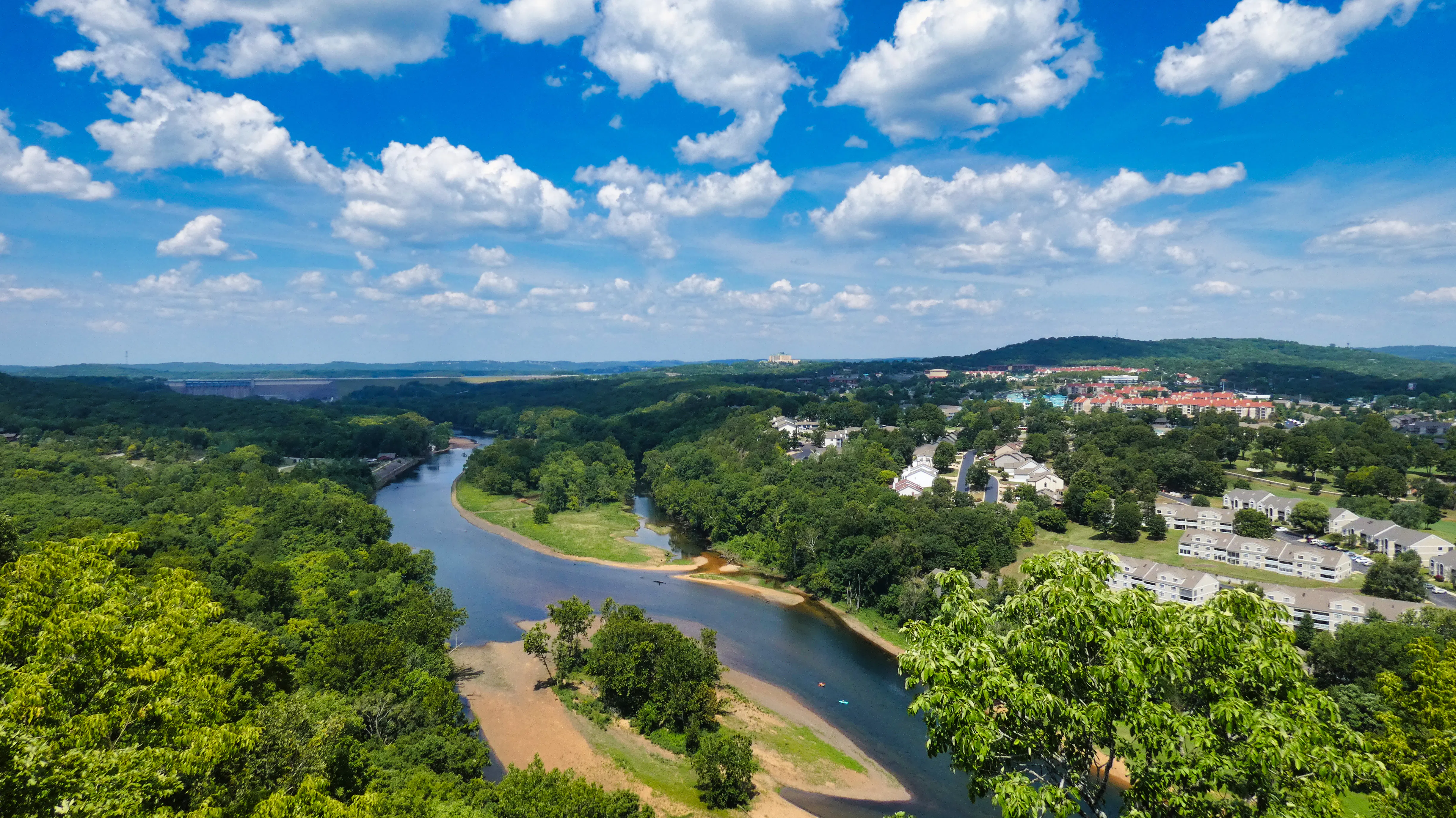
7. Harrison
Market Score: 74.40
Average Annual Revenue: $21,625
Situated near Buffalo National River and Branson, MO, Harrison captures spill-over tourism with lower inventory levels. Rustic cabins and pet-friendly homes see the best performance in this Ozark foothills town.
6. Benton
Market Score: 77.53
Average Annual Revenue: $17,480
Between Little Rock and Hot Springs, Benton serves as a convenient stop for business travelers and vacationers alike. Low purchase prices and steady interstate traffic help operators maintain consistent cash flow.

5. Jasper
Market Score: 80.54
Average Annual Revenue: $32,802
Jasper is a picturesque Ozark town famed for its proximity to the Buffalo National River’s scenic float trips and hiking. Higher nightly rates during peak paddling season push annual revenues well above the state average.
4. Little Rock
Market Score: 81.83
Average Annual Revenue: $20,489
Arkansas’s capital city offers diversified demand from government, healthcare, and convention travel. Historic neighborhoods like Hillcrest and the River Market District command premium ADRs with walkable amenities.
3. Fayetteville/Bentonville
Market Score: 84.29
Average Annual Revenue: $36,175
Northwest Arkansas’s powerhouse corridor benefits from the University of Arkansas, Fortune 500 headquarters like Walmart and Tyson, and a growing arts scene (Crystal Bridges Museum). Strong year-round demand supports both urban condos and larger suburban homes.
2. Jonesboro
Market Score: 88.18
Average Annual Revenue: $21,357
Anchored by Arkansas State University and regional medical centers, Jonesboro provides stable midweek occupancy, making it less sensitive to seasonality. Limited STR supply keeps competition modest, helping maintain healthy ADRs.
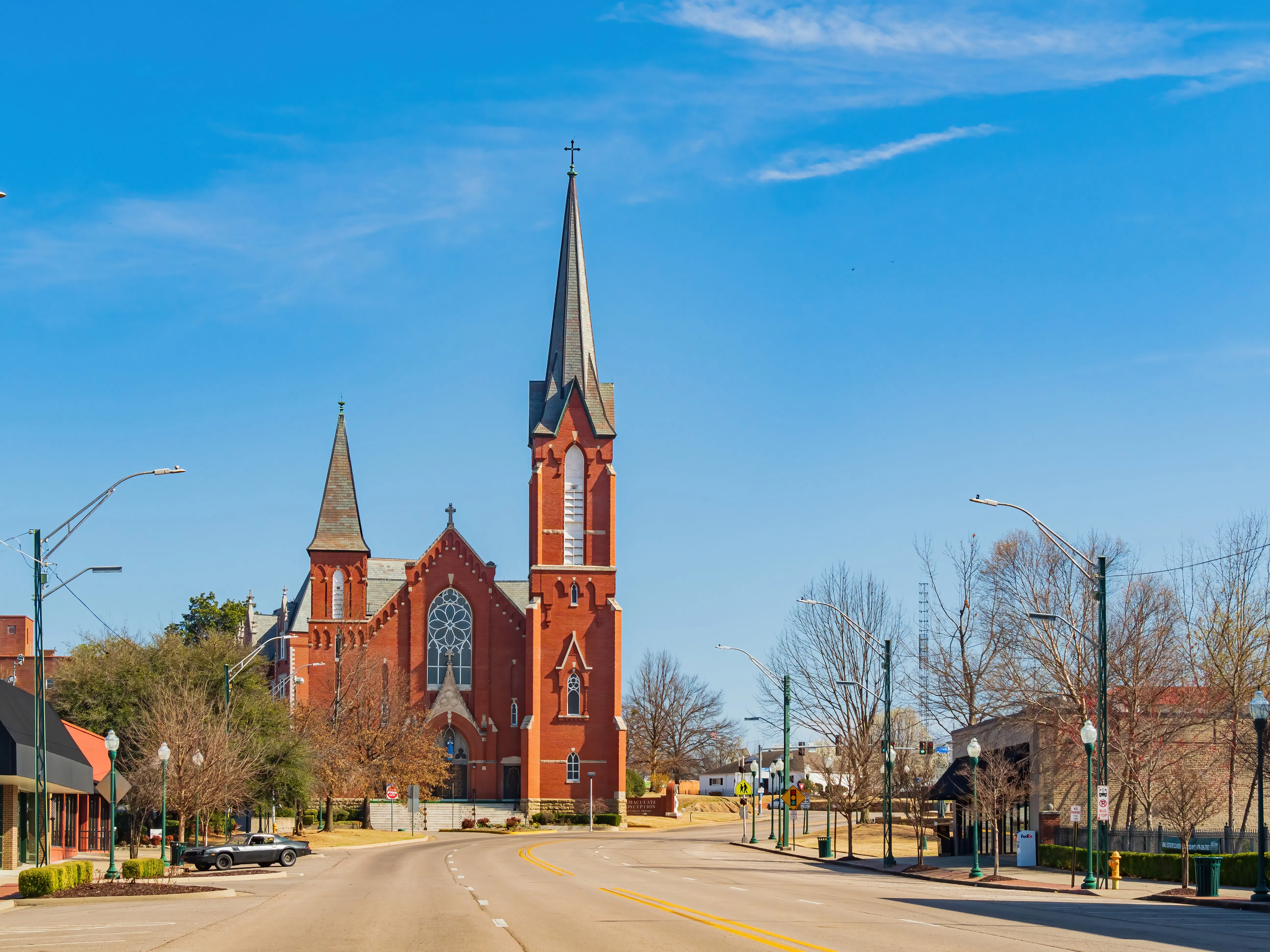
1. Fort Smith
Market Score: 88.90
Average Annual Revenue: $21,175
Fort Smith tops the list with balanced demand from manufacturing, military, and heritage tourism. Investors benefit from inexpensive single-family homes and relatively light regulations, producing strong cash-on-cash returns.
Should You Invest in Arkansas?
With diverse demand drivers, accessible property prices, and generally landlord-friendly regulations, Arkansas is increasingly attractive to STR investors. Metropolitan centers like Fayetteville/Bentonville and Little Rock generate high occupancy year-round, while outdoor-oriented submarkets such as Jasper and Mountain Home deliver elevated ADRs during peak seasons. For those seeking lower entry costs without sacrificing revenue potential, markets like Fort Smith, Jonesboro, and Benton offer promising returns.
As always, investors should monitor local ordinance developments and leverage data tools like AirDNA to fine-tune pricing, understand seasonality, and identify undersupplied niches within each market. With the right strategy, Arkansas can offer both steady cash flow and long-term appreciation.