Top 19 Airbnb Markets in Colorado
Published: June 25, 2025
Colorado’s diverse terrain—ranging from world-class ski resorts to buzzing college towns—creates an equally varied landscape for short-term rental (STR) investment. Whether you’re looking for luxury mountain returns or steady urban bookings, these are the top-ranking Colorado markets based on AirDNA’s proprietary data.
What Is AirDNA’s Market Score?
Market Score is a proprietary metric that ranks how attractive a location is for short-term rental (STR) investment. Each score is calculated based on the following five metrics:
- Investability
- Rental Demand
- Revenue Growth
- Seasonality
- Regulation
Scores range from 0 to 100, with higher scores indicating stronger overall market health. In addition to an overall Market Score, each of the five metrics gets its own score on the same scale within the AirDNA app. This level of granularity is useful for Airbnb stakeholders interested in a particular aspect of market behavior.

Understanding Markets vs. Submarkets
This list includes a mix of the largest markets and submarkets, which are defined as:
- Markets refer to well-defined, often larger geographic areas like cities or mountain resort regions.
- Submarkets are more granular locations, such as smaller towns, neighborhoods, or alpine communities within those larger regions.
Including both allows investors to spot opportunities that may be overlooked when focusing solely on large-scale market data. A market with a mediocre score might contain submarkets with excellent performance.
Airbnb Market Overview in Colorado
Colorado’s STR landscape is as dynamic as its geography. Luxury ski destinations like Vail, Aspen, and Telluride command sky-high nightly rates, while emerging mountain towns such as Fairplay and Buena Vista offer lower buy-ins and healthy cash-on-cash returns. Urban centers—Denver, Colorado Springs, Fort Collins—benefit from business travel, universities, and year-round tourism, but face tighter regulations. From rugged adventure hubs to arts-driven college towns, the Centennial State provides something for every STR strategy.
This is sample data – view real-time data in the AirDNA platform.
AirDNA's Market Score is updated on a monthly basis to reflect the previous month's data. This ranked list is updated annually. Explore the app to get the most current data.
Top 19 Airbnb Markets in Colorado (Ranked by Market Score)
19. Vail/Avon
Market Score: 6.79
Average Annual Revenue: $103,985
Home to Vail Resort and Beaver Creek, this luxury market boasts some of the highest ADRs in the state. Heavy regulation and sky-high property prices keep its Market Score low, but deep-pocketed investors can earn sizable returns during ski season and summer festivals.
18. Rocky Mtn Natl Park
Market Score: 10.58
Average Annual Revenue: $61,756
Gateway towns like Estes Park thrive on park visitation that exceeds 4 million annually. Strict caps on STR permits temper growth, yet the sheer volume of outdoor enthusiasts keeps occupancy high during peak months.
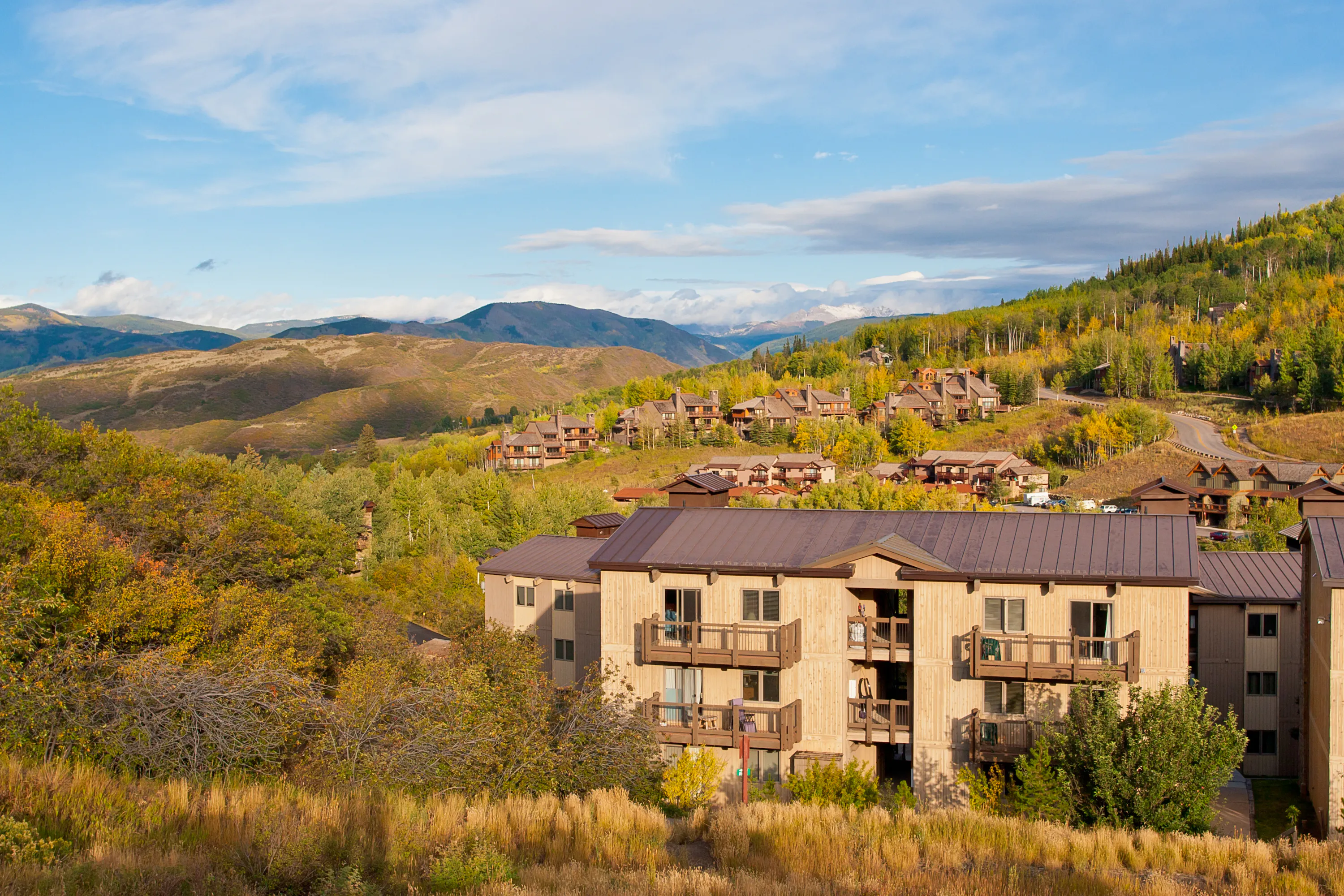
17. Aspen/Snowmass
Market Score: 15.79
Average Annual Revenue: $122,555
Synonymous with luxury, Aspen commands some of the nation’s highest nightly rates. Regulatory hurdles and limited inventory drag down its score, but investors who clear those barriers reap outsized revenue—especially during winter and high-profile events.
16. Pagosa Springs
Market Score: 20.96
Average Annual Revenue: $43,775
Famous for the world’s deepest hot springs, this laid-back submarket serves year-round wellness and ski tourists headed to nearby Wolf Creek. Moderate home prices and expanding tourism infrastructure support long-term upside.
15. Telluride
Market Score: 21.17
Average Annual Revenue: $136,397
Telluride’s dramatic box-canyon setting and exclusive vibe produce exceptional revenues. Limited developable land and stringent regulations suppress its Market Score but preserve high ADRs and occupancy among affluent travelers.
14. Buena Vista
Market Score: 22.44
Average Annual Revenue: $48,827
Rafting on the Arkansas River, proximity to Collegiate Peaks, and a fast-growing craft-brew scene draw adventure seekers. Investors favor Buena Vista for its relatively low entry costs compared to nearby resort towns.
13. Boulder
Market Score: 23.32
Average Annual Revenue: $48,897
Boulder benefits from the University of Colorado, tech employment, and endless trails. Strict primary-residence STR rules keep listings limited, boosting ADR for compliant hosts while capping overall growth.
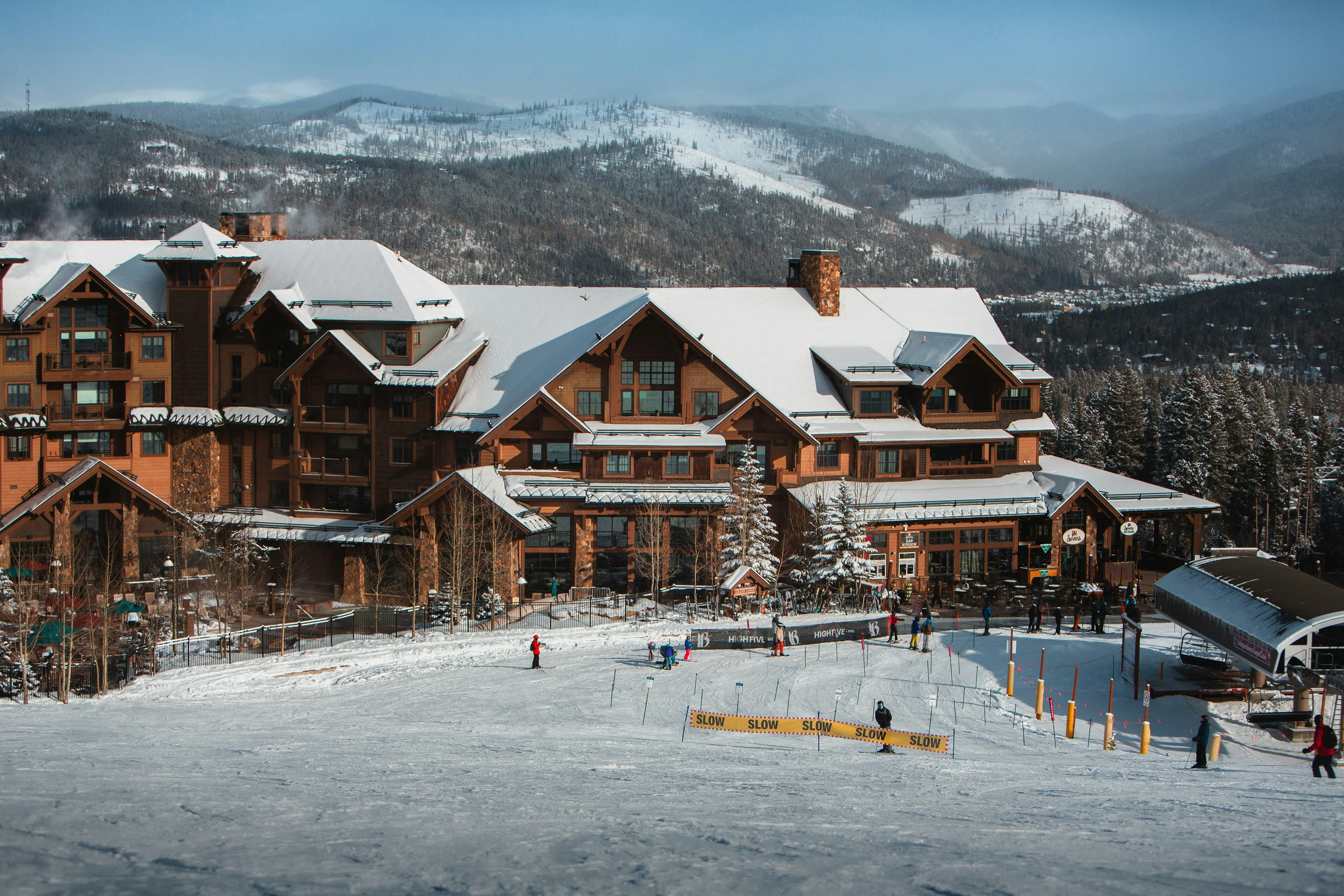
12. Breckenridge
Market Score: 24.64
Average Annual Revenue: $91,740
One of Colorado’s most popular ski towns, Breckenridge enjoys robust winter and summer demand. Pending caps on STR licenses pressure future supply, so existing permits carry premium value.
11. Crested Butte
Market Score: 28.56
Average Annual Revenue: $67,293
Known as “the last great Colorado ski town,” Crested Butte combines year-round recreation with small-town charm. Limited inventory supports healthy rates despite its remote location.
10. Winter Park/Idaho Springs
Market Score: 31.56
Average Annual Revenue: $57,032
Just 1–1.5 hours from Denver, this corridor serves Front Range skiers and summer hikers. Accessibility drives weekend occupancy, while comparatively affordable condos suit entry-level investors.
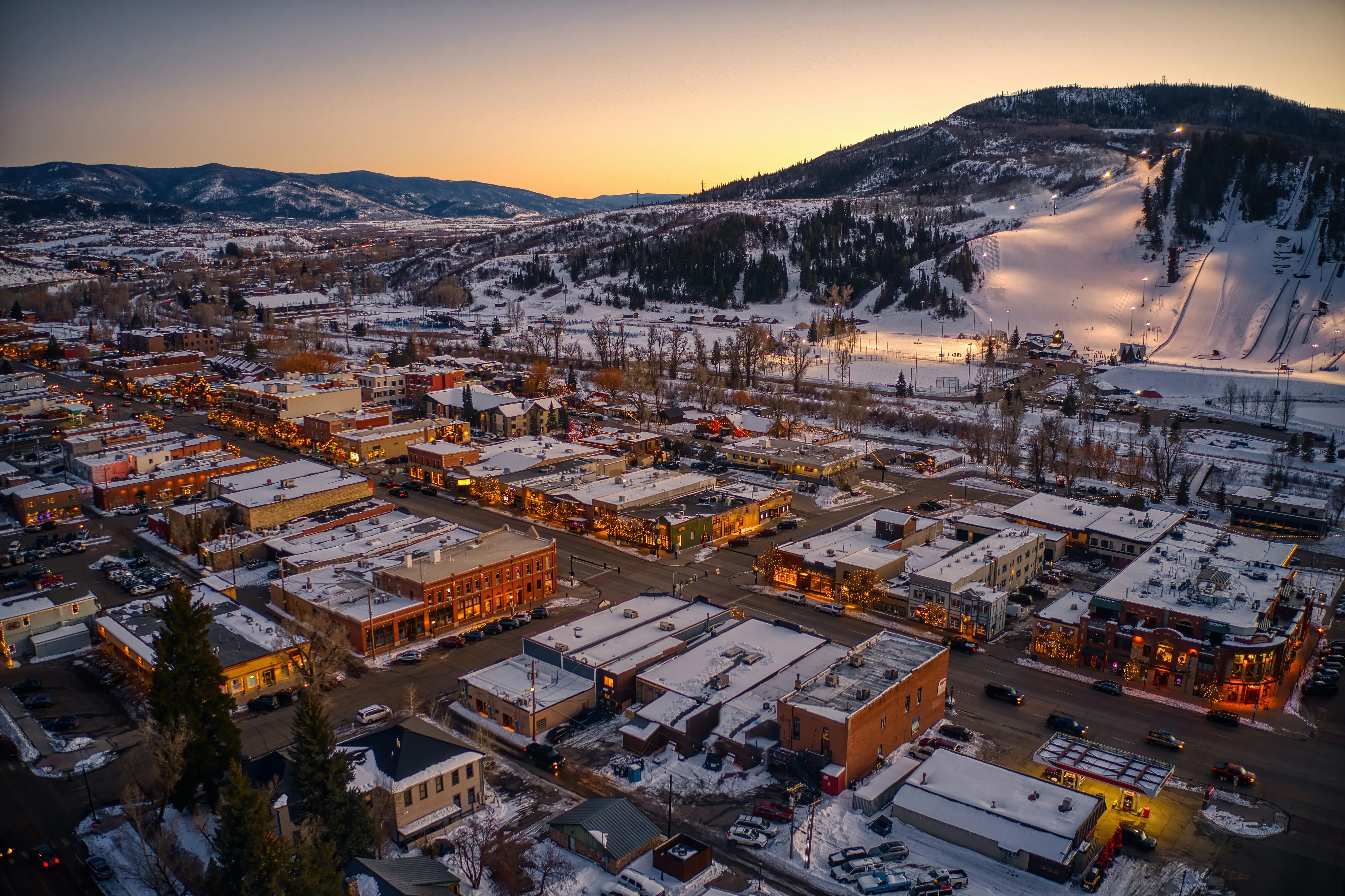
9. Steamboat Springs
Market Score: 32.01
Average Annual Revenue: $86,132
A four-season resort famed for “champagne powder,” Steamboat combines ski traffic with booming summer tourism. High real-estate prices are offset by strong nightly rates and extended stays.
8. Glenwood Springs
Market Score: 37.12
Average Annual Revenue: $63,640
Positioned between Aspen and Vail, Glenwood’s hot springs and adventure park attract families and road-trippers. Lower home prices relative to its upscale neighbors boost its investment appeal.
7. Denver
Market Score: 41.78
Average Annual Revenue: $37,754
Colorado’s capital offers convention traffic, sports events, and thriving nightlife. Only primary-residence STRs are permitted, limiting supply but creating opportunity for compliant owner-occupiers.

6. Colorado Springs
Market Score: 46.32
Average Annual Revenue: $39,974
Home to Pikes Peak and the U.S. Air Force Academy, Colorado Springs balances leisure and military demand. Favorable regulations and lower purchase prices than Denver elevate its mid-range score.
5. Durango
Market Score: 51.33
Average Annual Revenue: $54,130
Durango’s narrow-gauge railroad, ski hill, and Mesa Verde proximity support diverse tourism. Reasonable home prices and consistent year-round occupancy keep ROI attractive.
4. Fort Collins
Market Score: 53.24
Average Annual Revenue: $37,330
With Colorado State University, booming tech, and renowned breweries, Fort Collins enjoys steady academic and leisure demand. STR regulations are moderate, and median home prices sit below Denver’s.
3. Grand Junction
Market Score: 55.95
Average Annual Revenue: $32,695
As the largest city on Colorado’s Western Slope, Grand Junction serves nearby wineries, mountain biking trails, and national parks. Low property costs and rising outdoor tourism boost its appeal.
2. Salida
Market Score: 57.09
Average Annual Revenue: $56,169
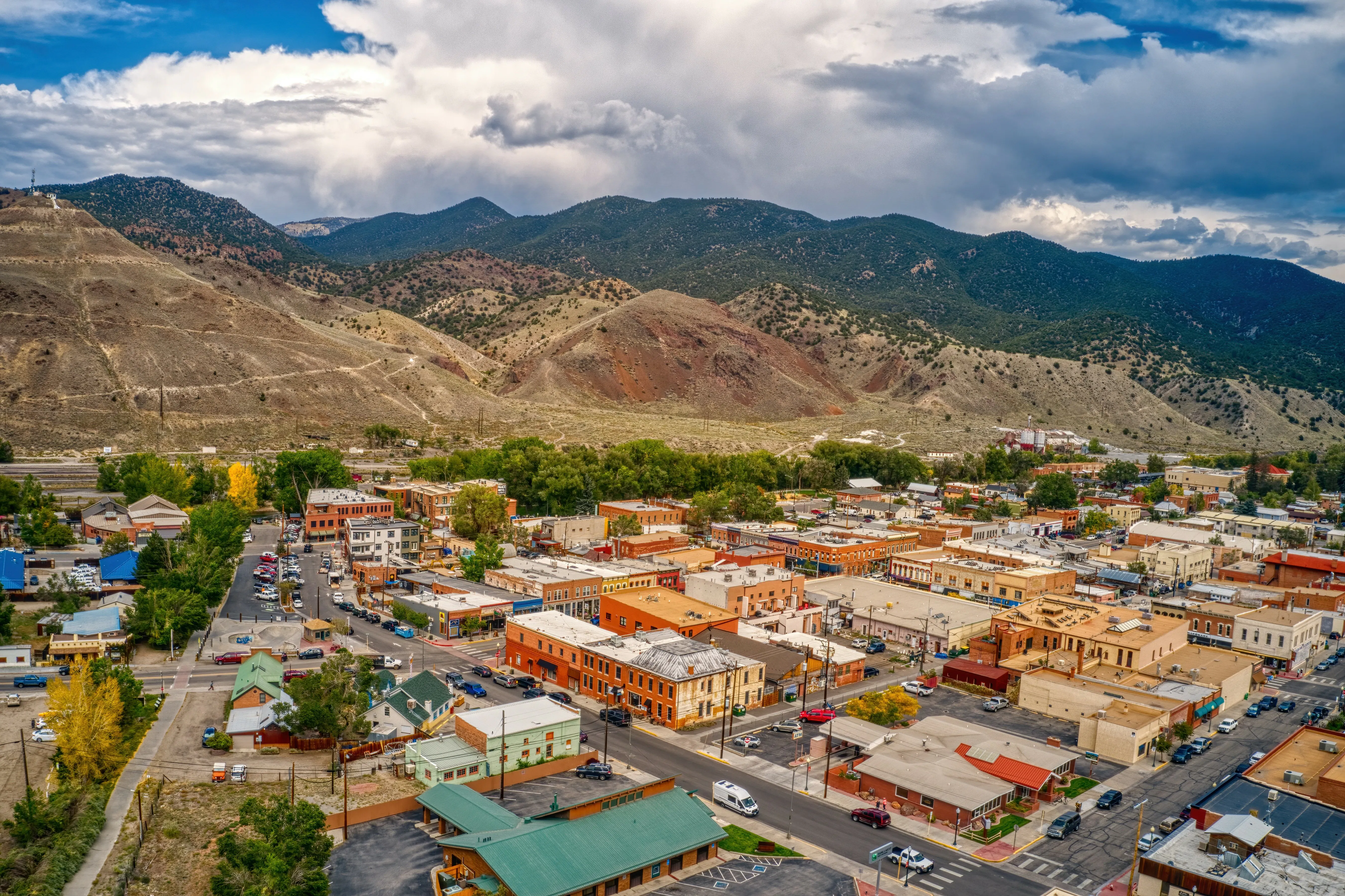
Art galleries, the Arkansas River, and Monarch Mountain ski area make Salida a four-season playground. Historic housing stock and manageable regulations underpin its strong Market Score.
1. Fairplay
Market Score: 66.66
Average Annual Revenue: $59,831
Just 30 minutes from Breckenridge, Fairplay offers mountain views at a fraction of Summit County prices. Its mix of ski spillover traffic, outdoor recreation, and low saturation propels it to the top spot for Colorado STR investors.
Should You Invest in Colorado?
With legendary ski resorts, booming Front Range cities, and up-and-coming mountain towns, Colorado delivers a spectrum of STR opportunities. High-end destinations like Aspen, Vail, and Telluride deliver eye-popping revenues but demand deep capital and regulatory navigation. Meanwhile, submarkets such as Fairplay, Salida, and Buena Vista offer more approachable price points and strong cash flow potential.
Urban markets provide year-round demand but come with tighter rules, making compliance critical. Ultimately, Colorado rewards investors who balance seasonality, regulation, and acquisition cost against projected revenue. If you can align your strategy with these variables, the Centennial State remains one of the nation’s premier short-term rental playgrounds.