Top 17 Airbnb Markets in Indiana
Published: June 30, 2025
Indiana blends bustling college towns, scenic lake communities, and growing mid-sized cities, giving short-term rental (STR) investors plenty of paths to profit. Whether you want affordable entry prices, strong regional tourism, or dependable year-round occupancy, these are the top-ranked Airbnb markets in the Hoosier State according to AirDNA’s proprietary data.
What Is AirDNA’s Market Score?
Market Score is a proprietary metric that ranks how attractive a location is for short-term rental investment. Each score is calculated based on the following five metrics:
- Investability
- Rental Demand
- Revenue Growth
- Seasonality
- Regulation
Scores range from 0 to 100, with higher scores indicating stronger overall market health. In addition to an overall Market Score, each of the five metrics gets its own score on the same scale within the AirDNA app. This level of granularity is useful for Airbnb stakeholders interested in a particular aspect of market behavior.

Understanding Markets vs. Submarkets
This list includes a mix of the largest markets and submarkets, which are defined as:
- Markets refer to well-defined, often larger geographic areas like cities or metro regions.
- Submarkets are more granular locations, such as smaller towns, neighborhoods, or lakeside communities within those larger regions.
Including both allows investors to spot opportunities that may be overlooked when focusing solely on large-scale market data. A market with a mediocre score might contain submarkets with excellent performance.
Airbnb Market Overview in Indiana
Indiana’s STR landscape is as diverse as its geography—from Lake Michigan beaches to rolling farmland and vibrant urban cores. College-driven destinations like Bloomington and Muncie see reliable demand tied to academics and sports, while lakeside enclaves such as Michigan City and Angola capitalize on warm-weather leisure travel. Simultaneously, business-friendly metros like Fort Wayne and Indianapolis maintain occupancy through corporate, medical, and event-related bookings. With relatively low property costs and a steady flow of regional tourism, Indiana offers a compelling balance of cash-flow potential and affordability for new and seasoned investors alike.
This is sample data – view real-time data in the AirDNA platform.
AirDNA's Market Score is updated on a monthly basis to reflect the previous month's data. This ranked list is updated annually. Explore the app to get the most current data.
Top 17 Airbnb Markets in Indiana (Ranked by Market Score)
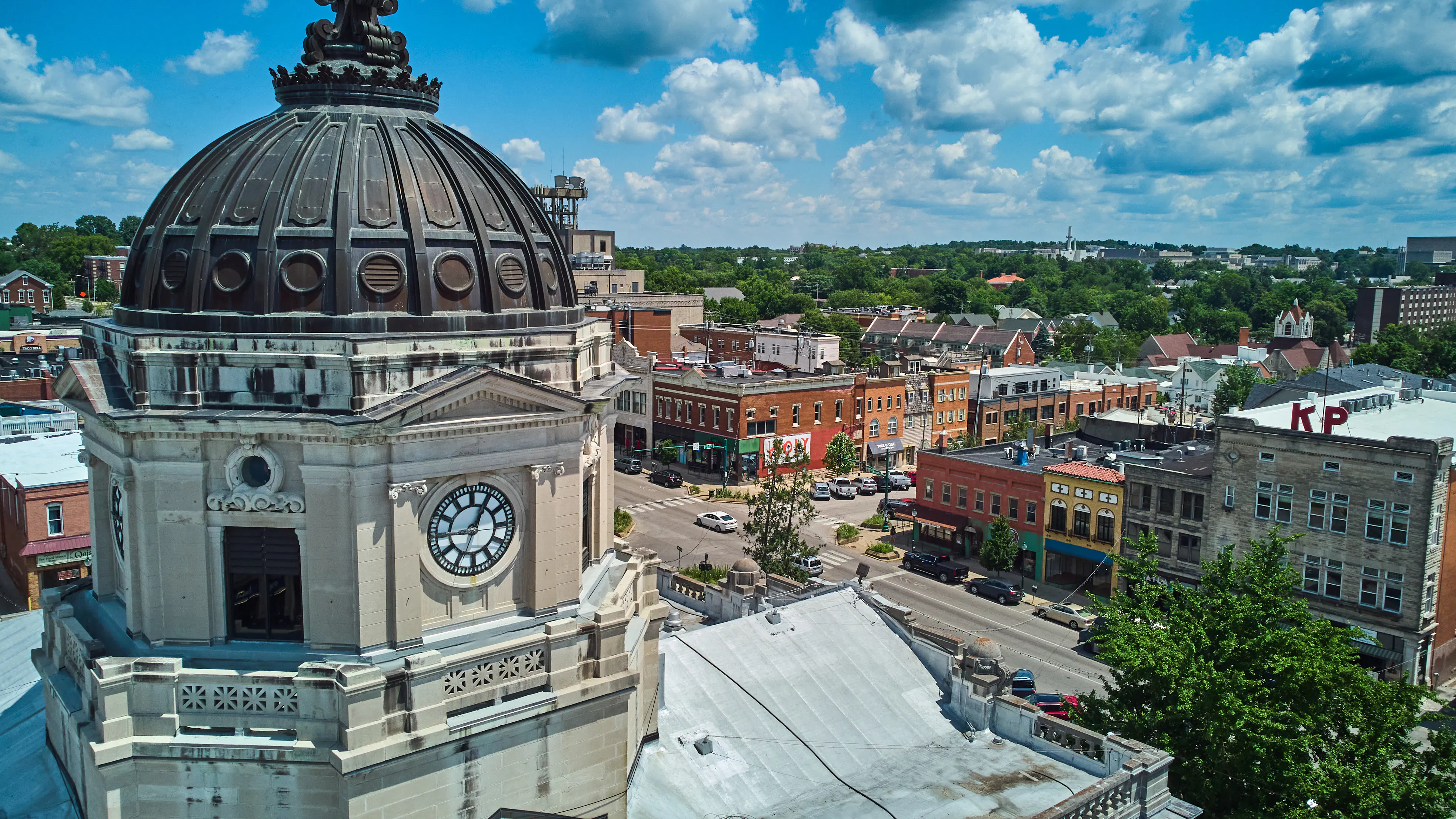
17. Bloomington
Market Score: 21.90
Average Annual Revenue: $33,983
Home to Indiana University, Bloomington enjoys consistent demand from visiting parents, academics, and Big Ten sports fans. While regulations and competition can be hurdles, the city’s lively arts scene and year-round calendar of events keep occupancy solid.
16. Angola
Market Score: 24.52
Average Annual Revenue: $38,774
Angola anchors Indiana’s lake country, with nearby Pokagon State Park and numerous recreational lakes drawing summer tourists. Limited STR saturation leaves room for early entrants to capture high ADRs during peak season.
15. Cannelton
Market Score: 25.90
Average Annual Revenue: $26,226
Overlooking the Ohio River, Cannelton appeals to travelers seeking small-town charm and riverfront recreation. Affordable housing costs make it an accessible first step for investors willing to bet on future tourism growth.
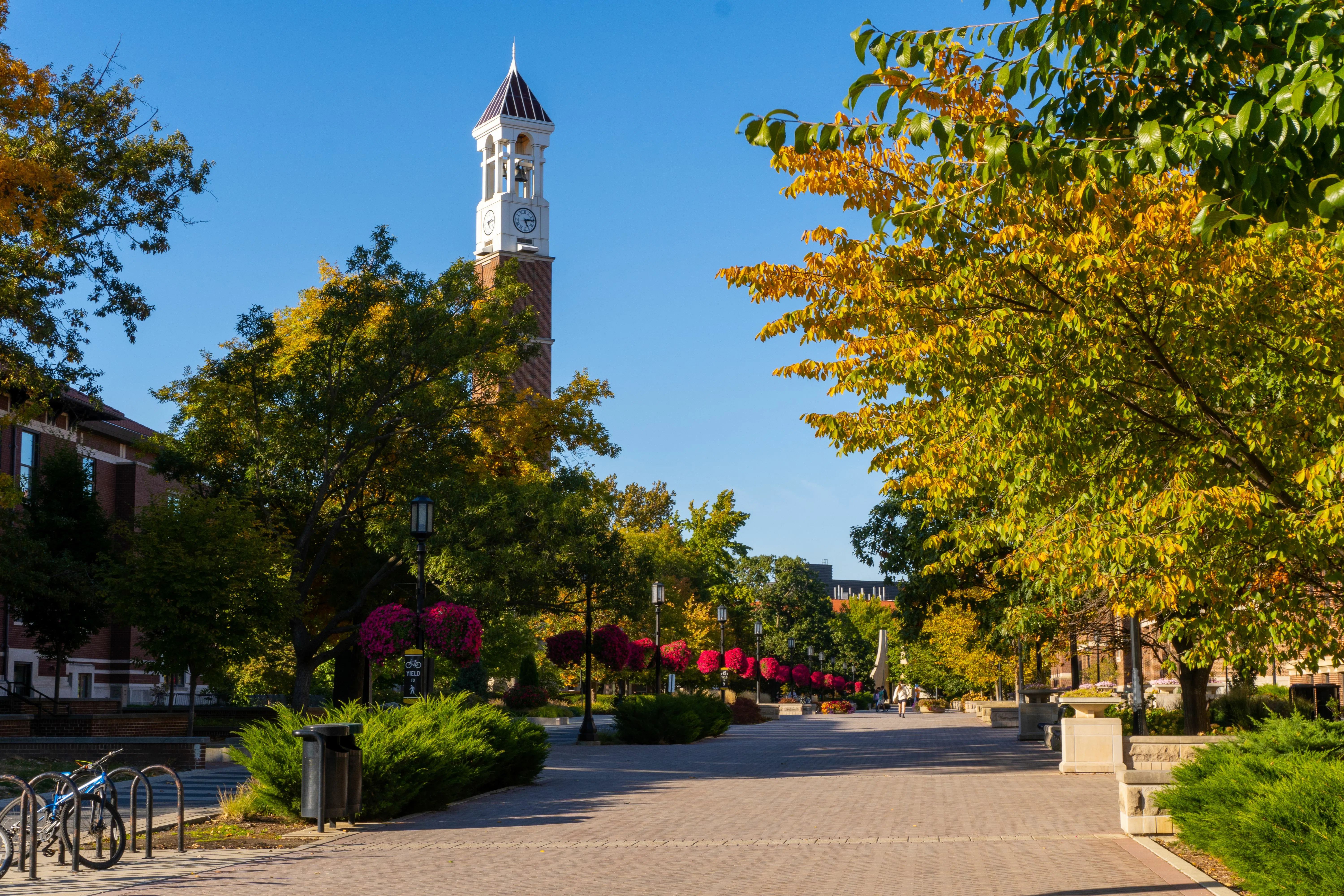
14. Lafayette
Market Score: 48.71
Average Annual Revenue: $29,305
Adjacent to Purdue University in West Lafayette, this submarket benefits from steady student-related lodging as well as robust manufacturing and biotech sectors. Investors should watch for regulation shifts tied to campus housing policies.
13. French Lick
Market Score: 50.53
Average Annual Revenue: $31,738
Known for its historic resorts, golf courses, and mineral springs, French Lick punches above its weight for leisure travel. Upscale accommodations and casino tourism help sustain strong ADRs despite modest population size.
12. Gary
Market Score: 52.15
Average Annual Revenue: $32,128
Gary’s proximity to Chicago and Lake Michigan beaches is sparking renewed interest in its STR sector. Revitalization efforts and commuter traffic create potential upside, though investors should factor in neighborhood-by-neighborhood variability.
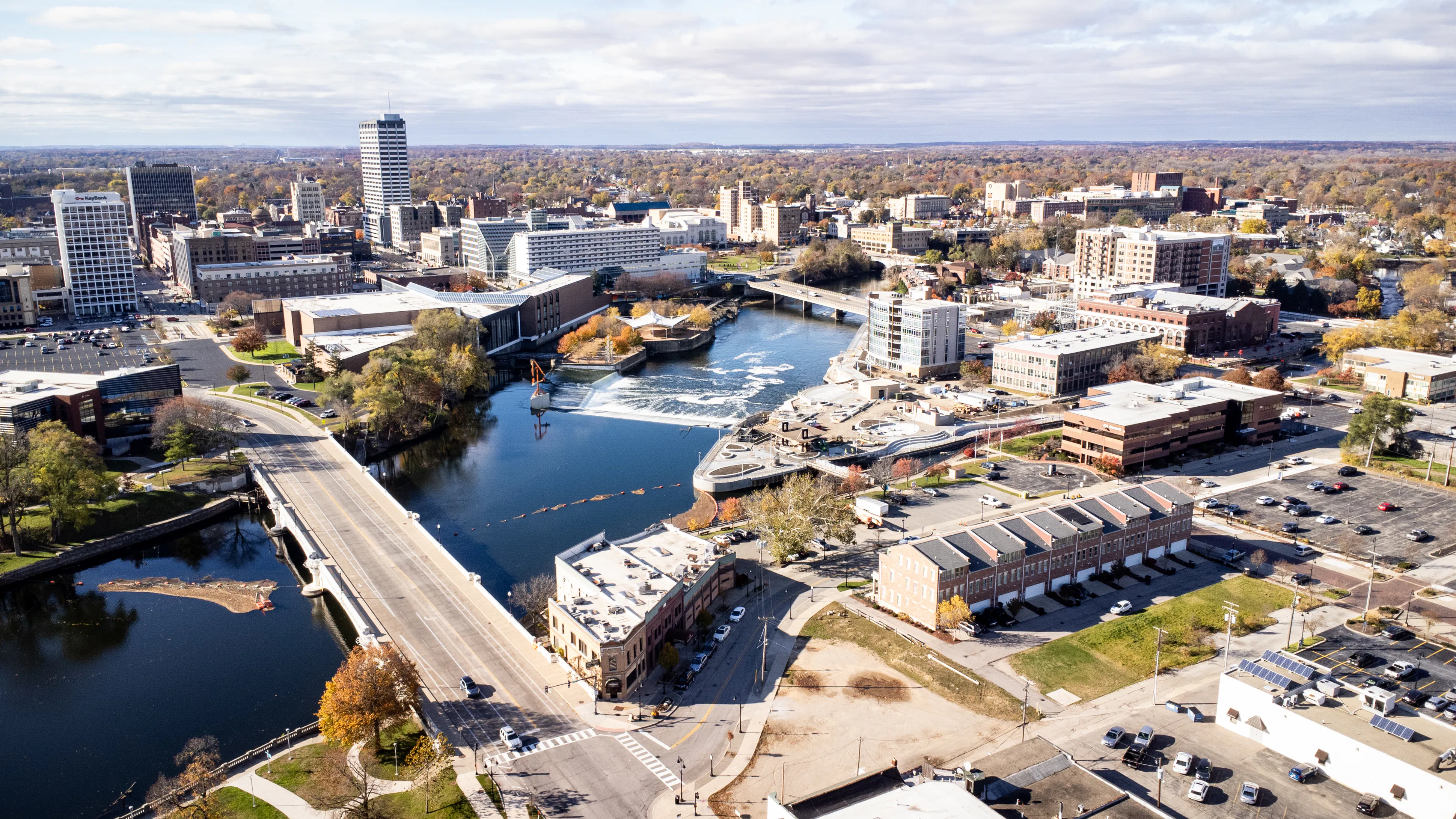
11. South Bend
Market Score: 53.55
Average Annual Revenue: $38,082
Home to Notre Dame, South Bend sees dramatic spikes during football season and graduation. By targeting larger homes for game-day groups, hosts can capitalize on premium nightly rates while enjoying respectable off-season demand.
10. Kokomo
Market Score: 61.33
Average Annual Revenue: $22,808
An automotive manufacturing hub, Kokomo benefits from extended-stay corporate travelers and regional events. Lower home prices and limited competition can translate into attractive cash-on-cash returns.
9. Michigan City
Market Score: 68.77
Average Annual Revenue: $49,770
Sitting on Lake Michigan, Michigan City attracts Chicagoans in search of beach escapes and outlet shopping. High summer ADRs and proximity to Indiana Dunes National Park position it as a powerful seasonal performer.
8. Nashville
Market Score: 74.46
Average Annual Revenue: $49,018
Located in Brown County, Nashville is an artsy mountain-town-style getaway famed for fall foliage and state-park hiking. Boutique cabins and cottages enjoy consistent weekend occupancy from Indianapolis, Louisville, and Cincinnati travelers.
7. Muncie
Market Score: 80.17
Average Annual Revenue: $22,130
Ball State University drives steady bookings, while a growing downtown arts scene boosts weekend leisure stays. With entry-level home prices, Muncie can deliver solid yield for cost-conscious investors.
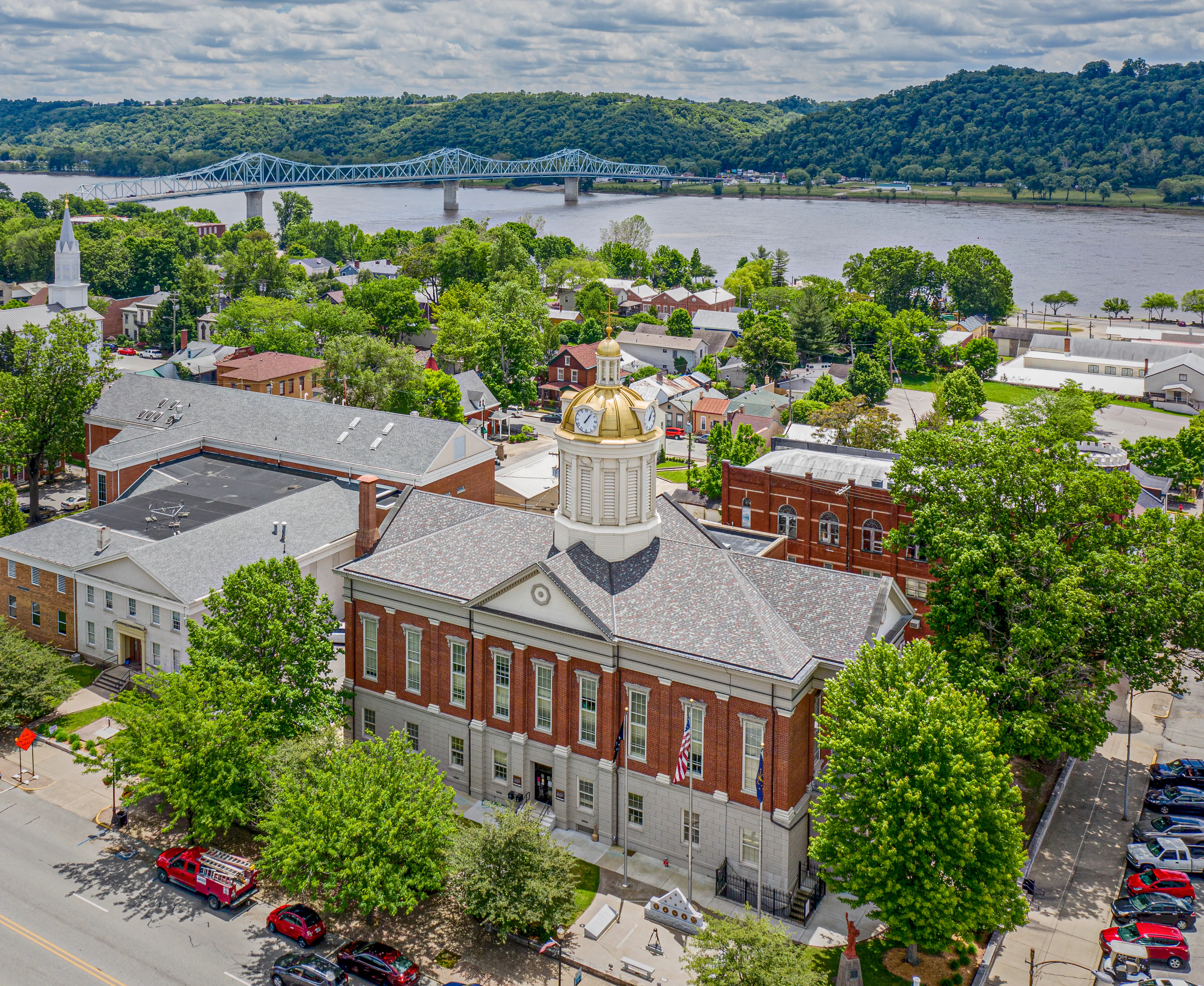
6. Madison
Market Score: 80.22
Average Annual Revenue: $27,681
Perched on the Ohio River, Madison’s historic downtown and annual festivals attract antique lovers and outdoor enthusiasts. Limited hotel supply enhances STR profitability during peak event weekends.
5. Terre Haute
Market Score: 81.32
Average Annual Revenue: $21,619
A college town anchored by Indiana State University and Rose-Hulman Institute of Technology, Terre Haute benefits from academic calendars and sporting events. Ongoing downtown revitalization could lift future ADRs.
4. Louisville (Indiana Side)
Market Score: 82.16
Average Annual Revenue: $37,926
Southern Indiana communities across the river from Louisville, KY—such as Jeffersonville and New Albany—tap into big-city demand while offering lower taxes and property prices. Derby week and year-round convention traffic supercharge revenue potential.
3. Indianapolis
Market Score: 84.62
Average Annual Revenue: $26,977
Indiana’s capital boasts a nonstop roster of conventions, sporting events, and concerts. While regulation requires vigilance, downtown condos and single-family homes within the I-465 loop remain top earners.
2. Evansville
Market Score: 93.81
Average Annual Revenue: $22,241
Evansville’s growing healthcare and manufacturing sectors make it a magnet for business travelers, while riverfront attractions and casino gaming add leisure demand. Moderate home prices and minimal STR saturation boost cash flow potential.
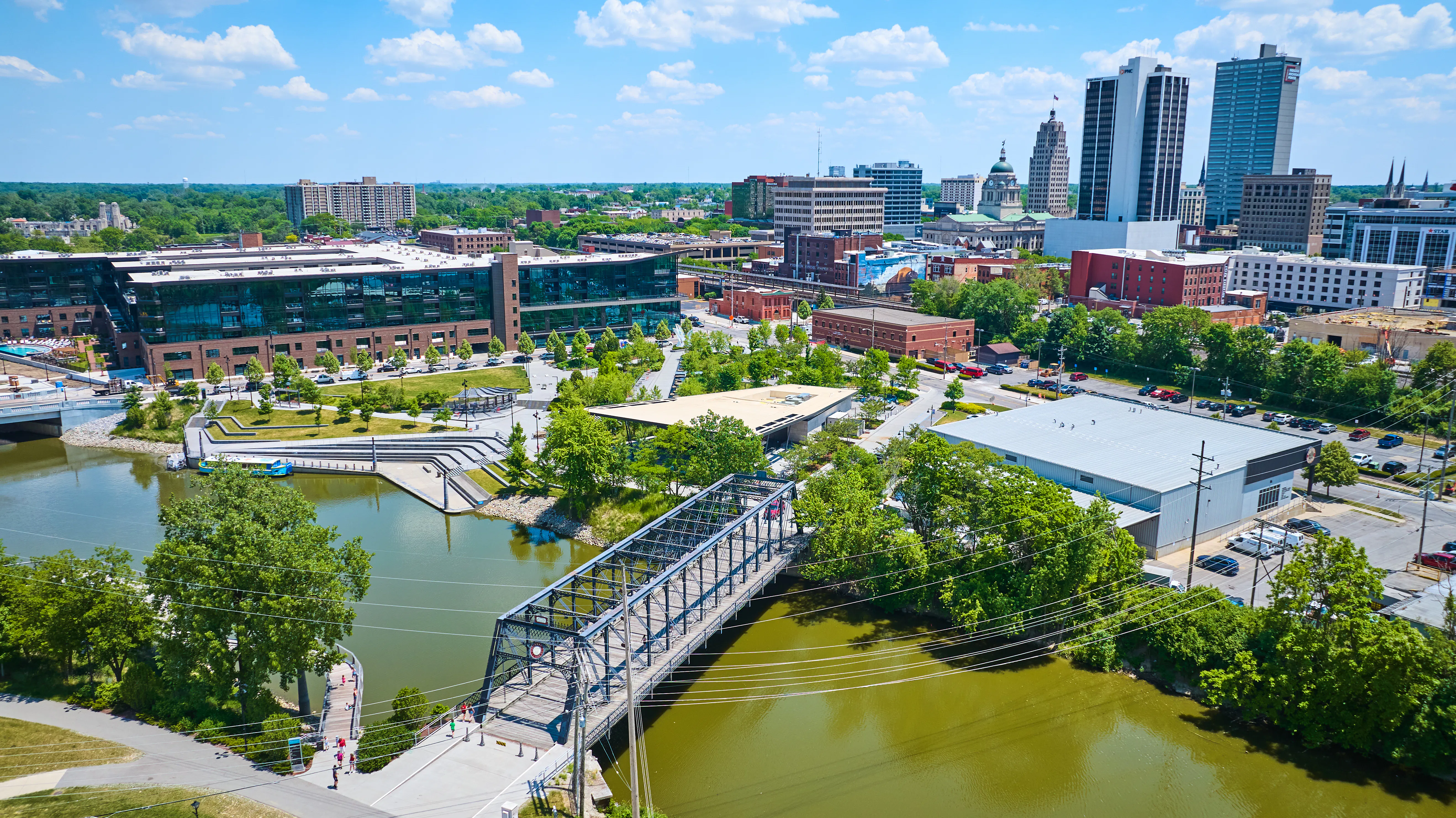
1. Fort Wayne
Market Score: 99.20
Average Annual Revenue: $20,785
Fort Wayne tops the list thanks to a diversified economy, expanding downtown riverfront, and family-oriented attractions such as the nationally acclaimed children’s zoo. Consistent occupancy, low acquisition costs, and a favorable regulatory environment combine to create Indiana’s most attractive STR market right now.
Should You Invest in Indiana?
For investors eyeing the Midwest, Indiana presents an appealing mix of affordability, healthy tourism, and economic stability. Markets like Fort Wayne and Evansville offer low entry prices and dependable, diversified demand. College towns such as Bloomington, South Bend, and Muncie provide predictable booking spikes tied to academic calendars and sporting events. Meanwhile, lake and river destinations including Michigan City, Angola, and Madison shine during peak leisure seasons, giving hosts the chance to command premium nightly rates.
Indiana’s regulatory climate is generally host-friendly compared with larger coastal states, though local ordinances vary, especially in the Indianapolis metro. Factor in strong intrastate and regional drive-to traffic, and the Hoosier State stands out as a well-rounded, opportunity-rich environment for both new and experienced Airbnb investors.