Top 13 Airbnb Markets in Michigan
Published: July 6, 2025
Michigan’s mix of bustling cities, laid-back lake towns, and vast wilderness makes it an appealing state for short-term rental (STR) investment. From the craft-beer capital of Grand Rapids to the wild shores of the Upper Peninsula, the Great Lakes State offers something for every investor profile—high nightly rates, affordable entry prices, or year-round demand.
What Is AirDNA’s Market Score?
Market Score is a proprietary metric that ranks how attractive a location is for short-term rental investment. Each score is calculated based on the following five metrics:
- Investability
- Rental Demand
- Revenue Growth
- Seasonality
- Regulation
Scores range from 0 to 100, with higher scores indicating stronger overall market health. In addition to an overall Market Score, each of the five metrics gets its own score on the same scale within the AirDNA app. This level of granularity is useful for Airbnb stakeholders interested in a particular aspect of market behavior.

Understanding Markets vs. Submarkets
This list includes a mix of the largest markets and submarkets, which are defined as:
- Markets refer to well-defined, often larger geographic areas such as cities or multi-county regions.
- Submarkets are more granular locations—smaller towns, lake communities, or neighborhoods within those larger regions.
Including both allows investors to uncover pockets of opportunity that may be overlooked when focusing solely on statewide or metro-level data.
Airbnb Market Overview in Michigan
Michigan’s STR landscape is shaped by its four-season tourism. Summer brings beachgoers to Lake Michigan’s resort towns, fall colors drive road-trip traffic, winter skiing fills cabins in the north, and spring college graduations boost urban bookings. Steady demand from universities, health systems, and corporate travelers further cushions seasonality, especially in cities such as Grand Rapids and Lansing.
This is sample data – view real-time data in the AirDNA platform.
AirDNA's Market Score is updated on a monthly basis to reflect the previous month's data. This ranked list is updated annually. Explore the app to get the most current data.
Top 13 Airbnb Markets in Michigan (Ranked by Market Score)

13. Grayling
Market Score: 39.98
Average Annual Revenue: $28,925
Situated along the Au Sable River, Grayling lures anglers, paddlers, and hunters. Modest home prices and growing outdoor recreation tourism create a low-barrier entry point for investors.
12. Michigan East Coastal
Market Score: 47.76
Average Annual Revenue: $29,965
Stretching along Lake Huron, Michigan’s East Coastal region offers beach towns and lighthouse-lined drives less saturated than the west coast. Affordable property and growing summer demand boost its appeal.
11. Houghton / Higgins Lake
Market Score: 51.68
Average Annual Revenue: $26,161
Known for crystal-clear waters and state parks, the Houghton and Higgins Lake area supports a steady stream of family vacations and ice-fishing weekends, favoring cabin-style STRs.
10. Otsego Lake
Market Score: 54.12
Average Annual Revenue: $34,737
Minutes from Gaylord, Otsego Lake is popular for boating in summer and snowmobiling in winter. Investors value its dual-season revenue potential paired with manageable acquisition costs.
9. Jackson
Market Score: 57.04
Average Annual Revenue: $37,266
Located between Detroit and Kalamazoo, Jackson benefits from regional events, prison visitation, and emerging downtown entertainment. Limited competition helps maintain solid occupancy.
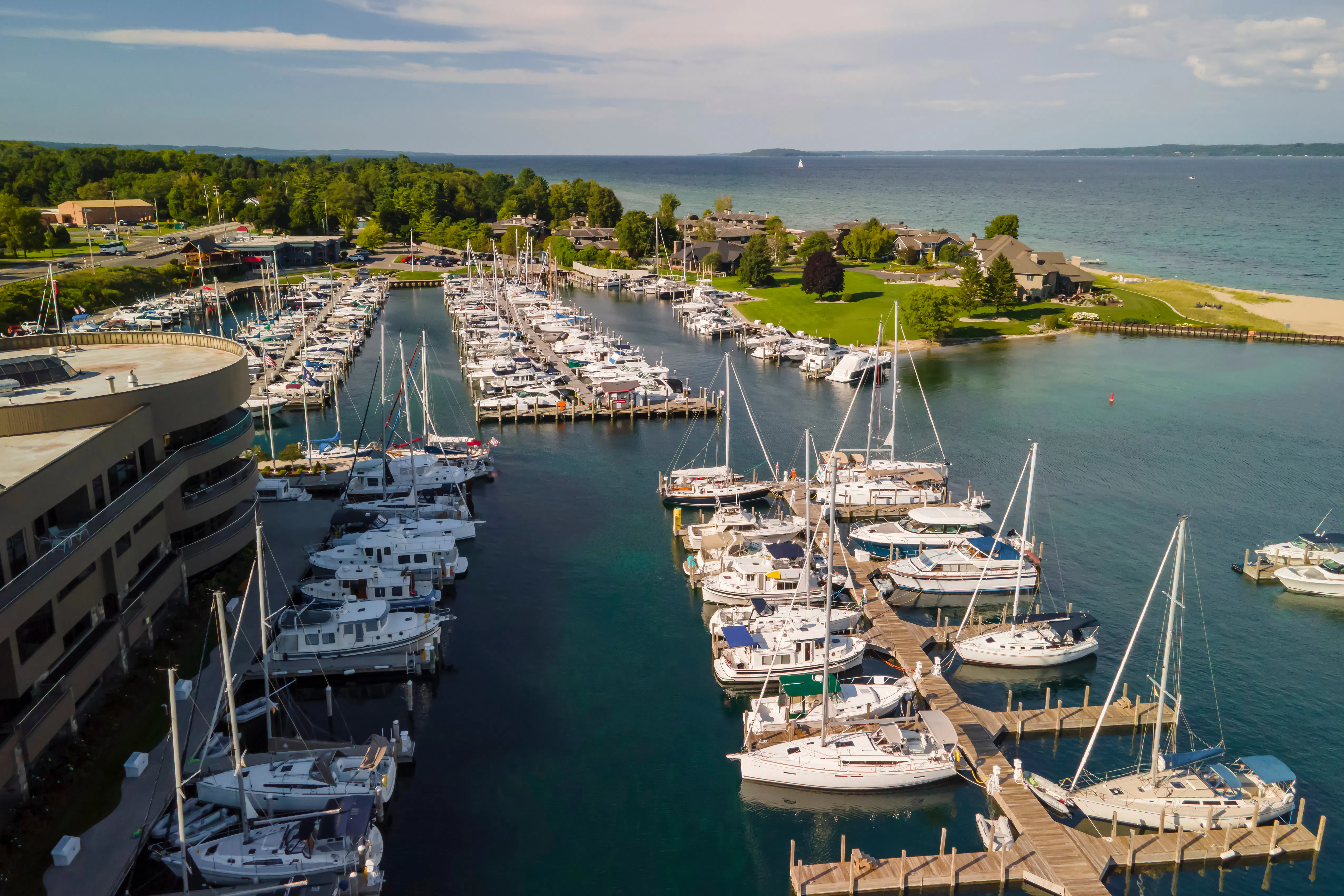
8. Traverse City
Market Score: 60.88
Average Annual Revenue: $51,061
Michigan’s tourism darling, Traverse City commands premium nightly rates thanks to wineries, the National Cherry Festival, and Sleeping Bear Dunes. High ADR offsets heavier regulation and competition.
7. Baldwin
Market Score: 74.11
Average Annual Revenue: $28,560
Nestled in the Manistee National Forest, Baldwin draws trout anglers to the Pere Marquette River and ORV enthusiasts to nearby trails. Its rustic appeal and low housing prices boost margins.
6. Upper Peninsula
Market Score: 82.34
Average Annual Revenue: $34,665
The Upper Peninsula (U.P.) offers waterfalls, Pictured Rocks, and the Keweenaw Peninsula’s mining history. Though remote, its all-season adventure tourism sustains demand and supports larger group cabins.
5. Saginaw
Market Score: 86.93
Average Annual Revenue: $30,172
Part of the Great Lakes Bay Region, Saginaw serves hospital visitors, business travelers, and festivalgoers. Low acquisition costs and improving downtown amenities make it a sleeper pick.
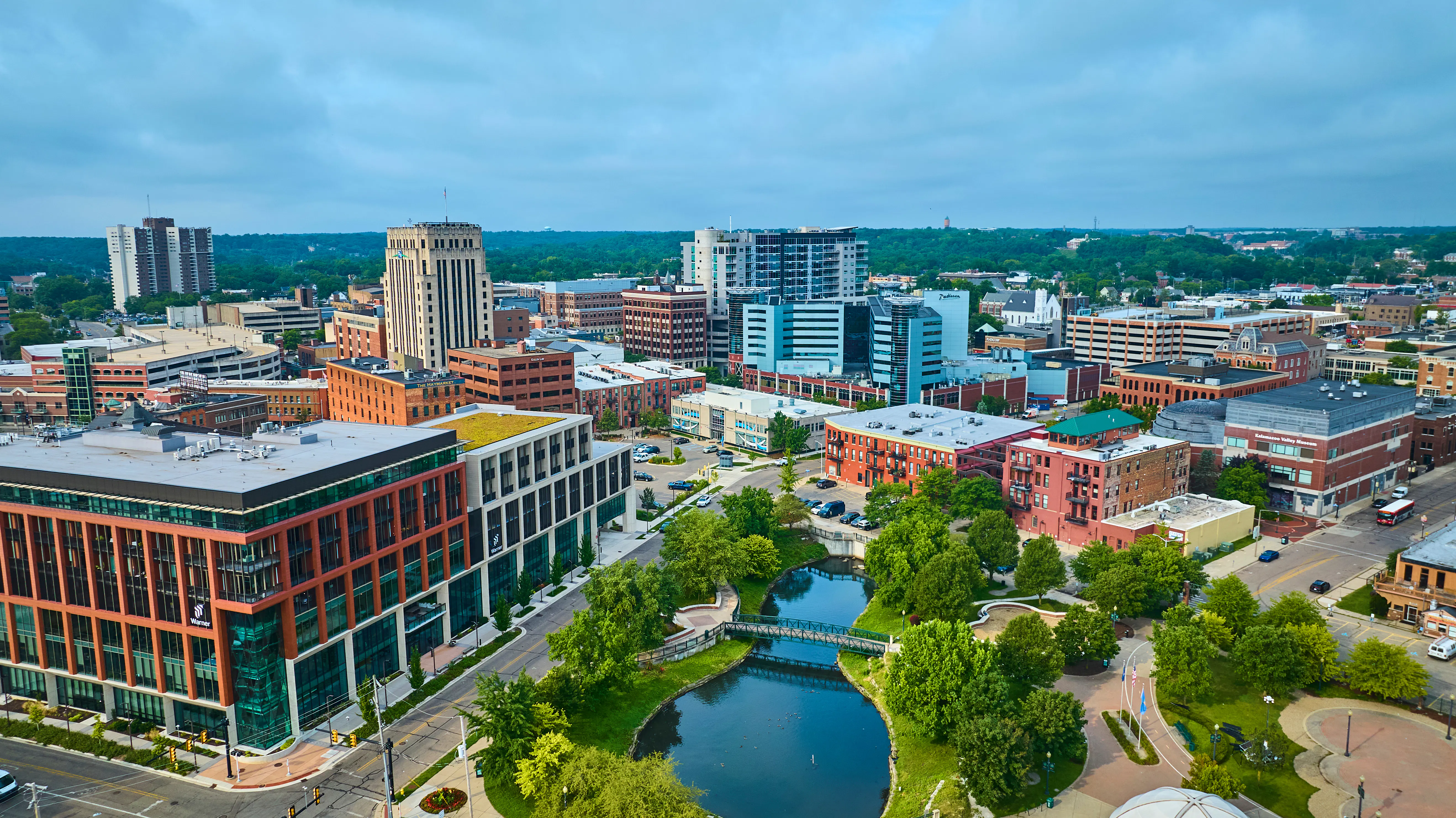
4. Kalamazoo
Market Score: 87.23
Average Annual Revenue: $27,904
Home to Western Michigan University and a growing life-science sector, Kalamazoo balances leisure and corporate stays. Breweries, music venues, and easy I-94 access drive year-round bookings.
3. Detroit
Market Score: 89.01
Average Annual Revenue: $24,206
Detroit’s revitalized downtown, professional sports, and Motown culture sustain steady STR demand. While regulations require diligence, diverse traveler segments offer resilient occupancy.
2. Lansing / East Lansing
Market Score: 91.66
Average Annual Revenue: $27,139
The state capital and home to Michigan State University, Lansing/East Lansing benefits from legislative sessions, collegiate sports, and medical centers—driving consistent weekday and weekend demand.
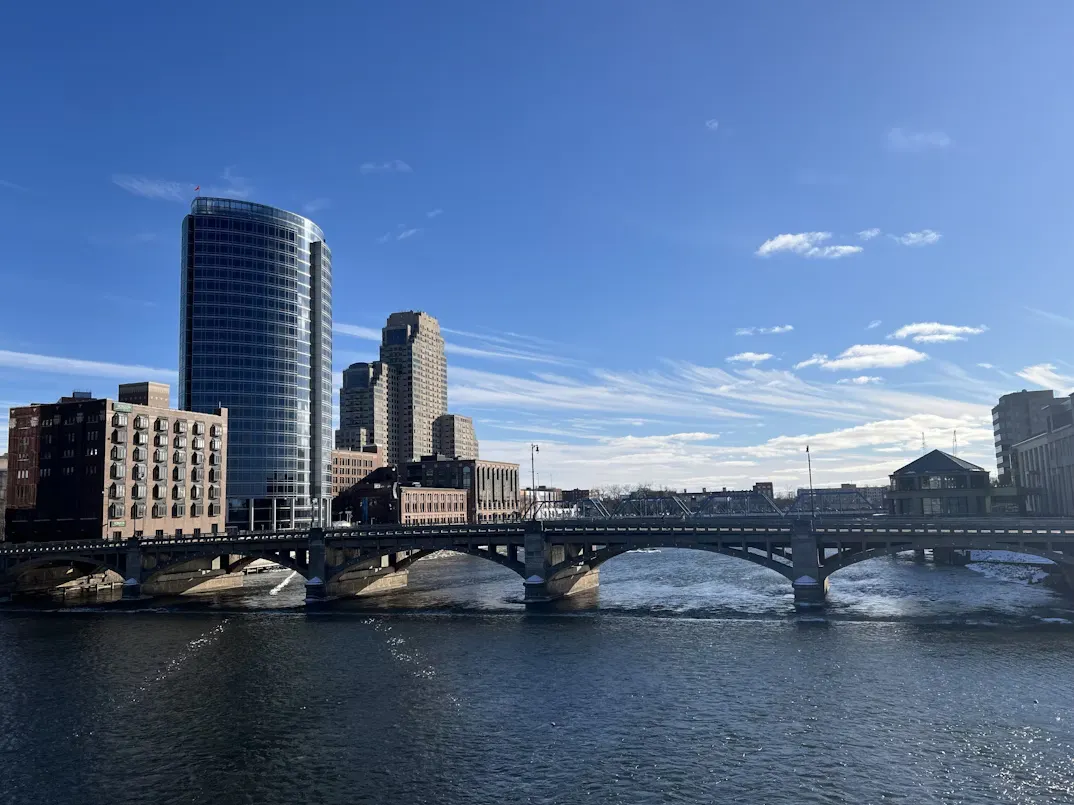
1. Grand Rapids
Market Score: 96.21
Average Annual Revenue: $34,634
Grand Rapids tops the list with booming craft breweries, a vibrant arts scene, and conventions at DeVos Place. Strong corporate travel, regional tourism, and a landlord-friendly climate bolster its STR outlook.
Should You Invest in Michigan?
For investors eyeing the Midwest, Michigan offers an enticing blend of affordability, tourism, and diversified demand drivers. Urban hubs such as Grand Rapids, Lansing, and Detroit provide steady year-round bookings fueled by business, government, and healthcare travel. Meanwhile, leisure-heavy regions like Traverse City and the Upper Peninsula yield higher seasonal ADRs ideal for investors comfortable with peak-season strategies.
Submarkets—Saginaw, Baldwin, and Grayling, for example—deliver lower acquisition costs and lighter STR saturation, creating opportunities for outsized cash-on-cash returns. Coupled with a generally moderate regulatory environment, Michigan stands out as one of the Midwest’s most balanced and opportunity-rich states for short-term rental investment.