Top 16 Airbnb Markets in West Virginia
Published: July 31, 2025
West Virginia is nicknamed “Almost Heaven” for good reason—its rolling Appalachian peaks, historic river towns, and world-class outdoor recreation create consistent demand for short-term rentals (STRs) year-round. From ski-in/ski-out condos to riverside cottages and college-town bungalows, the Mountain State offers a wide range of investment opportunities at price points far below many coastal alternatives. Below, we rank the 16 best West Virginia STR markets according to AirDNA’s proprietary Market Score.
What Is AirDNA’s Market Score?
Market Score is a proprietary metric that ranks how attractive a location is for short-term rental investment. Each score is calculated based on the following five metrics:
- Investability
- Rental Demand
- Revenue Growth
- Seasonality
- Regulation
Scores range from 0 to 100, with higher scores indicating stronger overall market health. In addition to an overall Market Score, each of the five metrics gets its own score on the same scale within the AirDNA app. This level of granularity is useful for Airbnb stakeholders interested in a particular aspect of market behavior.

Understanding Markets vs. Submarkets
This list includes a mix of the largest markets and submarkets, which are defined as:
- Markets refer to well-defined, often larger geographic areas like cities or metro regions.
- Submarkets are more granular locations, such as smaller towns, neighborhoods, or resort communities within those larger regions.
Including both allows investors to spot opportunities that may be overlooked when focusing solely on large-scale market data. A market with a mediocre score might contain submarkets with excellent performance.
Airbnb Market Overview in West Virginia
West Virginia’s STR landscape has flourished in recent years, buoyed by the designation of New River Gorge as a national park, a surge in remote work, and a renewed interest in outdoor-centric getaways. Ski destinations like Snowshoe provide the winter draw, while rafting hubs such as Fayetteville dominate the warmer months. Meanwhile, historic towns along the Potomac and Ohio rivers capture steady government, university, and medical-related travel. With home prices still well below the national median, investors can enter many West Virginia markets at a fraction of the cost required in neighboring Mid-Atlantic states.
This is sample data – view real-time data in the AirDNA platform.
AirDNA's Market Score is updated on a monthly basis to reflect the previous month's data. This ranked list is updated annually. Explore the app to get the most current data.
Top 16 Airbnb Markets in West Virginia (Ranked by Market Score)

16. Canaan Valley
Market Score: 49.77
Average Annual Revenue: $40,469
Canaan Valley is a high-elevation basin famous for its ski areas, wildlife refuges, and cool summer temps. While the Market Score is lower due to seasonality and limited housing stock, alpine properties command premium nightly rates during peak ski season.
15. Terra Alta
Market Score: 58.90
Average Annual Revenue: $33,312
Terra Alta sits near Alpine Lake and just across the Maryland state line, capturing vacationers who split time between Deep Creek Lake and West Virginia’s quieter mountain retreats. Affordable cabins and steady summer lake traffic create solid upside for STR hosts.
14. Matewan
Market Score: 59.67
Average Annual Revenue: $23,067
Matewan is steeped in coal-country lore and the historic Hatfield–McCoy feud. Today, it’s best known as an access point to the Hatfield–McCoy ATV trail system, drawing adventure tourists who favor rustic lodges and group-friendly accommodations.
13. Fayetteville
Market Score: 65.11
Average Annual Revenue: $37,155
Fayetteville borders New River Gorge National Park & Preserve, making it a hotbed for white-water rafting, climbing, and BASE-jumping. Investor competition has risen, yet strong ADRs during summer and fall foliage seasons help maintain attractive returns.
12. Beckley
Market Score: 76.24
Average Annual Revenue: $25,700
Positioned along I-77 and I-64, Beckley acts as a regional service hub and gateway to southern West Virginia’s adventure corridor. Consistent demand from business, healthcare, and pass-through road-trippers helps balance seasonality.
11. Snowshoe
Market Score: 76.51
Average Annual Revenue: $48,460
Snowshoe Mountain Resort dominates winter tourism in the state, boasting the highest ADRs on this list. While revenue is highly seasonal, well-located ski-in/ski-out condos can generate outsized cash flow during peak months.

10. Charleston
Market Score: 79.25
Average Annual Revenue: $19,261
West Virginia’s capital city blends government, healthcare, and conference travel with riverfront recreation. Lower nightly rates are offset by year-round occupancy and easy interstate access, creating a dependable urban STR play.
9. Elkins
Market Score: 86.28
Average Annual Revenue: $27,970
Elkins serves as the western gateway to the Monongahela National Forest and hosts popular folk festivals and mountain-rail excursions. Moderate property prices and growing tourism have pushed this artsy town up the rankings.
8. Lost City
Market Score: 87.14
Average Annual Revenue: $42,714
Despite its cryptic name, Lost City is gaining traction with travelers seeking dark-sky stargazing, trout streams, and unplugged retreats. Limited inventory and high ADRs drive impressive revenue potential.
7. Harpers Ferry
Market Score: 87.88
Average Annual Revenue: $42,031
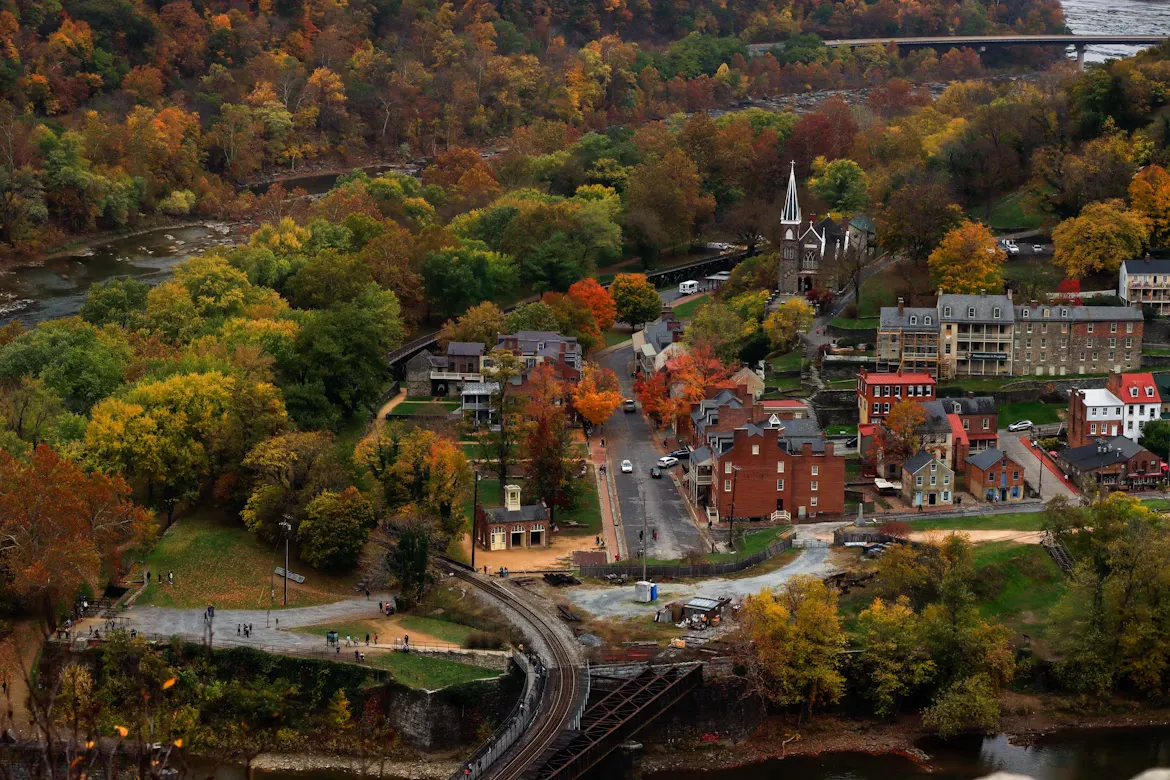
Harpers Ferry National Historical Park draws history buffs, hikers, and Washington-D.C. weekenders. Walkable streets, scenic overlooks, and proximity to two major metros sustain strong, diversified demand.
6. Martinsburg
Market Score: 89.93
Average Annual Revenue: $28,002
On the MARC rail line to Washington, D.C., Martinsburg attracts commuters, Civil War tourists, and Appalachian Trail hikers. A balanced mix of leisure and business travel fuels steady, year-round bookings.
5. Hinton
Market Score: 90.06
Average Annual Revenue: $19,738
Located where the New, Greenbrier, and Bluestone rivers converge, Hinton lures anglers, paddlers, and rail enthusiasts. Entry-level home prices and low saturation provide an inviting setup for first-time STR investors.
4. Berkeley Springs
Market Score: 90.44
Average Annual Revenue: $38,328
America’s first spa town remains a wellness getaway, boasting mineral springs, boutique galleries, and a thriving weekend rental scene. High ADRs and drivable proximity to Baltimore–Washington make Berkeley Springs a top performer.
3. Bluefield
Market Score: 94.62
Average Annual Revenue: $17,490
Straddling the Virginia border, Bluefield benefits from regional sports, healthcare, and proximity to the scenic Pinnacle Rock State Park. Investors appreciate its affordable housing stock and improving occupancy trends.
2. Huntington
Market Score: 98.66
Average Annual Revenue: $18,797
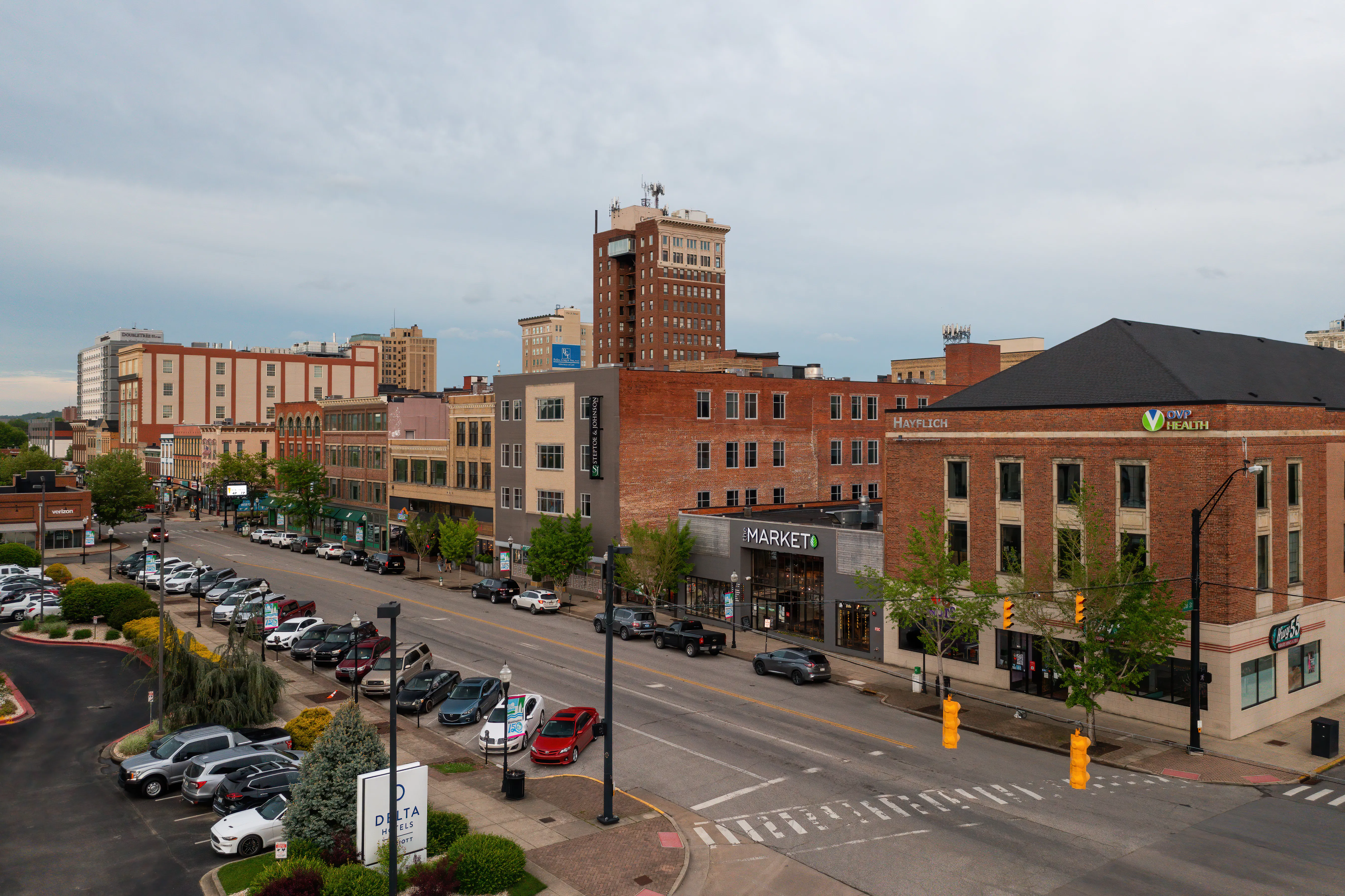
Home to Marshall University and a growing medical corridor, Huntington enjoys diverse demand spanning academics, healthcare, and Ohio River festivals. Stable occupancy and modest property prices push it near the top of West Virginia’s rankings.
1. Marlinton
Market Score: 98.75
Average Annual Revenue: $24,178
Gateway to the Monongahela National Forest and the renowned Greenbrier River Trail, Marlinton claims the state’s highest Market Score. Low competition, four-season recreation, and the nearby Snowshoe resort spillover combine to create exceptional STR dynamics.
Should You Invest in West Virginia?
For investors seeking a blend of affordability, outdoor tourism, and untapped upside, West Virginia offers one of the most compelling value propositions in the United States. Mountainside resorts like Snowshoe deliver hefty seasonal ADRs, while river towns such as Fayetteville and Harpers Ferry capitalize on national-park-driven demand. College hubs (Huntington), government centers (Charleston), and commuter-friendly panhandle towns (Martinsburg, Berkeley Springs) smooth out seasonality with business and institutional travel.
Regulations remain comparatively light in most counties, and statewide initiatives to boost recreation and broadband infrastructure bode well for future growth. Whether you’re targeting cash-flow lake cabins or appreciating metro rentals, the Mountain State has a market—or submarket—tailored to nearly every STR strategy.