9 Ways to Screen Airbnb Guests and Spot Red Flags Before It’s Too Late
Published: November 25, 2025
Last updated: September 25, 2026

Bram Gallagher
Key Takeaways
- Airbnb’s built-in screening tools are helpful, but they don’t catch everything. Having your own Airbnb guest screening process gives you more control.
- A consistent guest screening strategy helps protect your property, finances, and peace of mind.
- Warning signs like vague communication, unverified profiles, or unusual requests should never be ignored.
Every Airbnb booking comes with a level of trust. You're handing over the keys to your property, your business, and (sometimes) your sanity. While most stays go off without a hitch, it only takes one problem guest to cause damage, disrupt neighbors, or add hours to your workload.
Airbnb offers basic verification tools, but they aren’t tailored to your specific listing or comfort level. That’s why many hosts choose to go a step further, building simple, effective Airbnb guest screening systems to help them feel more confident about who they’re hosting.
In this guide, we’ll walk through nine Airbnb guest screening techniques to help you set expectations early, spot red flags before check-in, and keep preventable issues off your calendar.
Why Airbnb Guest Screening Matters
Airbnb guest screening is the process of evaluating potential guests before accepting their booking request. It typically includes reviewing their profile, verifying their identity, checking past reviews, and paying attention to how they communicate. You’ll also want to consider whether they’re a good fit for your space based on your property’s unique features and your own hosting preferences.
Why is screening Airbnb guests important?
- Minimizes the risk of property damage and the associated cost of repairs or losses
- Keeps neighbors and other guests safe
- Sets clear expectations for guests
- Reduces the likelihood of negative reviews from exploitative or high-maintenance guests

How Airbnb Screens Guests
Airbnb has its own screening process in place to help protect hosts, but it’s not foolproof. Understanding what the platform checks (and what it doesn’t) can help you decide where to add extra layers of protection in your own process.
Identity verification
Guests must provide a government-issued ID, such as a driver’s license or passport, to confirm their identity.
Profile completion
Guests complete their profiles with photos and bios, giving hosts more information about who they are.
Review system
Hosts and guests leave reviews for each other after their stays, allowing hosts to see a guest’s history and reliability.
Booking requirements
Hosts can customize their booking settings to require verified ID, positive reviews, and other criteria to screen potential guests.
Risk assessment
Airbnb uses algorithms to evaluate the risk of each booking and flag potentially high-risk reservations for further review.
Why You Might Need More Than Airbnb’s Guest Screening
Airbnb offers a helpful first layer of guest verification, but it’s designed to cover a wide range of listings, not your specific hosting style or property setup. That means it might not catch the things that matter most to you.
If you’ve ever felt uneasy about a booking request or wished you had more context before clicking “accept,” that’s a sign it might be time to implement your own guest screening process. Adding a few simple checks can help you feel more confident in who you’re hosting, while setting clear expectations from the start.
Your reasons might be practical: your past experiences, gut instincts, or wanting to avoid risky bookings. They could also be tied to your property itself. For example, listings with luxury furnishings, pools, shared spaces, or pet policies often benefit from tailored screening steps that Airbnb doesn't account for by default.
Whatever your setup, creating your own Airbnb guest screening process that fits your comfort level and hosting goals is a smart move.
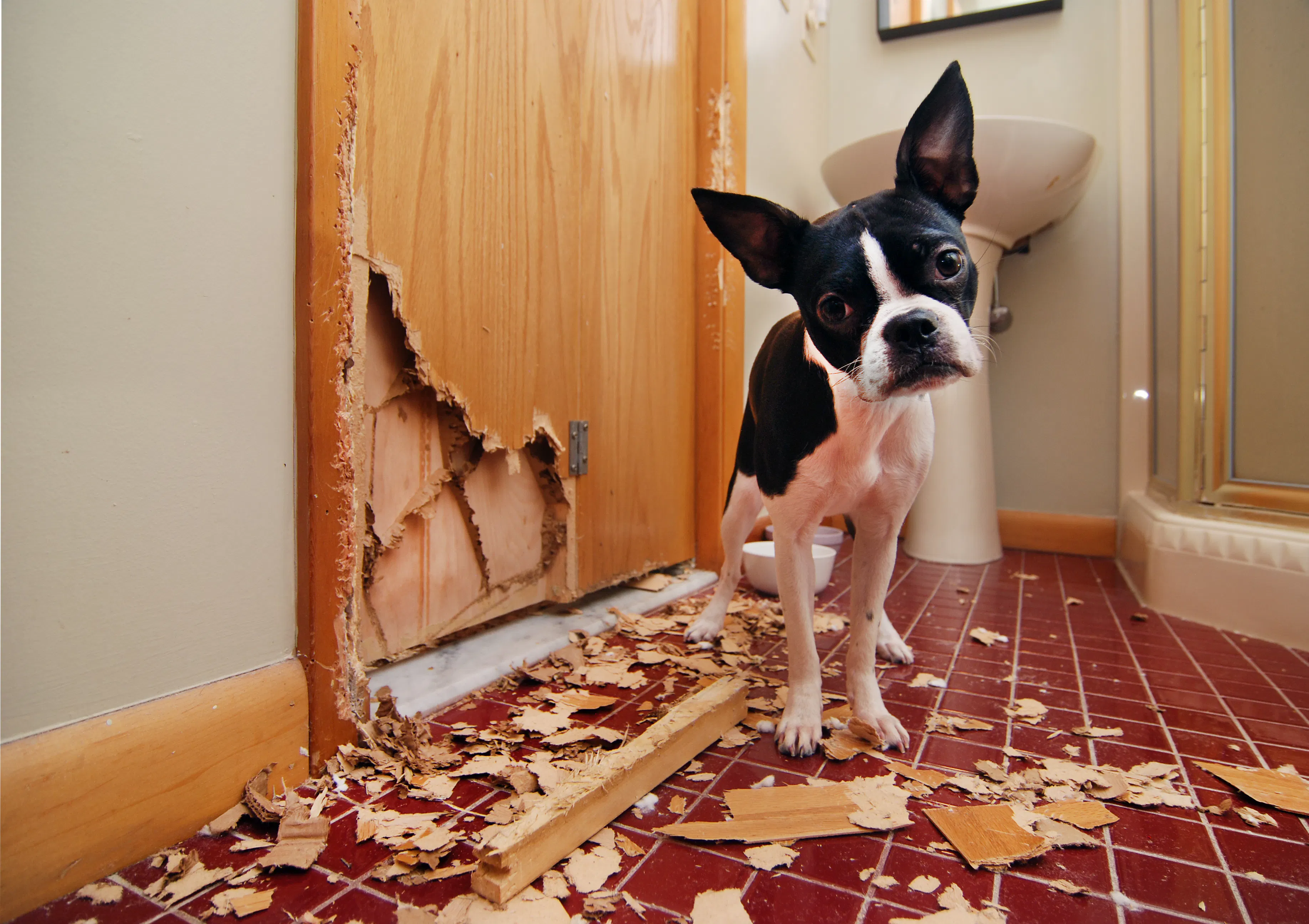
9 Effective Airbnb Guest Screening Techniques
Once you’ve decided to take more control over who stays in your property, the next step is putting that into practice. The good news? Guest screening doesn’t need to be complicated or time-consuming. It just needs to be consistent.
Whether you're building your first checklist or fine-tuning a process you already use, here are nine practical ways to vet potential guests, spot red flags early, and protect your short-term rental from preventable problems.
1. Establish clear communication early on
Start bycommunicating with potential guests as soon as they inquire about your property. Send a friendly welcome message, ask specific questions about their travel plans, and provide detailed information about your house rules. Pay attention to how quickly they respond, the clarity of their answers, and the tone of their messages—this can give you insight into their reliability and respectfulness.

2. Use Airbnb's built-in screening features
Take full advantage of Airbnb's built-in verification features, such as guest profiles, verified ID, reviews, and ratings. Check if a guest has verified their identity with a government-issued ID; this is a crucial step in the Airbnb guest screening process. Additionally, thoroughly examine reviews and ratings from previous stays, looking for consistent patterns. A guest with a history of positive reviews is more likely to respect your property and rules.
3. Craft a screening questionnaire
Here are some key Airbnb guest screening questions you can ask to understand guest intentions better and ensure they align with your expectations:
- What brings you to the area?
- Who will be joining you on this trip?
- What are your travel plans during your stay?
- Will you be hosting any events or gatherings at the property?
- Do you have any specific concerns or questions about the property?
Customize the questionnaire to address any specific concerns you might have.
4. Check consistency across platforms
If the guest has profiles on other platforms (like social media or other booking sites), check for consistency in the information they provide. Look for full names, occupation details, and other identifying information that matches across platforms. Consistent details can confirm their identity and intentions, while discrepancies might raise red flags in your screening process.
5. Implement booking requirements
Set specific booking requirements as part of your guest screening tools for Airbnb hosts, such as requiring guests to have verified ID, positive reviews, or a minimum number of previous bookings. These requirements help filter out potentially unreliable guests. For instance, you might require at least three positive reviews before accepting a booking request. Customize these settings in your Airbnb account to align with your comfort level and hosting experience.
6. Collect a security deposit
Request a security deposit to cover any potential damages. This provides financial protection and deters guests who might otherwise not take care of your property. Vrbo also has security deposit options that you can utilize if you list your vacation rental on multiple booking platforms.
7. Trust your instincts
If something feels off during your interactions with a potential guest, don’t hesitate to decline the booking. For instance, if a guest is evasive when answering questions or their profile lacks detail, it’s okay to prioritize your comfort and safety by declining their request.
Advanced technical and automated screening solutions
Beyond Airbnb’s built-in verification tools, many hosts are adopting automated solutions that integrate with property management systems to reinforce their screening process. These platforms use AI-powered identity verification, fraud detection, and risk scoring to flag potential issues before guests set foot on your property.
Some offer biometric checks and document authentication, along with background screening against various databases, to further reduce the chances of unauthorized parties or fraud. Many also incorporate smart home integrations, like noise monitoring or automated messaging systems, for real-time tracking of guest behaviors.
Some advanced tools rely on machine-learning algorithms to produce a dynamic risk score for each potential guest, providing a quantifiable snapshot of their trustworthiness.
Red Flags When Screening Airbnb Guests
We've reviewed different ways you can create an Airbnb guest screening process, but the question remains regarding how to tell if a guest represents a risk.
Here are some potential warning signs:
- Incomplete profiles
- Poor or no reviews
- Last-minute bookings
- Evasive or inconsistent communication
- Requests for rule exceptions
- Unverified identity
- Unusual payment requests
Guests who attempt to manipulate the platform or your own house rules by requesting payment outside of Airbnb, asking for exceptions to guest limits, or trying to bypass identity verification steps are worth taking an extra minute to assess. While some requests are reasonable, frequent or unusual requests can indicate potential for future issues.
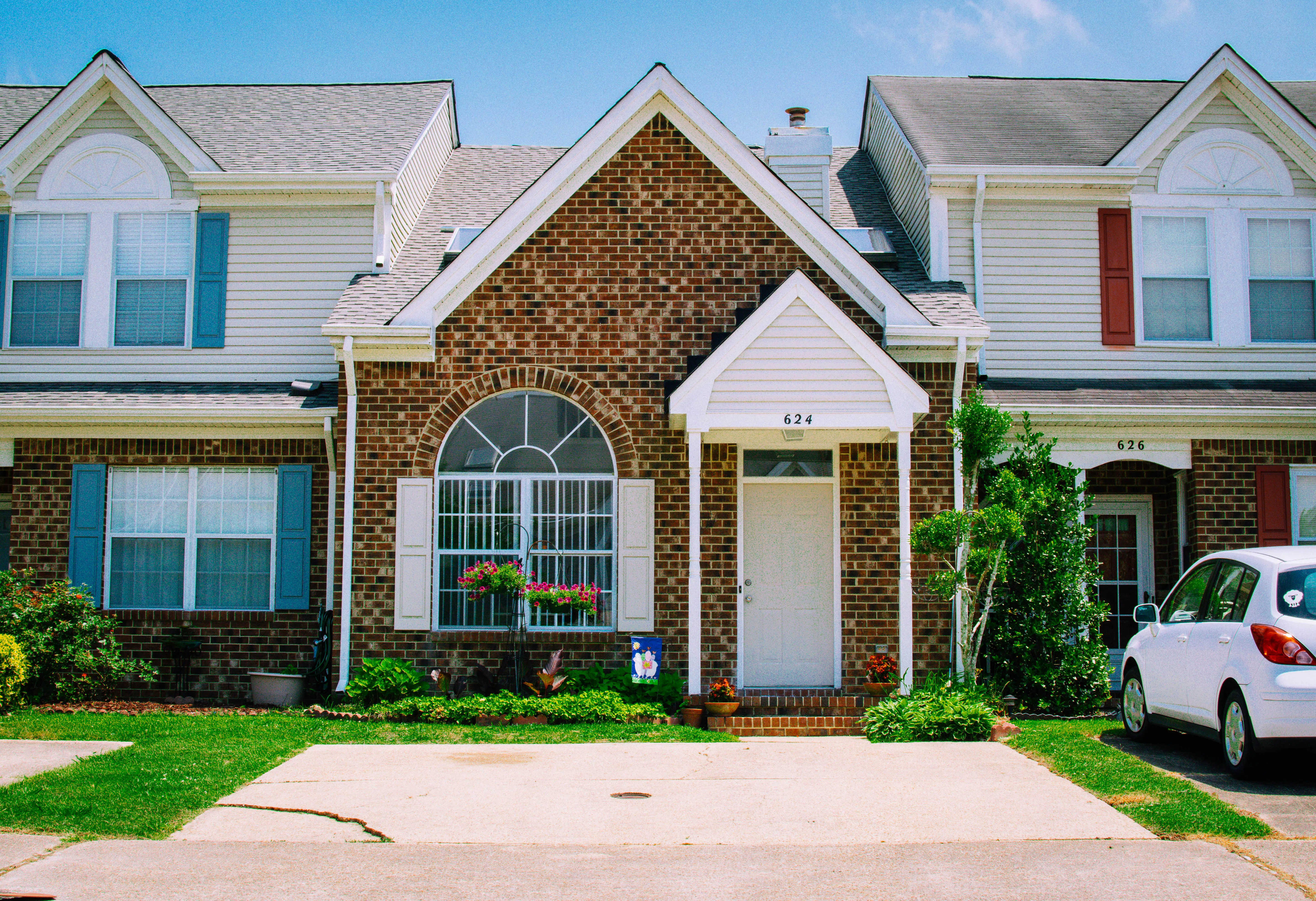
How Insurance Protects Your Airbnb Property
Airbnb’s AirCover for Hosts offers important protections, including up to $3 million USD in damage protection and $1 million USD in liability coverage. It’s automatically included with every eligible booking and helps cover damage to your space, belongings, and unexpected guest-related incidents.
However, while AirCover adds a solid layer of protection, it doesn’t cover everything. There are exclusions, geographic limitations, and delays that can sometimes slow down the claims process. It also only applies to bookings made through Airbnb, leaving potential gaps if you list on multiple platforms or have off-platform rentals.
That’s why many hosts choose to supplement AirCover with their own short-term rental insurance policy. Dedicated coverage can offer faster payouts, broader protection, and peace of mind, especially for high-value properties or those with amenities that increase liability risk.
When it comes to protecting your investment, a layered insurance strategy often makes the most sense.
Understanding Short-Term Rental Hosting Risks
Running a short-term rental always comes with risks, and Airbnb guest screening is just one part of a broader risk management strategy.
From property damage and theft to noise complaints and liability issues, there are many potential pitfalls to running a vacation rental. For a better understanding of the risks involved and strategies to manage them, check out our guide onshort-term rental risks.
Frequently Asked Questions
How does Airbnb vet guests?
Guests must provide government-issued ID to verify their identity, complete their profiles with personal information and photos, and are encouraged to leave reviews and ratings after stays. Additionally, Airbnb uses risk assessment algorithms to evaluate each booking and allows hosts to set specific guest screening requirements to filter potential guests. However, these platform-level checks should be supplemented with your own Airbnb guest screening process for maximum protection.
Does Airbnb perform background checks on guests?
Airbnb performs background checks on guests in certain countries, primarily focusing on criminal records and sex offender registries. However, the extent of these checks varies by location and is not exhaustive. Hosts are encouraged to conduct their own due diligence as part of their screening process.
What should I do if a guest has no reviews?
If a guest has no reviews, gather additional information before accepting the booking. Ask detailed questions about their travel plans, purpose of visit, and occupation. Request verified identification and check their profile for completeness and consistency. Consider asking about their familiarity with Airbnb's policies and your house rules. Trust your instincts. If anything feels off during your screening process, it's okay to decline the booking.
Is it possible to decline a guest after screening?
Yes! As a host, you have the right to accept or decline booking requests based on your comfort level and the information provided by the guest. If you have any doubts or concerns about a potential guest, it’s important to prioritize your safety and peace of mind by declining the booking if necessary.
What is the 25 rule on Airbnb?
The “25 rule” refers to a policy Airbnb enforces in certain countries, including the U.S., Canada, and parts of Europe, to prevent unauthorized parties. Guests under 25 may be restricted from booking entire home listings in their local area if they don’t have at least three positive reviews and no negative reviews on their profile.
This restriction isn’t universal. It only applies under specific conditions and is enforced by Airbnb, not individual hosts. Guests under 25 can still book shared or private rooms, or entire homes outside their local area. Hosts should follow Airbnb’s nondiscrimination policies and consider using their own screening process for added protection.
ARTICLE SUMMARY
Are you worried about hosting the wrong guests at your Airbnb? Guest screening is your best defense. Learn how to protect your property, develop your own Airbnb guest screening process, and spot red flags.
Bram Gallagher
AirDNA Director of Economics and Forecasting
Bram Gallagher is an Economist at AirDNA, specializing in uncovering insights that drive smarter short-term rental decisions. He put his Ph.D. in Economics from the University of Georgia to work researching and forecasting hotel data with CBRE prior to joining AirDNA, as well as teaching economics at a number of universities. In his spare time, Bram enjoys making wooden furniture with hand tools.