Airbnb Interior Design Trends to Maximize Your STR Revenue
Published: February 23, 2024
Last updated: September 25, 2026

Bram Gallagher
Key Takeaways:
- Airbnb interior design can significantly add value and influence booking rates.
- Biophilic, Scandinavian, and Modern Farmhouse designs are timeless trends that enhance guest experiences and have shown to bring a 50% increase or more in property value.
- Hiring an interior designer can lead to higher occupancy rates and increased revenue, justifying the investment despite higher upfront costs.
Airbnb guests appreciate the extra details.
We know there’s considerable evidence that amenities like an in-home gym or a chef’s kitchen can increase a guest’s likelihood to book. Recent data suggests that this effect also applies to the design of a space. A recent report from The Modern Space shows that it can add 12% on average to a property’s sale price.
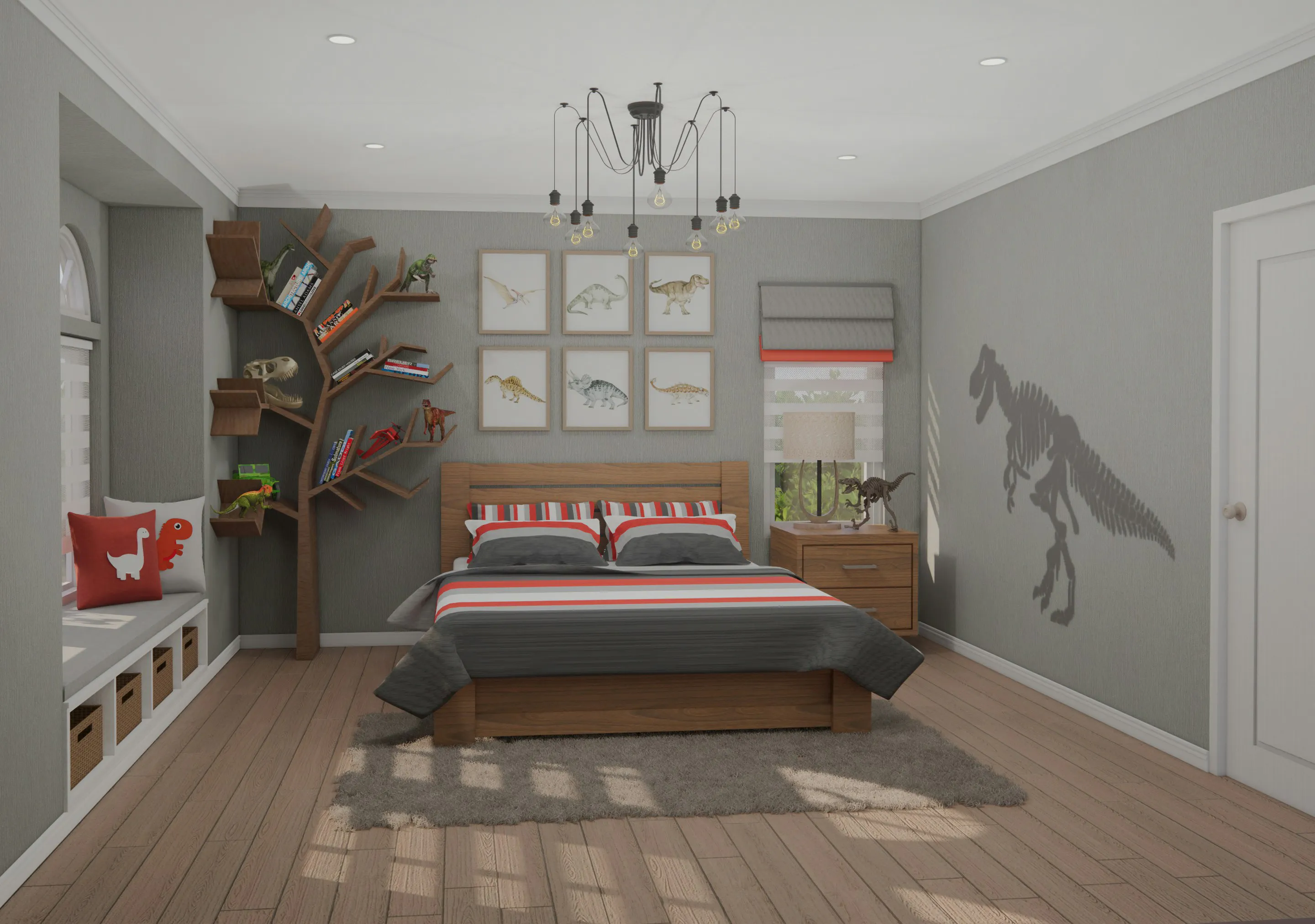
Simply providing a place to stay is no longer enough to stand out in the competitive market. Hosts need to focus on creating an enjoyable experience to attract potential guests. This leads to a greater emphasis on Airbnb interior design, which has become a critical factor in rental performance.
AirDNA has looked at the data and found that trends may come and go, but there are certain timeless designs and approaches that consistently win over guests.
The Link Between Interior Design and Short-Term Rental Performance
There is a strong correlation between the interior design of a rental property and its performance. Well-designed spaces not only attract more bookings, but also command higher prices. According to AirDNA's market analysis, rental properties with unique interior design features consistently have higher occupancy rates and generate more revenue than their basic counterparts.
Innovative Design is Lending an Edge to Competitors
The rental industry is increasingly focused on design. Sonder, an apartment hotel management company active since 2012, adopts a design-led approach that is reshaping how people travel. In a presentation to investors, Sonder highlighted "exceptional design" as a core value distinguishing them in the global lodging market.
Sonder's focus on design is yielding tangible results. In 2020, their monthly revenue per available room (revPAR) for a single unit was 2.8 times higher than standard hotel accommodations. Their average monthly occupancy rate was three times greater. This success contributed to raising $170 million in 2020, propelling Sonder to compete with giants like Airbnb and Expedia.

Well-Designed Spaces Draw Remote Workers
Similarly, the Airbnb and Real Page partnership with Migo marks a shift in home-sharing. Migo offers a network of thoughtfully designed, fully furnished homes, appealing to digital nomads seeking flex-living experiences. These spaces, combining ergonomic workspaces with stylish comfort, cater to those desiring a balance of work and leisure.
Integrating Interior Design With Property Management
Meanwhile, hospitality tech company Jurny currently manages a portfolio of over 270 hotel and short-term rental listings across five markets. Recently, Jurny formed a new partnership with turnkey interior design company, Fülhaus, in order to integrate the company’s proprietary property management software with interior design solutions.
These instances highlight a key trend in the STR market: success hinges on more than just space—it's about creating a holistic experience that blends thoughtful design with technological convenience.
3 Timeless Design Trends to Improve Your Airbnb
Factors like audience, location, and always-changing styles can make furnishing a vacation rental seem overwhelming.
While there's no universal formula for Airbnb interior design, AirDNA research has found certain trends have consistently stood out in the vacation rental market. These popular Airbnb design tips center around creating spaces that prioritize relaxation and comfort, making them universally appealing to a broad spectrum of guests.
Biophilic Design
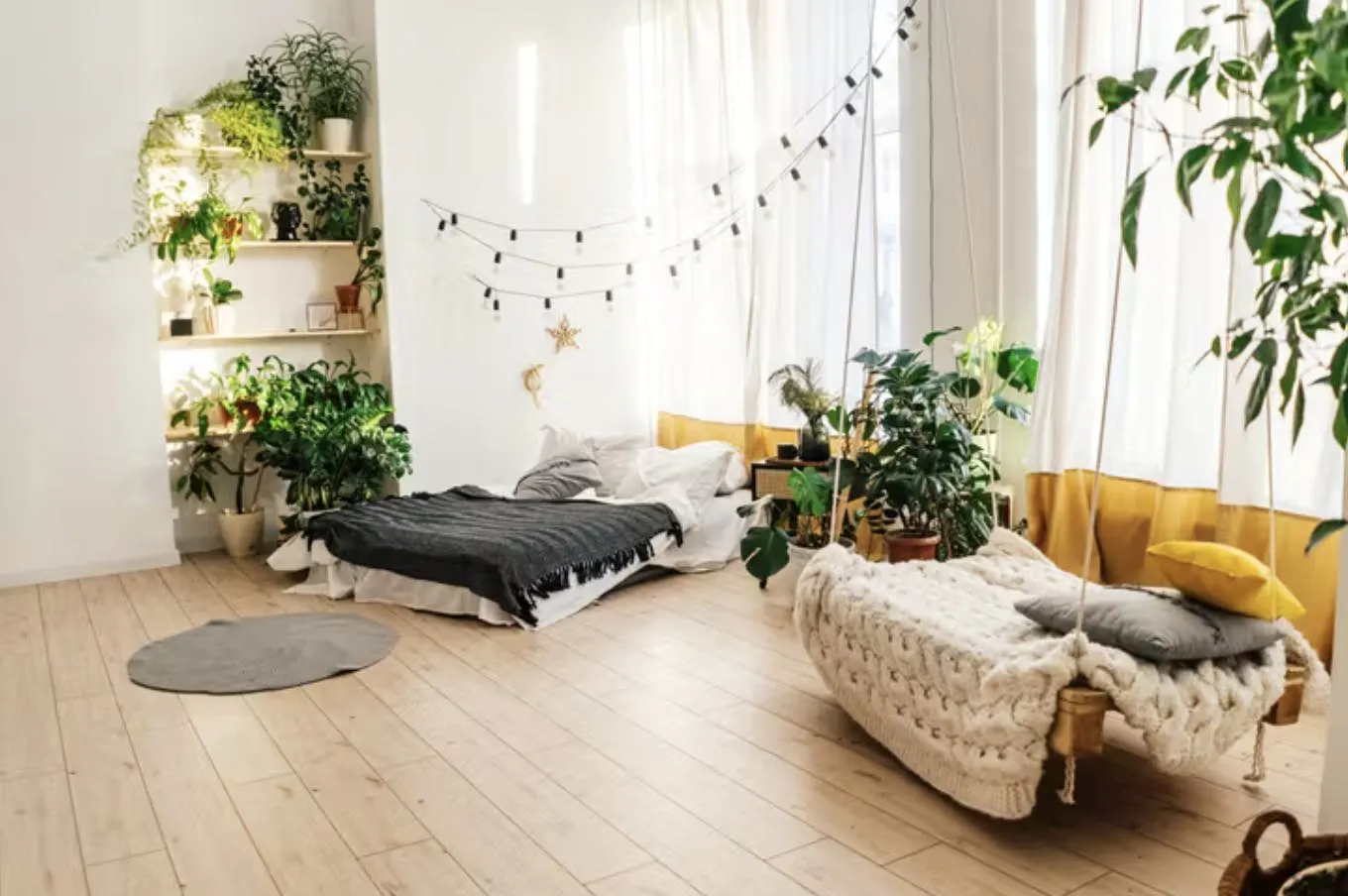
Biophilic design, made popular today by Justina Blakeney of Jungalow, has an interesting history. The origins of the term trace back to ancient Greece, meaning “love of life,” but it rose to popularity in the 1980s thanks to biologist E.O. Wilson. Biophilia describes the inherent human need to connect with nature. The concept is applied often in the design world by incorporating natural elements.
Access to nature has a significant influence over social behavior. Guests are willing to pay a premium for these kinds of designs. Terrapin Bright Green found that people are willing to pay 58% more for a property with a view of a waterway, or as much as 127% more for lakefront property.
What are some easy ways to bring nature in? Pull in lots of plants, nature-inspired artwork, green colors, and natural fibers.
Scandinavian Design
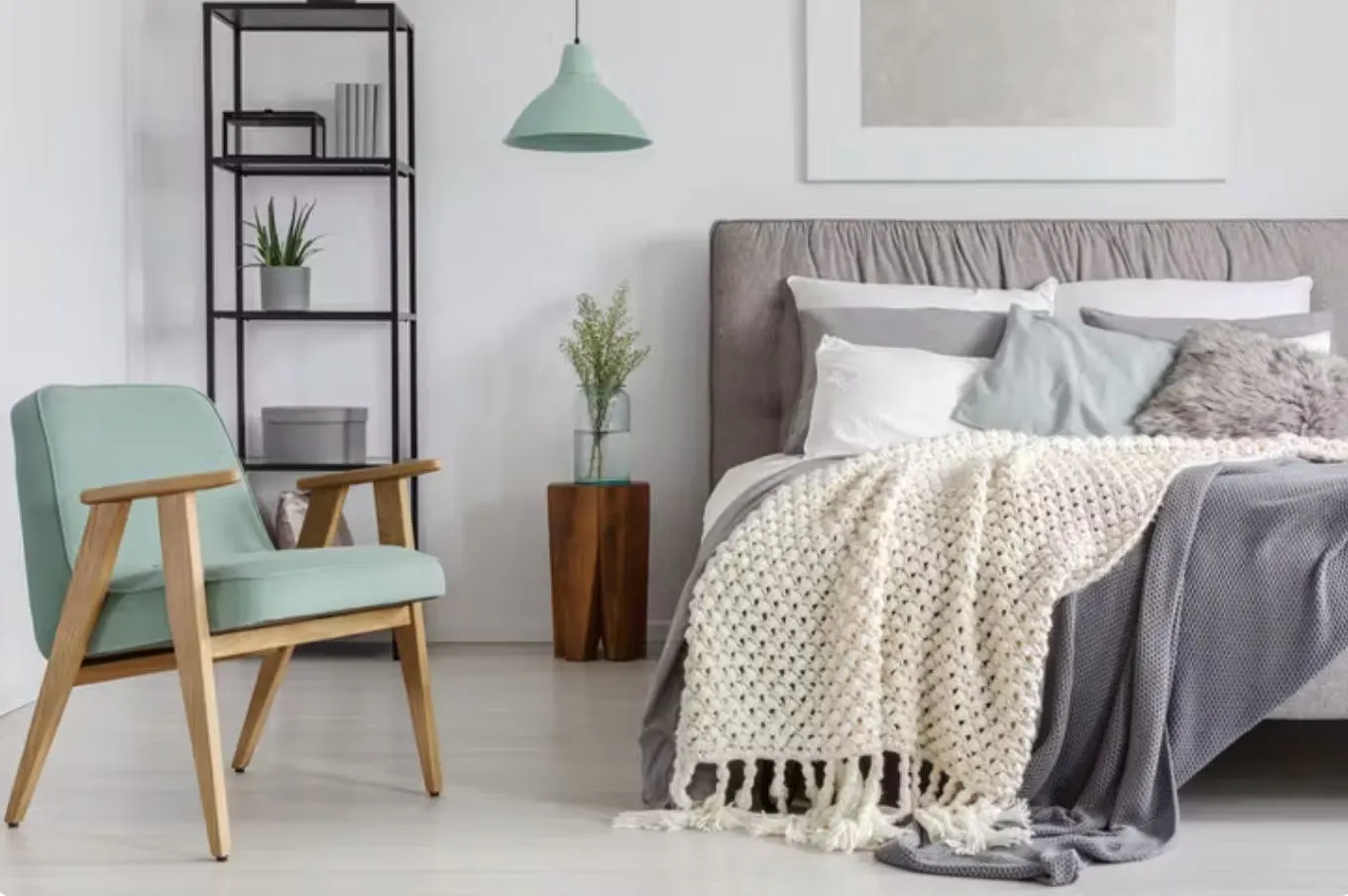
By now, Scandinavian design is a ubiquitous term in the design world. Its clean lines and neutral tones are always a popular choice. The main purpose of Scandinavian design is to improve daily life in a modern world. It's an easy choice when it comes to designing relaxing spaces for guests.
Modern Farmhouse Design
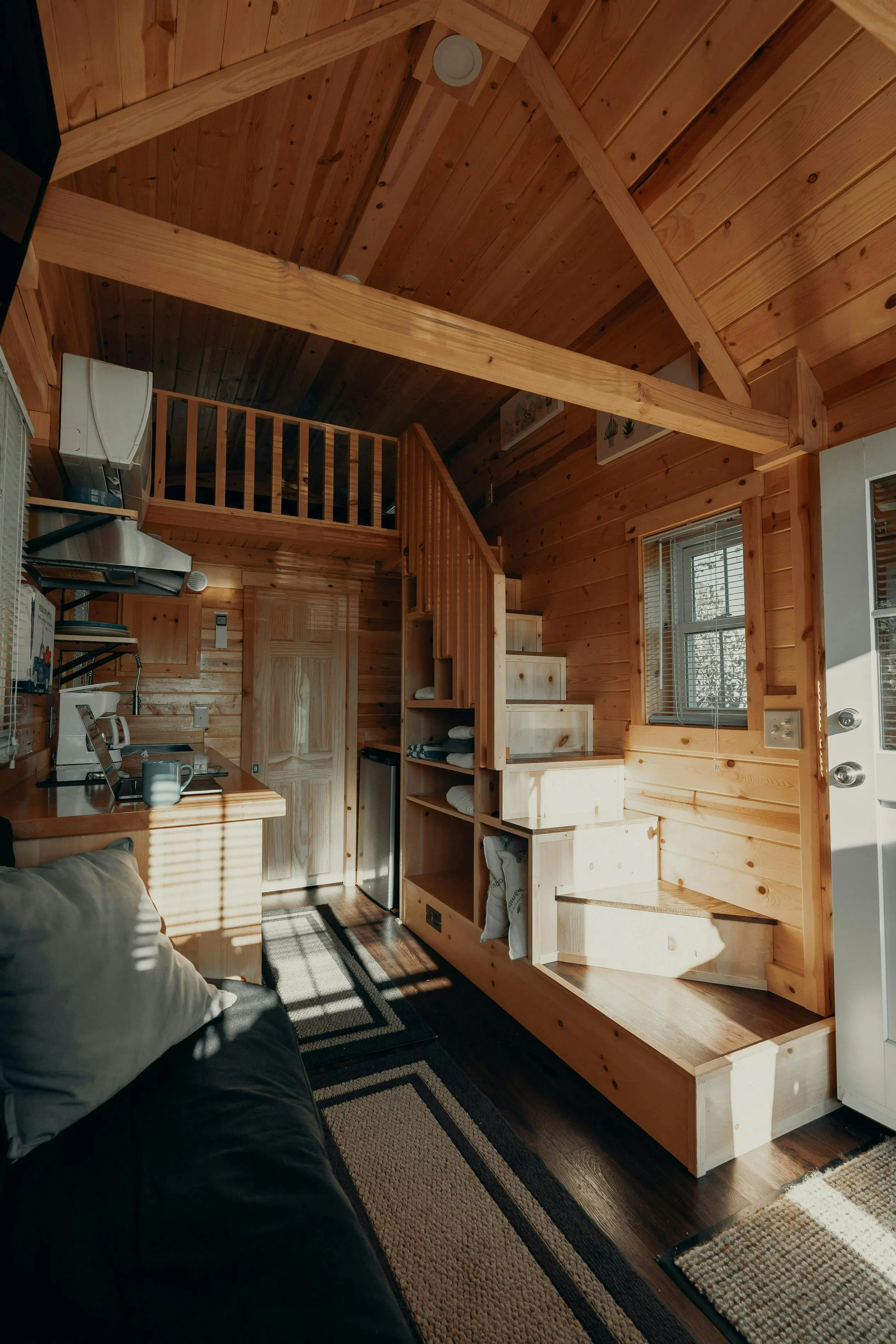
The farmhouse look rose in popularity in 2020, with people seeking comfort while largely staying indoors. Online searches for the style increased by 50% in this time period. The style, which has been popularized by Joanna Gaines, perfectly blends the traditional country look with more minimal contemporary design. It can be best visualized through elements like rustic wooden beams, cozy fireplaces, and creamy white color palettes.

How to Design Your Airbnb
Designing your Airbnb is more than just decorating. Property owners need to create an environment that resonates with guests and enhances their experience.
Let's explore some key aspects to consider when choosing your Airbnb interior design:
Think About Your Target Guest
Understanding your target guest is crucial in shaping your Airbnb interior design. Are you catering to business travelers, families, couples, or solo adventurers?
Each demographic has different needs and preferences. For instance, business travelers might appreciate a dedicated workspace, while families might look for child-friendly amenities. This episode of the AirDNA podcast helps you understand market demands and guest preferences, offering valuable insights for tailoring your space.
Reflect Location in Your Design
Consider the location of your property to guide your decor and create a seamless connection between the indoor ambiance and the outdoor environment. Reflecting the location in your Airbnb interior design can make it stand out to potential guests seeking an authentic stay that embodies the spirit of the destination.
Maximize Space Efficiency and Appeal
Regardless of your property's size, efficient use of space is key. Clever storage solutions and multi-functional furniture can make even the smallest areas feel spacious and welcoming. Good lighting can transform a space, making it feel warm and inviting.
Incorporate Local Charm and Theme
Adding local charm and a thematic touch to your Airbnb can make your property unique. This might mean incorporating local artwork, color schemes inspired by the surrounding environment, or decor items that reflect the area's culture. For more ideas, check out AirDNA’s guide on popular themes for Airbnb rentals.
Select Quality Furnishings
Investing in quality furniture is vital for durability and guest comfort. High-quality furniture not only withstands frequent use but also adds a touch of sophistication to your space. Be sure to read AirDNA’s guide to selecting Airbnb furniture that is both stylish and functional.
Design in Action: Check out these Stunning Short-Term Rental Properties
We vetted three existing short-term rental properties across North America designed by interior design company, Fülhaus’. Our aim was to determine the earning potential of a property in its respective regional market using AirDNA. We found a definite correlation between well-designed spaces and an increase in occupancy or average daily rate compared to the listing’s regional market average.
1. Maison St. Therese, Montreal, Canada
Maison Sainte-Therese is a boutique hotel in the historical Old Town district of Montreal, Canada that features 15 rooms. The entire second floor of this building was designed by Fülhaus in 2018.
According to the AirDNA, a one-bedroom, one-bath room at this hotel sees an average occupancy rate of 56%, higher than Montreal’s average rate of 50%. But it’s the average daily rate that shines here at $149. This is a 26% increase from the city’s average.

2. CozBnB, Charlotte, North Carolina
The short-term rental market in Charlotte, North Carolina skyrocketed since January 2021, seeing a 63% average occupancy rate in the following year. Travelers were looking to book entire homes rather than private rooms or hotels.
According to the AirDNA data, a three-bedroom, three-and-a-half bath vacation rental redesigned by the Fülhaus team in 2019 sees an average daily rate of $244, a 63% increase from Charlotte’s average of $149. This indicates that even if the listing sees a lower occupancy rate, the property owner may be able to charge more per day in order to recoup any shortage of revenue. This proves it to be more profitable per month than competing listings in the area.
3. Sonder, The Continental, San Diego, California
Located in San Diego’s trendy Little Italy neighborhood, The Continental is an apartment building that also offers short-term rental options for digital nomads and business-minded travelers. Six of the building’s rooms geared towards shorter stays were entirely designed by Fülhaus in 2019.
We tracked a short-term room with the AirDNA data and found that a studio apartment at The Continental sees an average daily rate of $220. This is 64% higher than comparable listings in the area, which average $134 per day. While the occupancy rate sits at 64%—lower than the San Diego average of 81%—the studio’s high daily rate ultimately makes The Continental more profitable than other short-term rental options in the area.

Should You Hire an Interior Designer?
Deciding whether to hire an interior designer for your Airbnb can be a pivotal choice, impacting everything from guest satisfaction to your rental’s profitability.
Balancing Expertise, Time, and Budget
Hiring an interior designer brings professional expertise to your space, ensuring a cohesive and appealing design. Designers can navigate current trends, optimize the use of the space, and select furnishings that resonate with your target audience. However, this expertise comes at a cost, both in terms of budget and time.
Professional services can be a significant investment, and the Airbnb design process might take longer than if you were to do it yourself. Weigh the potential return on investment against the costs involved. If your goal is to create a high-end rental or stand out in a competitive market, investing in professional design could be beneficial.
Impact of Professional Design on Rental Performance
Having a well-designed rental space has many benefits. Not only does it make your property more attractive in photographs, but it also enhances the guest experience. This leads to better reviews and more repeat bookings.
Professional designers can create a unique and memorable environment that sets your property apart from others in the area. This can justify higher rental rates and ultimately increase your overall revenue.
When thinking about hiring an interior designer for your Airbnb business, consider your goals, the complexity of your project, and your ability to manage design work. Although hiring a professional may result in higher upfront costs, the long-term benefits in terms of market positioning and guest satisfaction may prove to be a valuable investment for your business.
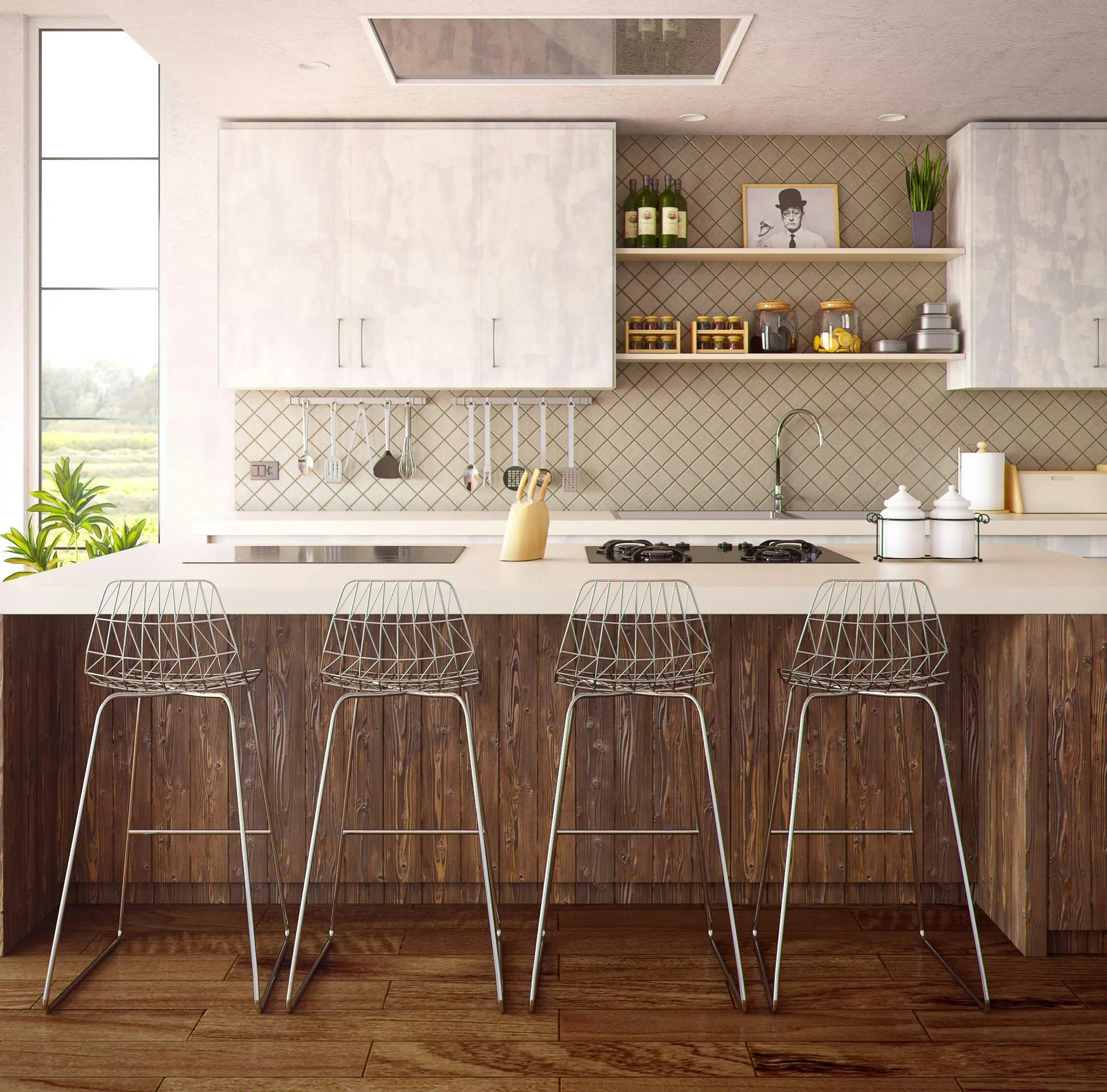
Interior Design as Business Strategy
Managing a short-term rental involves making strategic business decisions, including Airbnb interior design choices.
Hosts can set themselves apart by adopting Airbnb design guidelines that create memorable experiences for their guests. However, as always, it’s important that you make choices that leverage market data and trends and not just aesthetic appeal alone.
ARTICLE SUMMARY
Explore the undeniable impact of interior design on short-term rental success. We provide actionable insights on creating captivating spaces that stand out in the competitive Airbnb landscape.
Bram Gallagher
AirDNA Director of Economics and Forecasting
Bram Gallagher is an Economist at AirDNA, specializing in uncovering insights that drive smarter short-term rental decisions. He put his Ph.D. in Economics from the University of Georgia to work researching and forecasting hotel data with CBRE prior to joining AirDNA, as well as teaching economics at a number of universities. In his spare time, Bram enjoys making wooden furniture with hand tools.