What Is Seasonality and Its Impact on Short-Term Rentals?
Published: February 3, 2025
Summary
What is seasonality?
Seasonality is how your STR's performance naturally ebbs and flows throughout the year. It includes high seasons when tourists flock to your market, shoulder seasons with moderate demand, and low seasons when bookings dip.
Why it matters
Seasonality directly impacts pricing, occupancy rates, and revenue planning. Understanding it helps hosts optimize strategies, adjust pricing dynamically, and plan for low-demand periods to maximize profitability.
Who should know it
Critical for STR hosts setting yearly strategies, property managers optimizing multiple listings, and real estate investors analyzing market opportunities for their next purchase.
Where you’ll see it
In market reviews and industry reports that guide investment decisions. But most importantly, inside AirNDA, where each market gets a Seasonality Score. This score helps you choose investment markets and optimize your pricing strategy throughout the year.
Seasonality Overview
Seasonality is the cyclical variance in traveler demand throughout the year that's unique to each vacation rental market. These natural peaks and valleys shape your STR's performance and success. Whether you're running a beachfront rental or a ski chalet, understanding your market's rhythm helps you price smarter and stay ahead of the competition.

Seasons and Their Impact on Short-Term Rentals
Every season creates unique opportunities and challenges for short-term rental hosts. Here’s how to approach each season strategically:
- Peak season: This is the busiest and most profitable time of year, with high occupancy rates driven by increased demand. Guests are willing to pay higher rates, making it the ideal time to enforce longer minimum stays and premium pricing. For example, summer is the peak for beach destinations, while winter reigns supreme in ski towns. Highlight seasonal amenities like pools, fireplaces, or proximity to holiday events to attract bookings.
- Shoulder season: These are the periods before and after the peak, offering moderate demand and revenue potential. Occupancy rates are steady but lower than during peak season. Adjust pricing slightly downward and consider shorter minimum stays to appeal to budget-conscious travelers. For example, mountain rentals can attract hikers in the fall as a complement to their winter ski crowd.
- Off-season: The off-season brings the lowest demand and occupancy rates, but it’s not without opportunity. Reduce nightly rates to draw in thrifty guests or long-term renters like remote workers. This is also the perfect time for maintenance or updates to your property.
Desert destinations, for instance, see fewer visitors in the summer but can still cater to travelers seeking solitude or deals.
For deeper insights into shifting seasonal trends, check out our guide on how to master short-term rental seasonality for bigger profits year-round.
What’s a Seasonal Pricing Example?
Let's look at how seasonal pricing works with a Breckenridge ski cabin. Your rates shift with demand throughout the year, reflecting what travelers will pay in different seasons. Note that this is a theoretical example.
Key rate changes
- Peak winter (Dec-Mar): $350/night. Skiers flock to fresh powder, often hitting $450+ during holidays
- Spring shoulder (Apr-May): $200/night. As ski season winds down, lessening demand requires more competitive rates.
- Summer (Jun-Aug): $225/night. Prices increase slightly for hiking and festival season.
- Fall shoulder (Sep-Nov): $175/night. Hosts offer their most flexible rates before snow returns.
Smart seasonal pricing means understanding these natural demand cycles and adjusting your strategy to maximize bookings year-round.
Use our Airbnb calculator to estimate your seasonal profits and optimize your pricing.
Tips for Success in Seasonal Markets
Planning for seasonality can help you stay ahead of the competition and maximize revenue year-round. Here’s how:
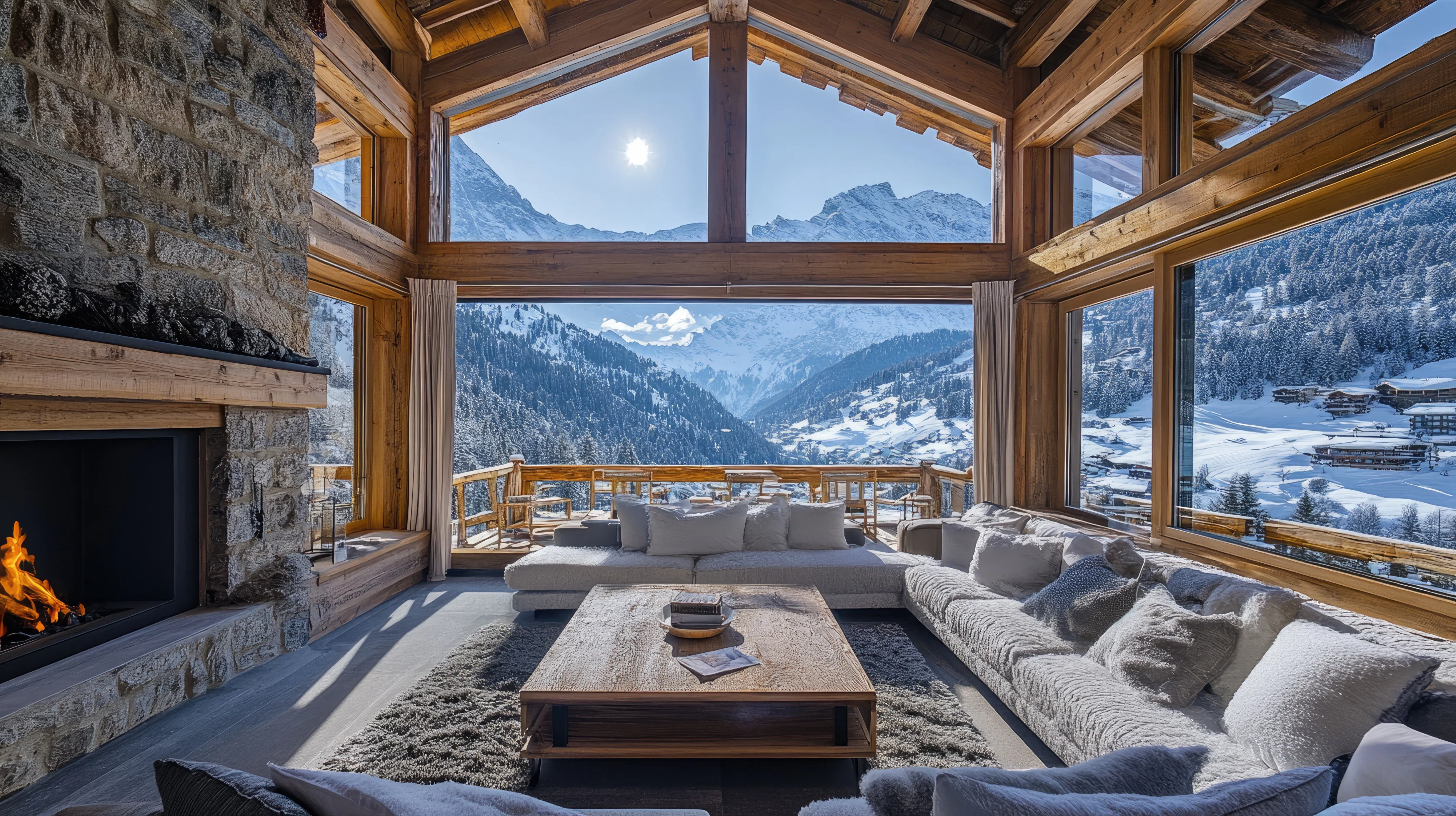
- Plan ahead: Update listings with seasonal photos and descriptions. For instance, showcase your cozy fireplace and holiday decor in winter or promote outdoor spaces in summer.
- Use dynamic pricing tools: AirDNA can automatically adjust your rates based on competitor pricing, local events, and historical trends, saving you time and maximizing revenue.
Boost your revenue with smarter pricing strategies—try our Airbnb dynamic pricing tool. - Target the right guests: Tailor your marketing to attract different types of guests each season. Families may travel during summer breaks, while remote workers look for deals in quieter months.
- Leverage local events: Highlight nearby festivals, concerts, or sporting events to attract attendees. Offer event-specific packages or promotions to stand out.
- Stay competitive: Monitor competitor listings and adjust your rates and amenities to remain appealing. Keep an eye on their photos, descriptions, and reviews to learn what works.
Check out our full guide for expert tips to improve your off-season short-term rental bookings.
How Is Seasonality Measured?
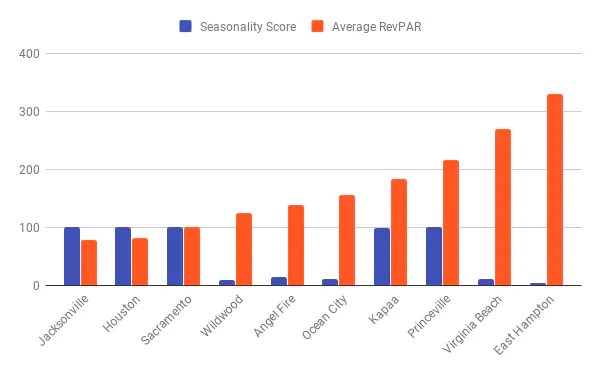
AirDNA makes it easy to understand how seasonal your market or property really is. Our Seasonality Score (0-100) measures the gap between your highest and lowest RevPAR (Revenue per Available Rental) months over the past year.
What the scores mean:
- Higher scores (closer to 100): Little difference between your highest and lowest months. Expect steady income all year.
- Lower scores (closer to 0): Big jumps between peak and off-peak RevPAR. Plan for significant seasonal shifts.
Use your score to build a smarter strategy, from setting peak-season premiums to creating off-season booking incentives that keep revenue flowing.