

 Calculate Revenue
 Research Markets
 Find For Sale Properties
 Compare My Listing
 STR Revenue Calculator
 Custom Comp Sets
 Submarket Insights
 Custom Search Filters
 Rate Recommendations
 Performance Benchmarking
 Competitor Comparison
 Owner Contact Details
 Property-level performance data
 Tourism Insights
 Real Estate Investment Analytics
 About Us
 Sales
Sales Support
 Press
PressBest Places to Invest in a National Park Airbnb
Published: January 27, 2026

Jamie Lane
Key Takeaways
- Airbnb national park demand is strongest in gateway markets, which are towns just outside the park border
- Average short-term rental yield varies widely near national parks, making home price just as important as demand.
- AirDNA helps investors compare national park markets using revenue, demand, and pricing data rather than park popularity alone.
National parks have become one of the most reliable demand engines in the short-term rental market. Visitors tend to plan multi-day trips around specific parks, seasons, and experiences, booking accommodations well in advance to secure proximity and space.
For investors, that creates a compelling opportunity—but only in the right places. Not every town near a national park performs well, and high demand alone doesn’t guarantee strong returns. Home prices, accessibility, and seasonality all shape whether national park-driven demand translates into sustainable short-term rental performance.
To identify the 10 best places to invest in a national park Airbnb, we analyzed markets that function as true gateways to national parks and evaluated how current for-sale properties perform relative to their revenue potential. This list highlights where park access, demand patterns, and home prices converge into a realistic path to owning an Airbnb near a national park.
Why National Park Access Is a Powerful STR Investment Driver
Travelers visiting a national park are planning trips around a specific park, a specific season, and a specific set of activities. That purposeful travel behavior shapes booking patterns in ways that can work in investors’ favor.
Longer stays and earlier planning
National park trips tend to span multiple days, especially for visitors traveling from out of state. That can translate into longer average stays and bookings made further in advance, particularly during peak seasons. For investors, this can mean fuller calendars during high-demand periods and clearer visibility into upcoming occupancy.
Gateway markets do the heavy lifting
Most national parks have limited or no lodging inside park boundaries, which pushes demand into nearby gateway towns. These markets function as basecamps, offering kitchens, parking, and flexibility that hotels can’t always provide. In the right gateway market, that dynamic can support steady short-term rental demand even without year-round tourism.
Travel is anchored around the park
On trips to national parks, the park itself is usually the main event, not an add-on. Visitors travel for hikes, tours, wildlife, and scenery they can’t find elsewhere, which makes demand less sensitive to short-term travel trends. Because the destination is fixed, lodging proximity matters.
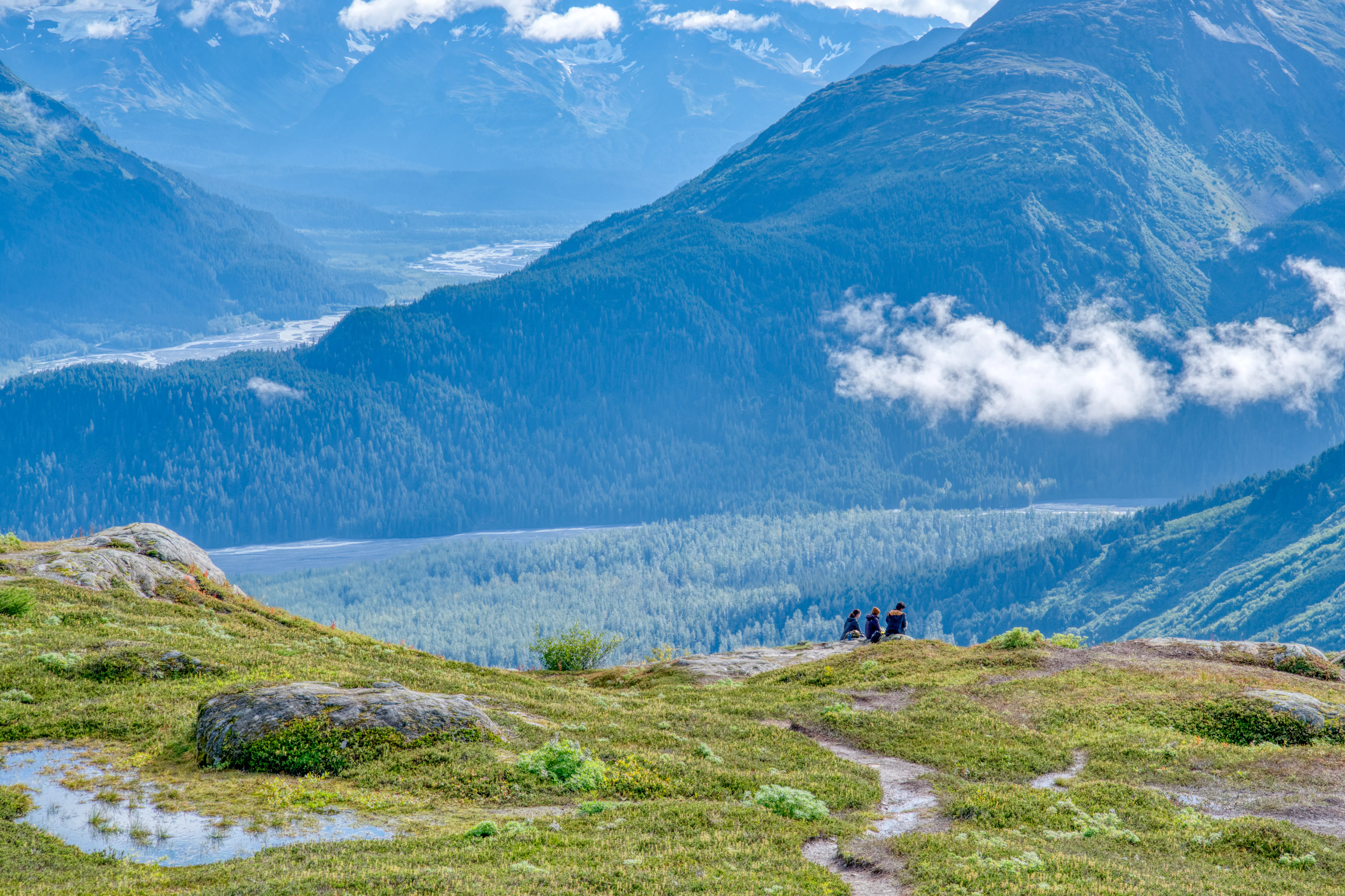
Our Methodology for Ranking National Park Airbnb Markets
Short-term rental markets near national parks boast strong visitation numbers, recognizable destinations, and steady traveler interest. But performance varies widely depending on:
- Where demand concentrates
- How much it costs to buy
- Whether a market functions as a true basecamp for park visitors
To account for that, we evaluated national park–adjacent markets based on yield, using the average revenue potential of houses currently for sale relative to their purchase price. This approach moves beyond raw visitation numbers and analyzes something more practical: how much income a property might generate relative to what it costs to buy.
Why do we take this approach? Some national park gateway towns attract steady visitor traffic but come with higher home prices that make returns harder to balance. Others offer a more approachable buy-in while still capturing meaningful park-driven demand. Looking at yield helps highlight where those tradeoffs start to make more sense.
Note: Average home prices, revenue potential, and yield for each market is based on currently for-sale properties, which change day to day. The figures in this report are based on data from December 2025 but will fluctuate as the real estate landscape evolves.
Best Places to Invest in a National Park Airbnb
The markets on this list ranked highest based on yield, using the average revenue potential of homes for sale near national parks. While some well-known gateway towns appear on the list, several top performers sit just outside the most obvious destinations, where home prices are more accessible and the income-to-cost balance looks stronger.
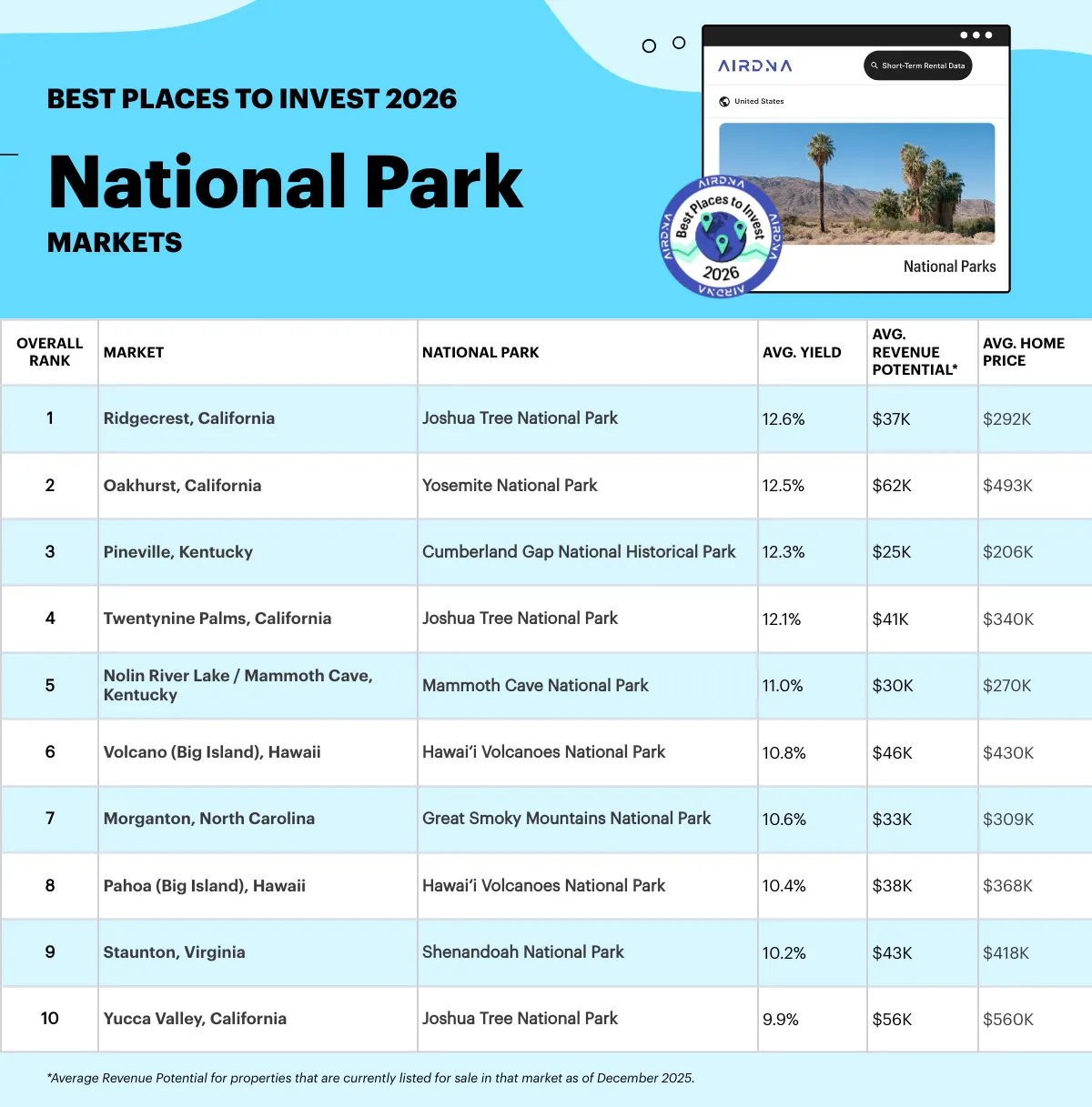
These markets highlight where national park demand and acquisition costs may be better aligned for investors seeking Airbnbs near national parks.
1. Ridgecrest, California – Death Valley National Park


Ridgecrest is an affordable SoCal desert market with real, consistent demand. It works especially well as a comfortable home base for leisure and pass-through travelers exploring Death Valley National Park. Ridgecrest delivers rare California value: sub-$300K entry pricing paired with double-digit STR yield.
Demand for Airbnbs near Death Valley National Park is anchored by specific, defensible draws like Little Petroglyph Canyon, Maturango Museum, and China Lake Museum, and a steady stream of outdoor recreation tied to hiking, biking routes, scenic vistas, and desert day trips.
Operationally, the play is simple: offer a clean, comfortable home optimized for desert adventure (think reliable A/C, shaded outdoor space, and gear storage) and market it as a convenient hub for exploring the region.
Regulations: Sierra County requires administrative use permits for short-term rentals, limited to three-year terms. The county also requires that owners must be current on property taxes (with permits subject to suspension or revocation for violations). The City of Ridgecrest requires hosts to register their short-term rental to receive a transient occupancy tax certificate. The current transient occupancy tax rate as of January 2026 is 10%.
2. Oakhurst, California – Yosemite National Park
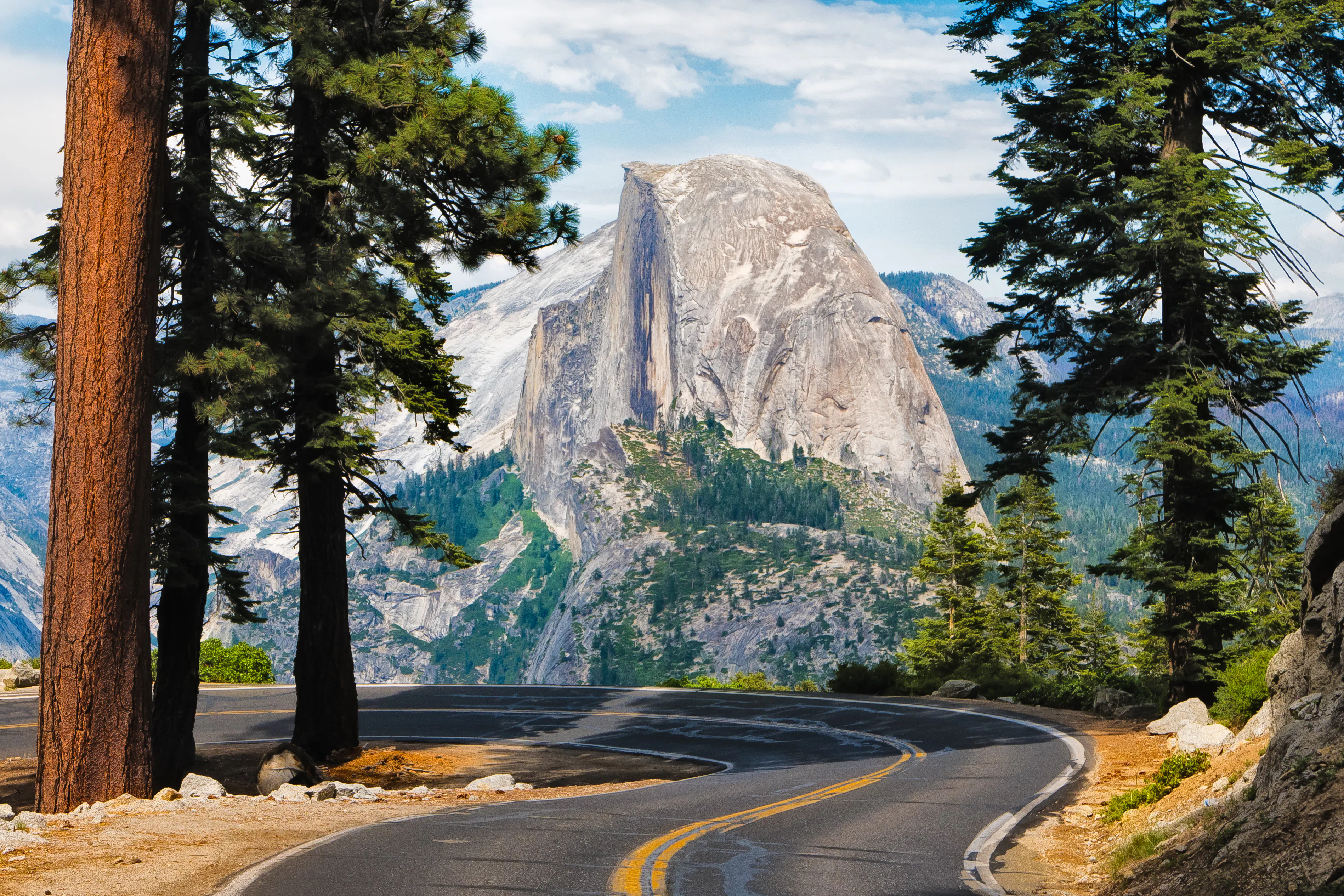

Oakhurst is a year-round Yosemite gateway where national park demand stacks with local attractions to support multi-night bookings and standout yield for a California mountain market. It’s a drive-to market for Fresno residents looking to escape the city.
Oakhurst is widely marketed as a Yosemite basecamp, but beyond the park, the area sells itself: scenic Highway 49 plus hiking, nature, and Sierra road-trip travel support spring-through-fall stays. Local leisure and entertainment broaden the stay with draws like Idle Hour Winery and Chukchansi Casino.
Market performance in Oakhurst is especially compelling for California. Average home prices are just shy of $500K, while average revenue potential tops $61K, reflecting steady visitor flow and willingness to pay for Airbnbs near Yosemite National Park. Average yield is 12.5%, a rare double-digit return profile at this price point in a brand-name tourism corridor.
Regulations:
Madera County requires a non-transferable short-term vacation rental (STVR) permit along with a business license and transient occupancy tax compliance. It’s worth noting that there are indications of potential ordinance changes being proposed, so investors should monitor updates closely.
3. Pineville, Kentucky – Cumberland Gap National Historical Park
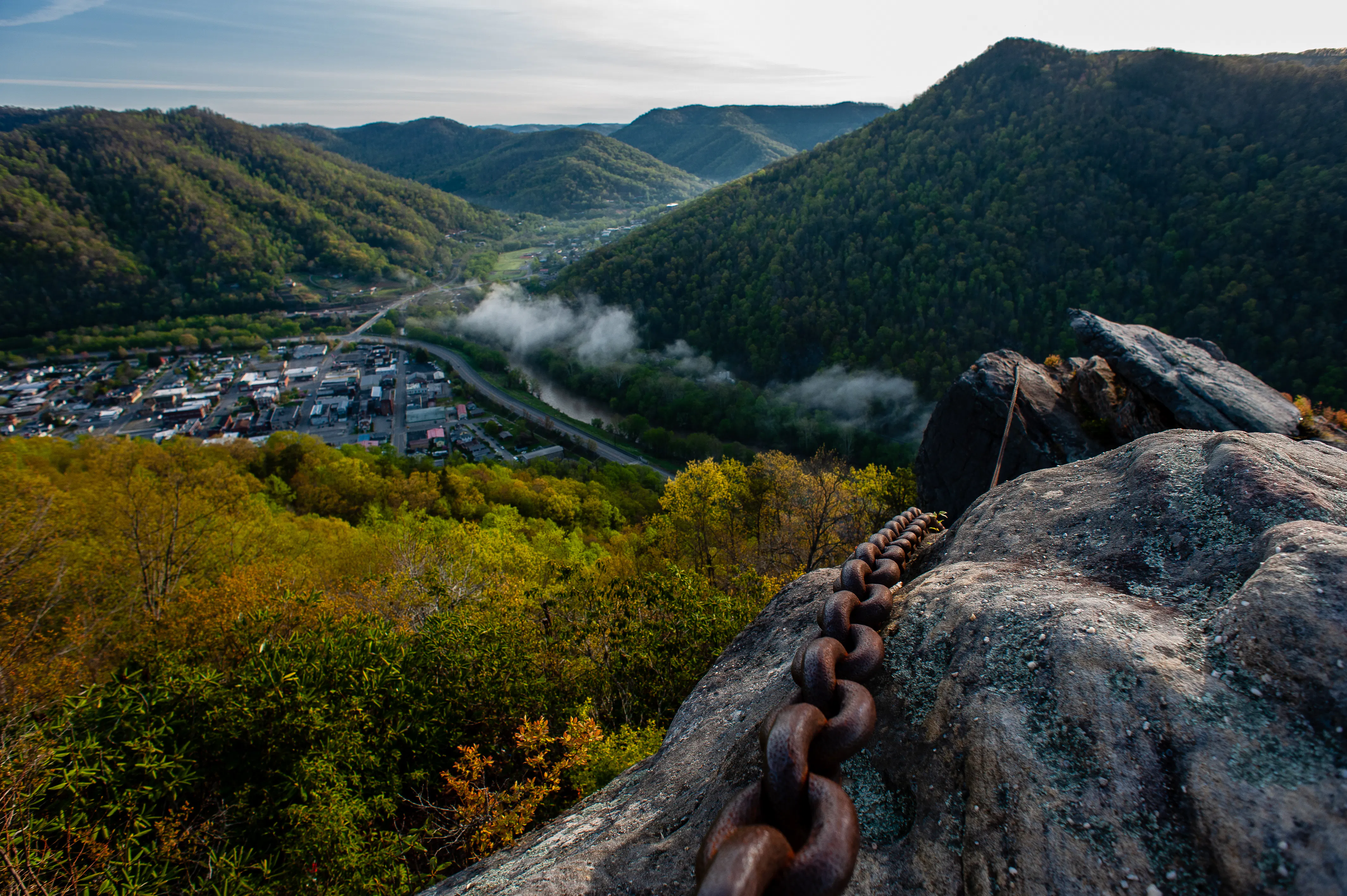

Pineville, Kentucky, is the ideal “small town, big outdoors” STR play: low buy-in with destination-driven demand. The city sits at the gateway to Eastern Kentucky outdoor and heritage travel, anchored by Pine Mountain State Resort Park and signature viewpoints like Chained Rock. That combination reliably attracts weekend getaways, families, golfers, hikers, and road-trippers who want a comfortable home base near trails, overlooks, and local culture.
The STR investment math is compelling. The average home price is just over $200K, which is well below many leisure-first markets. Pair that with an average yield of 12.3% and you get strong income efficiency without paying resort town acquisition prices.
Regulations:
Kentucky’s STR rules are largely set at the city/county level rather than through a single statewide licensing system, so practical operating requirements vary by jurisdiction. Prospective investors should inquire directly about registration or permitting requirements, as the City of Pineville doesn’t make them publicly available online.
4. Twentynine Palms, California – Joshua Tree National Park
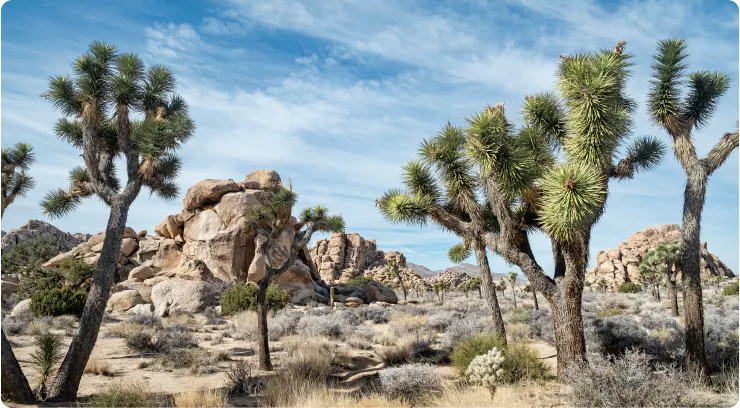

Twentynine Palms is the quieter, more laid-back gateway to Joshua Tree National Park, and it’s matured into a high-conviction STR market. The city delivers destination-driven Joshua Tree demand with an accessible buy-in, making the revenue-to-price math unusually compelling for Southern California.
Guests flock to Twentynine Palms year-round, with occupancy remaining relatively consistent in the 40-60% range with peak demand in spring and late fall. This is an “experience-forward” market where a unique vacation rental can be part of the trip. Airbnbs near Joshua Tree National Park that are well-designed and thoughtfully amenitized can command especially high ADRs.
Twentynine Palms’ market fundamentals are strong. With an average home price of less than $350K, entry costs are relatively attainable for California. Not to mention, the city’s 12.1% average gross yield stands out in a state where double-digit yields often require battling heavy seasonality or elevated regulatory risk.
Regulations:
Twentynine Palms’ STR regulations are structured but workable. Operators generally need a short-term rental permit, plus compliance items like a business license and transient occupancy tax registration. San Bernardino County also requires STR permits for homes rented 30 days or less in designated mountain and desert areas. Overall, this is a manageable, rules-based market that’s generally favorable for investors.
5. Nolin River Lake, Kentucky – Mammoth Cave National Park
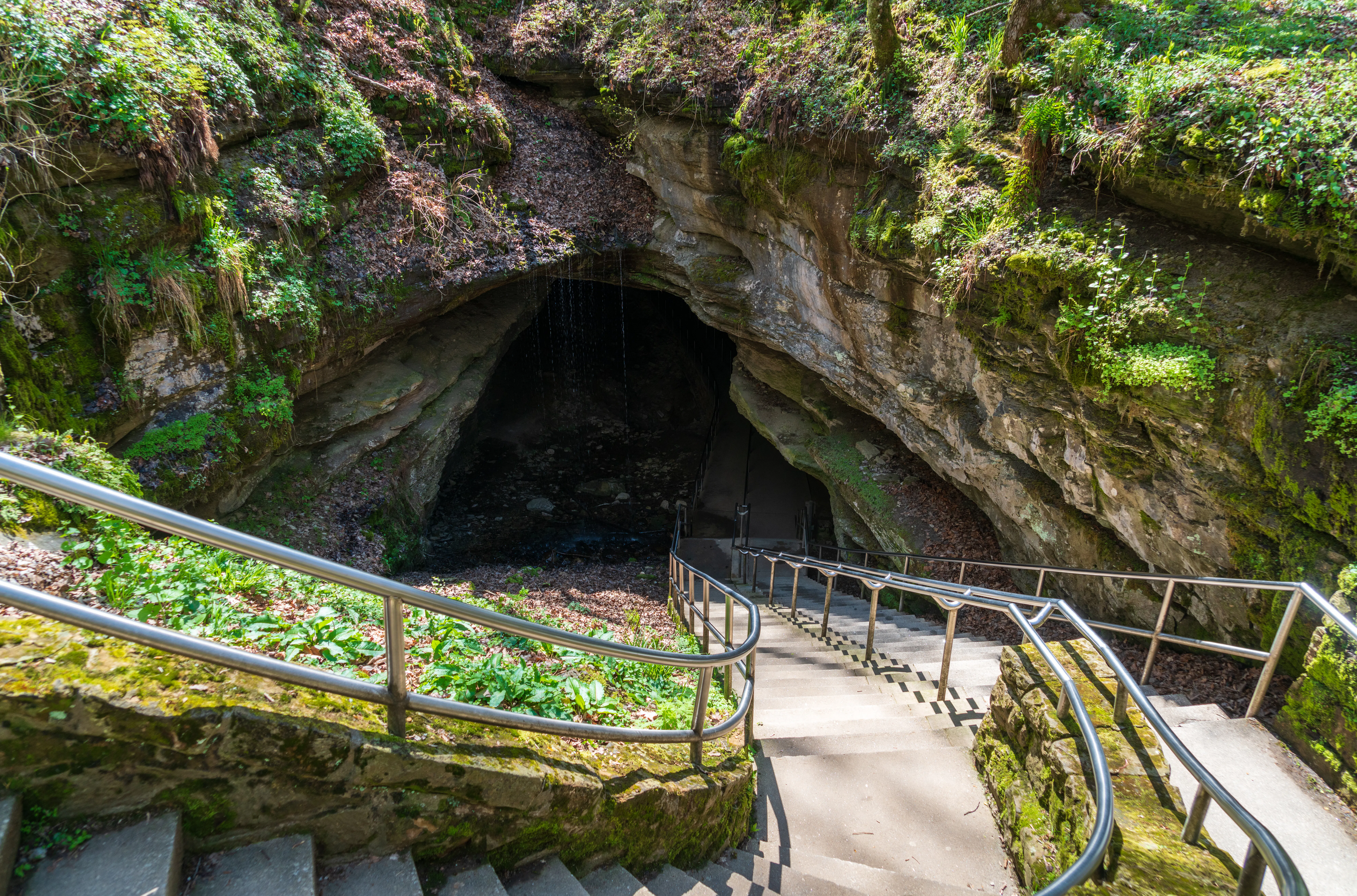

The Nolin River Lake region is a true experience market where two durable outdoor demand engines (America’s most famous cave system and a classic lake destination) combine. With Louisville just an hour away, it’s a strong drive-to destination from the city.
Nolin River Lake’s STR market benefits from a reliable mix of guest segments: weekend getaways, family lake trips, outdoor adventure travelers, and shoulder-season explorers. That means investors here don't depend on any single event or attraction to keep calendars filled.
Demand is anchored by Mammoth Cave National Park, a true national draw. Nolin Lake State Park and Nolin River Lake round things out with proven lake-country pull, including boating, swimming, camping, fishing, picnicking, and water sports.
With average home prices sitting just under $270K, this market offers a more accessible buy-in than most other leisure destinations, while still posting strong fundamentals.
Regulations:
Because Nolin River Lake extends across three Kentucky counties, it’s difficult to accurately summarize the region’s STR requirements. Overall, Kentucky’s STR regulations appear manageable, but because rules vary locally, prospective investors should consult with the specific city or county where they plan to invest.
How to Find the Best Markets to Invest In
Focusing on what drives travel demand gives you more flexibility as an investor. Instead of limiting your search to a single destination or headline market, you can compare places that attract similar types of travelers, then decide which ones best fit your budget and risk tolerance.
With AirDNA, you can explore markets near the kinds of attractions that matter most to you, whether that’s golf courses, universities, or airports. From there, it’s easier to narrow in on markets where demand patterns and pricing feel more realistic for your goals.
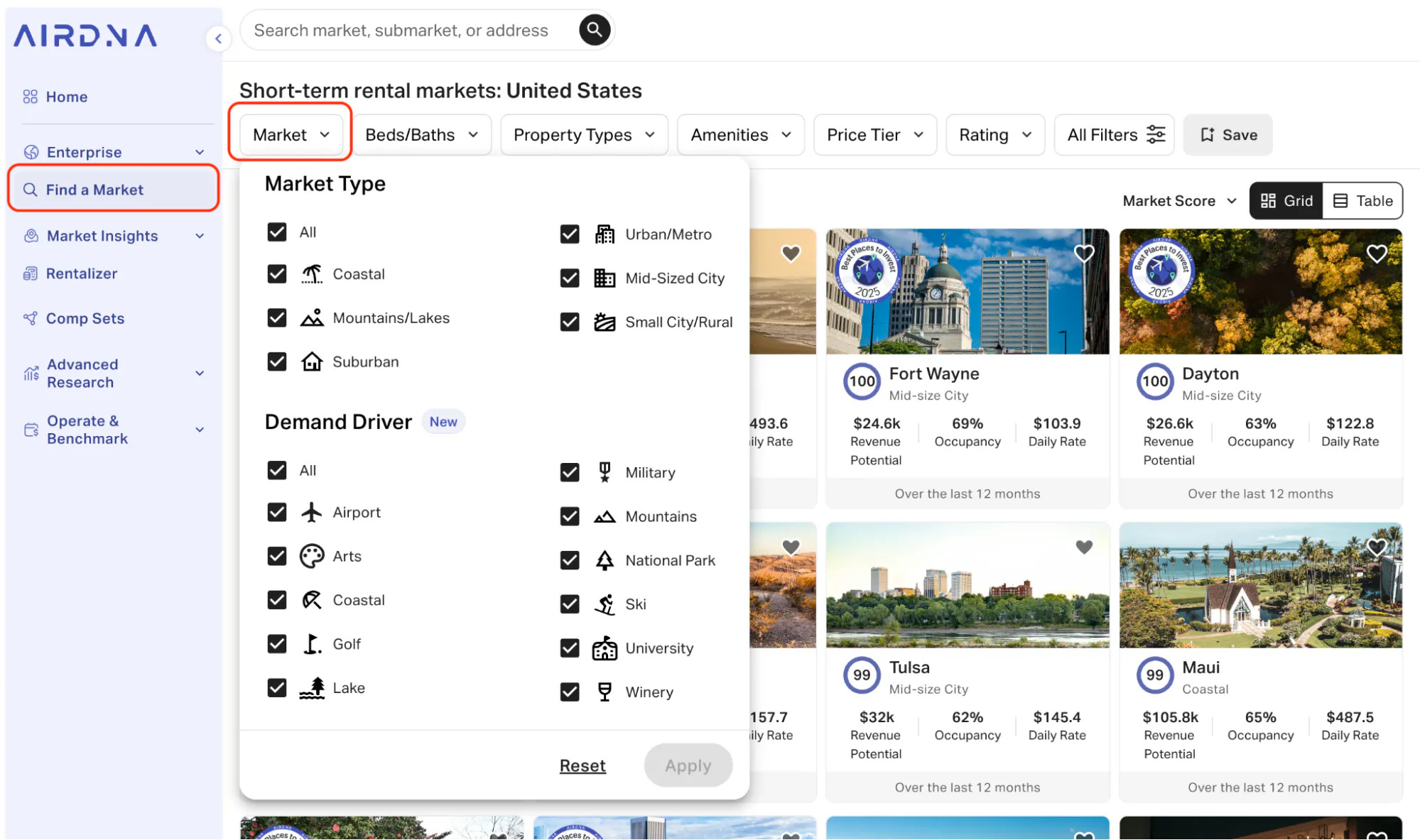
Use demand driver market filters
Different attractions create different booking behaviors. By using AirDNA’s demand driver filters, you can identify markets where short-term rental demand is tied to specific experiences, rather than relying on geography alone.
This lets you:
- Find markets near the types of attractions you’re interested in
- Compare nearby alternatives that share similar demand but differ in price or competition
From the Find a Market tab in AirDNA, click the Market filter to choose which demand drivers you want to search for.
Filter by budget and yield
Once you’ve identified markets with the right demand profile, the next step is to look at for-sale properties within those markets.
To narrow down your options, use these filters:
Price range filter
Use the listing price filter to only view for-sale properties within your budget. You can set upper and/or lower limits. Find this filter in the For-sale properties tab.
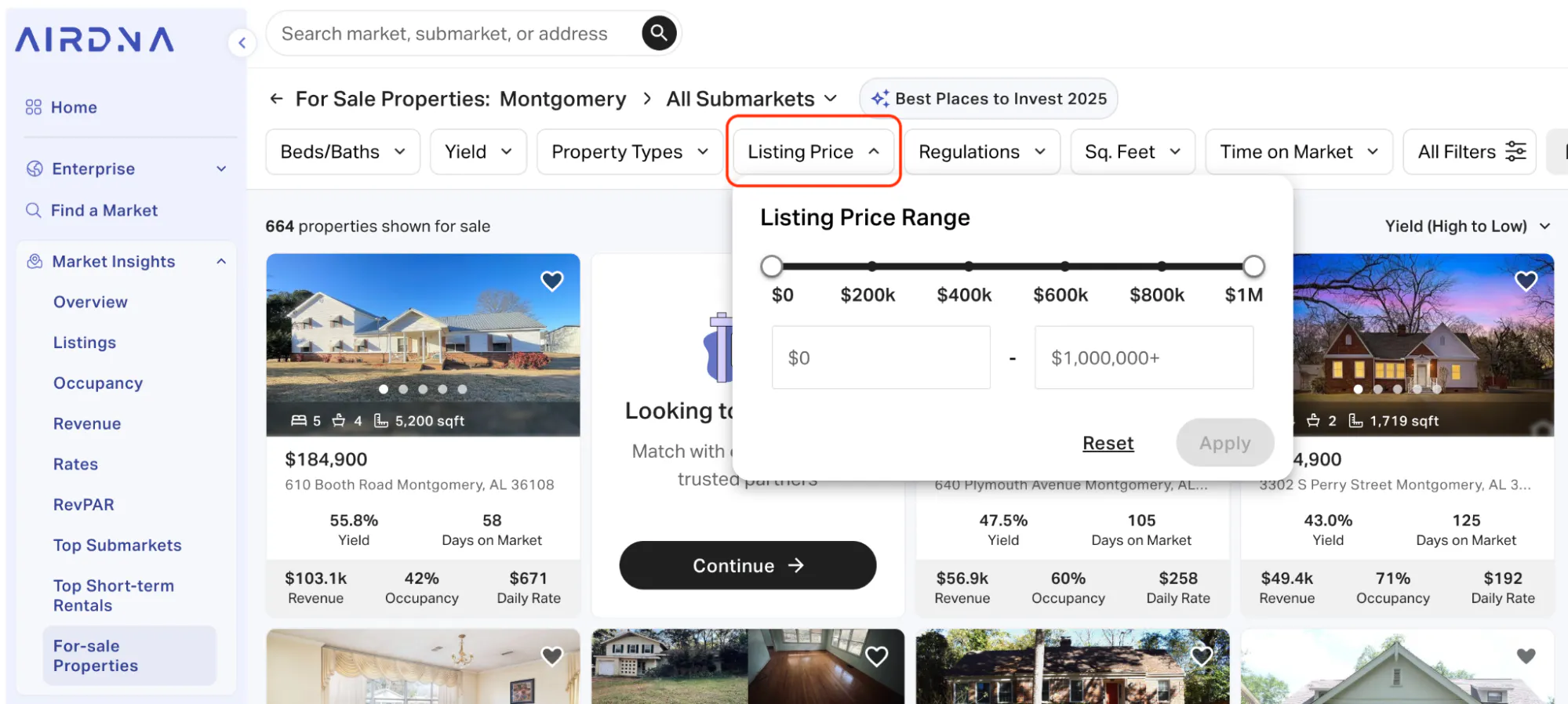
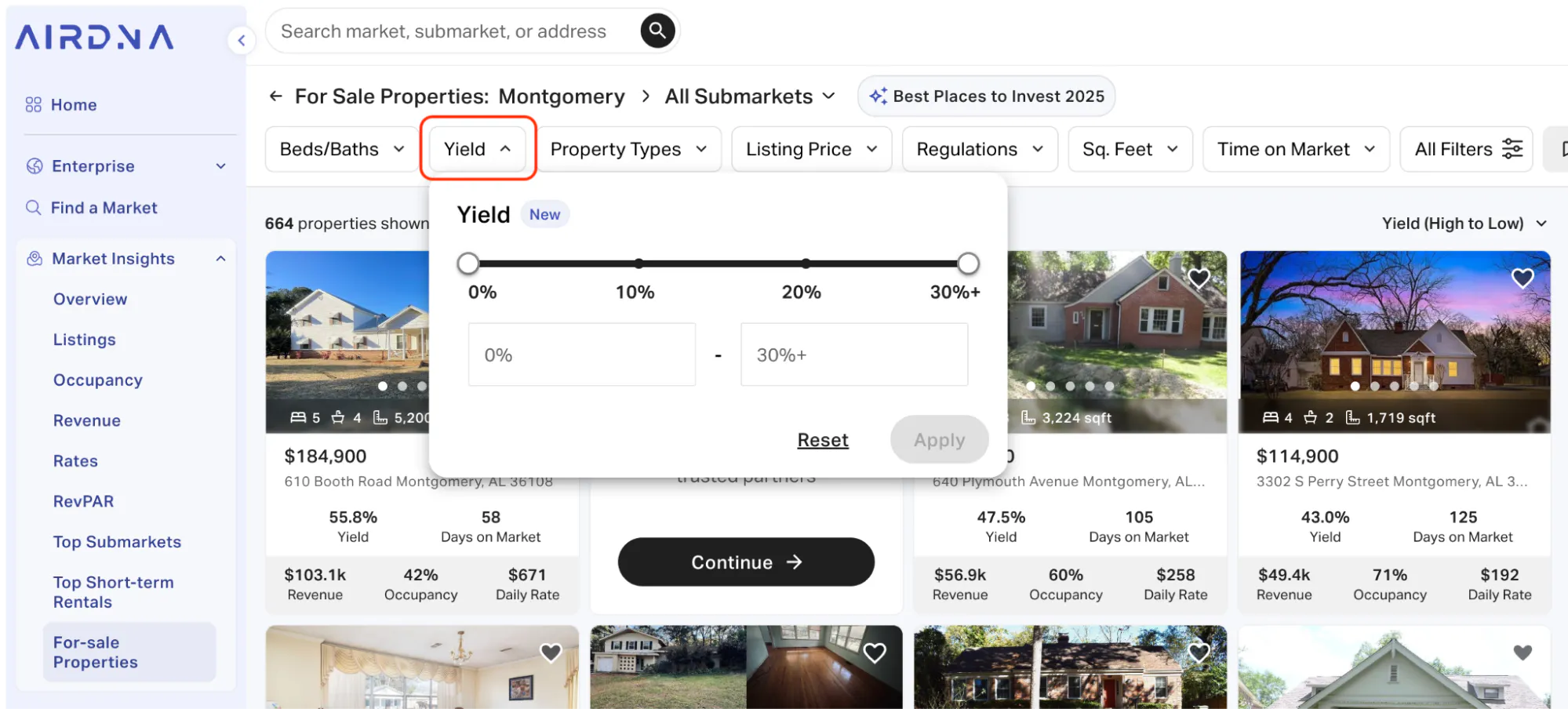
Yield filter
Use the yield filter to highlight properties that deliver the yield you’re seeking. Find this filter in the For-sale properties tab.
FAQs
Where can you find land for sale near a national park?
Land for sale near national parks is often found in nearby gateway towns rather than inside park boundaries. Expanding your search beyond the most well-known entrances can uncover more affordable options that still capture park-driven demand. Comparing nearby markets can help highlight where pricing and revenue potential are better aligned.
Are Airbnbs near national parks a good investment?
Airbnbs near national parks perform well in markets where home prices, park access, and visitor demand are in balance. National parks attract experience-driven travelers who often plan longer stays, but performance varies widely by market. Looking at yield (not just visitation or nightly rates) can highlight where opportunities may be more sustainable.
How close does an Airbnb need to be to a national park to perform well?
Closer proximity often helps, but it’s not the only factor. Many successful national park Airbnbs are located in towns that function as basecamps that offer easy access, amenities, and space rather than directly next to a park entrance. Travel time, road access, and guest expectations all play a role.
Are national park Airbnb markets seasonal?
Seasonality varies by park and region. Some national parks see strong demand concentrated in peak months, while others support shoulder-season and even year-round visitation. Markets with diversified activities and accessible travel tend to feel less reliant on a single peak period.
Start with yield, go deeper later
Use AirDNA to assess market performance and compare Airbnb yield across for-sale listings before diving into full ROI.
ARTICLE SUMMARY
National park demand can support short-term rental performance, but only in the right markets. Discover the best places to invest in a national park Airbnb, and learn how demand, pricing, and yield shape performance.
Jamie Lane
AirDNA Chief Economist
He is responsible for data analysis, thought leadership, and leveraging advanced analytical techniques to provide new insights into short-term rental market trends. Native to Atlanta and an Airbnb host himself, Jamie enjoys cycling, mountain biking, backpacking, running, and playing in a dart league in his free time.
