Airbnb Age Requirement: How Old to Book?
Published: November 21, 2024
Last updated: September 25, 2026

Bram Gallagher
Key Takeaways
- Guests have to be at least 18 years old to book an Airbnb.
- Airbnb enforces additional booking restrictions on guests under 25 in certain regions.
- Airbnb has age restrictions to minimize risks, protect properties, and prevent disruptive parties.
- You can successfully host young guests by setting clear house rules, requiring ID verification upon arrival, and leveraging noise monitors.
Whether you're a curious traveler or a host screening bookings, age requirements aren't as simple as grabbing a hotel room with an ID and credit card. Airbnb age policies add an extra layer that matters for everyone involved—and they can be tricky to navigate.
If you're wondering how old you have to be to book an Airbnb—or why the platform has these rules—this guide breaks down everything you need to know, from global policies to tips for hosts welcoming younger guests.

How Old Do You Have to Be to Book an Airbnb?
You have to be at least 18 years old to create an account and book an Airbnb. This is Airbnb’s standard policy, no matter where you are in the world. This age restriction means that you need to be a legal adult to book an Airbnb stay on your own.
Regional variations: Airbnb’s under-25 rule
Airbnb age requirements don't stop there. In certain regions, Airbnb has added another layer of restrictions for guests under 25 to prevent disruptive behavior and unauthorized parties.
In countries including the United States, Canada, the UK, France, and Spain, guests under 25 years old face additional booking restrictions for entire homes if they don’t have a history of positive reviews on the platform. For instance, a 22-year-old in Chicago wouldn’t be able to book an entire home in their city if they don’t have any positive host reviews from past stays.
That’s because while many young guests book responsibly, hometown rentals too often become party venues—especially when younger guests are looking for a place to host that birthday bash they couldn't throw at home.
However, this under-25 policy doesn’t apply when younger guests book private or shared rooms, or when they book in locations far from their hometown. That means the same 22-year-old from Chicago could book an entire home Airbnb in California even without any reviews from previous stays (because throwing a last-minute party is considerably harder when your guests need plane tickets).
Age restrictions for Airbnb Experiences
Airbnb Experiences—activities designed and led by locals, like tours and classes—are also subject to age restrictions.
Most Airbnb Experiences are open to guests 18 and older. However, some activities have more specific age requirements, either for safety reasons or due to local laws. For example, a wine-tasting experience in Napa, California will impose a 21+ age restriction.
Exceptions to Airbnb’s age requirements
Though the minimum age to rent an Airbnb is clear-cut in most cases, there are some exceptions.
For example, guests under 18 are allowed to stay at an Airbnb if they are accompanied by an adult who books the property. This means that families traveling together or groups with a responsible adult can still book and stay at an Airbnb property, even if not all members are over 18.
Airbnb also does not impose an upper age limit on bookings, making it accessible to travelers of all ages, from young adults to seniors.

Why Airbnb Has Age Restrictions
Think of Airbnb’s age requirements as guardrails, in place as a safety precaution to protect both hosts and guests. Airbnb sets age restrictions to reduce risks for everyone involved, ultimately protecting both the property and the surrounding community.
For hosts, age restrictions reduce the risk of property damage. Whether your short-term rental is a growing investment, a side hustle, or even your personal home, it deserves thoughtful care. Age requirements help ensure that guests booking these spaces understand and respect the property as more than just a backdrop for a weekend party, ultimately reducing the chance of unmonitored gatherings and neighborhood complaints.
Guest safety is also a key consideration. By enforcing an Airbnb age minimum to book, the platform reduces the chances that younger, inexperienced travelers end up in situations they’re unprepared to handle.
Airbnb Age Requirements and Host Responsibilities
So, how does Airbnb confirm a guest’s age, and what should hosts know about these requirements?
Airbnb age requirements to rent work a bit like a bouncer at the door of an exclusive club—making sure only eligible guests enter. But instead of checking IDs in person, Airbnb has its own built-in vetting process that verifies each guest’s age when they create an account. By requiring a government-issued ID and other verification steps, only those who meet the minimum Airbnb age policy can set up an account and book a stay.
Although hosts can’t set their own minimum age requirements (Airbnb has an anti-discrimination policy that prohibits discrimination based on age), hosts can still implement other types of guest screening processes if they are concerned about risk.
Hosts can also curate their listings to attract the type of guests they’re looking for. When you highlight the atmosphere of your property and showcase its intended use—whether for relaxing retreats, family getaways, or professional stays—you guide potential guests to understand what your space offers and what behavior is expected. This proactive approach helps you create a more seamless hosting experience with guests who are a good fit for your property.
Try this approach by:
- Using descriptive language in the listing description
- Providing clear house rules in the listing
- Describing the property’s family-friendly amenities
- Clearly stating that parties and large gatherings are not allowed
Tips for Hosting Younger Guests
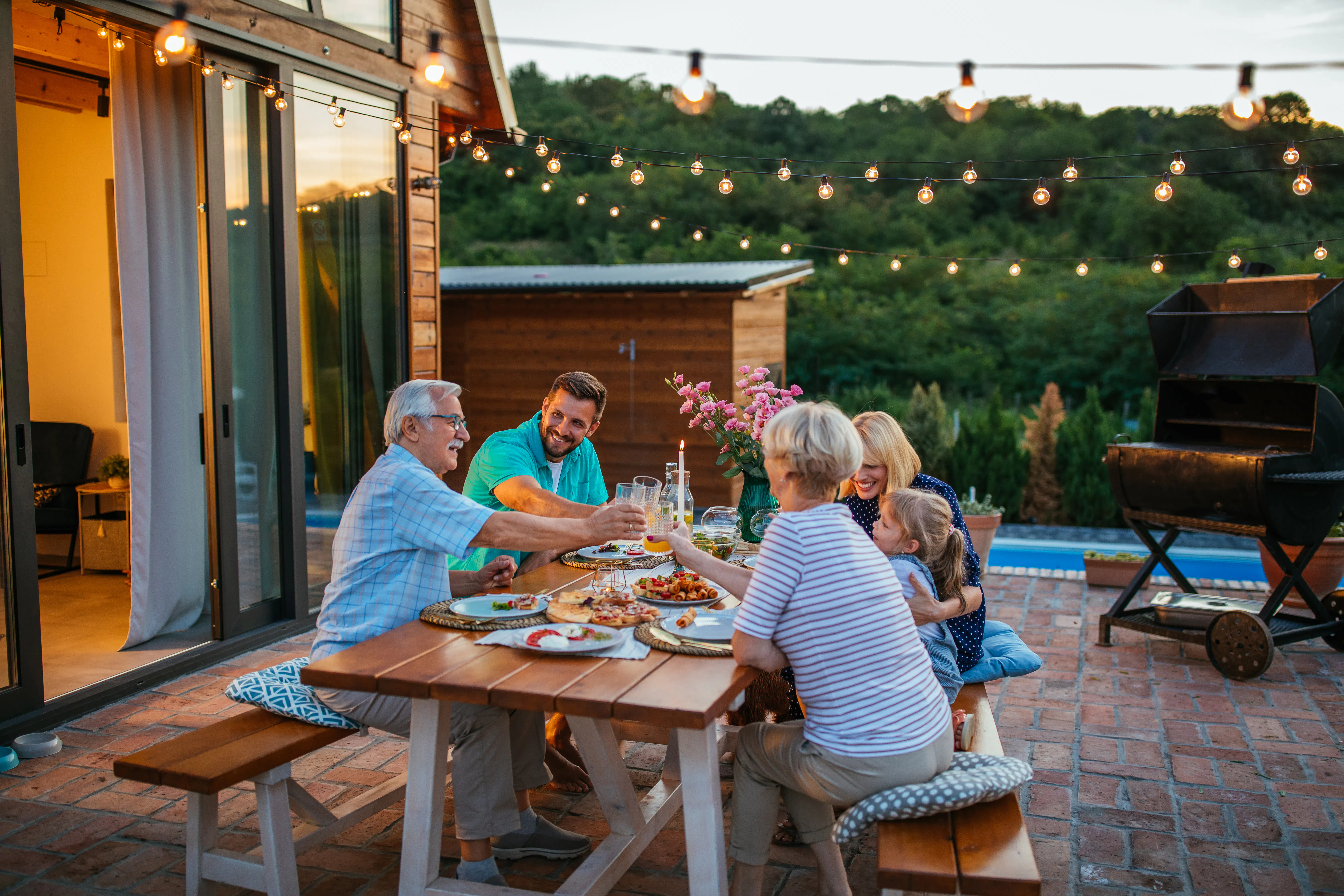
Accommodating younger guests doesn’t always mean taking on more risk, but it does require setting clear boundaries. Here are a few strategies to help hosts feel confident in welcoming younger travelers while protecting their property:
- Screen carefully: Use pre-booking messages to ask questions about the purpose of the stay. While you can’t discriminate based on age, understanding the intent of the booking can help you feel more at ease about who’s staying in your property.
- Set clear house rules: Outline guidelines that prevent unwanted behavior, such as setting quiet hours, establishing check-in procedures, and restricting gatherings. House rules help set expectations and reduce the chance of misunderstandings.
- Require ID verification: Some hosts choose to verify ID upon arrival or use third-party vacation rental management software that provides identity verification services. This added step can serve as a deterrent to risky behavior while giving hosts peace of mind.
- Leverage noise monitors: Noise monitoring devices track sound levels without recording audio, alerting hosts in real time when noise spikes occur. They’re a smart way to prevent disturbances when hosting younger guests.
- Consider booking minimums: If you’re concerned about hosting larger groups of younger guests, consider requiring a two- or three-night minimum stay. This can discourage party-seekers looking for a quick, one-night venue.
Marketing to Young Travelers
Let’s be fair—not all young travelers are troublemakers. On top of that, Gen Z travelers often choose Airbnbs over hotels—so if you’re not marketing to young guests, you’re probably missing out on a lot of potential bookings.
Here are some tips for marketing your rental property to younger travelers:
- Use social media: Instagram and TikTok are some of the best platforms to capture the attention of Gen Z and Millenials. Create short videos that showcase your property, its amenities, and local attractions. You can also share user-generated content to build trust (ask your guests to tag you on their socials!).
- Create a memorable listing title: Use a catchy title title to grab attention. Mention things that resonate with younger travelers, such as “Trendy Downtown Loft with Insta-Worthy Views” or “Steps from Nightlife & Coffee Spots.”
- Highlight local attractions that appeal to younger travelers: Throughout your listing—in the title, the description, and photos—highlight attractions like trendy coffee shops, nightlife options, and adventurous outdoor activities
- Leverage local events: Young travelers attending big events like music festivals often turn to Airbnb for lodging. Mention these events in your listing starting a couple weeks or months before the event.
- Highlight tech-friendly amenities: Young travelers value convenience and connectivity. Showcase amenities like fast Wi-Fi, smart TVs, or Bluetooth speakers in your listing. If you offer self-check-in options or charging stations for devices, make sure to emphasize those features too.
- Market off-peak discounts: Younger travelers often have more flexibility with their schedules. Offer discounted rates during weekdays or off-peak seasons to capture this demographic.

FAQ
Does Airbnb have an age discrimination policy?
Yes, Airbnb has a robust anti-discrimination policy that protects guests from being treated unfairly based on their age. However, there are certain requirements to rent on Airbnb. Guests must be at least 18 years old to create an account, and in some regions, additional restrictions apply to guests under 25—such as limits on booking entire homes near their primary residence. These policies are in place to balance inclusivity with the safety of hosts and their properties.
Can I ask an Airbnb guest how old they are?
No, Airbnb’s policies prohibit hosts from directly asking guests about their age or declining bookings based solely on age. Age verification is handled during the account creation process, ensuring that all guests meet Airbnb’s minimum requirements. That said, as a host, you can outline house rules and property details to set expectations for your space. For example, specifying that your rental is best suited for families or business travelers can help attract the right type of guest without violating Airbnb’s anti-discrimination policy.
Can I deny children at my Airbnb?
Hosts can specify whether their property is suitable for children, but it’s important to approach this carefully. Airbnb allows you to note age restrictions in your house rules—like stating the property isn’t suitable for children under 12 due to safety concerns such as balconies or pools. You can also highlight that your property lacks child-friendly amenities, like cribs or high chairs, to clarify expectations. While you can exclude children based on these practical considerations, it’s essential to remain consistent with Airbnb’s non-discriminatory policies when communicating these rules.
ARTICLE SUMMARY
Learn about Airbnb’s age requirements, why they exist, and smart hosting strategies for welcoming younger guests while protecting your property.
Bram Gallagher
AirDNA Director of Economics and Forecasting
Bram Gallagher is an Economist at AirDNA, specializing in uncovering insights that drive smarter short-term rental decisions. He put his Ph.D. in Economics from the University of Georgia to work researching and forecasting hotel data with CBRE prior to joining AirDNA, as well as teaching economics at a number of universities. In his spare time, Bram enjoys making wooden furniture with hand tools.