


Hurricane Effects on Airbnbs: Insights into Helene and Milton
Published: November 15, 2024
Last updated: October 30, 2026

Bram Gallagher
Key Takeaways:
- STRs often serve as emergency housing post-hurricane, creating temporary demand surges in neighboring markets.
- Recovery timelines vary widely, with infrastructure challenges delaying full recovery in some areas by years.
- STR operators can prepare by updating insurance, understanding Airbnb’s disaster policies, and adapting pricing to capture displaced demand.
When a hurricane strikes, the damage doesn’t end once the winds die down. The storm surge may recede, but for short-term rental (STR) operators, the aftermath can feel like an entirely new disaster. From widespread cancellations and disrupted bookings to the long road of rebuilding revenue, the ripple effects of a hurricane linger far beyond the initial impact.
In the aftermath of storms like Hurricanes Helene and Milton, it’s not just about rebuilding a property—it’s about regaining your footing in a market that may look entirely different post-storm.
This article explores the hurricane effect on Airbnb and short-term rentals, from immediate disruptions to long-term recovery. Drawing from real-world data and case studies, we’ll uncover insights that can help you make informed decisions during turbulent times.
Hurricane Effect on Airbnbs and Local Economies
STRs serve a dual purpose as a key part of the tourism industry and a source of temporary housing. However, they are often among the first to be disrupted by storm damage. Examining past storms can offer valuable insights into how the STR market recovers and, in turn, supports broader economic rebuilding.
For example, during previous hurricane seasons, Puerto Rico relied on the flexibility of its STR market to aid recovery efforts after Hurricane Maria.
The relationship between Airbnb and natural disasters is one we can track through data.
Some markets, like Panama City and Cape Coral/Ft. Myers, bounced back quickly after Hurricanes Michael and Ian. However, the extent of storm damage can vary significantly within the same area.
For example, Mexico Beach took up to six years to return to pre-hurricane levels of STR activity after Hurricane Michael. Similarly, during Hurricane Ian, Sanibel Island experienced far more severe and lasting damage to its rental supply compared to nearby mainland areas.
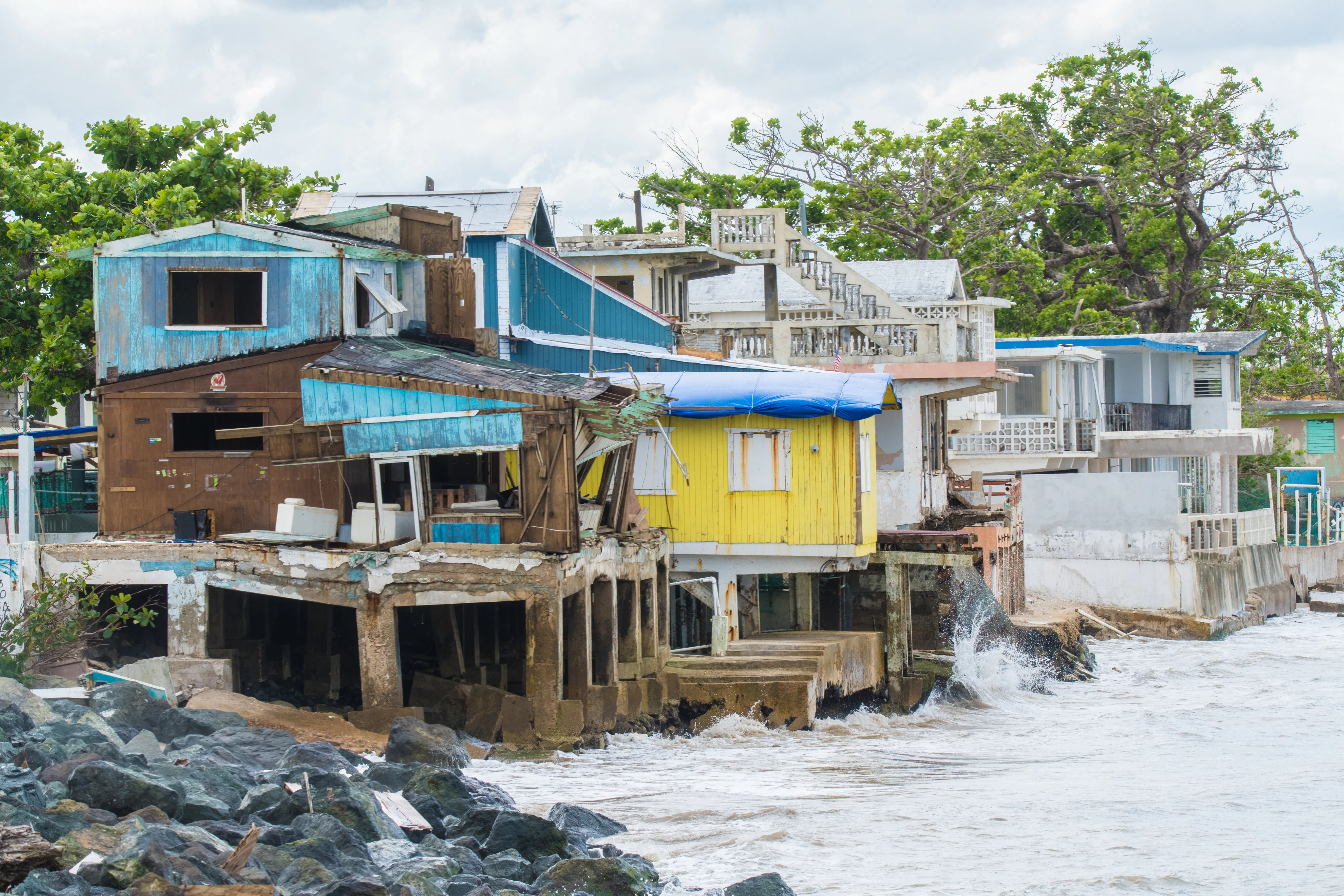
The Impact of Hurricanes Helene and Milton on the U.S. STR Market
Although this season saw 10 hurricanes, Hurricanes Helene and Milton had the most significant impact on the U.S. short-term rental (STR) market.
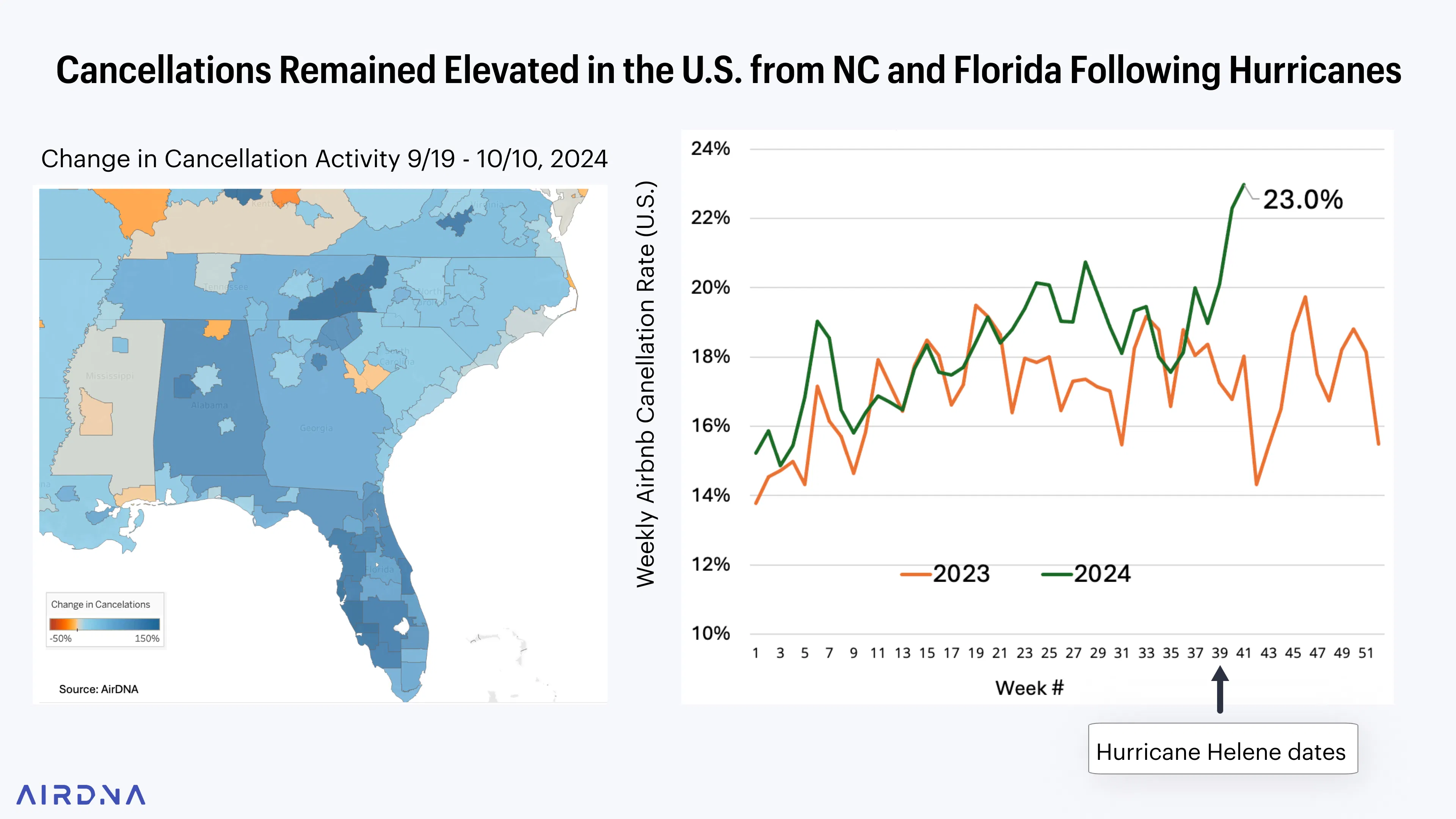
Hurricane Helene made landfall on September 26 near Florida’s Big Bend region, similar to where Hurricane Idalia made landfall in 2023. While Helene initially struck a relatively less-populated area of the state, its path of destruction extended through Florida, Georgia, East Tennessee, and the Carolinas. The hurricane effect on Airbnbs was widespread.
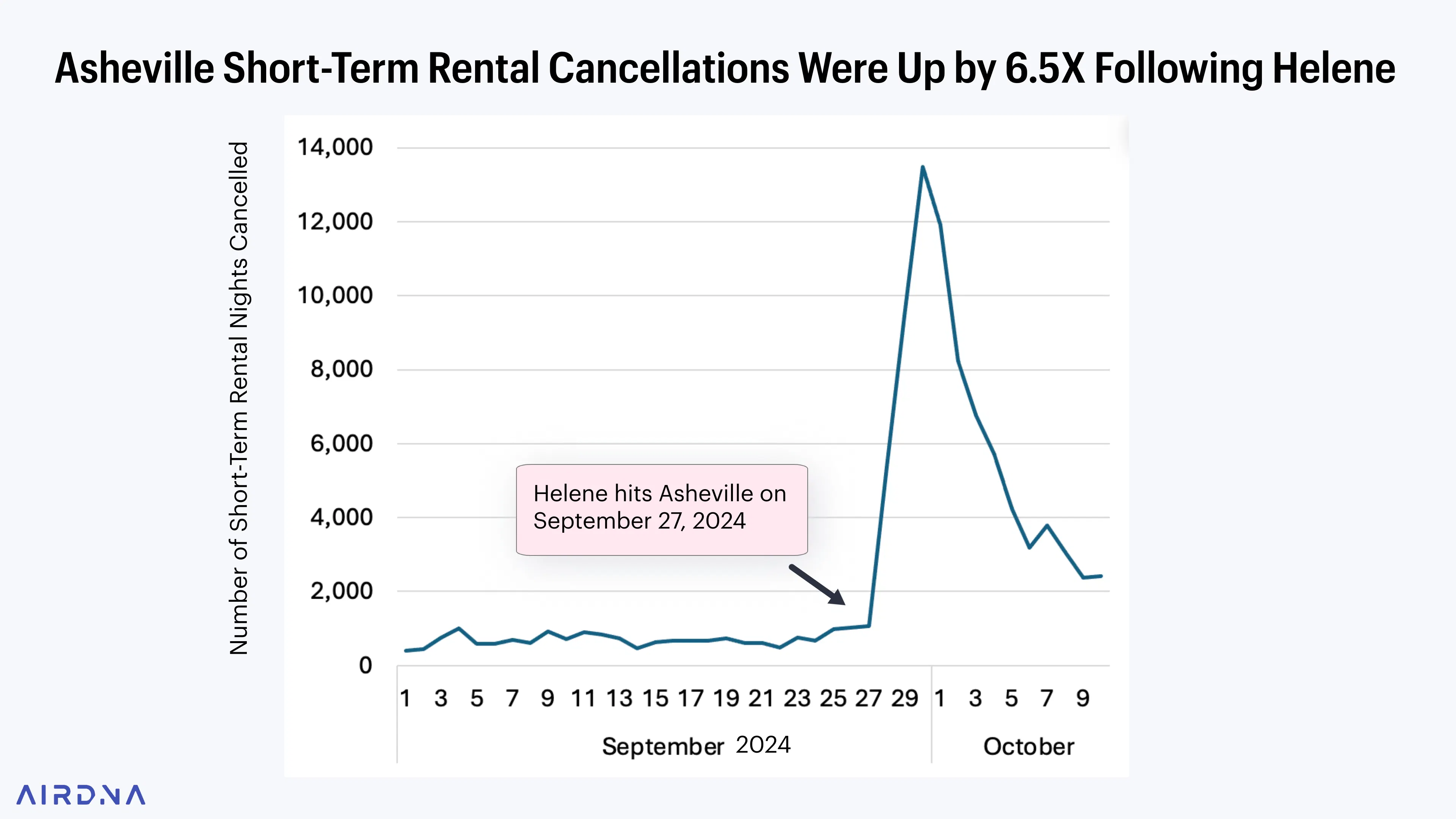
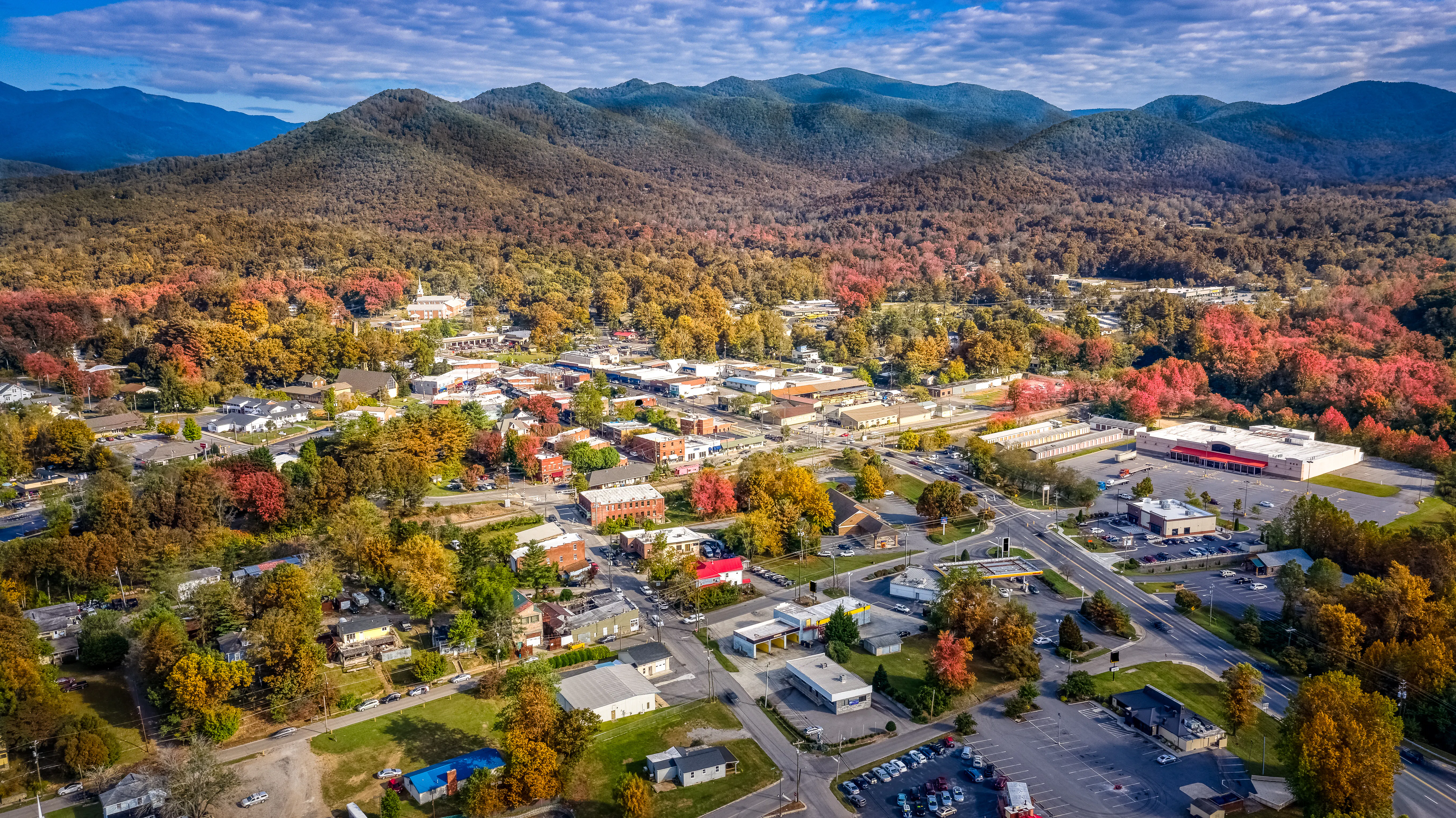
One of the hardest-hit areas was Asheville, North Carolina, a popular STR destination that was on the brink of its peak leaf-peeping season when Helene struck. Instead of welcoming travelers, the town faced intense flooding, damaged water lines, and downed electrical infrastructure, leaving much of the area uninhabitable. As a result, Airbnb cancellations surged as the extent of the damage became clear.
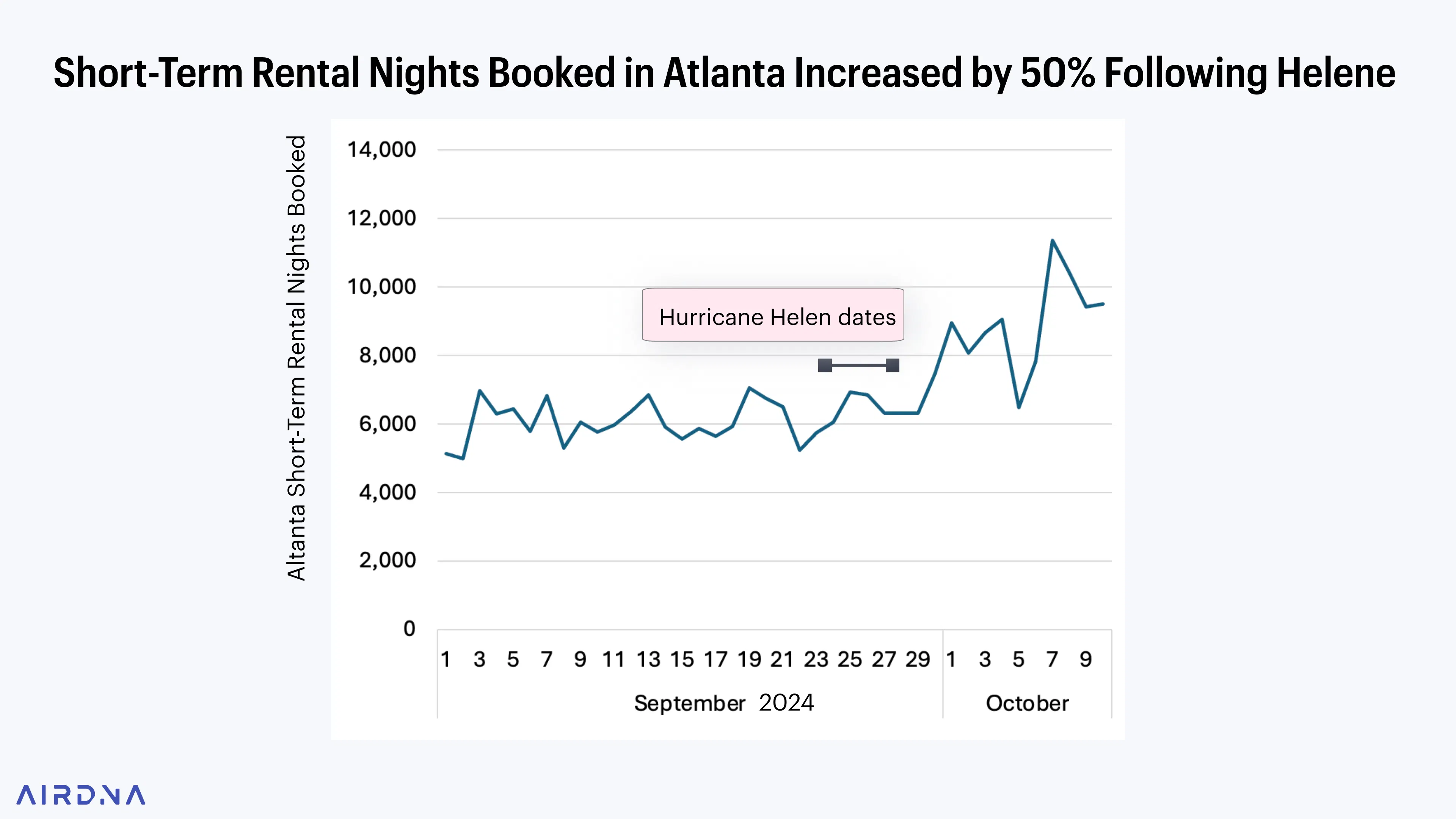
Nearby metro Atlanta experienced some spillover effects, not just from vacationers seeking a retreat but also from displaced residents in surrounding areas. While this boost in demand is likely temporary as residents return home, there may be lasting demand from traveling construction and healthcare workers aiding in recovery efforts.
Just weeks later, Hurricane Milton struck on October 9, becoming the strongest hurricane to hit Tampa in over a century. Milton made landfall as a powerful Category 3 hurricane, carving a destructive path through Florida’s most populous areas, including Tampa, St. Petersburg, and Orlando. Its impact on these major cities highlighted the vulnerability of urban centers to severe storms.
The stretch of Florida between Sarasota and Daytona Beach, one of the most densely populated regions for STRs globally, was hit hard by Hurricane Milton. Approximately 154,000 individual listings were in the hurricane’s path, facing high winds and catastrophic rainfall.
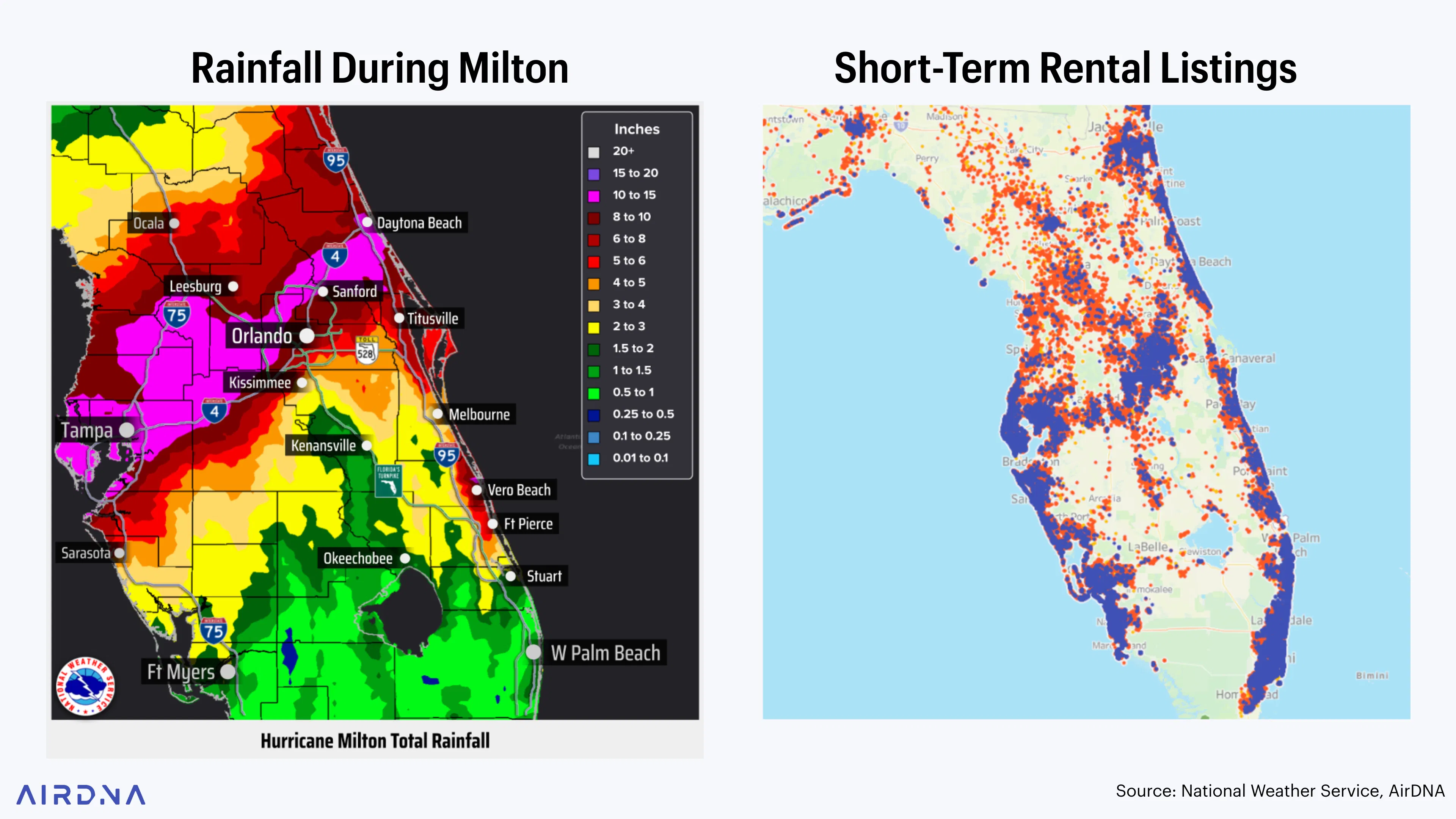
Over the past year, these STRs made major contributions to Florida’s economy, generating 16.7 million demand nights and $4.8 billion in local revenue. These listings accounted for 37% of Florida’s STR revenue and 7% of total U.S. STR revenue for the 12 months ending September 2024.
The combined effects of Hurricanes Helene and Milton have driven up national cancellation rates, with the Southeast particularly affected.
Recovery Patterns: Lessons from the Past
Hurricane Ian made landfall on Florida's southwest coast in late September 2022 as a powerful Category 4 storm, bringing severe wind damage, flooding, and widespread power outages. In the immediate aftermath, nearby areas experienced temporary boosts in short-term rental (STR) activity, as we saw in Atlanta following Helene.
In the week following Ian’s landfall, Florida, Georgia, and South Carolina collectively recorded approximately 20,000 additional bookings per day. Florida saw the largest percentage increases, suggesting that many displaced residents chose to seek shelter within the state during the hurricane.
Local residents seeking emergency housing didn’t face competition from vacationers, as October is usually the off-season for Florida’s panhandle markets. This data highlights how STRs can serve as vital resources during emergencies, providing temporary housing for those impacted by natural disasters.
Long-Term Recovery Challenges in Cape Coral and Fort Myers
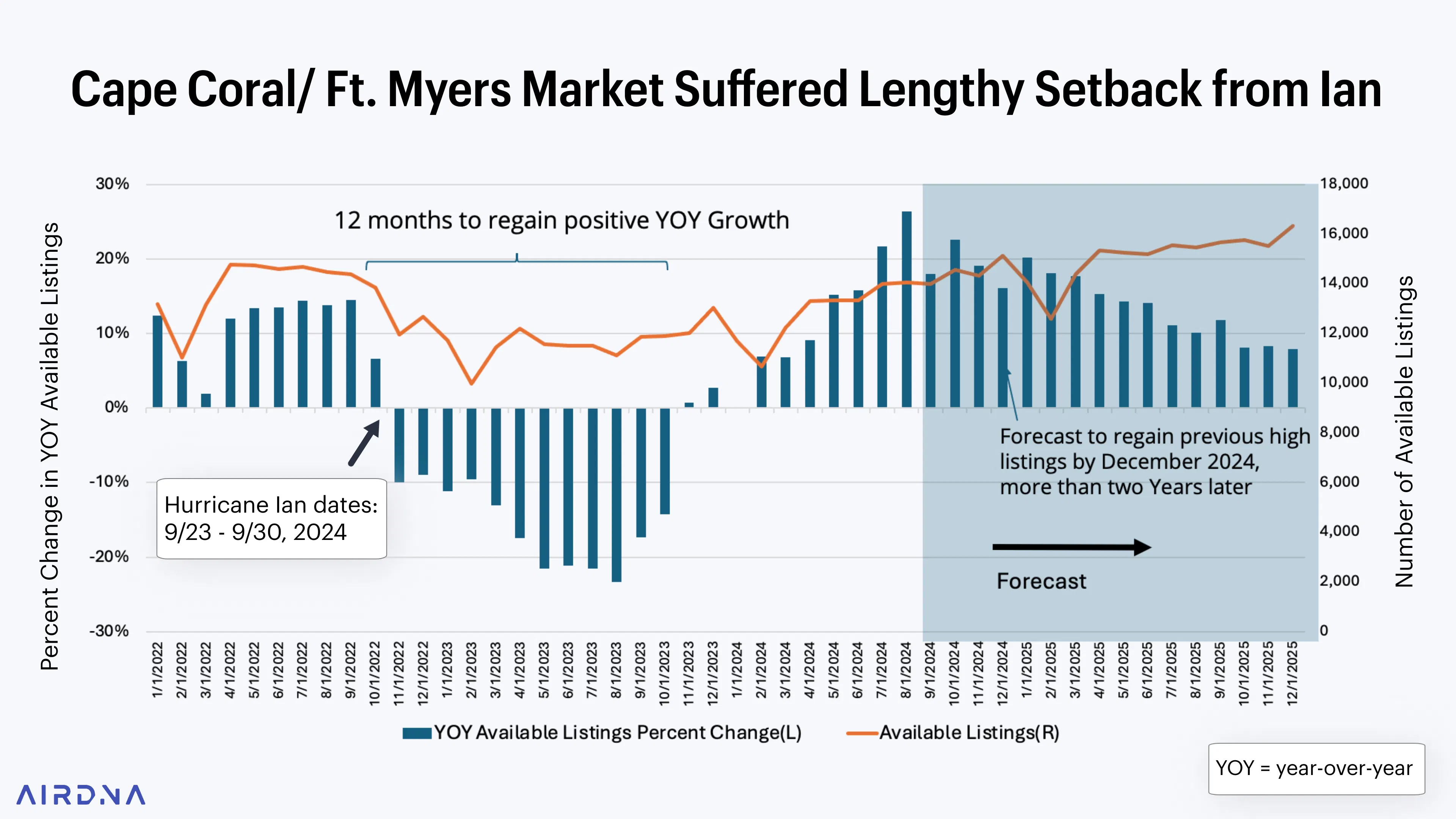
Several densely populated communities, including Fort Myers and Cape Coral, suffered severe damage from Hurricane Ian. Areas reliant on critical infrastructure, such as the Sanibel Causeway and Pine Island Bridge, faced even greater hurdles, as both were rendered impassable by the storm.
STRs in the Cape Coral/Fort Myers area contributed $686 million in rental revenue in the year leading up to Hurricane Ian. However, more than a third of that revenue came from locations that needed bridge repairs before recovery efforts could even begin. These infrastructure challenges have made the road to recovery in Cape Coral and Fort Myers particularly lengthy.
In the year following Hurricane Ian, STR revenue in this market fell to $457 million—a decline of one-third. The following year saw an additional 4% drop in revenue. While AirDNA forecasts that the number of STR listings in Cape Coral and Fort Myers will return to pre-Ian levels by the end of this year, rebuilding revenue will take longer. With average daily rates (ADRs) and occupancy rates still below their 2022 peak, full revenue recovery may not occur until after 2025.
The Uneven Impact of Hurricane Michael on Florida’s STR Market
In October 2018, Hurricane Michael made landfall near Mexico Beach on the Florida Panhandle as a Category 5 storm. The storm caused devastating loss of life and widespread property destruction. Popular resort destinations such as Mexico Beach, Panama City Beach, and Port St. Joe faced widespread damage.
The impact on short-term rentals, however, varied significantly by location. In Panama City, available listings initially dropped by 20% year-over-year (YOY) following the hurricane. Yet, recovery was relatively swift—by the following May, listings began to grow, and by June and July, they were up by 10% compared to pre-Michael levels.
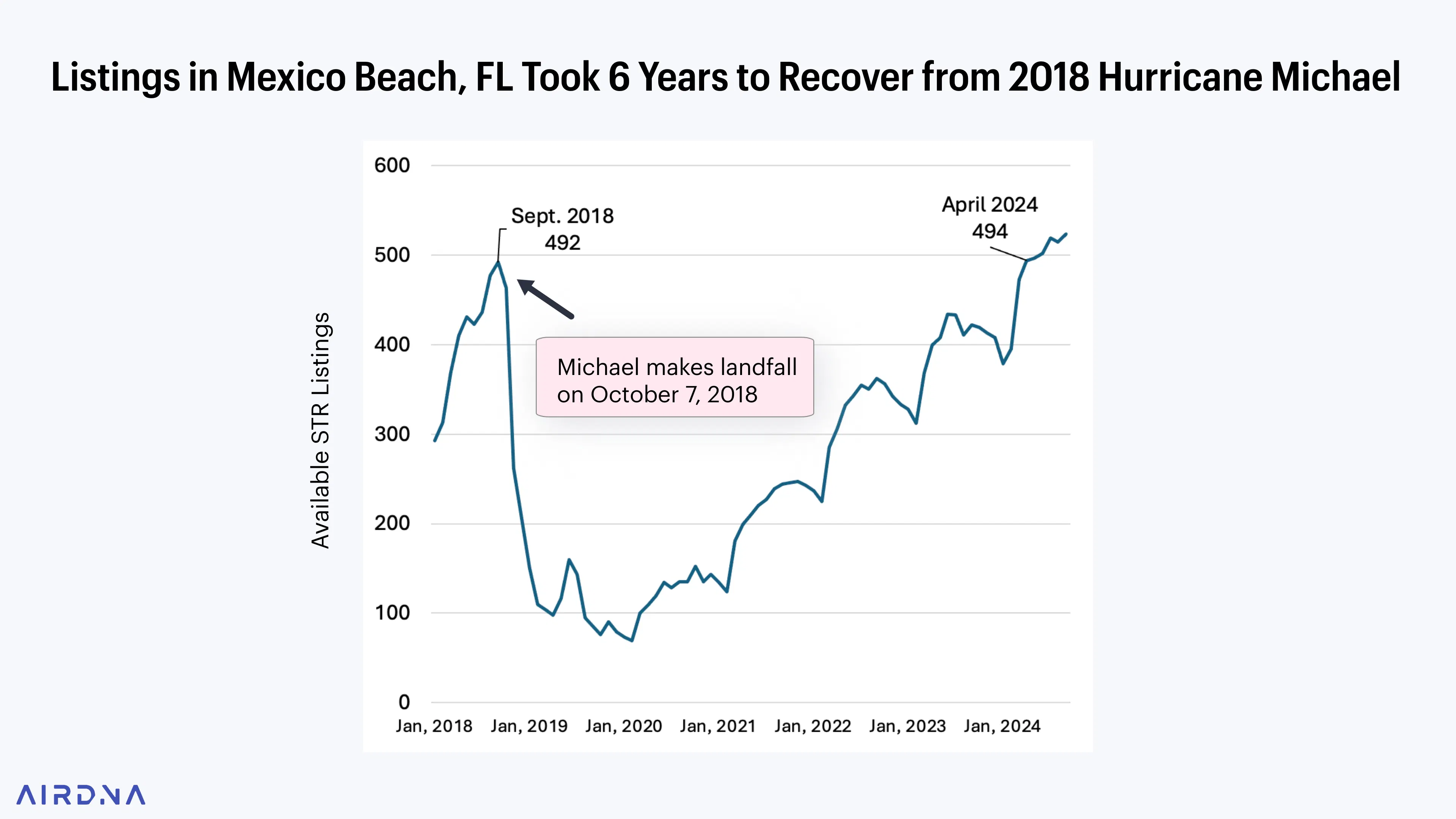
This quick rebound seen in Panama City highlights an essential feature of hurricane damage: its intensity can vary dramatically, even within adjacent communities. For instance, Mexico Beach, just a short distance from Panama City, experienced far more severe disruption. Available listings in Mexico Beach dropped by 80% after Hurricane Michael and only recently returned to pre-storm levels—nearly six years later.
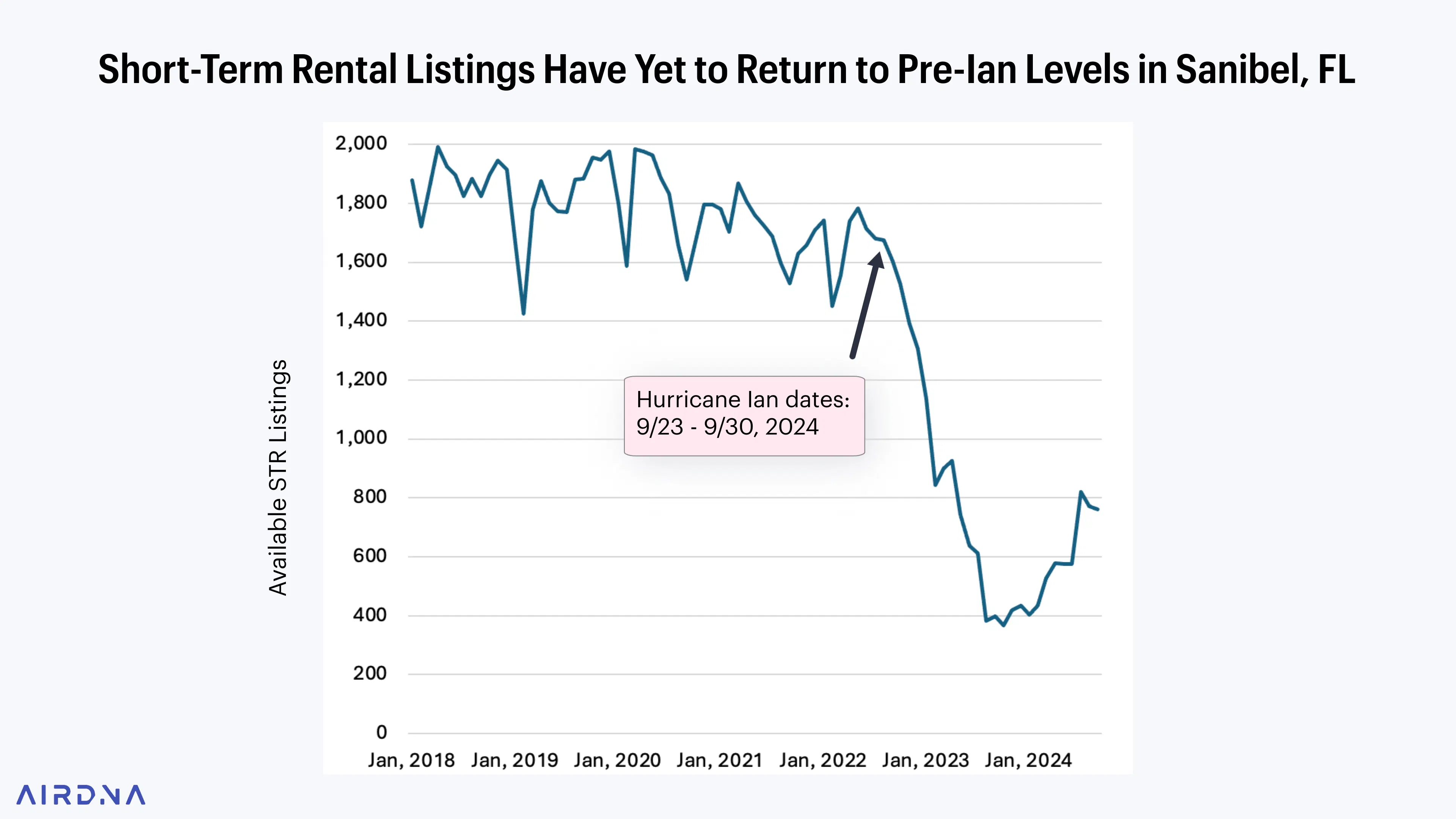
You can see a similar disparity after Hurricane Ian. Cape Coral/Fort Myers experienced a 23.3% drop in available listings in the immediate aftermath of Ian. However, the drop in listings was much more severe in nearby Sanibel, an island community reliant on bridges for access. There, listings declined by a staggering 77.1% YOY in the following month. Sanibel’s recovery is expected to lag several years behind the broader Cape Coral/Fort Myers market, emphasizing how infrastructure challenges can significantly delay recovery timelines.
Recovery Outlook for Hurricanes Helene and Milton
The recent hurricanes Helene and Milton have affected a large portion of the short-term rental (STR) market, potentially impacting billions of dollars in revenue. In Florida, restoring capacity will depend heavily on public infrastructure repairs, which will take time to complete.
Fortunately, the storms coincide with the region’s usual low season, giving operators an opportunity to assess the full extent of the damage before peak demand returns.
Asheville, however, faces a more immediate challenge. October is typically its busiest month due to the fall foliage season, making the economic impact on operators in this market far more acute.
Historical data from similarly destructive storms suggests that STR supply in affected markets could take 18 months to two years to return to pre-storm levels. In the areas hit hardest, recovery could take even longer without additional support.
Despite the supply disruption, nearby markets have shown flexibility in accommodating displaced demand. As storm-damaged supply is gradually restored, evidence suggests that demand will shift back to the affected areas, offering a pathway for recovery in the months and years ahead. Not all hope is lost when you consider the relationship between Airbnb and natural disasters.
Actionable Insights for STR Operators in Storm-Hit Markets
The recovery from hurricanes like Helene and Milton brings challenges, but data from past storms offers strategies to help STR operators adapt effectively to the hurricane effect on Airbnbs.
If you’re in a storm recovery zone but damage to your property is minimal, you might want to:
- Track displaced demand: Monitor your own and neighboring markets for booking surges from displaced residents or recovery workers. Use tools like AirDNA to adjust pricing and marketing accordingly.
- Focus on temporary housing needs: Highlight flexible booking options, extended stay amenities, and pet-friendly policies to appeal to those needing emergency housing.
If your property is disabled by a recent storm, next steps could include:
- Understand infrastructure Impacts: If bridges or utilities are damaged, stay updated on repair timelines and set realistic guest expectations. Build local service provider relationships to expedite repairs.
- Set recovery expectations: Past storms show STR supply may take 18 months to two years to recover fully. Plan finances and upgrades accordingly.
- Revisit your insurance policy: Review your insurance coverage to make sure it adequately protects against storm damage and loss of income. Proactively upgrading your policy can minimize financial repercussions from future storms.
- Understand Airbnb's natural disaster policy: Familiarize yourself with Airbnb's Major Disruptive Events Policy, which outlines procedures for cancellations and refunds. This knowledge will help you manage guest communications and expectations effectively during such disruptions.
Are you interested in learning more about the impact of hurricanes on the short-term rental market? Check out our podcast episode on the topic!
ARTICLE SUMMARY
Hurricanes Helene and Milton shook up the short-term rental market, leaving operators to navigate cancellations, shifting demand, and slow recovery. This article breaks down how past storms have affected STR markets to guide recovery efforts and offer tips to rebuild smarter and faster.
Bram Gallagher
AirDNA Director of Economics and Forecasting
Bram Gallagher is an Economist at AirDNA, specializing in uncovering insights that drive smarter short-term rental decisions. He put his Ph.D. in Economics from the University of Georgia to work researching and forecasting hotel data with CBRE prior to joining AirDNA, as well as teaching economics at a number of universities. In his spare time, Bram enjoys making wooden furniture with hand tools.


