


A Host’s Guide to the Airbnb Natural Disaster Policy
Published: February 12, 2024
Last updated: October 10, 2024

Scott Sage
Key Takeaways
- The Airbnb natural disaster policy enables penalty-free changes or cancellations during unforeseen events, highlighting the need for host preparedness and guest safety.
- Hosts can prepare for natural disasters by getting insurance, stocking emergency supplies, securing their properties, and maintaining clear communication with guests.
- Post-disaster recovery strategies for hosts include property assessment, listing updates, flexible booking policies, and strategic pricing adjustments to regain traveler demand.
Travel is all about planning. Yet, the weather is the one thing neither guests nor hosts can control, making it all the more critical for hosts to responsibly navigate unforeseen events. Enter the Airbnb natural disaster policy.
2023 was a historic year for natural disasters. Wildfires in Maui and a hurricane in Cape Coral/Ft. Meyers dominated the conversation, but the National Oceanic and Atmospheric Administration (NOAA) recorded an unprecedented 28 such events in the United States. Each disaster caused over a billion dollars in damage, surpassing the previous record set in 2020.
Climate change is driving a significant increase in the size and scope of natural disasters, with major weather events spread across the West Coast, Midwest, South, and Northeast. Though transitioning to a more sustainable Airbnb can help slow climate change, it's the Airbnb natural disaster policy that will help protect guests if the unexpected does happen.
Here’s what you need to know to better prepare for emergencies and navigate the changes in demand that may follow.
Airbnb Natural Disaster Policy: What It Is & How It Works
The Airbnb natural disaster policy is one way the platform works to ensure the safety and well-being of both hosts and guests during unforeseen events. This policy falls under the broader Airbnb Extenuating Circumstances Policy, which addresses a wider variety of unexpected situations that might impact guest travel.
Guests are permitted to change or cancel bookings without penalty when the natural disaster policy applies. This is part of Airbnb’s commitment to responsible hosting, which includes acknowledging the unpredictability of natural conditions and the need to protect the safety of everyone involved.

What the Extenuating Circumstances Policy Does & Doesn’t Cover
Airbnb’s Extenuating Circumstances Policy is designed to address situations beyond the control of hosts and guests, providing a safety net for unforeseen circumstances. Understanding the coverage of the policy is crucial for hosts navigating disruptions caused by natural disasters.
- Coverage: The policy typically includes natural disasters that significantly impact a guest's stay. These may range from hurricanes and tropical storms to earthquakes and wildfires. Additionally, government-declared emergencies, changes to government travel requirements, travel advisories, and travel restrictions fall under the coverage of Airbnb’s Extenuating Circumstances Policy.
- Exclusions: Not all unexpected changes or inconveniences are covered. Situations that are considered non-extenuating, such as personal travel plans, changes in work schedules, or general discomfort caused by unforeseen events, may not qualify for the policy's special provisions.
While Airbnb’s extenuating circumstances cover state and federal policy changes, such as changes to government travel requirements, this guide focuses specifically on natural disasters.
How to Plan for Guest Safety During Natural Disasters
Hosts go to great lengths to create engaging guest experiences and add unique touches that make guests feel at home. Yet, the most important responsibility of any host is ensuring the safety and well-being of their guests. This is all the more essential before and during natural disasters.
Take the following steps to minimize risks and provide a more secure environment for guests:
1. Purchase Short-Term Rental Insurance
Short-term rental insurance is a crucial investment for hosts, offering protection against the potential damages and disruptions that natural disasters cause. It also safeguards your property so you can focus your time and attention on guests who may be staying at your vacation rental during the disaster.
Choose a comprehensive insurance policy that covers various scenarios, including property damage, liability claims, and loss of income due to unforeseen events.

2. Plan For Emergencies
While you can’t know exactly when natural disasters will hit, you can understand the probability of them happening. Many geographic areas are known for certain weather events. For example, wildfires are increasingly sweeping across the West, and the Florida climate has always been ripe for hurricanes. Prepare accordingly, with the hope that disaster won’t strike. Your plan should include:
- Evacuation Routes: Clearly outline routes from the property to safe locations in the event of an evacuation order. Provide maps and directional signs to guide guests to designated meeting points away from potential hazards.
- Emergency Contacts: Compile a list of essential emergency contacts, including local authorities, medical services, and relevant utility providers. Ensure that this information is easily accessible to guests.
- Communication Strategies: Emphasize the importance of effective communication before, during, and after a natural disaster. Establish reliable communication channels, such as mass messaging systems, to keep guests informed about the situation and evacuation procedures.
- Guest Briefing: Create a comprehensive briefing for guests upon check-in, highlighting emergency procedures, the location of emergency supplies, and contact details. This could be provided in writing and included in your guidebook or as a pamphlet in your welcome basket.
- Regular Training and Drills: Whether you manage your vacation rentals or work with a property manager, run drills to keep your protocols fresh. Verify your communication channels are effective and that any tools or equipment your guests will need are easily accessible.
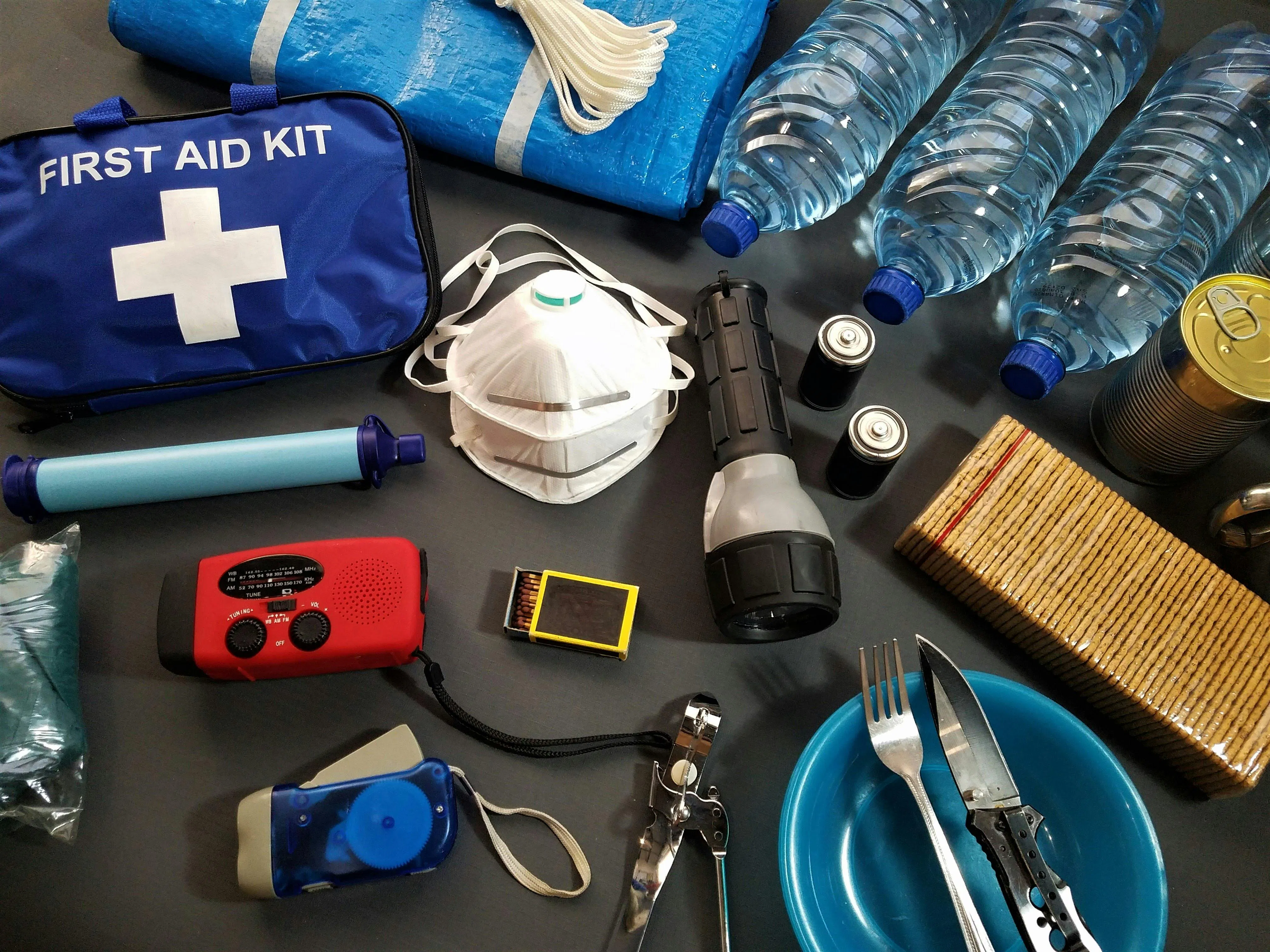
3. Assemble Emergency Supplies
In the face of a natural disaster, having essential emergency supplies readily available is fundamental to guest safety. Hosts should equip their properties with the following crucial supplies:
- First Aid Kit: A well-stocked first aid kit should be easily accessible. It should include bandages, antiseptic wipes, pain relievers, and any necessary prescription medications. Provide clear instructions on its location and usage.
- Flashlights and Batteries: Large-scale outages are common during natural disasters. Provide flashlights with extra batteries in an easily identified location to help guests navigate safely in the dark.
- Non-Perishable Food and Water: Stocking non-perishable food items like granola bars, canned goods, and bottled water can sustain guests in case access to regular food and water supplies becomes an issue.
- Emergency Blankets: Lightweight and compact emergency blankets can provide warmth in challenging conditions. They are particularly useful if guests need to shelter in place.
- Portable Phone Charger: Communication is vital during emergencies. A portable phone charger ensures that guests can keep their devices charged to stay connected and access important information.
- Weather Radio: A battery-powered or hand-crank weather radio provides real-time updates and alerts, keeping guests informed about changing weather conditions and evacuation notices.
- Fire Extinguisher: Every property should have a working fire extinguisher. Hosts should ensure guests know its location and how to use it safely.
- Basic Tools: A small toolkit containing essential tools like pliers, a wrench, and a multi-tool can be invaluable for minor repairs or securing loose items.
- Personal Hygiene Items: Basic hygiene items such as soap, hand sanitizer, toothpaste, and toiletries ensure that guests can stay clean even in challenging circumstances.
4. Prepare Your Property
Preparing your property for natural disasters includes verifying that the property remains secure after months or years of hosting guests. These steps include:
- Secure Outdoor Furniture and Loose Objects: Safeguard against potential projectiles. Securing outdoor furniture, garden decor, and any loose objects that could pose a hazard in high winds or provide guests with instructions to safely store them.
- Reinforce Windows and Doors: Strengthen the structural integrity of windows and doors to withstand strong winds and flying debris. This may involve installing storm shutters or reinforcing existing structures.
- Install Safety Equipment: Ensure the property is equipped with essential safety devices, including smoke detectors, carbon monoxide detectors, and fire extinguishers. Regularly check and maintain these devices to make sure that they are working.
- Regularly Review and Update Your Emergency Plan: Periodically review and update your emergency preparedness plans. Conduct regular maintenance checks to address any potential vulnerabilities and ensure the property remains resilient to unforeseen events.

Communicating with Guests During a Disaster
Here are key strategies for hosts to ensure effective communication should a disaster strike:
- Proactively Communicate: Anticipate potential challenges by sharing information about the property's emergency procedures, evacuation routes, emergency contact information, and any relevant safety measures before guests check-in.
- Encourage Guest Preparedness: Encourage guests to stay informed about local weather conditions and emergency protocols. Provide guidance on how they can prepare for unforeseen events, such as essential items to pack.
- Establish Clear Communication Channels: Provide guests with multiple communication channels, such as email, phone, and messaging apps. Clearly outline the primary mode of communication and encourage your Airbnb guests to stay informed through these channels.
- Give Regular Updates: Keep guests informed with regular updates on the evolving situation. Provide information about local conditions, government advisories, and any changes to the property's status. Timely updates help reassure guests and maintain transparency.
- Be Responsive: Have a dedicated customer support system in place to address guest concerns promptly. Keep the lines of communication open, addressing inquiries and providing support as needed.
- Explain How to Shelter in Place or Evacuate: Clearly communicate procedures for sheltering in place or evacuation if necessary. Guests should be aware of the property's safety features and the nearest evacuation points. Include this information in written form within the property.
Processing Cancellations and Refunds Under the Airbnb Natural Disaster Policy
Navigating the aftermath of a natural disaster often involves handling cancellations and refunds. Here's a guide for hosts on processing these situations through Airbnb or a similar platform:
- Promptly Communicate with Guests: In the event of a disaster, communicate promptly with guests about the situation and any impacts on their reservation. Stay informed about local conditions and clearly explain the available options. Options may include potential cancellations and full refunds based on the Airbnb natural disaster policy.
- Direct Guests to Airbnb's Resolution Center: If guests cancel their reservation or seek a cash refund, guide them to Airbnb's Resolution Center. This platform allows guests to request changes to their reservations or initiate cancellations while providing hosts an opportunity to respond and find mutually agreeable solutions.
- Document the Situation: In cases where the impact of the natural disaster is severe, document the situation with photos or other relevant evidence. This documentation can be crucial in justifying any decisions related to cancellations and refunds.
- Follow Airbnb's Dispute Resolution Process: If a dispute arises between hosts and guests regarding the cancellation policy or refunds, be aware of Airbnb's dispute resolution process. This process helps mediate conflicts and find resolutions that align with the platform's policies.

How to Navigate Changes in Demand After a Natural Disaster
In the aftermath of a natural disaster, Airbnb hosts may struggle to re-capture traveler demand in addition to rebuilding their property. Travelers can be understandably hesitant to visit areas where disaster has recently struck.
For example, our data shows that Maui experienced a decline of 60,000 nights in August 2023 and an additional 27,000 nights in September after wildfires swept the island. Cape Coral/Ft. Meyers also saw a significant shift, plunging from 17.9% year-over-year (YOY) growth in September 2022 to a -9.6% decline—or a difference of approximately 30,000 nights—in November, a month after Hurricane Ian made landfall.
After following the Airbnb natural disaster policy to serve your guests, adapting your hosting strategy is the next step for a successful recovery:
- Assess Property Damage: Conduct a thorough assessment of the damage caused by the natural disaster. Determine the priority repairs and restoration efforts needed to make your property safe and appealing to guests.
- Update Listing Information: Revise your Airbnb listing with accurate and current information regarding the condition of your property.
- Communicate Changes: Clearly communicate any repairs, improvements, or changes made to reassure potential guests of your property's safety.
- Flexible Booking Policies: Recognize that guests may have concerns about booking properties in the aftermath of a natural disaster. Implement a flexible cancellation policy, emphasizing lenient options to alleviate potential guests' uncertainties.
- Strategic Pricing Adjustments: Assess the local market conditions and adjust your pricing strategy accordingly. Offer competitive rates to attract guests while remaining mindful of the economic impact on the community.
- Highlight Safety Measures: Emphasize safety measures you’ve implemented to make your property resilient to future natural disasters. Highlight any new safety features or improvements made to boost guest confidence in your property.
- Engage with Past Guests: Reach out to past guests who enjoyed positive experiences at your property. Offer loyalty discounts or special promotions to encourage their return and positive word-of-mouth.
- Utilize Airbnb's Host Resources: Investigate resources provided by Airbnb for hosts in regions affected by natural disasters. Leverage any support and recovery programs offered by Airbnb to aid in restoring and promoting your property.
- Monitor Travel Trends: Keep a tab on travel trends and changing preferences in the aftermath of a natural disaster. Adjust your hosting strategy based on evolving travel patterns and guest expectations.
Use Data to Expect the Unexpected
During a natural disaster, Airbnb managers are so much more than hosts. They’re guardians, both of their guests and their properties. Though even the most well-prepared hosts can’t change the weather, they can take steps that promote guest safety and quite literally save lives.
The Airbnb natural disaster policy is one tool, but it doesn’t equip hosts to navigate the aftermath. To excel, hosts must prioritize not only safety but also adaptability. Pivoting according to changes in demand requires another tool entirely: dynamic pricing.
Leveraging real-time data, dynamic pricing tools empower hosts to optimize their pricing strategies, maximizing revenue while maintaining competitiveness in the ever-evolving vacation rental landscape. When hosts embrace these practices, they become not only keepers of safety but also catalysts for the recovery and resilience of their communities.
ARTICLE SUMMARY
Understanding the Airbnb natural disaster policy and preparing for such events is crucial for ensuring guest safety and bouncing back in the aftermath of unforeseen events.
Scott Sage
Senior Vice President, Marketing & Customer Experience
Scott is an Airbnb Superhost and industry pro, having founded Home Base BnBs—a short term rental management company that scaled to 200+ units. Scott combines his experience and passion for hosting to empower AirDNA customers' success. When he's not thinking about STRs, he is hiking, playing basketball, or playing pickleball.


