

 Calculate Revenue
 Research Markets
 Find For Sale Properties
 Compare My Listing
 STR Revenue Calculator
 Custom Comp Sets
 Submarket Insights
 Custom Search Filters
 Rate Recommendations
 Performance Benchmarking
 Competitor Comparison
 Owner Contact Details
 Property-level performance data
 Tourism Insights
 Real Estate Investment Analytics
 About Us
 Sales
Sales Support
 Press
PressAirbnb and Section 8: A Tale of Two Rental Strategies
Published: November 25, 2024
Last updated: September 25, 2026

Bram Gallagher
Key Takeaways:
- Airbnb and Section 8 are fundamentally incompatible rental strategies, and you can’t do both.
- Section 8 follows consistent federal guidelines, while Airbnb faces varying local rules.
- Section 8 offers steady, predictable income with long-term tenants, while Airbnb provides higher potential returns.
When it comes to real estate investing, the right rental strategy can make all the difference in achieving your financial goals. Some investors are drawn to the flexibility and earning potential of short-term rentals like Airbnb, while others prioritize the stability and steady income that comes with Section 8 housing.
Can you have the best of both worlds and do both? Can Airbnb Section 8 properties exist?
As much as we'd love to say yes (who wouldn’t want double the rental superpowers?), these two just don't mix. Section 8 housing focuses on long-term tenant stability, while Airbnb is built for short-term stays, making them fundamentally incompatible in most scenarios.
That said, both Airbnb and Section 8 bring distinct advantages—and challenges—to the table. In this guide, we’ll compare these two strategies, help you assess their financial potential, and provide practical advice for setting up your next investment, whether you choose Section 8 or Airbnb.
Can You Do Airbnb and Section 8 Together?
We applaud the creative thinking here—and we can see why you'd want to blend the dynamic income of short-term rentals with the reliability of Section 8 housing. It's exactly the kind of innovative approach that could transform a real estate portfolio.
While combining Airbnb's earning potential with Section 8's guaranteed income sounds like a real estate masterstroke, these two rental strategies operate in completely different worlds.
Key differences in structure and legal status
Section 8 housing is part of the federal Housing Choice Voucher Program, overseen by the Department of Housing and Urban Development (HUD). The program is designed to provide long-term, affordable housing for low-income tenants. As such, landlords participating in Section 8 must adhere to strict guidelines, including:
- Offering long-term leases, with initial leases usually lasting one year
- Passing regular property inspections
- Keeping rent prices reasonable as determined by the local Public Housing Authority (PHA)
Meanwhile, Airbnb properties operate under a completely different structure:
- Function as hospitality businesses rather than traditional rentals
- Subject to local STR regulations, permits, and lodging taxes
- Operate on flexible, short-term stays (typically under 30 days)
- Generate revenue through dynamic nightly rates vs. fixed monthly rent

Why these models don’t work together
Learning how to make your property Section 8 approved is a completely different journey from setting up an Airbnb. These rental worlds simply can't coexist—Section 8's mission of providing stable, affordable housing through strict regulations and long-term leases directly conflicts with Airbnb's model of flexible, short-term stays at market rates.
Not only would using a Section 8 property for Airbnb likely violate your housing assistance agreement, but it would also undermine the program's core purpose of creating reliable housing for those who need it most. These models serve different needs, operate under different rules, and ultimately require different business approaches.
In reality, it all comes down to Airbnb vs. renting the old-fashioned way. As always, it’s best to choose based on your local market conditions, risk tolerance, and long-term goals.
Pros and Cons of Section 8 vs. Airbnb Rentals
When considering Section 8 and Airbnb as rental strategies, it's important to weigh the benefits and challenges of each approach. Both options have unique advantages and drawbacks that cater to different investor goals and risk tolerances.
Advantages of Section 8
Section 8 housing, supported by the Housing Choice Voucher Program, offers several advantages for investors seeking long-term stability:
- Government-backed rental income: Landlords receive a guaranteed portion of rent directly from the government, reducing the risk of missed payments. This steady income stream can be a lifesaver in uncertain markets.
- Low vacancy rates: Section 8 tenants, often low-income families reliant on housing vouchers, are less likely to leave due to the affordability and stability the program offers.
- Consistent tenant base: Section 8 tenants tend to remain in properties long-term, minimizing turnover costs and downtime between leases.
- Tax incentives: Investing in affordable housing may offer tax benefits, depending on local and federal incentives aimed at encouraging participation in the program.
Section 8 can be a low-risk, high-reward strategy for investors prioritizing stability and reliable cash flow.
Drawbacks and Risks of Section 8
While Section 8 provides stability, it comes with challenges that may deter some investors:
- HUD compliance: Properties must meet strict safety and quality standards set by the Housing and Urban Development (HUD), which involves regular property inspections to ensure ongoing compliance.
- Rent caps: Local housing authorities set rent limits based on fair market rates, which may restrict the income potential of properties in high-demand areas.
- Paperwork and overhead: The program involves extensive documentation and interaction with local public housing agencies, which can be time-consuming for landlords unfamiliar with the process.
- Tenant challenges: While the tenant pool is consistent, landlords must navigate potential issues related to tenant behavior or property maintenance.
Section 8 can still be a rewarding investment for those willing to manage the regulatory complexity, but it’s not without its operational demands.
Advantages of Airbnb
Airbnb appeals to investors seeking high earning potential and market flexibility:
- High-income potential: In desirable locations, short-term rental income can significantly exceed traditional monthly rents.
- Pricing flexibility: Unlike fixed long-term leases, Airbnb lets hosts adjust rates daily based on market demand, seasonality, local events, and competition—maximizing revenue throughout the year
- Broad market appeal: From weekend tourists to business travelers to extended-stay guests, Airbnb properties can serve multiple demographics, creating diverse income streams.
- Property maintenance: Regular guest turnover allows for frequent property inspections and immediate maintenance, preventing major issues that often arise with long-term tenants.
- Personal use flexibility: Hosts can block off dates for their own stays or family visits—something not possible with year-long leases.
- Tax advantages: Short-term rentals often qualify for additional tax deductions related to hospitality businesses.
For investors in high-demand areas, Airbnb offers opportunities for lucrative returns with the added benefit of operational control.

Drawbacks and risks of Airbnb
Despite its earning potential, Airbnb comes with its own set of challenges:
- Higher operating costs: Frequent guest turnover requires constant cleaning, restocking of supplies, utility payments, and regular maintenance—expenses that quickly cut into profit margins
- Regulatory complexity: Cities often impose strict short-term rental regulations, including permits, occupancy limits, and in some cases, complete bans. These rules can change suddenly, impacting your business model.
- Variable income: Unlike predictable monthly rent, Airbnb revenue fluctuates with seasonality, local events, and market conditions. Low-season months may barely cover fixed costs.
- Active management: Successful hosting requires 24/7 guest communication, check-in coordination, maintenance responses, and problem-solving—either your time or the cost of a property manager.
- Market saturation risks: Popular areas can quickly become oversaturated with short-term rentals, driving down rates and occupancy.
- Property wear and tear: High guest turnover typically leads to faster property depreciation compared to long-term rentals.
Investors should consider these pros and cons carefully, as managing an Airbnb can demand more time and flexibility compared to long-term rental strategies like Section 8.
Deciding Between Section 8 and Airbnb: Key Factors to Consider
Choosing between Section 8 properties and Airbnb for your next rental investment depends on your financial goals, management style, and the resources you’re willing to commit.
Income stability vs. revenue potential
When evaluating Section 8 properties for rent vs. Airbnb, the key distinction often lies in the type of income they generate—stable and predictable versus flexible and potentially higher.
For those prioritizing steady, reliable income, buying a Section 8 property is a clear choice. Section 8 rentals provide government-backed payments, ensuring landlords receive rent even during economic downturns. According to HUD data, average rents for Section 8 households are $421 per month, or $5,055 annually, with a 7.5% year-over-year (YOY) increase.
Section 8 offers compelling advantages that balance out its lower rental rates. With an impressive 91% occupancy rate across 1.3 million units, Section 8 properties rarely sit vacant—ensuring consistent monthly income.
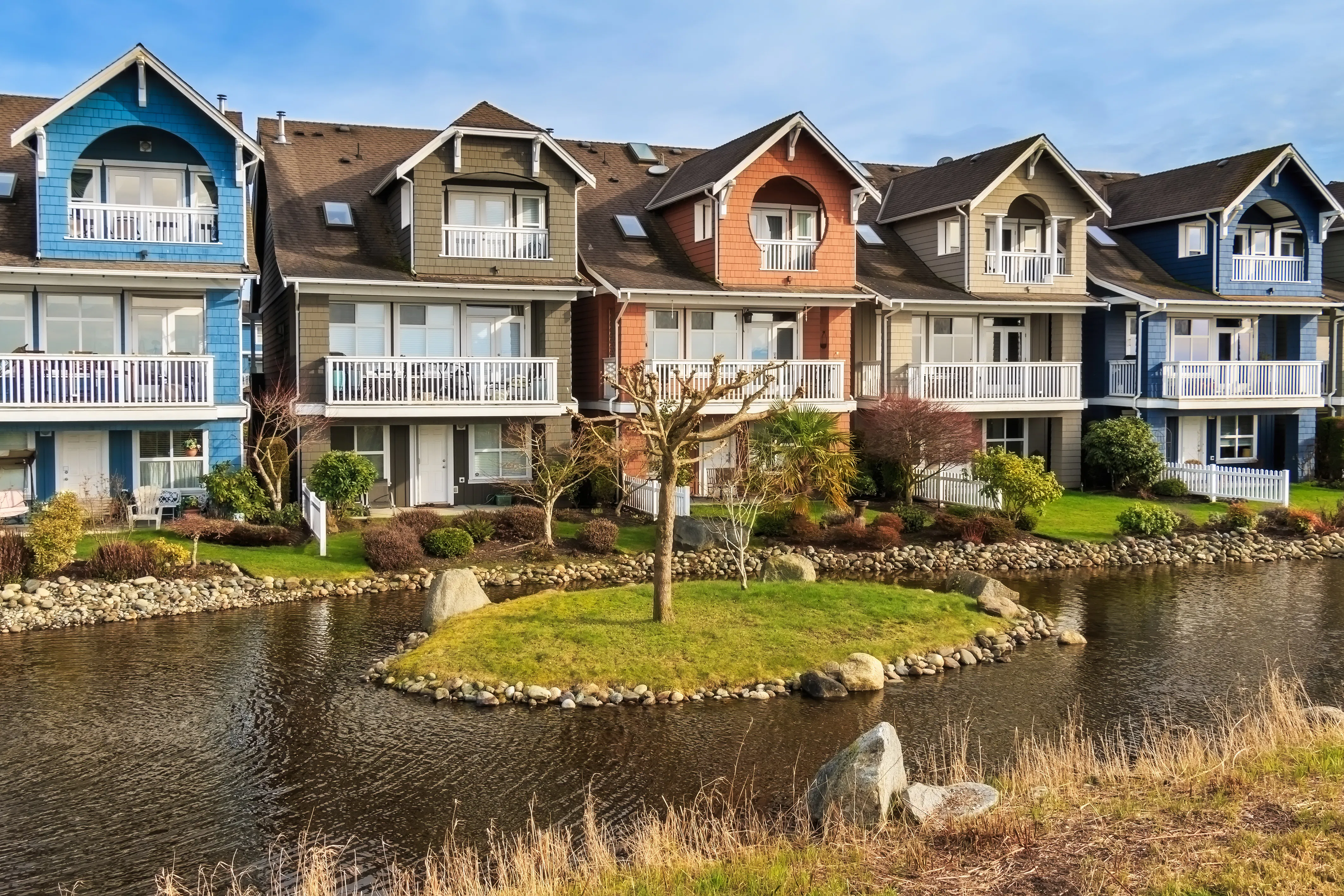
Plus, Section 8 tenants tend to stay put, with average tenancies lasting 6 years (and up to 9 years for elderly residents). This stability dramatically reduces the usual headaches of tenant turnover, from marketing costs to repair expenses to income gaps between leases.
Airbnb, by contrast, appeals to investors willing to take on income variability for the potential of higher revenue. In 2023, Airbnb hosts collectively earned $57 billion. Properties in high-demand markets often generate monthly revenue far exceeding long-term rents, especially during peak travel seasons.
Dynamic pricing allows Airbnb hosts to adjust nightly rates based on demand, boosting income far above what would be possible with static rates. However, Airbnb revenue hinges on maintaining high occupancy and guest satisfaction, requiring a more hands-on strategy with fluctuating returns depending on location and seasonality.
Ultimately, section 8 provides a secure, steady income with minimal operational demands, while Airbnb offers the opportunity for higher returns—though with greater effort and risk (but that risk can be mitigated with the right strategies!).
Time commitment and management style
These rental strategies demand vastly different levels of engagement. Section 8 requires significant upfront effort but becomes relatively hands-off, while Airbnb offers more control but needs consistent attention.
With Section 8, expect to invest considerable time initially navigating HUD requirements and property setup. However, once established, management becomes fairly routine. Tenants typically stay 5-7 years, which means minimal turnover hassles. Ongoing Section 8 property management responsibilities focus mainly on maintaining HUD compliance, passing annual inspections, and handling basic maintenance—think steady, predictable operations with less daily involvement.
Airbnb, by contrast, operates more like a hospitality business. Success demands regular engagement with guest communication, turnover management, and dynamic pricing adjustments. While you can outsource these tasks to a property manager (typically 15-25% of revenue), you'll still need to stay involved in strategic decisions about pricing, property improvements, and market positioning.
Choose your approach based on your management style: Section 8 suits investors who prefer predictable, hands-off operations after initial setup, while Airbnb rewards those willing to actively manage their investment for potentially higher returns.
Regulatory and compliance considerations
When choosing between Section 8 and Airbnb, you're really deciding between two very different regulatory worlds. Section 8 operates under HUD's federal umbrella—strict and demanding, but consistent and predictable. You'll face rigorous Housing Quality Standards inspections, detailed record-keeping requirements, and fixed rent guidelines. While the rules are tough, they're the same in every market and rarely change.
Airbnb's regulatory landscape tells a different story. Rules vary dramatically by location and can change overnight. Local governments might require:
- Special permits and licenses
- Specific zoning compliance
- Occupancy and rental night limits
- Local tax collection
- Commercial insurance coverage
This local control means what works in one city might be completely restricted in another. Some markets welcome short-term rentals with open arms, while others effectively ban them through strict regulations.
Your decision comes down to this: Are you more comfortable with Section 8's rigid but predictable federal requirements, or can you navigate Airbnb's changing local regulations? While Section 8 demands more upfront compliance work, Airbnb requires ongoing attention to evolving rules that could impact your business model.

Property and market suitability
Your property's location and characteristics largely determine which strategy will maximize returns. Let's break down what makes a property better suited for each approach.
A Section 8 investment property is great for stable residential areas with strong demand for affordable housing. Ideal locations typically feature:
- Proximity to public transportation
- Access to essential services and schools
- Established residential neighborhoods
- Limited affordable housing supply
- Steady job market for moderate-income workers
Airbnb, however, demands different market conditions for success. Look for:
- High tourist or business traveler traffic
- Proximity to attractions or event venues
- Seasonal demand patterns to drive peak pricing
- Limited hotel competition
- Areas with strong short-term rental performance
The property itself matters too. Section 8 works well with functional, durable properties that meet HUD standards without excessive upgrades. Airbnb success often requires properties with unique appeal, standout amenities, or prime locations that command premium nightly rates.
Your decision should align your property's strengths with market opportunities. A modest apartment in a working-class neighborhood might be perfect for Section 8, while that charming cottage near downtown could be an Airbnb goldmine. Study your market's dynamics and be honest about your property's potential in each strategy.
Financial goals and risk tolerance
Choosing between Section 8 and Airbnb ultimately comes down to your investment style and financial objectives. Think of Section 8 as a reliable bond—lower returns but steady income. Airbnb is more like a growth stock—higher potential returns but more volatility.
Section 8 appeals to investors prioritizing stability over maximum returns. You'll benefit from guaranteed government payments and long-term tenants, creating predictable monthly cash flow that's largely protected from economic downturns. While the returns might be lower than market rate, the peace of mind from consistent income and minimal vacancy risk attracts conservative investors.
Airbnb offers higher earning potential but demands comfort with uncertainty. You can command premium rates during peak periods and adjust pricing based on market conditions. However, you'll face seasonal fluctuations, higher operating costs, and more exposure to market changes. Success requires maintaining cash reserves for slow periods and accepting that your monthly income will vary—sometimes significantly.
Your choice should align with both your financial goals and comfort with uncertainty. Are you seeking predictable monthly income for retirement, or are you comfortable with variable returns for potentially higher profits? Understanding your risk tolerance is key to choosing the strategy that lets you sleep at night while meeting your investment objectives.
Frequently Asked Questions
Does Airbnb take section 8?
No. These rental strategies are fundamentally incompatible. Section 8 requires long-term occupancy with strict HUD oversight, while Airbnb operates on a short-term basis. Using a Section 8 property for Airbnb would violate your housing assistance agreement and could result in program termination. Each strategy serves different purposes and requires different business models—it's best to choose one approach that aligns with your investment goals.
How does the income potential compare between Section 8 and Airbnb?
Section 8 properties provide stable, predictable income based on fair market rents set by HUD, averaging $421 per month for tenant-based properties. Airbnb has the potential for much higher revenue, particularly in high-demand markets. Hosts can leverage dynamic pricing to maximize earnings during peak seasons or events. However, Airbnb income is more variable and depends on occupancy rates and guest satisfaction.

What is the most Section 8 will pay?
The maximum amount Section 8 will pay depends on the Fair Market Rent (FMR) for the area, as determined by HUD, and the tenant’s income. Generally, Section 8 covers the difference between 30% of the tenant’s adjusted income and the gross rent, up to the FMR. For example, in high-cost areas like San Francisco, the FMR for a one-bedroom could exceed $1,500, while in lower-cost areas, it might be under $500. Local housing authorities can provide specific FMR details for your area.
How do you buy a Section 8 property?
Any property can become Section 8 housing if it meets program requirements. Start by researching areas with strong demand for affordable housing and properties that can meet HUD's Housing Quality Standards. Focus on well-maintained properties to simplify compliance, then work with your local Public Housing Authority to begin the approval process.
However, before committing to Section 8, evaluate your property's potential as an Airbnb. A property in a desirable location near attractions or business centers might generate higher returns as a short-term rental. Consider your local market demand for both strategies, required property improvements, location advantages, and your preferred management style. The key is matching your property's strengths with the right strategy for your market and investment objectives.
ARTICLE SUMMARY
While investors might dream of combining Section 8's reliable income with Airbnb's high earning potential, these models are fundamentally incompatible. We explore why these strategies don't mix and help you choose the approach that best matches your investment goals.
Bram Gallagher
AirDNA Director of Economics and Forecasting
Bram Gallagher is an Economist at AirDNA, specializing in uncovering insights that drive smarter short-term rental decisions. He put his Ph.D. in Economics from the University of Georgia to work researching and forecasting hotel data with CBRE prior to joining AirDNA, as well as teaching economics at a number of universities. In his spare time, Bram enjoys making wooden furniture with hand tools.
