

 Calculate Revenue
 Research Markets
 Find For Sale Properties
 Compare My Listing
 STR Revenue Calculator
 Custom Comp Sets
 Submarket Insights
 Custom Search Filters
 Rate Recommendations
 Performance Benchmarking
 Competitor Comparison
 Owner Contact Details
 Property-level performance data
 Tourism Insights
 Real Estate Investment Analytics
 About Us
 Sales
Sales Support
 Press
PressBest Places to Buy a Beach House for a Short-Term Rental
Published: January 24, 2026
Last updated: January 27, 2026

Jamie Lane
Key Takeaways
- Beachside properties perform best where revenue potential is strong relative to home prices, not just where demand is highest.
- Proximity to the water remains one of the strongest drivers of rental pricing power and occupancy.
- Analyzing Airbnb beach markets based on yield helps surface areas where seasonal demand and acquisition costs are better aligned for STR investors.
Beach markets have an obvious pull, but strong demand alone doesn’t guarantee a strong short-term rental investment. Oceanfront towns, lake beaches, and coastal destinations can deliver impressive booking volume, but home prices, seasonality, and competition determine whether those bookings translate into real returns.
To identify the best places to buy a beach house for a short-term rental, we analyzed AirDNA data across coastal and beach-adjacent markets, focusing on how current for-sale properties perform relative to their revenue potential.
Spoiler alert: The actual best places to buy beachfront property might surprise you.
Why Proximity to Beaches Is a Powerful STR Investment Driver
Beach travel is anchored to one simple thing: water access.
Guests aren’t usually choosing a place to stay based on design or size, but on how close they can be to the water, how easy it is to spend the day outside, and how much of the trip revolves around the beach itself.
That shapes booking behavior in ways that can work in a short-term rental (STR) investor’s favor.
Demand is repeatable, not trend-driven
As in mountain markets, Airbnbs on the beach benefit from repeat visitation. Families return to the same stretches of shoreline year after year, often booking similar weeks or seasons well in advance. That helps stabilize demand and spares investors from relying on fleeting travel trends or one-off events.
Longer stays and group travel are common
Beach trips tend to skew toward longer stays, larger groups, and family travel, especially during peak summer months. In the best summer house locations, this dynamic supports higher total booking value, especially for well-sized homes with outdoor space, parking, and multiple bedrooms.
Seasonality is real (but often manageable)
Beaches are seasonal by nature, but not all beach markets rely on a single peak. Lake beaches, warmer coastal regions, and destinations with shoulder-season appeal can spread demand across more of the calendar. In some cases, STR hosts also choose to lean into peak months while reducing off-season costs to improve overall returns.
Proximity drives pricing power
In beach markets, distance matters. Walkability to the shoreline, easy access points, and unobstructed views command higher nightly rates and stronger occupancy than similar homes just a few blocks inland. That proximity creates a natural form of differentiation that’s impossible to replicate.
Our Methodology for Ranking the Best Places to Buy a Beach Property
Most beach markets are in high demand, but STR performance varies significantly once you factor in beachside property prices and seasonality. High booking volume alone doesn’t always translate into strong returns, especially in destinations with high or fast-growing acquisition costs.
To build our list of top-tier coastal locations for short-term rentals, we evaluated beach-adjacent markets based on yield, comparing the average revenue potential of houses currently for sale against their purchase price. In plain English: We looked at how income potential compares to what it costs to buy a home.
This approach surfaces meaningful differences between beach markets. In some coastal and beach destinations, premium pricing reflects high demand but leaves less room for income to keep pace. In others, moderate home prices paired with steady demand can result in a more favorable balance between cost and earning power.
Keep in mind that we interpreted “beach” and “coastal” broadly, meaning that markets on this list span beach, lake, ocean, or river-adjacent areas. The result is a list of markets that offer a more practical entry point for open-minded investors seeking a beachfront investment property for sale.
Note: Average home prices, revenue potential, and yield for each market is based on currently for-sale properties, which change day to day. The figures in this report are based on data from December 2025 but will fluctuate as the real estate landscape evolves.
Best Places to Buy a Beach Home for Airbnb
The markets that made it onto our list stand out based on how vacation rental revenue potential compares to home prices. This list doesn’t name-drop the country’s most popular beaches. Rather, it highlights where the math adds up for STR investors.
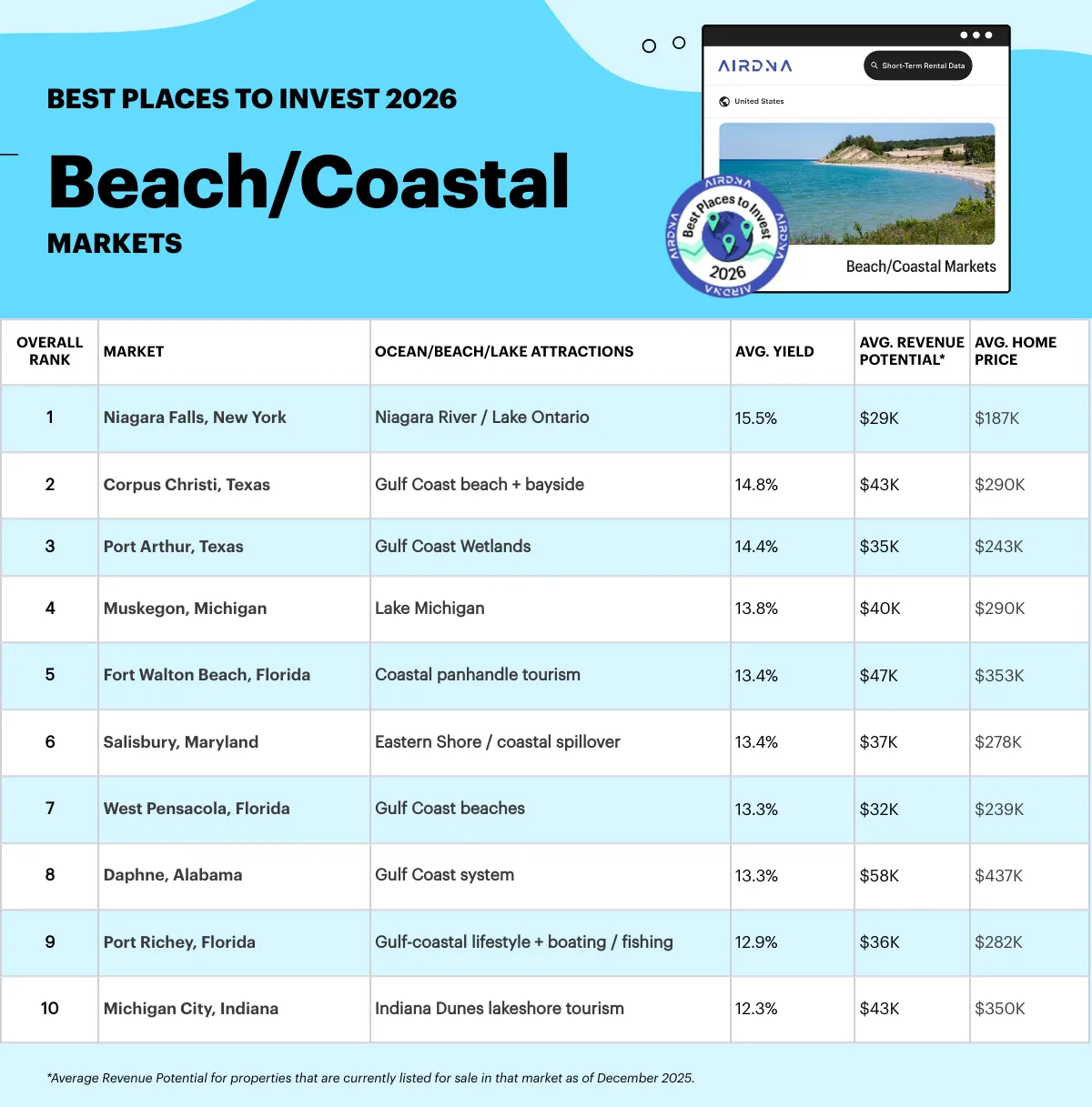
Remember: the data below is based on currently for-sale homes, which change day to day. Variation in the types of for-sale properties mean that prices fluctuate. For example, a 3-bedroom home with private beach access will be valued higher than a condo three blocks away from the water.
1. Niagara Falls


While Niagara Falls, New York is not your typical beach destination, there’s no denying that water access is the main attraction. It’s a bucket-list destination for many, and for vacation rental operators it’s characterized by seasonal demand that peaks in the summertime.
Demand drivers are straightforward and durable. Niagara Falls State Park is the main engine, with signature experiences like Cave of the Winds, Maid of the Mist, and the Observation Tower that support multi-night stays and peak-season pricing power. Beyond the falls, the region boasts outdoor activities, wineries, and guided tours that help convert day trips into longer stays and support shoulder-season travel.
Affordability is a major advantage here. With an average home price of less than $200K, this market offers a low barrier to entry. Returns stand out, too. The region’s average yield is 15.5%, signaling attractive gross return potential without relying on luxury ADRs (average daily rates).
Ultimately, low acquisition costs, broad visitor appeal, and dependable demand create a favorable risk/reward profile, especially for Airbnbs on or close to the beaches of the Niagara River.
Regulations:
Niagara Falls has a clearly defined and actively enforced short-term rental framework. Only owner-occupied, single- or two-unit residential properties located within a designated STR zone are eligible. Hosts must obtain both a Special Permit from the Zoning Board of Appeals and an annual operating license through the city’s Code Enforcement Department. Local guidance also points to limits on the number of active permits, meaning availability may be constrained over time. With this in mind, investors should confirm permit eligibility early.
2. Corpus Christi, Texas
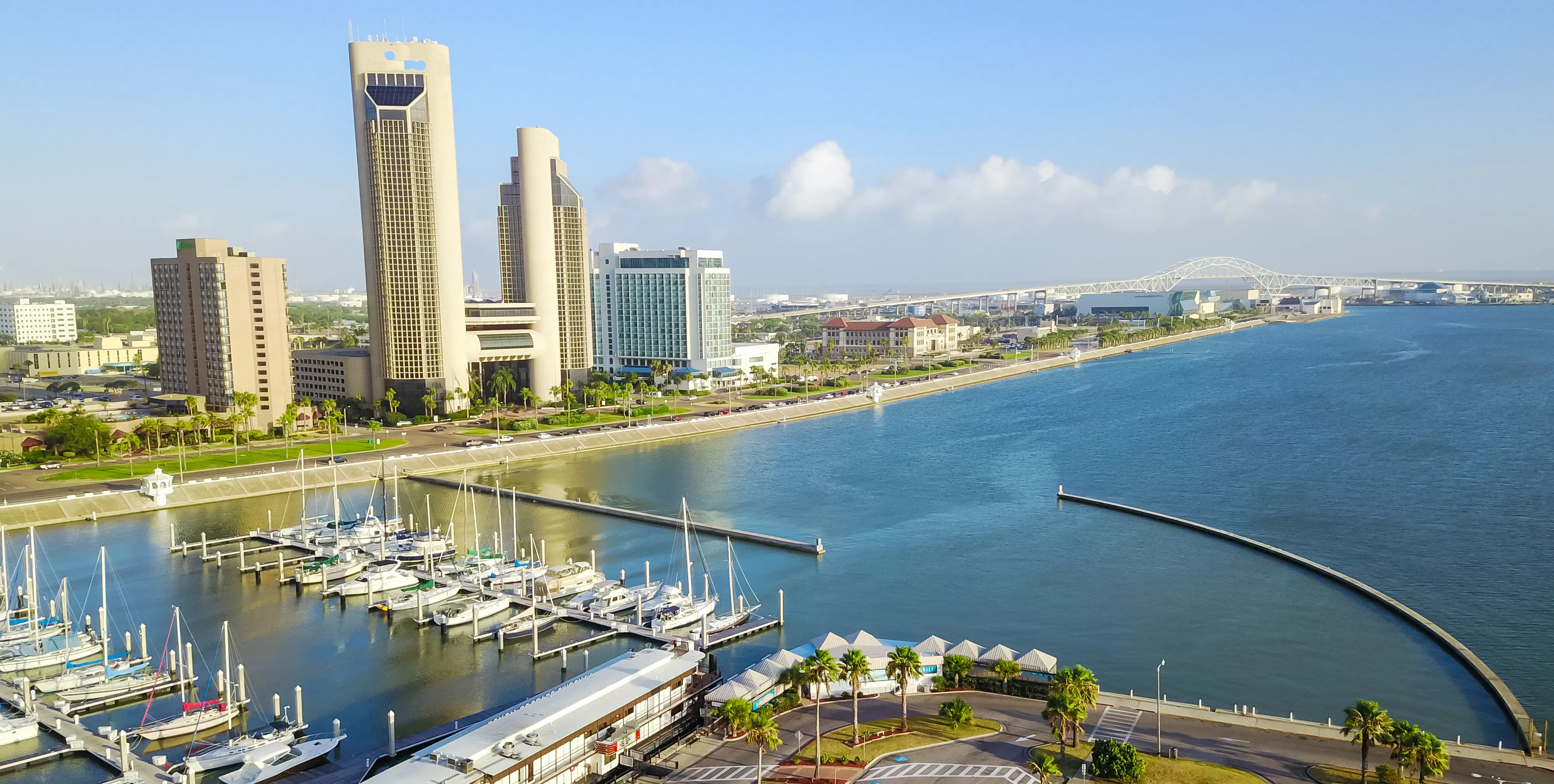

Corpus Christi is a Gulf Coast market investors gravitate toward for a simple reason: real beaches, real demand, and real revenue, without the sky-high buy-in of many oceanfront destinations. The city is built around the Texas coastal lifestyle (sand, water sports, family-friendly attractions) and benefits from weekend-drive accessibility for local Texas travelers.
Beaches and water activities (like windsurfing, parasailing, kayaking, and deep-sea fishing) support weekend traffic, longer summer stays, and shoulder-season trips for outdoorsy guests. Iconic anchors like the USS Lexington Museum and the Texas State Aquarium, combined with a lively downtown, stabilize demand beyond “beach house” seasonality.
Market metrics back up the story. The average home price is under $300K, a relatively affordable entry cost for a coastal city. More importantly, the market posts a 14.8% average yield, which is hard to replicate in higher-priced beach metros.
Regulations:
Corpus Christi’s short-term rental environment is structured but workable. The City states that any property rented for fewer than 30 consecutive days must be registered under the STR ordinance. Additionally, single-family units in a single-family district generally cannot be rented for less than one month unless approved; a key zoning constraint investors should consider carefully before buying.
3. Port Arthur, Texas


Port Arthur, Texas, pairs a low-cost entry point with strong income efficiency, making it a Gulf Coast market where returns don’t depend on luxury pricing.
Although Port Arthur is situated on the shores of Sabine Lake, beach vacations aren’t the primary reason travelers flock here. Perhaps the city’s biggest driver is its booming energy sector. Home to major oil refineries and petrochemical plants, Port Arthur sees steady, year-round travel from refinery workers, engineers, and contractors. That baseline is set to grow, with a multi-billion-dollar LNG export terminal under construction expected to add thousands of jobs.
Leisure demand layers on top of that foundation. Weekend travelers are drawn by fishing and birding around Sabine Lake, beach access at Sea Rim State Park, and easy coastal getaways that appeal to families. Cultural attractions, including the Museum of the Gulf Coast and the city’s Cajun-influenced food scene, help round out stays and support repeat visitation.
From an operating standpoint, the math works. With average home prices under $240K and a 14.4% average yield, Port Arthur stands out for investors who prioritize payback and cash-flow resilience.
Regulations:
Port Arthur’s STR regulations appear to be more structured than many Texas markets, with a city-level ordinance requiring short-term rental permits, registration, and tax compliance. Overall, the environment looks manageable but not hands-off. Investors should plan for permitting and ongoing compliance efforts.
4. Muskegon, Michigan


Muskegon delivers resort-like short-term rental returns in a true leisure destination. Home prices still feel like a value market, creating a rare revenue-to-price advantage.
The Muskegon short-term rental market is anchored by Lake Michigan beaches, state parks, and family attractions. Like many Midwest lake towns, occupancy peaks during the summer months. The average occupancy rate hits an annual high of 81% in July and a low of 35% in January
Muskegon’s entry point remains investor-friendly, although beachfront properties for sale naturally command a higher entry price. Average home prices sit around $290K, while revenue potential approaches $40K annually, producing a 13.8% average yield. That combination supports stronger cash flow and a quicker path to stabilization for STR hosts who deliver on location, experience, and pricing.
Regulations:
Muskegon’s regulatory environment is structured and moderately restrictive. The City requires a short-term rental license to operate, with enforcement provisions including escalating penalties and potential license revocation.
Public reporting also indicates the City implemented a 4% cap on STRs by area, and the City has an ongoing public-facing discussion around STR rules. With this in mind, investors should keep compliance and permit availability in mind.
5. Downtown Fort Walton Beach, Florida
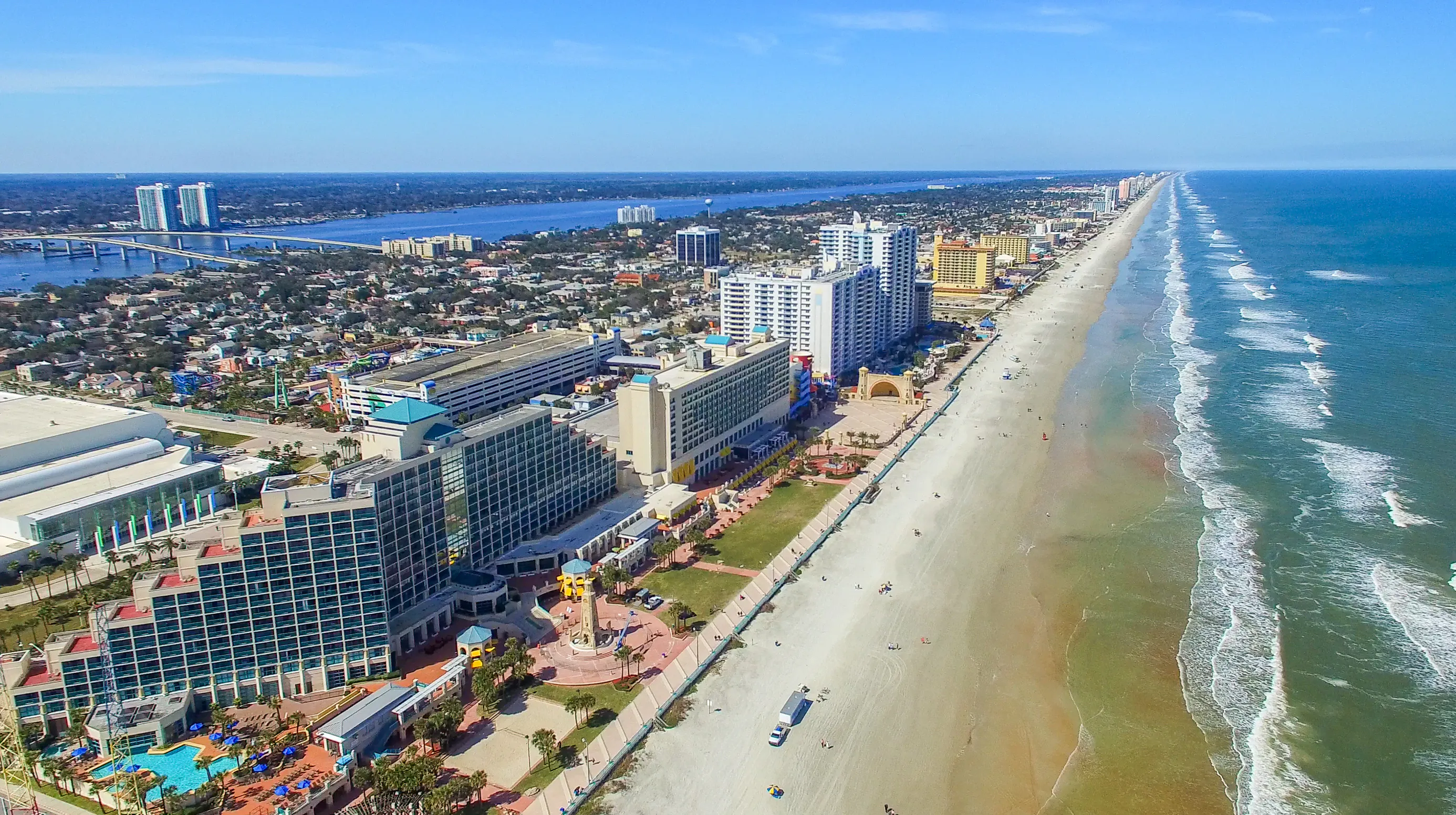

Downtown Fort Walton Beach combines beach-adjacent demand with a more accessible coastal buy-in, pairing walkable downtown amenities and a proven Emerald Coast tourism engine that supports durable STR performance.
Located on the coast of the Florida Panhandle, Fort Walton Beach benefits from steady drive- and fly-in travel rather than relying on a single employer or event. Demand is anchored by classic Emerald Coast draws, including white-sand beaches, emerald water, and family-friendly attractions like Gulfarium Marine Adventure Park and the Air Force Armament Museum. Downtown further extends stays with shops, dining, and cultural venues that smooth seasonality and support pricing outside peak periods.
Market fundamentals stand out for coastal Florida. With an average home price of just over $350K and average revenue potential of $47K, Downtown Fort Walton Beach delivers a 13.4% average yield. That income profile can support professional operations while still leaving room for healthy margins, particularly for homes that capitalize on downtown walkability and quick access to Okaloosa Island.
Regulations:
Fort Walton Beach requires short-term vacation rentals to register with the city, and Okaloosa County outlines what it can regulate (including items like occupancy limits and registration requirements). Overall, it’s not a hands-off market. Investors should expect compliance steps, but the rules are defined and manageable.
How to Find the Best Markets to Invest In
Looking at short-term rentals through the lens of demand drivers gives you more flexibility than chasing a single “hot” destination. Instead of starting with a city name, you can start with why guests travel, and then evaluate which markets support that demand at a price point that still makes sense.
AirDNA makes it possible to explore markets connected to specific travel motivations, like proximity to beaches, and compare how those markets perform across pricing, revenue potential, and yield. Here’s how:
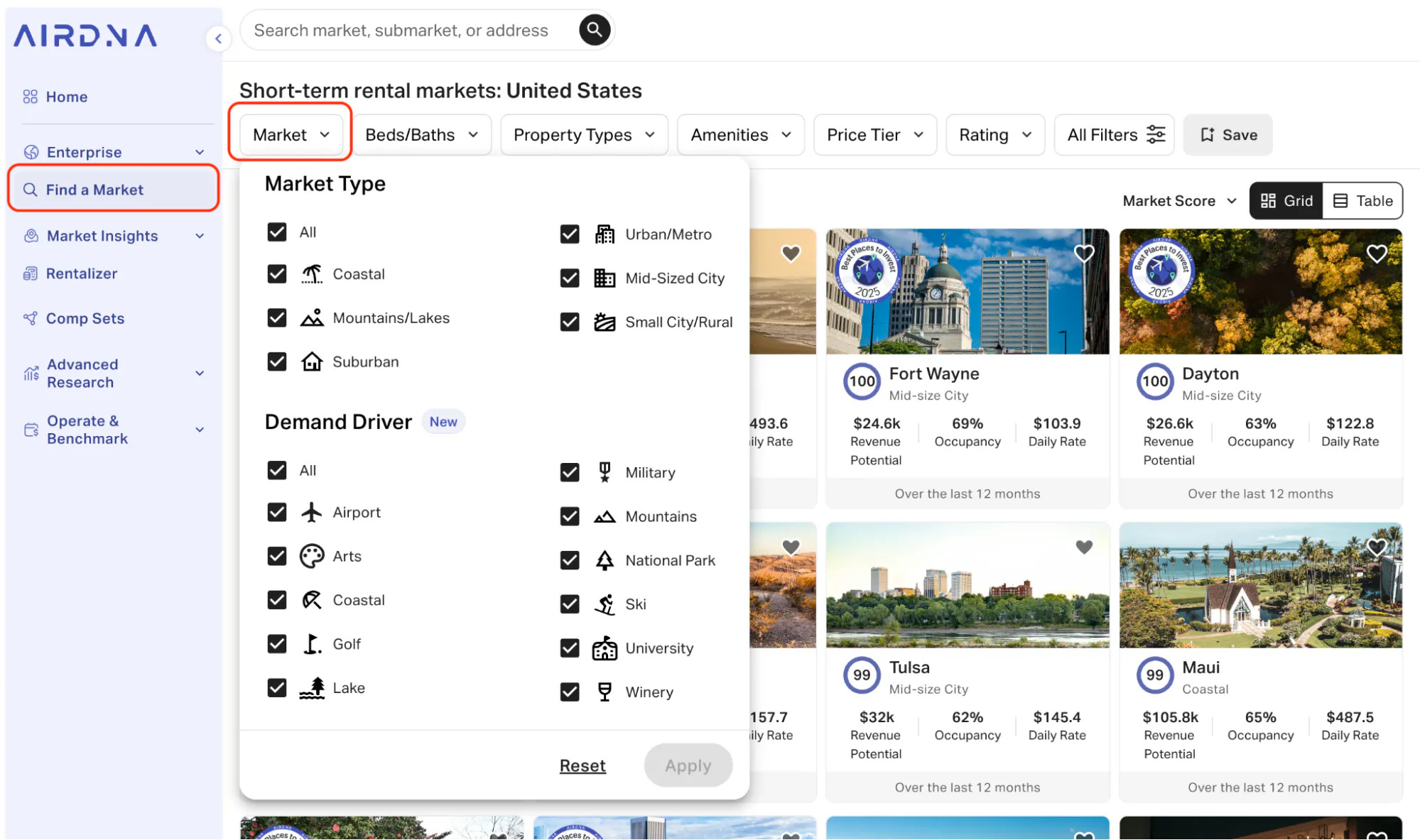
Use demand driver market filters
With AirDNA’s demand driver filters, you can surface markets where short-term rental demand is meaningfully tied to a certain attraction, rather than relying broadly on geography or reputation alone.
This approach helps you:
- Hone in on markets where a certain attraction plays a consistent role in bookings
- Compare nearby markets that share similar demand but differ in pricing or supply
From the Find a Market tab in AirDNA, click the Market filter to choose which demand drivers you want to search for.
Filter by budget and yield
Once you’ve identified markets with the right demand profile, the next step is evaluating properties currently for sale in those areas.
To narrow down your options, use these filters:
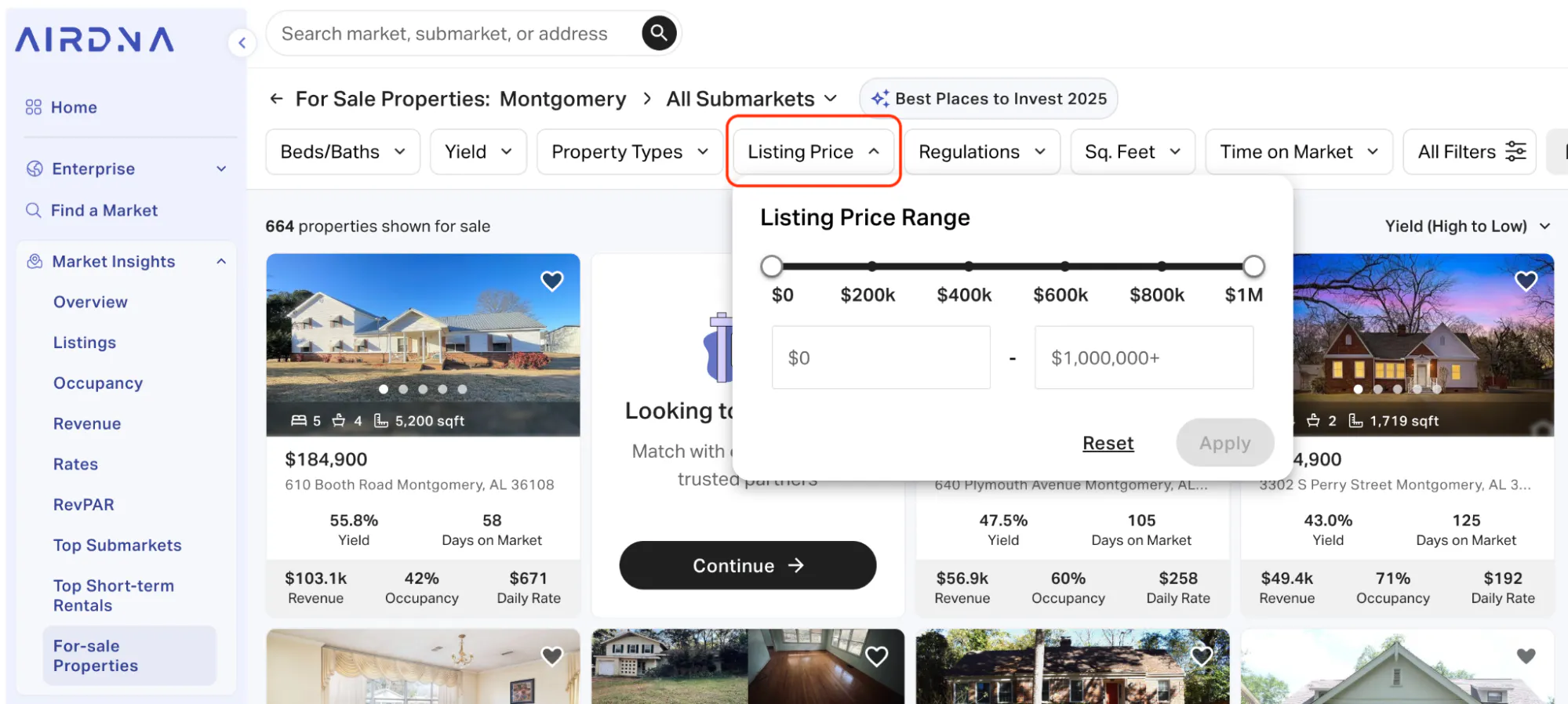
Price range filter
Use the listing price filter and set upper and/or lower limits to view listings that fit your budget. Find this filter in the For-sale properties tab.
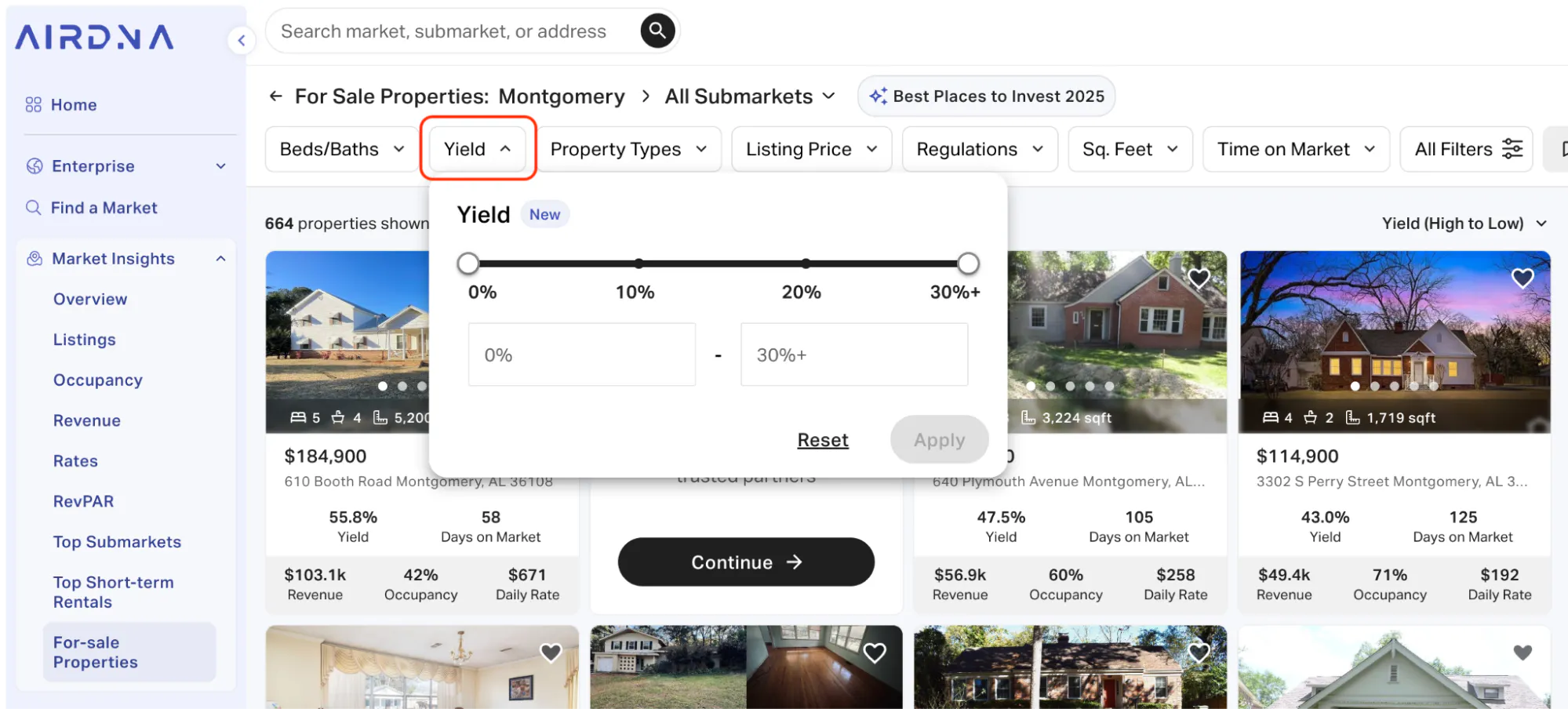
Yield filter
Apply a minimum yield threshold to highlight properties where revenue potential appears better aligned with purchase price. Find this filter in the For-sale properties tab.
Find markets that match your strategy
Looking for an up-and-coming mountain town? Or a high-performing coastal city? Filter by market type, score, and listing count to discover the markets that meet your goals.
FAQs
Is a beach house a good investment?
Beach houses can be a good investment in markets where home prices, demand, and seasonality are in balance. Beach destinations tend to see strong booking volume, but performance varies widely depending on entry costs, competition, and how evenly demand is spread throughout the year.
Are beach STR markets seasonal?
Most beach markets are seasonal, but not all. Seasonality depends on the type of beach. Some coastal destinations rely heavily on summer demand, while others benefit from year-round warmer climates, lake travel, or shoulder-season appeal that extends bookings beyond peak months.
Does proximity to the beach really matter for Airbnb investments?
Yes, distance to the water usually has a meaningful impact on short-term rental pricing and occupancy. Walkability, easy access points, and views support higher nightly rates compared to similar homes farther inland, though those premiums vary by market. That being said, a home that’s a short walking distance from the beach can command similar revenue to a property with direct beach access that’s much more expensive to buy.
Are lake beach markets different from ocean beach markets?
Lake beach markets often have a more defined season but can still perform well due to family travel, drive-to demand, and longer stays. Ocean beach markets may offer longer booking seasons, but typically come with higher home prices and more competition.
How much is a beach house?
Beach house prices vary wildly from market to market. High-demand destinations like Southern California and coastal New England tend to cost more than lake beaches and southern coastal markets.
Do beach condos pay for themselves?
Beach condos can pay for themselves in the right market, but results depend heavily on purchase price, HOA fees, and seasonality. Condos in high-demand beach areas often benefit from strong occupancy and shared amenities, but higher monthly fees and stricter rental rules can eat into margins. Investors tend to see the best results when condo pricing hasn’t fully caught up to demand and when peak-season revenue is strong enough to cover slower months.
Start with yield, go deeper later
Use AirDNA to assess market performance and compare Airbnb yield across for-sale listings before diving into full ROI.
ARTICLE SUMMARY
Most beach markets are in high demand, but not every destination offers noteworthy investment potential. This guide breaks down the best places to buy a beach house for a short-term rental by comparing home prices to revenue potential.
Jamie Lane
AirDNA Chief Economist
He is responsible for data analysis, thought leadership, and leveraging advanced analytical techniques to provide new insights into short-term rental market trends. Native to Atlanta and an Airbnb host himself, Jamie enjoys cycling, mountain biking, backpacking, running, and playing in a dart league in his free time.
