The Benefits of Airbnb for Communities
Published: June 18, 2024
Last updated: September 25, 2026

Bram Gallagher
Key Takeaways
- Airbnb offers diverse economic benefits, including additional income for homeowners, new jobs, and more tax revenue.
- Travelers benefit from unique experiences and cultural immersion, fostering deeper connections with local neighborhoods.
- While acknowledging challenges, embracing a balanced perspective on short-term rentals can harness their potential to create thriving, inclusive communities.
The rise of Airbnb has ignited impassioned debates about the role of short-term rentals (STRs) in shaping local communities. While this topic is undeniably divisive, beyond the dissenting voices lies a narrative of positivity. Short-term rentals emerge as catalysts for economic vitality, cultural exchange, and community resilience.
This article focuses on the benefits of Airbnb for communities while acknowledging some of its challenges and downsides. Assessing Airbnb's potential advantages for local neighborhoods uncovers a slew of positive impacts that underscore its potential to uplift and enrich communities worldwide.
What Are the Benefits of Airbnbs for Communities?
Airbnb has undeniably transformed the way people travel. The booking platform has had myriad ripple effects, too—from boosting the local economy to providing unique experiences for tourists to supporting health and cultural initiatives.
Let's explore some of these benefits in detail, highlighting how Airbnbs can be a force for good in neighborhoods around the world.
Economic Benefits
Airbnb has brought significant economic advantages to local homeowners and communities. Through diverse accommodation options, Airbnb has managed to stimulate local economies, generate tax revenue, and create jobs.
Additional Income for Local Homeowners
For many homeowners, renting out their properties on Airbnb provides a valuable source of additional income. This can help them cover mortgage payments, maintenance costs, or simply supplement earnings from their primary job. The additional income stream is especially beneficial in areas where traditional tourism isn't a primary industry.
Stimulating Economies in Markets Without a Large Tourism Industry
One of the economic benefits of Airbnbs for communities is the introduction of a new revenue stream to areas that lack a strong tourism industry. Airbnb helps stimulate the local economy by attracting visitors to these markets, providing a financial boost to communities that might otherwise be overlooked by traditional tourism.
For example, an Airbnb report from 2023 shows that over 92,000 guest arrivals were recorded in areas of Australia with Airbnb listings but no hotels, earning hosts more than AUD $27 million. This influx of tourism revenue is particularly beneficial for rural and underserved areas, enabling them to share in the benefits of tourism and drive local economic development.
Accommodation Options for Lower-Budget Travelers
Airbnb opens doors for low-budget travelers by providing a wider array of affordable accommodation options. This helps attract a more diverse group of visitors who might otherwise be unable to travel.
Data from Airbnb shows that families and larger groups often find more value and space in Airbnb listings compared to traditional hotels. For example, families can get an Airbnb with two bedrooms and two bathrooms for approximately the price of one hotel room at a major chain.
Additionally, Airbnb's introduction of the "Rooms" category makes travel even more accessible for budget-conscious travelers, offering private rooms in shared homes as a cost-effective alternative to renting out an entire property. Empowering more people to travel within their budget not only boosts the overall tourism industry, but also fosters more inclusive and diverse travel experiences.
Increased Traffic to Attractions and Small Businesses
Airbnb increases traffic to local attractions and small businesses, particularly those off the beaten path in less touristy neighborhoods. Unlike typical hotel stays, Airbnb hosts often provide personalized local guides, directing guests to nearby mom-and-pop shops, eateries, and bars.
Tax Revenue
The taxes collected from Airbnb rentals provide essential funds for community services and infrastructure, benefiting local residents and improving public amenities. Since 2014, Airbnb has generated over $10 billion in tourism taxes globally, underscoring the significant financial contribution of short-term rentals.
These funds can be allocated to various public projects like schools, parks, and transportation systems that improve the quality of life for everyone in the community. Additionally, increased tax revenue can help alleviate budget constraints for local governments. This leads to better maintenance and development of public resources.
Job Creation
According to Airbnb research, travel on Airbnb generated $85 billion in economic activity in 2023 in the U.S. alone, supporting one million jobs. These jobs, ranging from property management to cleaning services, often benefit communities outside traditional tourism hubs, providing employment opportunities that might not have existed otherwise.
Tourist Benefits
Imagine staying in an eco-friendly treehouse or a historic downtown loft. That’s a huge step up from the typical, cookie-cutter hotel room!
Airbnb allows travelers to explore vibrant local neighborhoods, offering a more authentic experience than the typical tourist spots. Whether you're visiting friends and family or traveling with a large group, Airbnb provides flexible, convenient options that traditional hotels can't match.
Unique Accommodations
From charming cottages and rustic cabins to modern lofts and historic homes, Airbnb’s got something for everyone.
This variety empowers travelers to choose lodging that makes their experience more memorable, special, and in line with their values (think sustainability). Instead of the uniformity of hotel rooms, guests can enjoy the distinct character and personality of each Airbnb property.
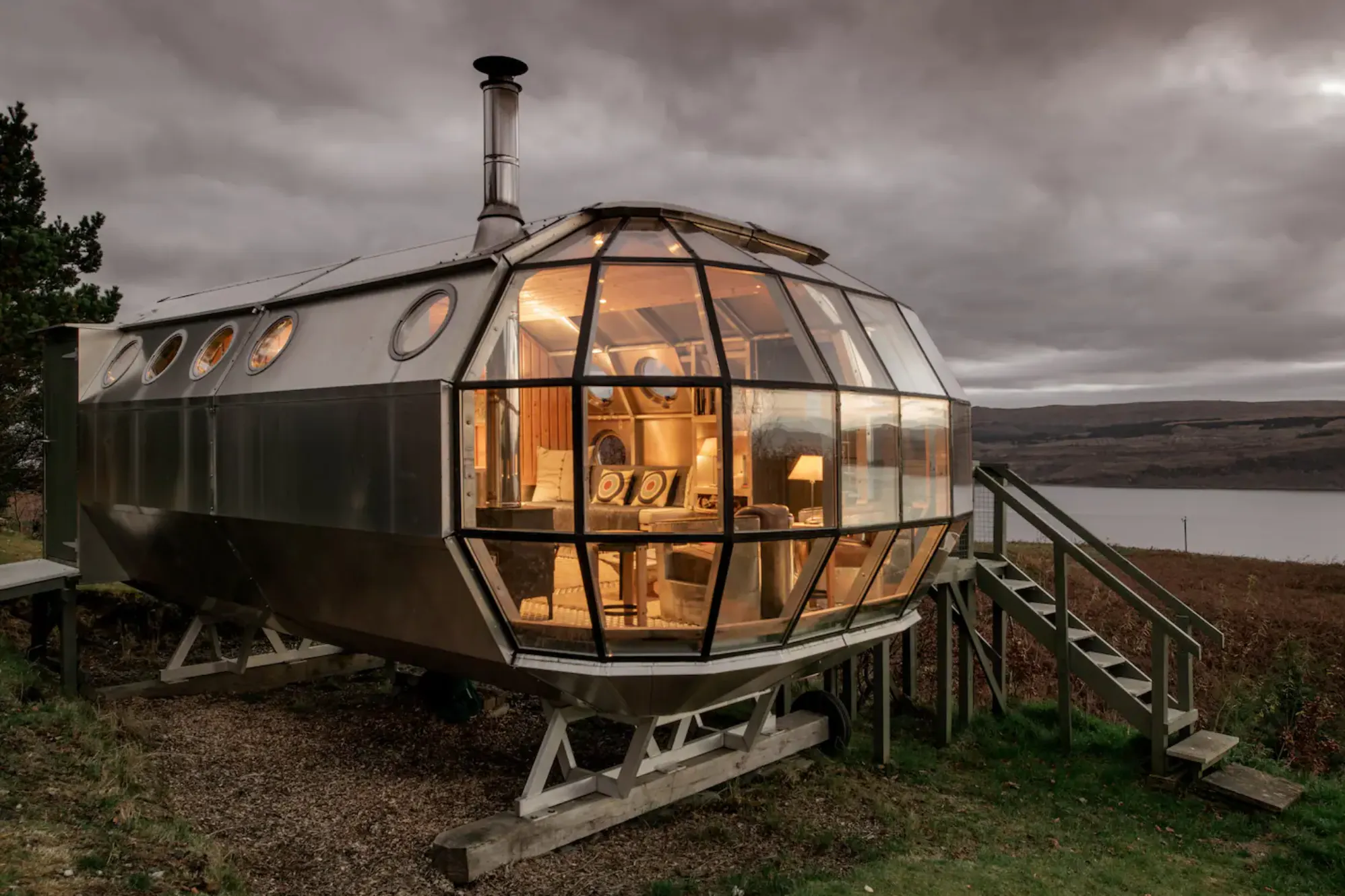
Here’s a taste of the unique accommodations guests can choose from:
The AirShip 2, an insulated aluminum pod in the the Scottish Highlands
The Yellow Submarine, a Beatles fan’s dream in Marton, New Zealand:

The Mill, a windmill converted into a house in Portugal:

Stay in Local Communities
Staying in an Airbnb often places travelers in the heart of local neighborhoods, away from the crowded tourist areas. This creates a more authentic experience, allowing guests to discover hidden gems, dine at mom-and-pop restaurants, and get to know the locals. As a result, vacationers gain a deeper understanding and appreciation of the community they’re visiting.
Stay Near Friends & Family
Airbnb makes it easier for travelers to find accommodations close to their friends and family. Unlike hotels, which are often concentrated in specific areas, Airbnb listings can be found in a variety of neighborhoods. This flexibility allows travelers to conveniently stay just a few blocks away from whoever they’re visiting.
Easier Group Travel
Finding accommodations that fit everyone when traveling and don’t break the bank can feel impossible. With Airbnb, groups—from families to sports teams—can stay together comfortably. This both simplifies logistics and improves the group experience with common spaces to gather and socialize.
A Homier Experience
Staying in an Airbnb is much homier than a hotel. With access to kitchens, living rooms, and other home amenities, guests can cook their own meals, do laundry, and enjoy the comforts of a home away from home. For digital nomads and frequent business travelers, Airbnbs offer a cozier version of the stereotypical corporate rental. Walking through local neighborhoods and experiencing day-to-day life helps guests feel like temporary residents rather than just tourists.
Health Benefits
One of the many benefits of Airbnb for communities is in supporting the healthcare industry through flexible accommodation options for medical workers and those seeking medical treatment away from home. AirDNA data shows how common it is for Airbnb guests to take advantage of listings for this purpose.In Canada, short-term rental properties located near hospitals in 3 key markets had 5-10% higher occupancy rates in 2023 than properties located 3 or more kilometers away.
Long-Term Stays Near Hospitals
For those who are immunocompromised or undergoing extended medical treatment, finding comfortable and affordable long-term housing near hospitals is essential. Airbnb is a great option for mid or long-term stays near medical facilities, providing a comforting, home-like environment that offers a reprieve from the healthcare setting.

Accommodations for Medical Workers and Travel Nurses
Airbnb also supports medical professionals by offering convenient and affordable housing solutions. Travel nurses and other medical workers can find accommodations close to their assignments, bringing much-needed talent to areas that might otherwise struggle to attract healthcare professionals. This flexibility helps ensure that communities have access to the high-quality medical care they need.
General Public Benefits
The benefits of Airbnb for communities extends beyond travelers and hosts, positively impacting the general public.
Try Out a Neighborhood Before You Buy
Folks considering a move or investment in a new neighborhood can use Airbnb to experience the area firsthand before signing on the dotted line. Staying in a local Airbnb allows prospective residents to immerse themselves in the community, weigh the value of different amenities, and get a feel for the neighborhood's vibe before committing.
Temporary Accommodation
During home renovations or repairs, Airbnb offers convenient and affordable temporary housing solutions. Best of all, homeowners can maintain their daily routines and stay close to school, work, and other commitments.
Foster Community Among Hosts
Airbnb fosters a sense of community among hosts, who often come together to share experiences, tips, and insights. Local meetups, online forums, and networking events provide opportunities for hosts to connect, collaborate, and support each other. This community-building aspect strengthens social ties and creates a supportive network within neighborhoods and cities.
Environmental Benefits
Airbnb accommodations offer notable environmental benefits compared to traditional hotels. Airbnb reduces the demand for new construction by taking advantage of existing residential spaces, which helps preserve natural landscapes and ecosystems.
In fact, Airbnb hosts can increase their earnings by prioritizing eco-friendly features that save them money operationally—through energy-efficient appliances, for instance—and also appeal to a broad demographic of guests that are increasingly seeking sustainable lodging.
Avoid the Large Hotel Carbon Footprint
Hotels are known for their significant carbon footprint, largely due to their high energy consumption for operations like heating, cooling, and laundry. As of 2023, the hotel industry has outsized CO2 emissions according to CBRE Hotels Research.
Additionally, the construction and maintenance of large-scale hotel properties can lead to habitat destruction and loss of biodiversity.
The Impact of Short-Term Rentals Invites Debate
Short-term rentals like Airbnb and Vrbo have sparked widespread debate regarding their effects on local communities. While proponents argue for the economic and cultural benefits of Airbnbs for communities, opponents raise concerns about their impact on neighborhood dynamics.
It’s a contentious topic for sure. While the benefits of Airbnb are abundant, it’s worth noting that like most things in life, the short-term rental industry isn’t perfect.
What are the Downsides of Airbnb in Your Neighborhood?
Despite their advantages, Airbnb rentals might have negative consequences for local communities.
Common downsides include:
- Noise disturbances
- Increased traffic
- A transient population that may disrupt the sense of community
- Increased rental prices in competitive markets

Is Airbnb Destroying the Local Community Feeling?
How does Airbnb impact the fabric of local communities? Critics argue that the influx of short-term renters can disrupt the social cohesion and sense of belonging that characterize neighborhoods.
They express concerns that the transient nature of Airbnb guests may lead to:
- Reduced interaction among residents
- Weakening community bonds that are essential for a vibrant local culture
- Commercialized neighborhoods where properties that were once primary residences become de facto hotels, altering the character and identity of the area.
On the other hand, proponents of Airbnb emphasize its positive contributions to local communities:
- Visitors stay longer and explore deeper
- Increased foot traffic to local businesses
- Bolstered economic activity in less touristy areas.
While critics of Airbnb highlight legitimate concerns about neighborhood dynamics, supporters underscore the potential for Airbnb to make communities more resilient. Whether an Airbnb property has a negative or positive effect in the area might just depend on how well connections are fostered between hosts and guests and whether responsible tourism practices are encouraged.
Airbnb has the opportunity to contribute positively to the social and economic fabric of neighborhoods worldwide when hosts and guests alike participate with intention.
Embracing the Promise of Airbnbs
While acknowledging the nuances and challenges inherent in their presence, it's imperative to recognize and celebrate the transformative potential Airbnbs harbor. Short-term rentals are here to stay, whether you like it or not.
When we choose to embrace a balanced perspective that appreciates both the opportunities and challenges that Airbnbs present, we can harness the power of short-term rentals to cultivate thriving, inclusive, and vibrant communities for generations to come.
ARTICLE SUMMARY
Although Airbnb’s impact on communities is frequently debated, there are undeniable benefits that range from stimulating small economies to improving travel experiences for tourists.
Bram Gallagher
AirDNA Director of Economics and Forecasting
Bram Gallagher is an Economist at AirDNA, specializing in uncovering insights that drive smarter short-term rental decisions. He put his Ph.D. in Economics from the University of Georgia to work researching and forecasting hotel data with CBRE prior to joining AirDNA, as well as teaching economics at a number of universities. In his spare time, Bram enjoys making wooden furniture with hand tools.