

 Calculate Revenue
 Research Markets
 Find For Sale Properties
 Compare My Listing
 STR Revenue Calculator
 Custom Comp Sets
 Submarket Insights
 Custom Search Filters
 Rate Recommendations
 Performance Benchmarking
 Competitor Comparison
 Owner Contact Details
 Property-level performance data
 Tourism Insights
 Real Estate Investment Analytics
 About Us
 Sales
Sales Support
 Press
PressThe BRRRR Method: How Investors Turn One Property Into Many
Published: February 25, 2025
Last updated: August 4, 2025

Jamie Lane
Key Takeaways
- BRRRR stands for Buy, Rehab, Rent, Refinance, Repeat.
- Unexpected repair costs, refinancing challenges, and market changes can impact your returns.
- Most investors use short-term loans to buy and renovate, then refinance into a long-term mortgage.
Want to turn one property into many without saving up a huge down payment each time? That's what the BRRRR method—Buy, Rehab, Rent, Refinance, Repeat—lets you do. You buy a property that needs work, fix it up, rent it out, then get a new loan based on its higher value. The money from that new loan helps you buy your next property…and the cycle continues.
This method of building a portfolio works great for new investors because you learn as you go, building wealth by improving properties and collecting rent. BRRRR works for both long-term and short-term rentals, giving you flexibility in how you build your portfolio.
However, getting it right takes work. You need to find the right properties, make the right renovations and choose the right market. This guide breaks down the BRRRR method step by step, showing you how to grow your real estate portfolio in a way that’s both smart and sustainable.
What Is the BRRRR Method?
The BRRRR Method—short for Buy, Rehab, Rent, Refinance, Repeat—turns one property investment into many.
Instead of saving up new down payments for each property, an investor buys a fixer-upper, improves it, rents it out, and then refinance it at its new, higher value. The refinancing lets them pull out money to buy their next property, creating a repeatable way to build a real estate portfolio.

Why the BRRRR Method Is Great For First-Time Investors
New real estate investors often start with limited cash but big ambitions. The BRRRR Method helps by letting you recycle your original investment instead of saving for a new down payment each time. You buy and renovate a property to increase its value, then refinance it to pull out some of that increased value as cash. That cash becomes the down payment for your next property, allowing you to grow your portfolio faster without needing fresh savings for every deal.
The BRRRR method builds wealth in two ways: Through monthly rental income and property value increases. Renovations instantly increase your property's value, while the market and time help it appreciate even further. Meanwhile, your tenants cover the mortgage, steadily building your equity and strengthening your investment.
Plus, starting with one property teaches you essential real estate investing skills:
- Finding properties with renovation potential
- Managing improvement projects
- Setting competitive rental rates
- Working with contractors and tenants
- Navigating the refinancing process
- Rental property management skills
You can also choose between long-term rentals and vacation rentals based on your market. Long-term rentals mean steady income with simpler management. Vacation rentals can earn more but require closer attention to guest needs and market trends.
Each successful property you invest in using the BRRRR method builds both your equity and expertise. You'll learn more about your market with every property, helping you make smarter investment choices. This combination of hands-on experience and equity building makes BRRRR especially valuable for new real estate investors.
Calculate potential earnings
Understand the investment potential of any address in the world.
Steps of the BRRRR Method
While the BRRRR concept seems straightforward — buy a property, fix it up, rent it out, pull money back out, and do it again — the details in each step determine whether your project succeeds or stalls. Here's what you need to know to execute each phase effectively.
Buy
Finding the right property sets the foundation. Your goal is to identify homes priced well below market value that need mostly cosmetic updates rather than major structural repairs. The sweet spot is typically properties priced 20-30% below market value in areas showing strong rental demand and appreciation potential.
Most successful BRRRR investors find deals through estate sales, foreclosures, and off-market listings. You should also build relationships with real estate agents who understand investment properties and can help you spot opportunities before they hit the market. Before making an offer, thorough due diligence is essential:
- Get detailed property inspections
- Calculate repair costs with contractor estimates
- Research comparable rental rates
- Leave a 15-20% buffer in your budget for surprises

Rehab
Smart renovations boost both rental income and property value without overspending. In most markets, updated kitchens and bathrooms make the biggest impact on value, followed by curb appeal and essential systems like HVAC and roofing. For short-term rentals, certain amenities drive significantly higher nightly rates — pools, hot tubs, and outdoor entertainment spaces top the list for boosting revenue.
Choose materials that look good and last:
- Durable appliances that impress guests
- Scratch-resistant countertops
- Waterproof flooring that handles heavy traffic
- Quality fixtures that won't need frequent replacement
- Neutral paint colors that photograph well
Take photos of every improvement and keep all the receipts — you'll need these for refinancing later. Always work with licensed contractors and get proper permits to avoid issues down the road.
Rent
The rent phase is where your investment starts making money. For long-term rentals, steady monthly rent from good tenants creates reliable cash flow. Screen tenants carefully, set clear lease terms, and establish smooth rent collection to keep that income flowing.
Many BRRRR investors discover they can earn even more through short-term rentals, especially in high-demand markets (including those in AirDNA’s Best Places to Invest Report). The upgrades you’re already making attract high-paying guests willing to book at premium nightly rates.
However, running a short-term rental is more hands-on than a traditional rental. Unlike long-term leases, STRs require frequent cleaning, pricing adjustments, and guest communication to stay profitable. The good news? There are all kinds of tools out there to help you run your Airbnb remotely.
Many investors start with traditional rentals to learn property management basics, then convert some properties to short-term rentals as they build their business skills.
Keep detailed records of all rental income, whether from long-term tenants or vacation guests. Strong cash flow not only funds your current property but helps you qualify for refinancing when it's time to expand.
Refinance
The refinancing stage turns your improvements and rental income into money for your next project. Most lenders want to see 6-12 months of rental history before refinancing a BRRRR property. They'll evaluate your property's new appraised value, documented rental income, and your credit profile.
Start preparing for refinancing early by keeping detailed records of:
- All renovation costs and improvements
- Rental income and expenses
- Property maintenance history
- Market comparable sales
- Occupancy rates and revenue trends
Work with lenders who understand the BRRRR method— they'll better appreciate your property's improved value and income potential. Some lenders may have different requirements for properties used as vacation rentals, so discuss your rental strategy upfront.
Repeat
Growing your portfolio successfully means learning from each project while keeping your standards high. Create detailed processes for every phase of BRRRR, from finding properties to managing rentals. Build a strong team — contractors, property managers, real estate agents, and lenders who understand your investment goals.
Track these key metrics to improve your strategy:
- Total project costs versus appraised value
- Monthly cash flow
- Time spent managing each property
- Return on investment
- Operating costs and occupancy rates
Each successful project builds both your portfolio and expertise. Use what you learn about your market, tenant preferences, and property management to make smarter decisions on future investments. As you gain experience, you can explore different rental strategies to maximize returns on each property.

How the BRRRR Method Can Work for Airbnb Hosts
The BRRRR Method is especially effective for short-term rentals because renovations boost both property value and rental income, helping you refinance faster and scale quicker. In the right market, an STR can earn two to three times more than a long-term rental, making it a smart way to maximize cash flow.
For example, take this $165,000 property in Broken Bow, OK, a popular short-term rental market.
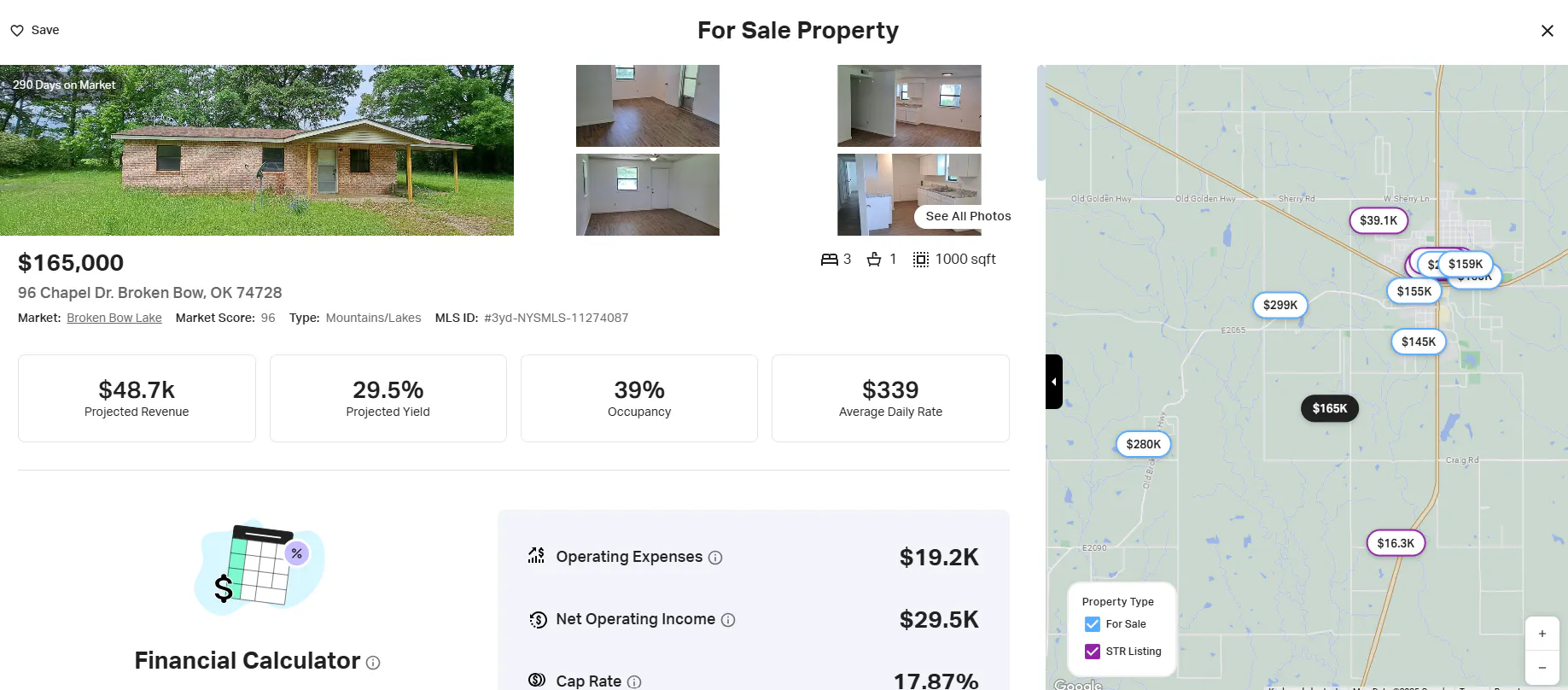
With an estimated annual revenue of $48.7K and an average daily rate of $339, it shows strong STR potential. The 29.5% projected yield means that, based on revenue and estimated expenses, the property could generate a return equivalent to nearly 30% of its purchase price in a single year—a strong indicator of profitability.
Finding high-potential properties like this is key to making BRRRR work. Inside AirDNA, you can browse properties for sale in your target market and see their real short-term rental earnings. If you already have a property in mind, use our Airbnb Calculator to estimate its potential income anywhere in the world before making a decision.
Managing an STR is more hands-on than a long-term rental, but automation tools and vacation rental software like Uplisting can handle pricing, guest communication, and turnovers, making it easier to scale. Plus, a well-managed, high-earning STR can improve your refinancing options, helping you pull out more equity for your next investment.
So automatic, you won’t know what to do with yourself
It’s simple to automate repetitive tasks with Uplisting's short-term rental software. You’ll save hours every week and eliminate human error. Go ahead — take some time off.
How to Find the Right Property to Use the BRRRR Method
The best BRRRR properties are undervalued homes that need mostly cosmetic updates—not major structural repairs. Look for properties that can be renovated for profit and easily rented out.
Where to find BRRRR deals
- Estate sales & foreclosures – Sellers often want a quick sale.
- Bank-owned & off-market properties – These homes may need updates but are often priced below market value.
- Vacant or absentee-owner properties – Homes sitting empty or in need of maintenance can be good opportunities.
Aim to buy 20-30% below market value and focus on upgrades that increase rental appeal—like modern kitchens, outdoor spaces, or extra bedrooms. Study the rental market to understand:
- Average rents & vacancy rates
- Tenant preferences & seasonal demand
- Time it takes to find tenants
What to watch out for
Before making an offer, inspect for potential deal-breakers like foundation issues, outdated electrical or plumbing, environmental hazards, or strict HOA rules. Always budget for unexpected costs to avoid financial surprises.
A good BRRRR deal isn’t only about finding a property on the cheap—it’s about finding a home where smart renovations create lasting value and attract quality tenants and guests.

What You Need to Know About Financing With the BRRR Method
Financing a BRRRR deal is different from buying a traditional home. Since most BRRRR properties need major renovations, they don’t qualify for conventional mortgages upfront. Instead, investors use short-term financing to purchase and rehab the property, then refinance into a long-term mortgage once the home’s value has increased.
How to finance the purchase and rehab
Most BRRRR investors rely on short-term loans to fund both the property purchase and renovations. Common options include:
- Hard money loans – Fast funding with high interest rates (8–15%), often covering both the purchase and rehab costs. These loans have short repayment terms (6–24 months), requiring a quick refinance.
- Private lending – Borrowing from individuals or investor groups. Terms vary, but these loans can be more flexible than bank financing.
- Portfolio or bridge loans – Offered by some banks specifically for investment properties. They can be a good alternative to hard money loans and often allow faster refinancing.
- Seller financing – In rare cases, the property owner provides financing directly, allowing the buyer to pay in installments instead of getting a bank loan.
These loans allow investors to secure distressed properties and cover renovation costs but must be refinanced into a long-term mortgage before they become too expensive to maintain. If you’re considering a short-term rental, STR-specific financing options may be a better fit—check out our guide to STR financing to explore options designed for vacation rental investors.
How refinancing works in BRRRR
Once the property rehabilitation is complete and you have a renter (or booming short-term rental business!), investors refinance into a long-term mortgage to replace the short-term loan and pull out equity for the next deal.
Steps in the refinancing process
- Property appraisal – Lenders assess the home's new value after renovations.
- Loan application – Investors apply for a cash-out refinance, replacing the short-term loan with a traditional mortgage.
- Approval process – Lenders evaluate financials, rental income, and property condition before issuing the loan.
Key factors lenders consider
- Loan-to-value (LTV) ratio – Most lenders allow borrowing up to 75–80% of the new appraised value. If your home is worth $200,000 after rehab, you could refinance for $150,000–$160,000, using the funds to pay off your original loan and reinvest.
- Debt-to-income (DTI) ratio – Measures your total debt compared to income. Lower DTI improves approval chances.
- Seasoning period – Some lenders require 6–12 months of ownership before refinancing, though investor-friendly banks may waive this rule.
- Interest rates – Your credit score, rental income, and lender choice affect the mortgage rate. Lower rates mean better cash flow.
Investors should keep detailed records of renovations, ensure rental income is well-documented, and work with lenders experienced in BRRRR investing.
By leveraging short-term loans to acquire and rehab properties, then transitioning into long-term financing, investors can free up capital, scale their real estate portfolio, and repeat the BRRRR cycle efficiently.
Investment Risks and Rewards of the BRRR Method
The BRRRR Method is a powerful strategy, but like any real estate investment, it comes with risks. First-time investors often underestimate renovation costs, assume they’ll qualify for a refinance, or overlook landlord responsibilities. Being aware of potential challenges can help prevent costly mistakes.
Pros
- Builds equity fast – By improving a distressed property, investors can force appreciation and quickly increase the home's value.
- Recycles capital – Instead of saving for a new down payment each time, investors can use refinanced equity to fund their next deal.
- Flexible rental options – BRRRR properties can generate income through either long-term tenants or vacation rentals, depending on market demand.
- Scalability – The ability to repeat the process allows investors to grow their real estate portfolio much faster than traditional investing.
Cons
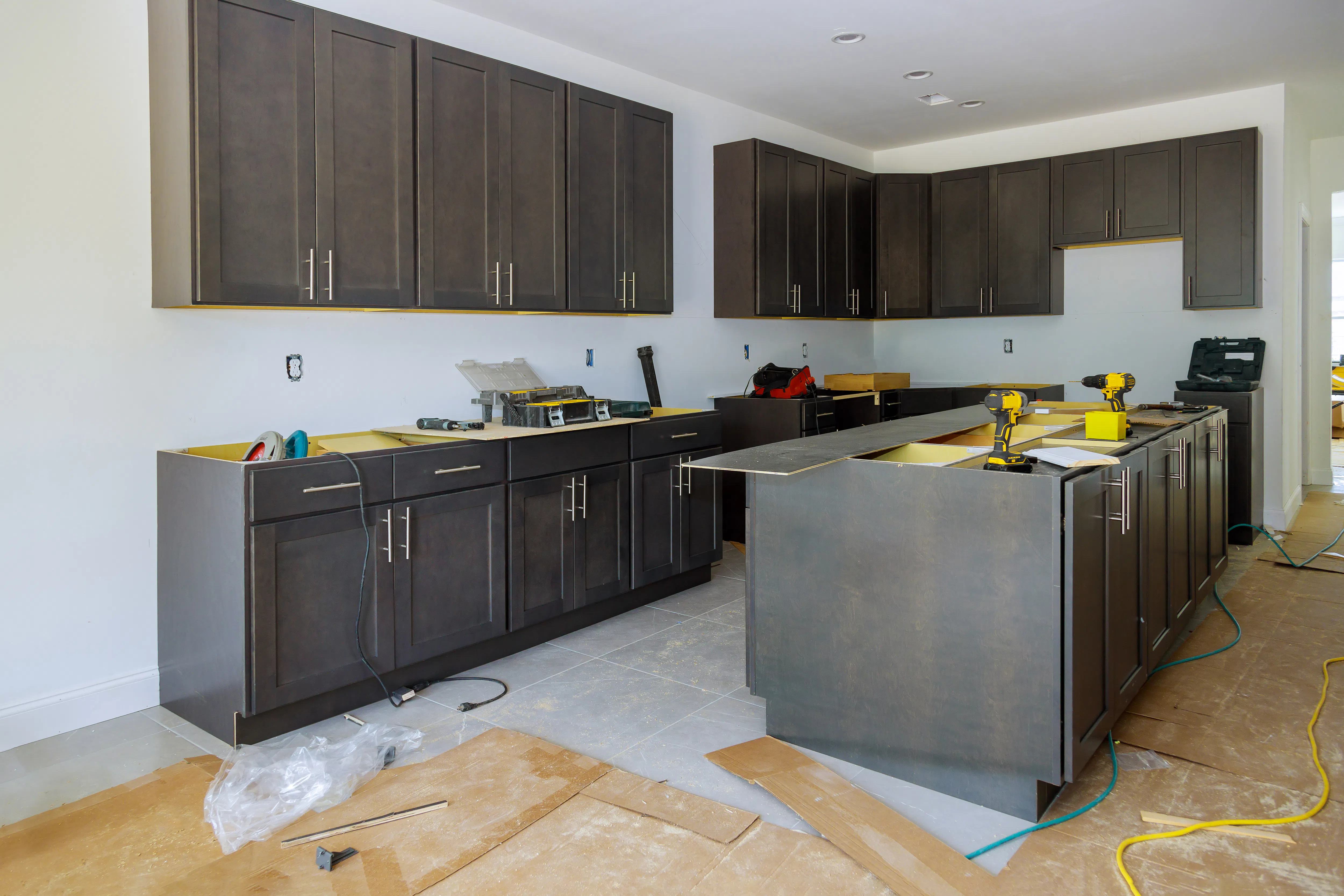
- Renovation costs can exceed expectations – Structural issues or hidden damage can blow the budget, reducing profits.
- Refinancing isn’t guaranteed – If the property doesn’t appraise high enough, pulling out equity becomes difficult.
- Market conditions can change – Rising interest rates or lower rental demand can impact refinancing options and rental income.
- Landlord responsibilities add work – Managing tenants, handling maintenance, and avoiding long vacancies require ongoing effort or professional help.
Being prepared for these challenges and having contingency plans in place will help ensure BRRRR remains an effective real estate strategy for building long-term wealth.
Research Airbnb Markets
Gain insights into the revenue and occupancy trends in your market.
How BRRRR Helps You Build Wealth Over Time
The real power of the BRRRR Method is that you can repeat it to keep growing your real estate portfolio. Each time you refinance, you pull out cash to invest in another property, helping you scale faster than traditional real estate investing.
By holding onto properties instead of selling, you also benefit from long-term appreciation—as home values rise over time and inflation chips away at your debt value, your wealth increases. Owning multiple rental units in different locations can reduce risk, ensuring steady income even if one area slows down.
A smart strategy balances different types of properties—some with stable, long-term tenants and others as short-term rentals for higher income potential. Over time, this approach can provide passive income and financial security, making real estate a key part of your retirement planning.
FAQs
How much money do I need upfront to start the BRRRR method?
You'll typically need 20-25% of the purchase price for a down payment, plus money for renovations and reserves. On a $200,000 property needing $40,000 in repairs, expect to have at least $80,000 available — $40,000 for the down payment and $40,000 for renovations. Most lenders also want to see six months of expenses in reserves. Set aside extra funds for unexpected issues during renovation and initial carrying costs.
Is the BRRRR method suitable for short-term rentals or Airbnb?
Yes, the BRRRR method works well for vacation rentals, and many investors find they earn more than with long-term tenants. You'll need additional upfront money for furnishings and amenities that attract guests. Use data from platforms like AirDNA to research potential revenue, seasonal patterns, and which features command premium rates in your area. Think of it as building a small hospitality business — you'll spend more time on guest communications, cleaning turnover, and quick maintenance, but the higher income can make the extra effort worthwhile.
What if the property doesn't appraise high enough to refinance?
If your appraisal comes in low, you have several options. You might wait longer to show stronger rental income history, make strategic improvements that boost value, or seek a second appraisal. Some investors choose to keep their current loan and save up for their next property. Consider finding lenders who specialize in rental properties — they often better understand how improvements and rental income affect property values.
How do I screen tenants for my newly rehabbed property?
For long-term rentals, screen tenants by verifying income (at least 3x rent), running credit and background checks, and contacting past landlords. Use a clear lease and follow fair housing laws to avoid issues. For short-term rentals, platforms like Airbnb and Vrbo handle guest screening with reviews, ID verification, and security deposits. Setting house rules and booking restrictions helps attract responsible guests. If you prefer a hands-off approach, a property manager can handle screening for you.
ARTICLE SUMMARY
Flipping meets long-term investing. The BRRRR Method turns fixer-uppers into income-generating properties, letting investors pull out cash to reinvest—whether in long-term rentals or high-earning short-term stays like Airbnbs.
Jamie Lane
AirDNA Chief Economist
He is responsible for data analysis, thought leadership, and leveraging advanced analytical techniques to provide new insights into short-term rental market trends. Native to Atlanta and an Airbnb host himself, Jamie enjoys cycling, mountain biking, backpacking, running, and playing in a dart league in his free time.
