

 Calculate Revenue
 Research Markets
 Find For Sale Properties
 Compare My Listing
 STR Revenue Calculator
 Custom Comp Sets
 Submarket Insights
 Custom Search Filters
 Rate Recommendations
 Performance Benchmarking
 Competitor Comparison
 Owner Contact Details
 Property-level performance data
 Tourism Insights
 Real Estate Investment Analytics
 About Us
 Sales
Sales Support
 Press
PressBest Places to Invest in Airbnbs Near Wineries
Published: January 27, 2026

Jamie Lane
Key Takeaways
- The best places to invest in an Airbnb near wineries are where wine tourism adds to existing leisure demand without driving home prices too high.
- Winery markets tend to perform best when demand is diversified beyond peak tasting seasons and harvest weekends.
- AirDNA helps investors compare wine country vacation rentals using yield, pricing, and revenue potential rather than reputation alone.
Wineries can drive strong short-term rental demand, but they don’t automatically make homes in the surrounding areas a good investment.
In some markets, wineries act as a steady supplement to existing leisure demand. In others, they create concentrated booking spikes tied to harvest season, tasting weekends, or festivals. The difference for investors comes down to whether home prices, regulations, and competition still allow these differing demand patterns to translate into strong returns.
To identify the best places to invest in an Airbnb near wineries, we analyzed AirDNA data across wine-focused markets to identify locations where wine tourism strengthens demand without pushing acquisition costs too far out of balance.
Why Winery Demand Is a Powerful STR Investment Driver
Winery-driven travel doesn’t usually exist in a vacuum. In the strongest markets, it layers on top of an already healthy leisure base, adding depth to demand rather than replacing it. That’s what makes it compelling for short-term rental investors.
Wine tourism tends to be intentional
Visitors often plan trips around tastings, vineyard tours, or seasonal events, which leads to fewer last-minute bookings and more predictable travel windows. While that doesn’t eliminate seasonality, it can improve booking visibility and help hosts price more confidently during peak periods.
Stays skew toward groups and longer weekends
Wine trips are frequently social. Think friends or small groups traveling together. That favors whole-home rentals with multiple bedrooms and shared spaces, and supports longer average stays compared to one-night stopovers.
Spending power is typically higher
Guests who travel to wine regions tend to allocate more budget to experiences, accommodations, and dining. In markets where supply hasn’t fully caught up, that can translate into stronger nightly rates and better performance for properties with the right combination of size and amenities.

Our Methodology for Ranking Wine Country Vacation Rental Markets
To identify the best wine country markets for short-term rental investments, we focused on how well winery-driven demand translates into performance at today’s price points—not just where wine tourism is best known.
Using AirDNA data, we analyzed U.S. markets with a meaningful concentration of wineries and wine tourism activity. We then evaluated currently for-sale properties in those markets, comparing their average revenue potential against purchase price to assess yield.
In simple terms: We looked at how much income a property might generate relative to what it costs to buy.
Rather than ranking markets by total revenue or peak nightly rates, we prioritized yield. This surfaced places where wine tourism strengthens demand without fully pricing out investors and driving down returns.
Note: Average home prices, revenue potential, and yield for each market is based on currently for-sale properties, which change day to day. The figures in this report are based on data from December 2025 but will fluctuate as the real estate landscape evolves.
Best Places to Invest in an Airbnb Near a Winery
The markets that made it onto our list stood out for how effectively wine tourism supports short-term rental performance. These locations generally have attainable home prices and strong revenue potential.
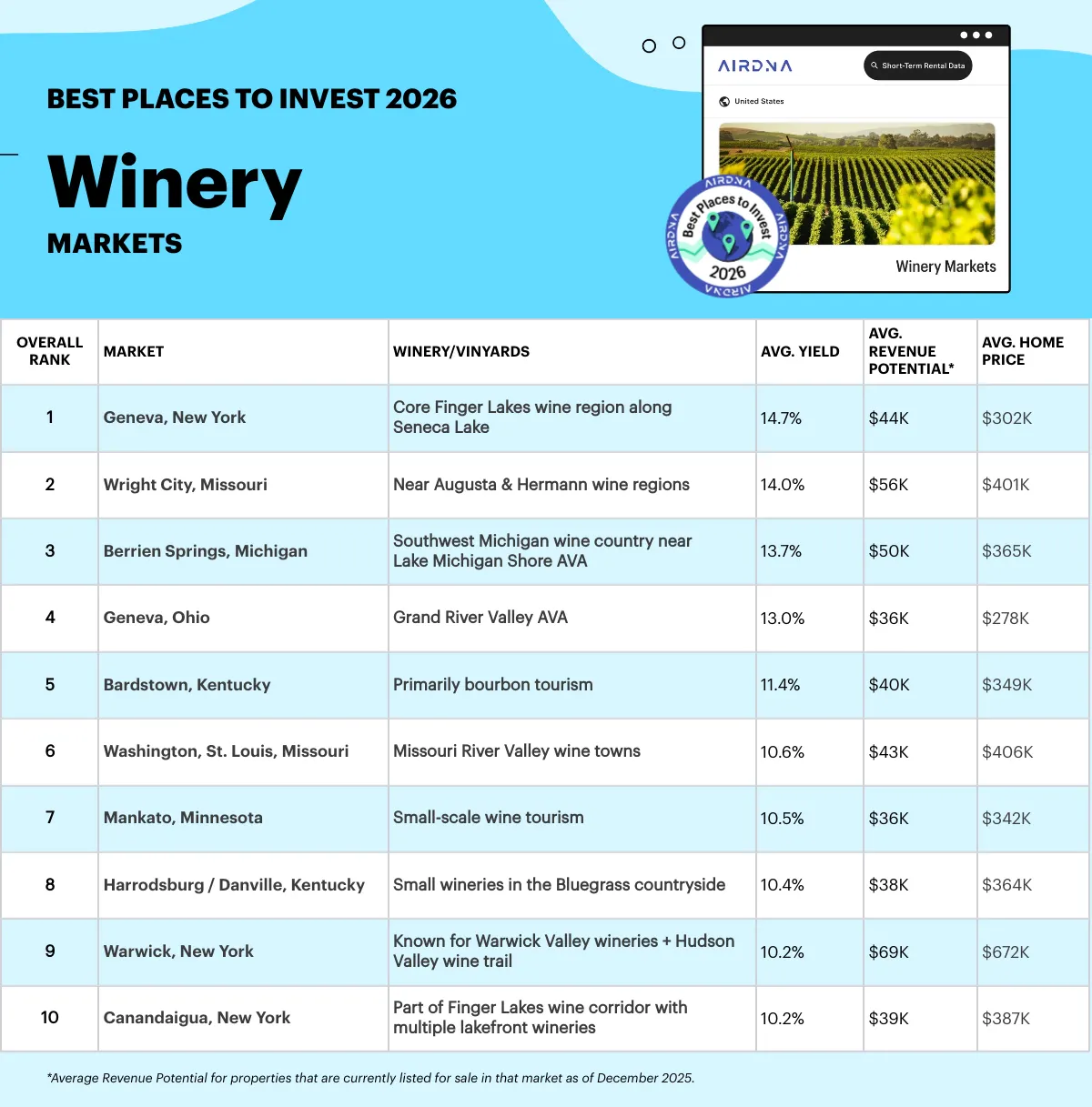
Of course, keep in mind that performance can vary widely by property type, location within a market, and available amenities. The data below reflects properties that were for sale as of December 2025. Since inventory and pricing change over time, investors should evaluate yield and revenue potential at the individual property level before making any decisions.
1. Geneva, New York
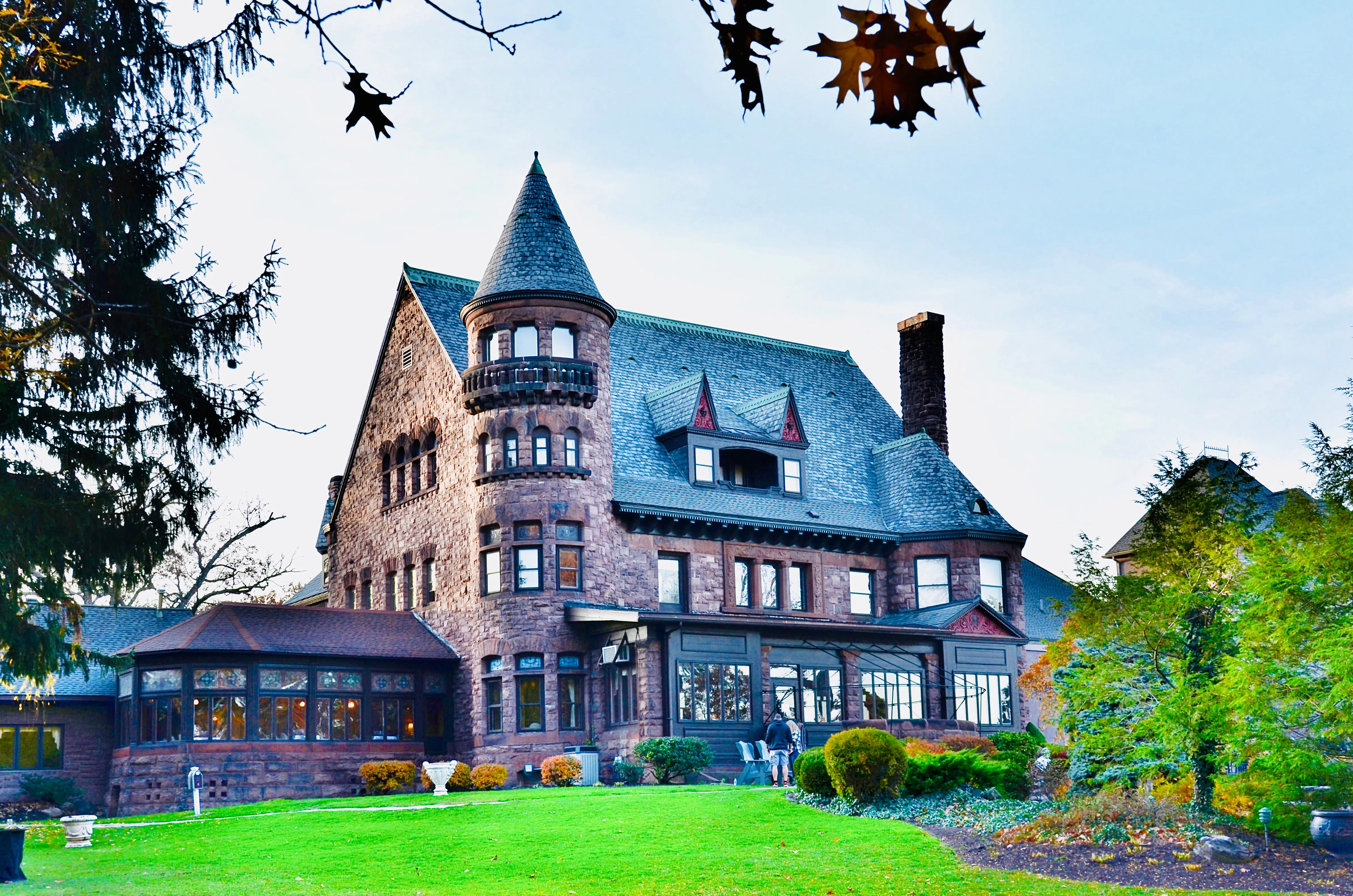

Geneva, New York sits at the north end of Seneca Lake, one of the Finger Lakes’ most iconic vacation corridors. Demand is fueled by lakefront scenery, wine-country weekends, festivals, and college-related travel. Nearby wineries include Ventosa Vineyards, Belhurst Castle and Winery, Three Brothers Wineries and Estates, and more.
The numbers point to how investor-friendly Geneva is: The average home price is just over $300K, leaving room in the budget for furnishings and upgrades that can make you stand out in a competitive wine-country market. Average revenue potential is $44,312, supported by strong leisure demand for the lakes and wineries. That supports an average yield of 14.7%, a compelling signal that strong nightly rates ($340+, on average) can support strong annual revenue, even with seasonality.
Regulations:
Geneva’s STR regulatory environment is structured but navigable. The City of Geneva adopted STR regulations in 2024 and maintains a local ordinance/permit framework. Meanwhile, the Town of Geneva also maintains STR permit rules (including a permit term/renewal structure).
Bottom line: Investors should plan for permitting and compliance, but the fact that the city has a defined process is generally more favorable than an uncertain or constantly changing environment.
2. Wright City, Missouri
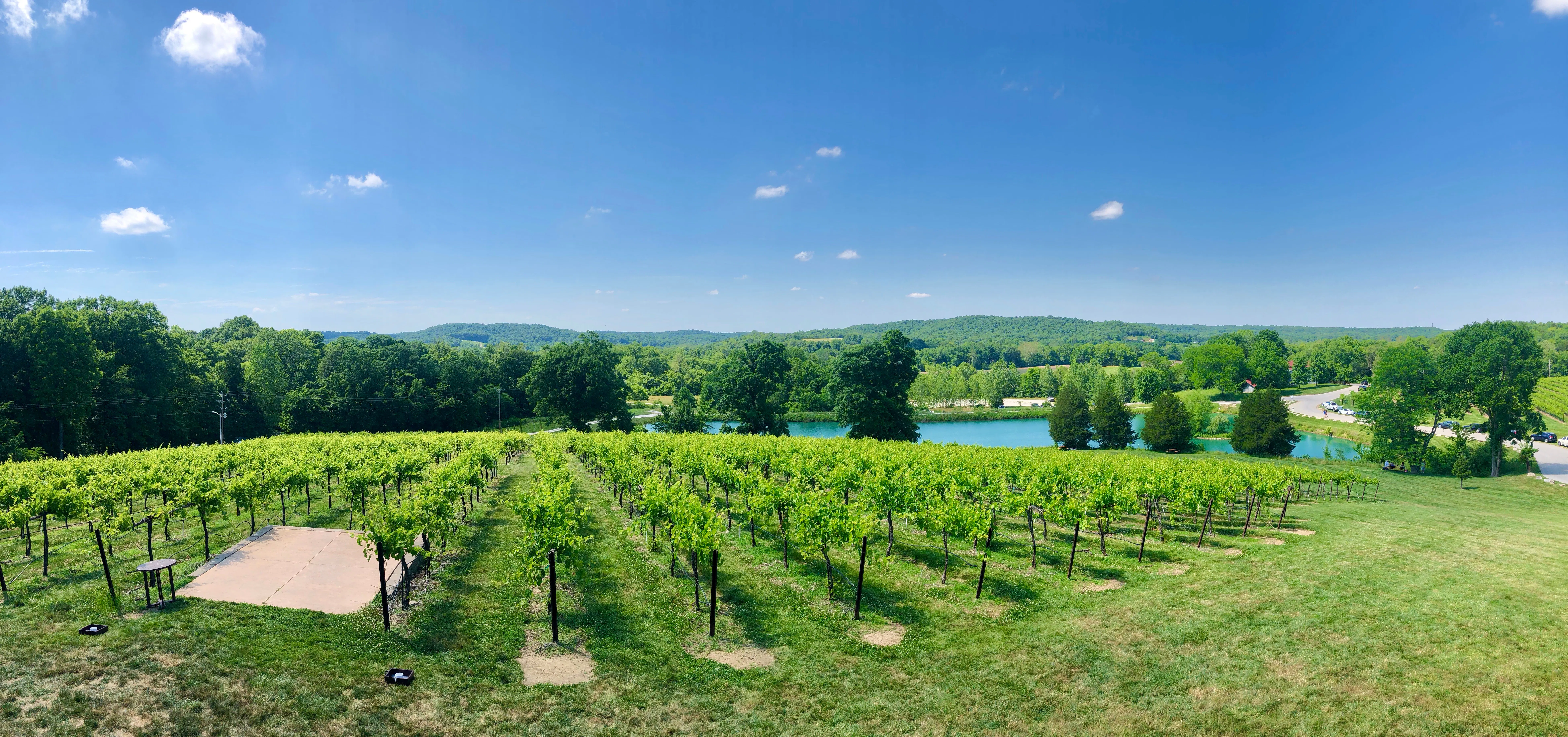

Wright City, Missouri delivers big-market cash-flow potential at a smaller-market buy-in. It’s a high-yield destination west of St. Louis with multiple, repeat-visit demand drivers, all without the big-city acquisition costs.
Wright City’s location supports regional travel that results in dependable weekend demand, seasonal surges, and strong cash-on-cash potential. Demand is anchored by experiences, including Cedar Lake Cellar, which drives wine-country and event traffic (tastings, live music, group outings) that reliably fills weekends and supports a $421 average daily rate (ADR). Other wineries in the Augusta & Hermann wine regions are within driving distance.
Meanwhile, family and couples’ travel is reinforced by draws like Big Joel’s Safari and Long Row Lavender; exactly the kind of “day-trip” demand that converts into overnight stays when guests want a full weekend.
The core economics are compelling. Average home price is a little on the higher end at $400K, but it's a reasonable entry cost for a market with almost $60k in average revenue potential. With an average yield of 14%, Wright City offers a strong gross return profile.
Regulations:
Wright City doesn’t make any short-term rental regulations publicly available online, but Missouri’s short-term rental rules are primarily local and city-driven, commonly involving permits/licenses and zoning compliance. If you’re considering investing here, be sure to contact the city directly for more information.
3. Berrien Springs, Michigan
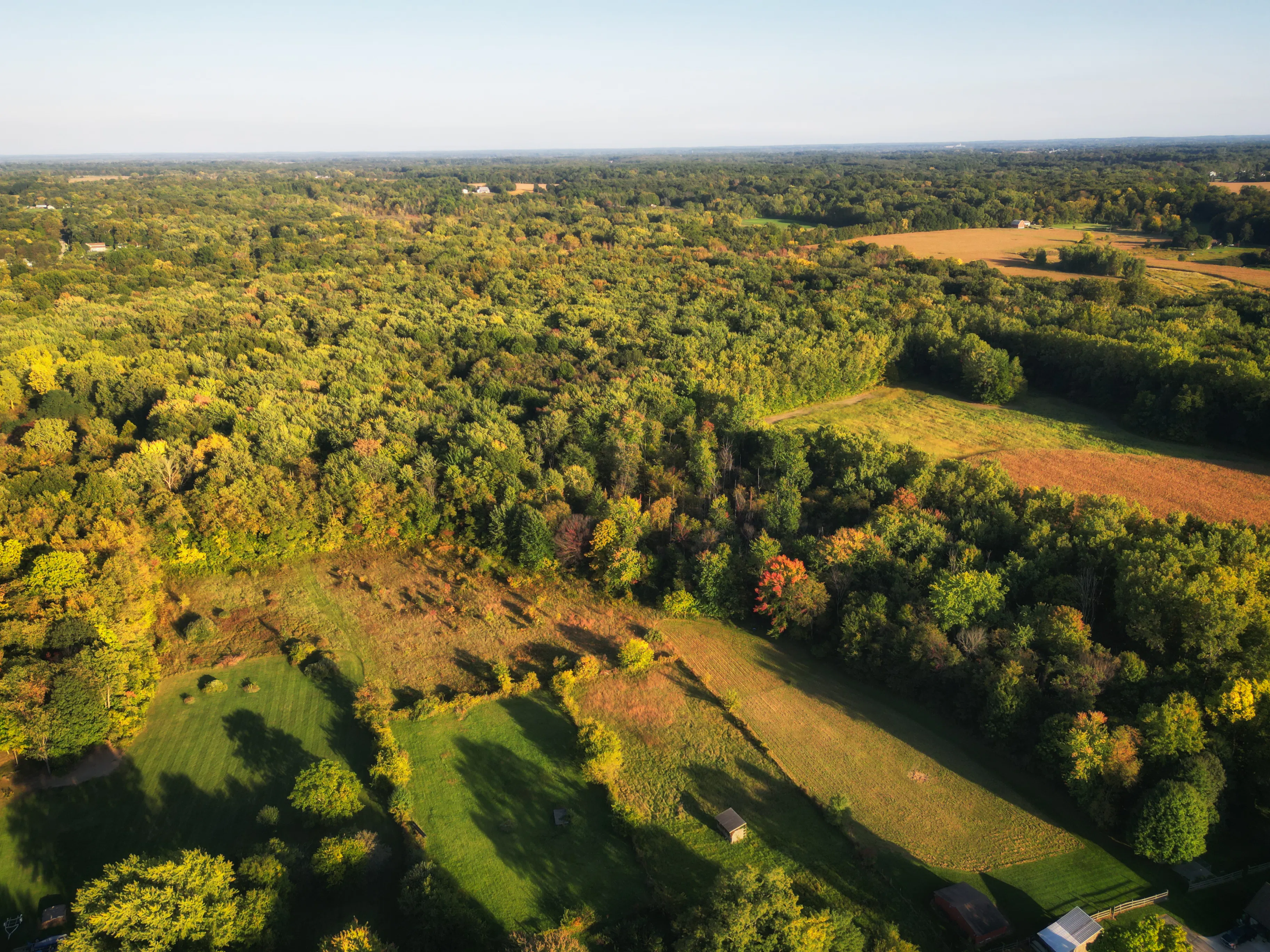

Berrien Springs sits just outside the busier lakefront towns, making it a quieter home base for guests who want space, a relaxed stay, and quick access to Southwest Michigan’s beaches, dunes, tasting rooms, and outdoor recreation. It delivers Lake Michigan demand without Lake Michigan pricing, creating a high-yield STR setup with solid revenue potential and a manageable entry cost.
Demand in Berrien Springs is diversified and doesn’t rely on a single attraction or season. Given that the town is just 12 miles from Lake Michigan’s beaches, it’s an easy launch point for lake days. Wine weekend traffic is supported by local tasting draws. There are at least 10 wineries just within a 15-minute drive of Berrien Springs. The broader Southwest Michigan leisure ecosystem (beaches, dunes, and lake towns) also helps Berrien Springs capture overflow demand when prime lakefront inventory is low.
Average home price in Berrien Springs is just over $364K, a reasonable entry point for a lake town. With an impressive average yield of 13.7%, Berrien Springs proves itself as a market that supports strong cash flow.
Regulations:
The Village of Berrien Springs’ Rental Safety Verification Program requires rentals to obtain a permit and undergo an inspection process. Permits are valid for two years when compliant. Overall, this market reads as operationally manageable for professional hosts who prioritize safety compliance and documentation.
4. Geneva, Ohio
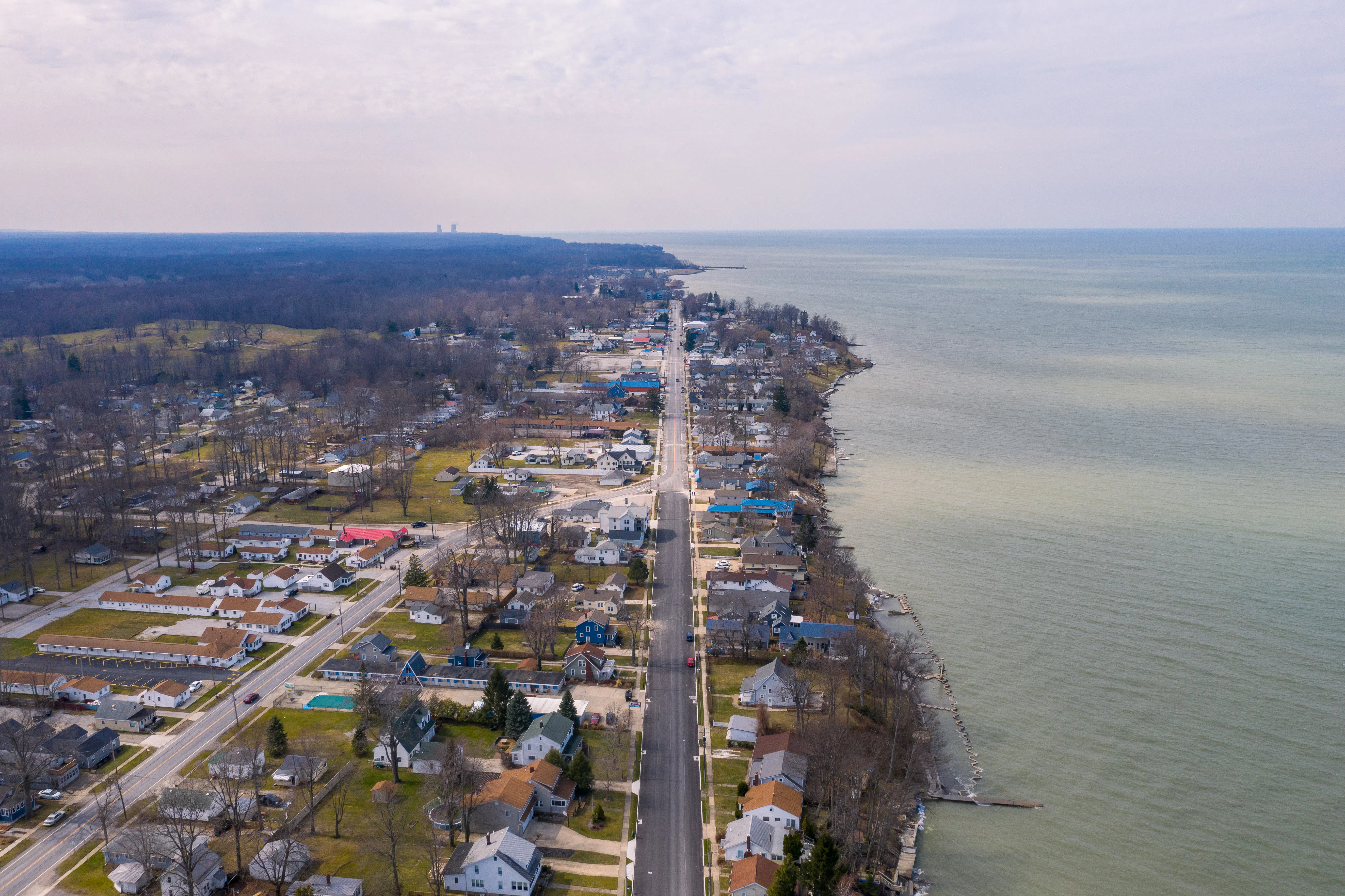

Geneva, Ohio delivers reliable leisure demand with double-digit cash-flow potential. It’s a true “weekend getaway” market anchored by Lake Erie and the classic vacation energy of nearby Geneva-on-the-Lake. It consistently attracts couples, families, and friend groups from Northeast Ohio and Western Pennsylvania for an easy, close-to-home escape.
Demand drivers are straightforward and durable. Geneva-on-the-Lake’s mile-long strip packs shops and restaurants into a walkable entertainment zone. The region’s winery scene supports higher ADRs for couples and small groups, with popular stops including M Cellars, Ferrante Winery & Ristorante, South River Vineyard, Hundley Cellars, and The Winery at Spring Hill.
The investment math in Geneva is compelling. The average home price is below $300K, which keeps entry costs and break-even occupancy manageable. Average revenue potential is $36,311 and average yield is 13%, indicating that you won’t have to depend on appreciation to make the deal work.
Regulations:
Geneva’s STR regulatory picture appears generally workable. The city requires hosts to register short-term rental properties within 30 days of purchase. Registering a rental requires completing an application and paying a $25 fee to the Zoning Department. The City inspects premises and, if approved, your registration is good for two years.
5. Bardstown, Kentucky


Bardstown, Kentucky punches above its weight as a tourism destination. With entry prices that haven’t run away yet, investors can tap into solid returns driven by visitors who come specifically to be there.
Home to several wineries, Bardstown is also a cornerstone stop on Kentucky bourbon itineraries, which pulls weekenders, couples, and groups who prioritize charm, walkability, and proximity to the distilleries. That mix typically supports lower but dependable average occupancy (48%) and high peak-season ADRs that near $300 on average during peak summer and fall months. The guest funnel isn’t fueled solely by bourbon and wine,though. Walking food tours, hands-on activities like candle making, and leisure options like golf diversifies the booking pool.
Market metrics reinforce the opportunity: Average home price is just shy of $350K, so acquisition costs are approachable. Average revenue potential is nearly $40K, which is strong returns for a smaller city. Average yield is 11.4%, signaling healthy income relative to purchase price.
Regulations:
Bardstown allows short-term rentals but the environment appears uncertain and potentially more restrictive than many small leisure markets. New STRs in certain zoning districts may require a Conditional Use Permit (CUP), and local reporting from 2024 indicates the city considered a temporary moratorium on new CUPs for STRs within city limits—an important risk factor for investors evaluating new acquisitions.
How to Find the Best Markets to Invest In
One advantage of investing around specific demand drivers—like wineries—is flexibility. You’re not limited to a single destination or region. Instead, you can compare multiple markets where wine tourism plays a role and evaluate which ones best fit your budget, risk tolerance, and performance goals.
With AirDNA, you can explore markets near specific demand drivers through a data-first lens, focusing on how pricing, revenue potential, and yield compare across regions rather than relying on destination popularity alone.
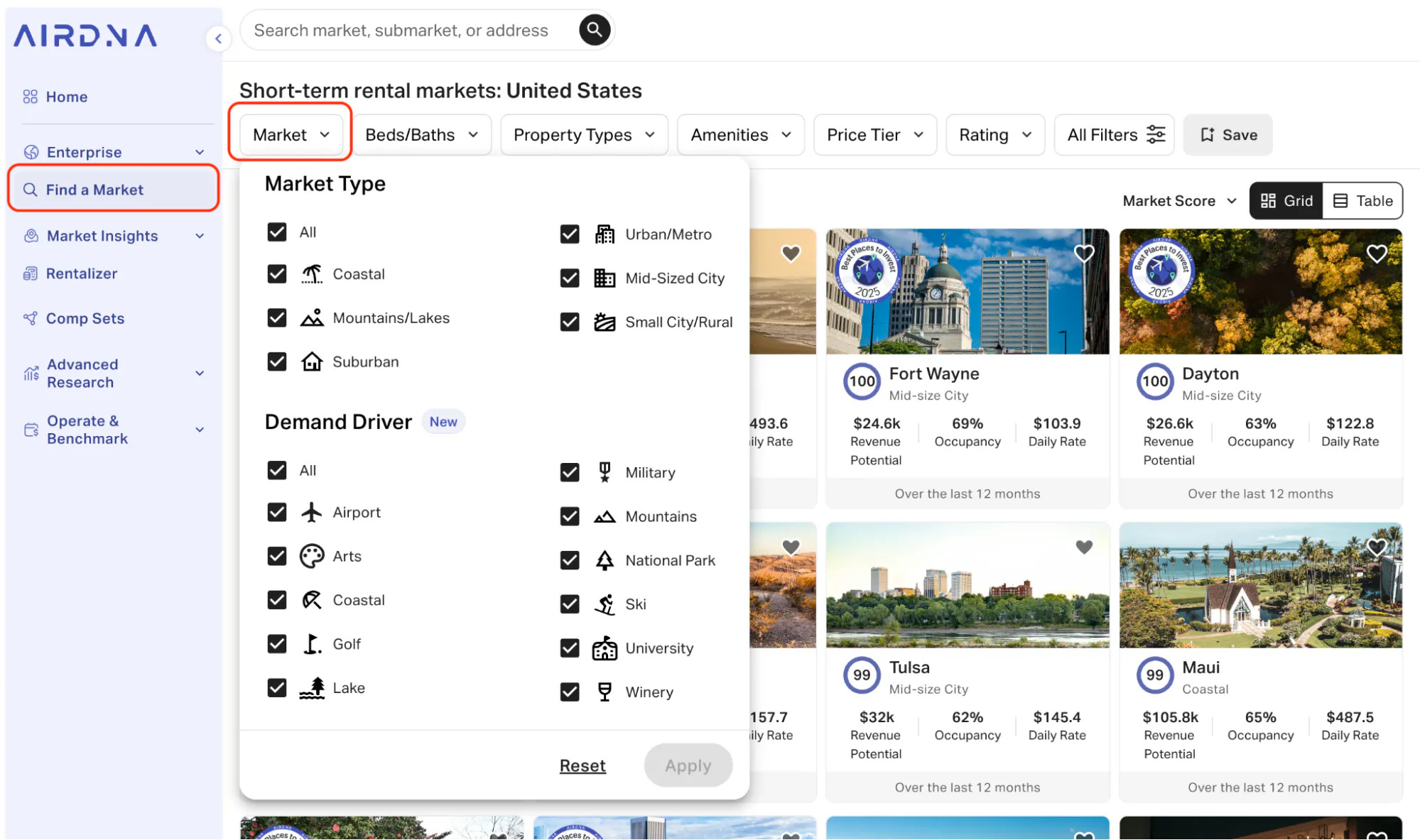
Use demand driver market filters
Different markets can produce very different booking patterns based on their guest demographic, even when they appear similar on the surface. Using AirDNA’s demand driver filters, you can compare locations with shared tourism appeal based on revenue potential, supply levels, and historical performance before narrowing in on individual listings.
This makes it easier to:
- Identify markets where specific demand drivers play a meaningful role
- Look beyond the destinations that are most well-known for a type of tourism to uncover more balanced investment opportunities
From the Find a Market tab in AirDNA, click the Market filter to choose which demand drivers you want to hone in on.
Filter by budget and yield
After you’ve identified markets driven by a specific attraction, search through for-sale properties in those markets.
To narrow down your options, use these filters:
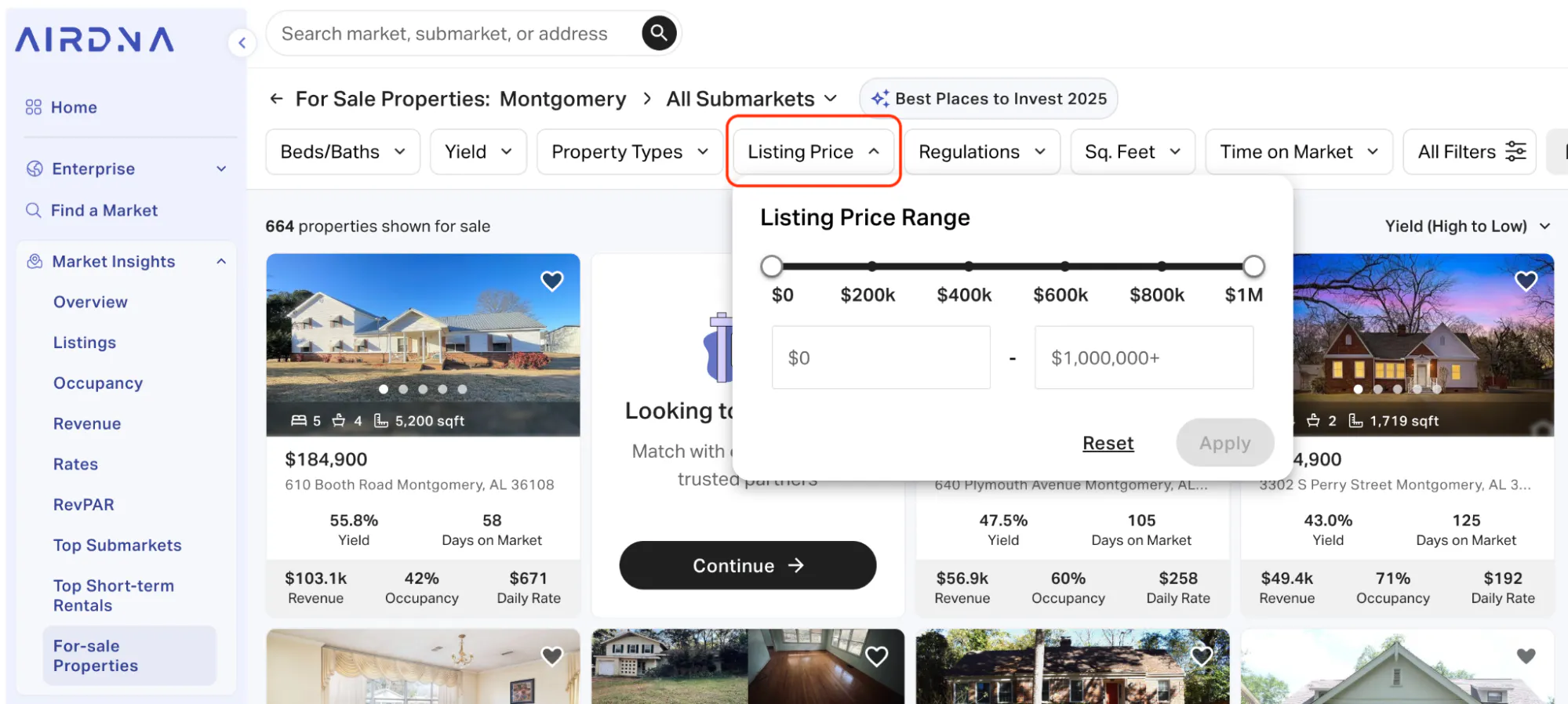
Price range filter
Use the listing price filter to only view for-sale properties within your budget. You can set upper and/or lower limits. Find this filter in the For-sale properties tab.
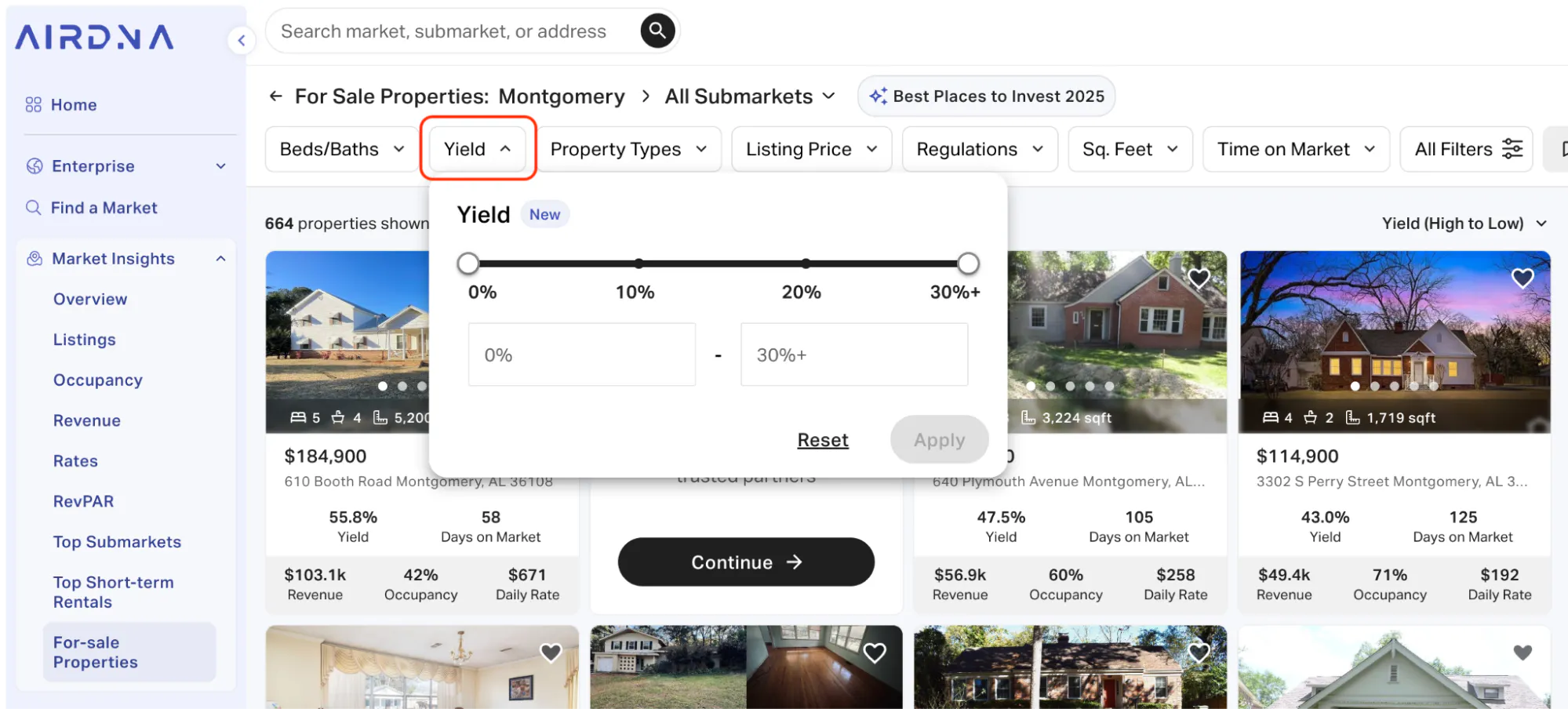
Yield filter
Use the yield filter to highlight properties that meet your desired yield. Setting a minimum will filter out any properties that likely won’t provide the yield you’re seeking. Find this filter in the For-sale properties tab.
FAQs
Where can I find wine country real estate to invest in?
There are wine country real estate opportunities across a range of regions, from well-known destinations to smaller, adjacent markets that still benefit from wine tourism. Using AirDNA, investors can explore markets near established wine regions and compare for-sale properties based on price, revenue potential, yield, and competition. This makes it easier to identify where winery-driven demand still supports short-term rental investing today.
Are Airbnbs near wineries good investments?
They can be, but performance varies widely by market. Wineries can enhance short-term rental demand by supporting weekend travel, group stays, and seasonal events, but strong returns depend on whether home prices, competition, and regulations still allow that demand to translate into good returns.
Do short-term rental markets near wineries perform well year-round?
Some do, but many see demand cluster around peak tasting seasons, harvest periods, or major wine events. The strongest winery-adjacent markets are those where wine tourism layers on top of other demand drivers—like dining, outdoor recreation, or nearby cities—to support bookings outside peak periods.
How close does an Airbnb need to be to wineries to benefit?
Proximity matters. Properties that are a short drive from multiple wineries or located within established wine regions tend to perform better than homes that are technically “near wine country” but far from tasting rooms or event hubs. Guests tend to prioritize convenience when planning winery-focused trips, especially if they plan on hiring private transportation or using public transit to avoid driving.
Do winery markets support higher nightly rates?
In many cases, yes. This is in part due to higher expendable income among a guest demographic that expects and budgets for wine tastings and bottle purchases. Peak seasons, festivals, and harvest weekends can also command higher nightly rates. However, higher ADRs are often concentrated in specific windows, so investors should evaluate how often premium pricing is achievable rather than assuming elevated rates year-round.
Are winery markets more competitive for short-term rental investments?
Popular wine regions can attract a high concentration of short-term rentals, particularly in well-known destinations. That makes it important to look at supply growth and competition levels, not just demand. In some secondary or adjacent wine markets, competition may be lower while demand remains meaningful.
ARTICLE SUMMARY
Wineries can enhance short-term rental demand, but strong returns depend on whether home prices, competition, and regulations stay in balance. This guide breaks down the best places to invest in Airbnbs near wineries by analyzing how wine tourism translates into real yield and income potential.
Jamie Lane
AirDNA Chief Economist
He is responsible for data analysis, thought leadership, and leveraging advanced analytical techniques to provide new insights into short-term rental market trends. Native to Atlanta and an Airbnb host himself, Jamie enjoys cycling, mountain biking, backpacking, running, and playing in a dart league in his free time.
