Airbnb Accessibility Strategies for Hosts
Published: February 18, 2025
Last updated: February 21, 2025

Scott Sage
Key Takeaways
- Accessible Airbnbs attract an underserved market of travelers.
- Detailed accessibility descriptions and verified features in your listing help you stand out in Airbnb search results.
- Many high-impact accessibility improvements can be completed in a weekend for under $300, with no major renovation required.
While most hosts focus on trendy amenities like outdoor kitchens and smart home features, savvy property owners are tapping into a remarkably underserved market: Accessible travel. Airbnb accessibility opens doors to a loyal guest base seeking comfortable, thoughtfully designed spaces.
The growing demand for accessible accommodations presents a unique opportunity in the short-term rental market. Properties with verified accessibility features stand out from the crowd, attracting guests who often book longer stays and return regularly.
By understanding and implementing proper Airbnb accessibility measures, hosts can transform their properties into highly sought-after destinations while making travel possible for more people.
Airbnb’s Accessibility Policies, Features, and Initiatives
Airbnb has revolutionized its platform to make travel more inclusive through several key initiatives. Let's dive into the features and tools that make this possible:
Airbnb accessibility review
Airbnb’s accessibility review is a standardized process to validate a property's accessibility features. Hosts begin by documenting specific measurements and details about their property's accessible features, including photos and exact dimensions. Airbnb then reviews this documentation to verify each claimed feature meets its established standards. Only after passing this verification can hosts display these features as officially confirmed on their listing.
Verified properties earn the right to showcase their accessible features prominently in their listings. This systematic approach to verification has proven effective at reducing cancellations, as guests can confidently book knowing each accessibility feature has been properly vetted.
The Adapted category and enhanced search filters
Airbnb's ‘Adapted’ category serves as a spotlight for properties with verified accessibility features. This specialized collection makes it easier for guests to find suitable accommodations while enhancing visibility for hosts who have invested in accessibility modifications.
The platform's enhanced search filters take this a step further, allowing guests to search for specific accessibility features of stays like roll-in showers or visual alarms. This granular search capability helps match guests with properties that truly meet their needs.
1:1 messaging with hosts
Clear communication can make or break a booking decision. Airbnb provides 1:1 messaging between hosts and guests, facilitating direct conversations about specific accessibility needs before booking. This personal touch allows hosts to provide detailed information about their property's features and address any concerns proactively.
Accessibility on other STR platforms
While Airbnb leads in many accessibility features, you can maximize your reach by understanding how other platforms approach accessible lodging options. Each platform offers unique tools and filters that help guests find suitable accommodations.
Vrbo emphasizes physical accessibility in their listing process. Hosts can specify features like wheelchair accessibility, elevator access, and step-free entries. However, unlike Airbnb's verification system, Vrbo relies primarily on host-reported features.
Booking.com also helps travelers find barrier-free vacation rentals. Their accessibility filters focus on specific room features and building characteristics. The platform divides accessibility features into categories like "Bathroom," "Bedroom," and "Common Areas," making it easier for guests to find properties that meet their particular needs.
How to Make Your Airbnb Listing More Accessible
Before you make any physical modifications to your property, the first step to improve Airbnb accessibility is updating your digital listing. Your property might already have accessible features, such as step-free access and wide doorways, but if your listing doesn't showcase it properly, potential guests will scroll right past.
Here's how to make your property stand out to guests seeking accessible accommodations:
Complete the accessibility review
Modern travelers expect specifics about accessibility features. Airbnb's accessibility review process helps you meet these expectations head-on. Grab your measuring tape and camera—documenting precise doorway widths, ramp slopes, and bathroom layouts transforms general claims into verified features that guests can trust.
Craft descriptions that convert
Replace generic accessibility mentions in your listing description with vivid, specific details. Instead of "accessible bathroom," try "Primary bathroom features a zero-threshold shower entrance (36" width) with a built-in teak bench and adjustable handheld showerhead." These concrete details help guests visualize themselves using your space comfortably.
Turn inquiries into bookings
Airbnb’s 1:1 messaging with hosts feature is a great way to build guest confidence. When potential guests reach out about specific needs, your quick, detailed responses demonstrate your commitment to accessibility. Create a reference sheet of your property's exact measurements and features to quickly provide accurate answers that convert inquiries into reservations.
Adhere to Web Content Accessibility Guidelines
A truly accessible listing needs to work seamlessly with screen readers, keyboard navigation, and other assistive technologies. Airbnb follows strict digital accessibility standards according to the Web Content Accessibility Guidelines (WCAG), ensuring online content is perceivable, operable, and understandable for all users.
Adhering to WCAG in your Airbnb listing means:
- Using clear headings and sections to organize information
- Writing descriptive alt text for all images
- Maintaining sufficient color contrast in your listing's text and images
- Creating logical reading order for screen readers
- Avoiding time-sensitive content that might rush guests
For example, when adding photos to your listing, include detailed alt text that describes key accessibility features. Rather than a basic caption like "bathroom photo," write "Spacious primary bathroom featuring roll-under sink and wall-mounted grab bars beside toilet, with 36-inch doorway clearance."
Structure your listing's text with clear headers and sections. Start with crucial accessibility information at the top, then organize remaining details in a logical flow. This hierarchy helps guests using screen readers quickly find the information they need.
Many hosts use automated testing tools to check their listing descriptions and image alt-text for accessibility issues. These tools can help identify potential barriers for guests using screen readers or other adaptive technologies.
Pro tip: Test your listing's descriptions by reading them aloud. If you can visualize the space based solely on your written description, you're on the right track to creating an accessible digital presence. Better yet, ask someone unfamiliar with your property to read your description and explain what they envision—this feedback can highlight gaps in your accessibility information.
Adopt a pet-friendly policy
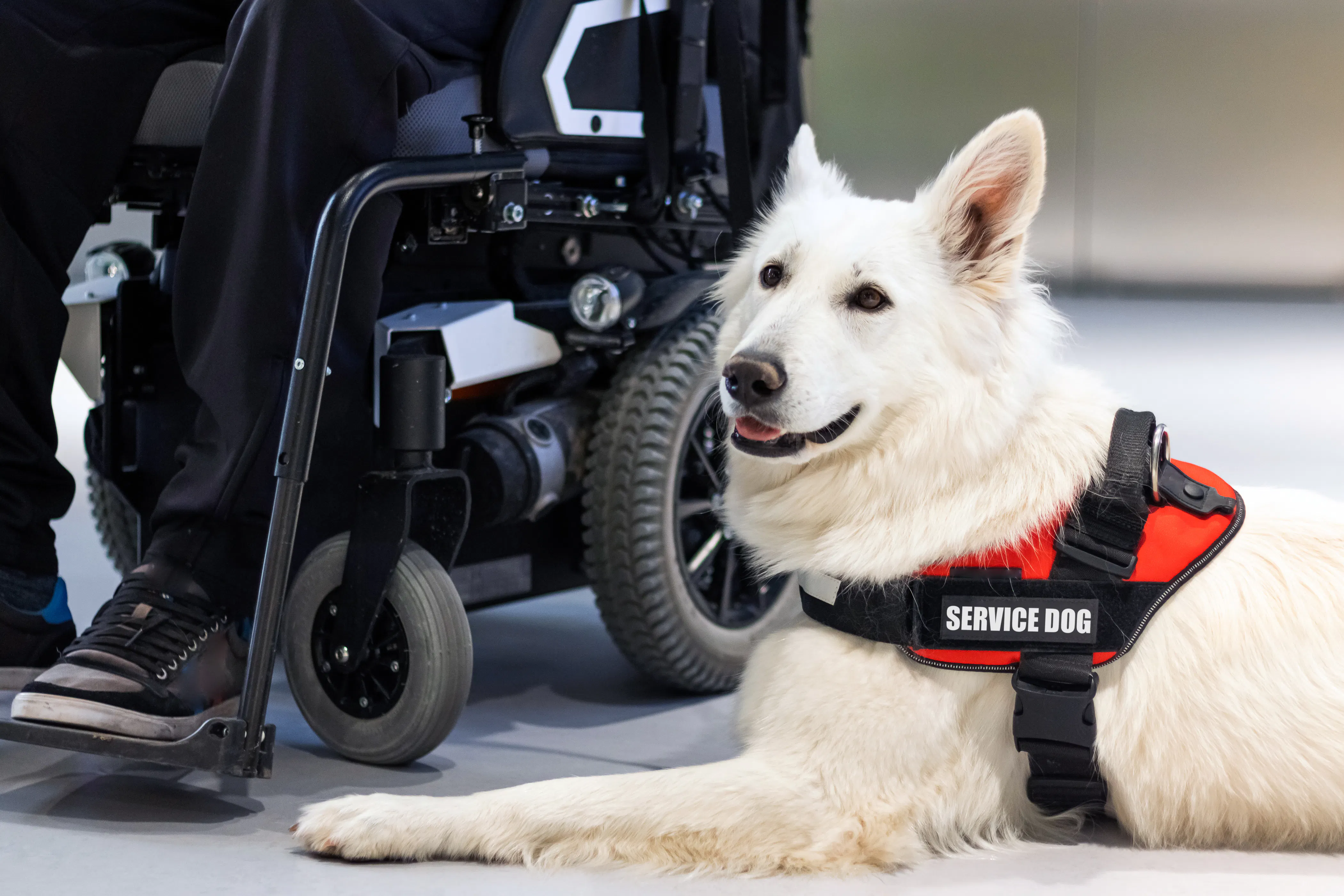
Airbnb requires all hosts to welcome certified service animals. This isn't optional, even if your listing has a no-pets policy. These animals are trained to perform specific tasks and are protected under accessibility laws.
Consider extending your welcome to emotional support animals by adopting a pet-friendly policy. This approach creates clear, consistent guidelines for all animal visitors while opening your doors to more guests.
Upgrades to Improve Airbnb Accessibility at Your Property
Converting your property into an accessible space requires thoughtful planning and strategic investments. The following sections outline various improvements, from quick wins to major renovations, helping you create a more inclusive environment for all guests.
Budget-friendly accessibility enhancements
Some hosts balk at the idea of accessibility upgrades, imagining costly renovations and complex installations. But some of the most impactful home improvement projects can be completed in a weekend with minimal investment. The key is understanding which modifications deliver the highest value for your property.
Start with these quick wins:
- Portable threshold ramps ($100-300): Create step-free paths options for door thresholds and single steps. Look for adjustable heights and non-slip surfaces.
- Door hardware upgrades: Swap standard knobs for lever handles ($15-30) and add offset hinges ($20-25) to gain extra clearance without widening doorways.
- Quick-release bathroom hinges ($40-50): Make doors temporarily removable when guests need extra space.
Accessible lighting is another budget-friendly improvement. Light automation doesn't have to mean a full smart home system. Strategically placing plug-in motion sensors ($15-25 each) can illuminate critical paths. Focus your lighting upgrades on:
- Bathroom approaches
- Hallways and corridors
- Outdoor walkways and entrances
- Kitchen work areas
Structural modifications for long-term accessibility
Larger-scale accessibility upgrades require careful planning, but they can transform an average property into a highly sought-after accessible haven. Here's what to prioritize:
Bathroom modifications are a good option to deliver high returns. A zero-threshold shower conversion typically costs $2,500-4,000 but may help you command higher nightly rates. Essential shower features include:
- Adjustable-height shower head with handheld option
- Fold-down teak bench (more luxurious than plastic)
- Strategically placed grab bars
- Non-slip flooring with proper drainage
Doorway widening costs vary dramatically based on wall type and electrical placement. Instead of tackling every door, analyze guest movement patterns. Focus first on:
- Primary bathroom entrance
- Main bedroom door
- Property entrance
- Kitchen access point
Pro tip: Converting a standard 32" bathroom door to a 36" pocket door ($800-1,200) saves space while improving accessibility.
How to balance Airbnb accessibility & marketability
The secret to profitable accessibility upgrades? Understanding your market positioning. Properties with comprehensive accessibility features often command premium rates due to limited competition in the accessible accommodation space.
Start by surveying your competition. Search your local market using Airbnb's accessibility filters to understand what other hosts offer. You'll likely notice that most properties only provide basic modifications, creating an opportunity to differentiate your listing with superior accessibility features.
Track these key metrics after each upgrade:
- Average daily rate compared to similar properties
- Occupancy rates, especially during off-season
- Length of stay patterns
- Guest demographics and booking patterns
- Repeat booking rates

Why Airbnb Accessibility Matters for Your Short-Term Rental Business
Providing inclusive lodging is the right thing to do, but it’s also a strategic business decision that can expand your market reach and boost your property's performance.
Think of accessibility as a unique value proposition. While many hosts focus on trendy amenities or aesthetic upgrades, accessible features solve real challenges for travelers. When a guest finds a property that truly meets their accessibility needs, they're more likely to:
- Book longer stays because they've found a reliable option
- Return for future trips since they know your space works for them
- Recommend your property to others in the accessible travel community
- Book during off-peak seasons
Accessibility features also appeal to an often-overlooked demographic: Aging travelers. These guests might not specifically search for accessible properties but will likely be willing to pay more for features like grab bars, good lighting, and step-free paths. By marketing these elements as comfort and safety features, you can attract both guests who require accessibility and those who simply prefer it.
Consider the ripple effect of accessible travel. Guests with accessibility needs often travel with family or friends. By making your property accessible, you're able to welcome entire travel groups who make decisions based on accessibility.
Remember: Accessible properties stand out in search results. When guests filter for specific accessibility features, you're competing with a smaller pool of properties. This added visibility can help your listing capture attention in a crowded market.
FAQs
How do I verify my listing’s accessibility features?
Once your listing is published, you can edit it room by room to highlight accessibility features. Any listed accessible features must have at least one clear photo associated with them. Submit these changes and Airbnb will review them. Keep in mind that some hosts have reported it taking weeks or months for Airbnb to review and approve their listings’ accessibility features.
What if a guest needs a specific feature I don’t currently offer?
Respond promptly and explore solutions together. For example:
- Keep a list of local medical equipment rental companies that can deliver items like shower chairs or toilet risers
- Consider purchasing portable solutions you can store for future guests (threshold ramps, removable grab bars)
- Document temporary modifications that have worked for past guests
- Be upfront about limitations—guests appreciate honest communication about what you can and cannot accommodate
Are there extra fees for listing under the Adapted category?
No, Airbnb doesn't charge additional fees to list your property under the Adapted category. However, maintaining your verified status requires keeping your listing up to date and ensuring all stated accommodations are available and functional.
Do accessibility features guarantee higher rental income?
No investment in your property comes with guaranteed returns, including accessibility features. The best approach is to:
- Research your local market's accessible accommodation options
- Track your metrics before and after adding accessibility features
- Gather feedback from guests about which features provide the most value
- Consider accessibility as part of your overall property improvement strategy, not a standalone solution for increasing income
Focus first on creating genuine value for guests who need these features. Their positive experiences and reviews will help demonstrate your property's worth in the market.
ARTICLE SUMMARY
Learn how to make your Airbnb more accessible through physical upgrades, improvements to your digital listing, and Airbnb's accessibility verification. This guide helps hosts create more inclusive vacation rentals.
Scott Sage
Senior Vice President, Marketing & Customer Experience
Scott is an Airbnb Superhost and industry pro, having founded Home Base BnBs—a short term rental management company that scaled to 200+ units. Scott combines his experience and passion for hosting to empower AirDNA customers' success. When he's not thinking about STRs, he is hiking, playing basketball, or playing pickleball.