What's Considered a Short-Term Rental? Definition & Examples
Published: November 29, 2024
Last updated: September 25, 2026

Bram Gallagher
Key Takeaways:
- Short-term rentals are properties typically rented for less than 30 days.
- It’s important for compliance to understand how your jurisdiction defines a short-term rental.
- Success as an STR host requires tracking key performance metrics like occupancy, ADR, and RevPAR.
Short-term rentals (STR) are everywhere, but the term itself can feel oddly elusive. It’s like when everyone around you is confidently throwing out tech acronyms, and you’re just nodding along, hoping no one asks you to define them. If you’re still fuzzy on what exactly counts as a short-term rental, don’t sweat it—you’re far from alone. Despite the Airbnb boom, a lot of us could use a primer.
Short-term rentals can be defined in different ways depending on your jurisdiction, and the way your town, city, or county defines an STR will impact the taxes you owe, the permits or licenses you’ll need, and the rules you’ll have to follow to stay compliant as a host.
Here’s the good news: despite variable definitions, the short-term rental world is diverse, dynamic, and full of opportunities.
Whether you’re an investor or a curious first-time host, this guide is here to clarify the basics. We break down definitions, examples, and key insights to help you navigate the STR market with confidence. Stick around—we’ll make you an STR whiz in no time.

What Is Considered a Short-Term Rental?
The meaning of a short-term rental (STR) is a property rented out for stays of less than 30 days. Unlike long-term leases, which can span months or years, STRs cater to travelers looking for flexible and temporary accommodation options.
Short-term rentals have become all the rage in recent years thanks to platforms like Airbnb and Vrbo, which make it easy for property owners to connect with guests worldwide. They’ve become a favorite choice for vacationers, business travelers, and remote workers alike, offering unique and personalized experiences that traditional hotels often can’t match.
Homeowners and first-time hosts find short-term renting lucrative for added income potential and the ease of marketing thanks to platforms like Airbnb—not to mention they can also enjoy the home themselves!
IRS definition of short-term rental
The legal definition of a short-term rental per the IRS is a property rented out for 30 days or less at a time. This distinction determines how your property is taxed and whether it’s subject to self-employment taxes.
One of the most significant tax implications of STRs lies in distinguishing between fair rental days vs personal use days:
- Fair rental days are the days your property is rented to guests at market rates, generating taxable income.
- Personal use days for a rental property refer to when you or someone you know uses the property without paying the market rate—these days aren’t counted as rental activity for tax purposes.
Why does this matter?
The IRS considers your property a personal residence if you rent the property for:
- Fewer than 14 days per year, or
- 10% of the total days you rent it to others at a fair rental price
If the IRS considers your property a personal residence, you aren’t required to report rental income. However, if you rent it out for 15 days or more, you’ll need to report your profit and loss on your Schedule E tax return.
Does the IRS consider a short-term rental to be a business?
Whether the IRS classifies your short-term rental as a business or a passive investment hinges on a key concept: material participation. This distinction significantly impacts your tax obligations and opportunities, including the ability to offset rental expenses against other income and accelerate depreciation through cost segregation.
If you’re actively involved in operating your short-term rental—think hands-on management, guest communication, or regular maintenance—you may qualify as materially participating, meaning the IRS would see it as a business. The IRS has a number of tests to determine material participation.
When your rental is classified as a business rather than a passive activity, you gain access to additional tax benefits, such as deducting operating losses and leveraging the short-term rental tax loophole to maximize returns.

Why STR Definitions Vary by Jurisdiction
There isn’t a one-size-fits-all definition for short-term rentals—to complicate things, each jurisdiction can define them differently. What’s considered a short-term property rental in one city might be classified differently just a few miles away.
While the typical definition of a short-term rental applies to properties leased for less than 30 days, local regulations often impose their own specific limits, ranging from maximum stays of 14 days to as long as six months.
Examples of unique STR definitions
Here are short-term rental definitions in a few select jurisdictions:
- Miami Beach, Florida: Short-term rentals cover any stay less than six months and one day. Short-term rentals are prohibited in all single-family homes and in many multifamily buildings in certain zoning districts. All STRs require zoning approval.
- Connecticut: Short-term rentals cover any stay less than 90 days. STRs are subject to a 15% room occupancy tax for the first 30 days of the stay. Only 12 towns in the state have implemented STR regulations through ordinance or zoning codes as of February 2024.
- Lake County, Illinois: Short-term rentals are stays less than one month. They’re banned in unincorporated Lake County.
- Baltimore, Maryland: Short-term rentals include any stay less than 90 days. All STRs must be registered and licensed. Obtaining a license requires that the property is your principal residence and is deeded in your name (not a company).
- Delaware: Short-term rentals are stays of 150 days or less. They must have an occupational license and pay an annual licensing fee.
Regulatory requirements to watch
Beyond length of stay, jurisdictions often impose additional requirements to ensure STRs operate responsibly and align with local housing and zoning policies.
These typically include:
- Permits and business licenses: Many cities require hosts to obtain permits or licenses before listing their properties, as seen in San Francisco and New Orleans.
- Occupancy limits: Rules governing the number of guests allowed per property are common, with some cities limiting occupancy based on the number of bedrooms.
- Primary residence mandates: Cities like Boston require that short-term rentals be the owner’s primary residence to prevent STRs from reducing housing availability for long-term tenants.
We have an entire article dedicated to types of short-term rental regulations and how to navigate them.

Short-Term Rentals vs. Other Types of Rentals
STRs have carved out a niche in the rental market, offering unmatched flexibility and the chance to generate impressive income. However, they’re just one piece of the rental puzzle.
Let’s compare STRs to long-term and mid-term rentals to see how they stack up.
Short-term rentals vs. long-term rentals
Length of stay:
STRs typically cater to stays of less than 30 days, making them ideal for vacationers, business travelers, and those seeking short-term housing solutions. Long-term rentals involve lease agreements lasting six months or more, appealing to tenants seeking stability and semi-permanent housing.
Income potential:
STRs often generate higher nightly rates compared to long-term rentals. For instance, a beachfront property listed as a short-term rental might earn more in two peak summer weeks than a long-term tenant would pay for an entire month. However, STR income typically fluctuates with seasonality, demand, and market conditions, while long-term rentals provide more predictable cash flow.
Management intensity:
Renting for short-term stays requires more hands-on management, including frequent guest turnover, cleaning, and marketing. Long-term rentals involve less frequent tenant interaction but may come with challenges like lease enforcement and prolonged vacancy periods if tenants leave unexpectedly.
For a deeper dive into how short-term rentals compare to long-term renting, check out our guide to Airbnb vs. renting.
Short-term rentals vs. mid-term rentals
Length of stay:
Mid-term or medium-term rentals fall between STRs and long-term rentals, with lease durations typically ranging from one to six months. These rentals tend to cater to:
- Traveling professionals, like traveling nurses
- Digital nomads
- Remote workers
- Families in transition, such as those relocating or undergoing home renovations
Target audience:
STRs appeal to short-stay guests looking for unique experiences and quick getaways, while mid-term rentals focus on tenants seeking more stability without committing to a year-long lease.
With the right management strategy, STR operators can focus on short stays during peak months and capture mid-term demand during off-seasons or slower months.
Management strategy:
Operators can serve both short-term and mid-term guests by adjusting pricing, lease terms, and marketing strategies. For instance, listing a property as a mid-term rental during winter months can help STR hosts maintain occupancy when short-term demand wanes.
Types of Short-Term Rentals
Short-term rentals are as diverse as the travelers who book them. Thanks to platforms like Airbnb, STRs cater to a wide range of preferences and budgets, ensuring there’s something for everyone—whether you’re seeking the privacy of an entire home or the charm of a one-of-a-kind stay. Let’s explore the main types of STRs and what makes each one unique:
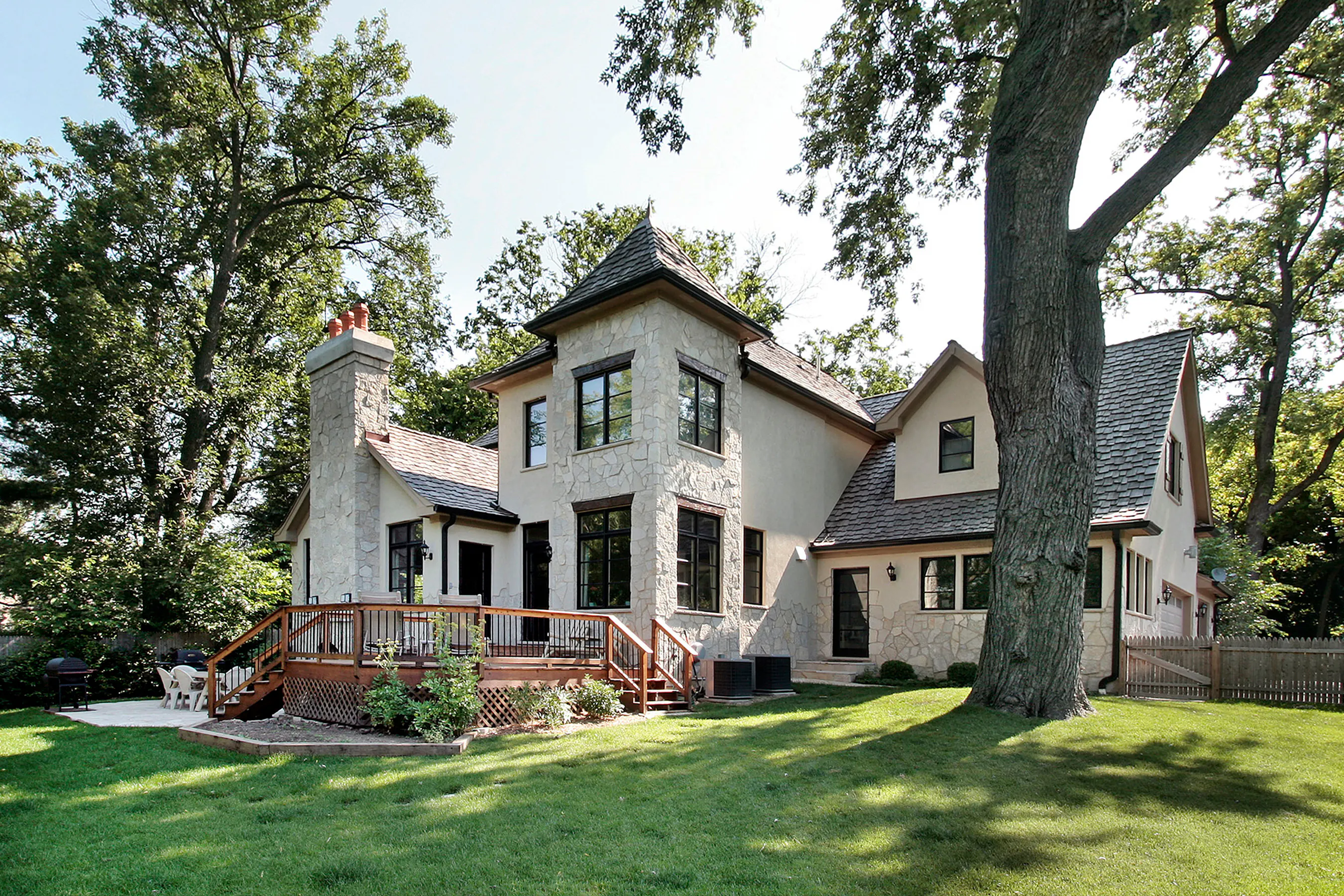
Entire homes
Renting out an entire home is one of the most popular STR options, providing guests with privacy and exclusive access to the property. These rentals are ideal for families, groups, or travelers who value the comforts of home—think fully equipped kitchens, multiple bedrooms, and spacious living areas. Entire homes often command higher nightly rates and appeal to vacationers looking for a more personalized experience than a hotel can offer.
Accessory dwelling units (ADUs)
Accessory dwellings—like backyard cottages, guesthouses, or converted garages—offer a cozy and private space while keeping the main residence separate. ADUs are a great option for property owners looking to monetize unused spaces without giving up their primary home. These rentals are especially appealing to solo travelers or couples.
Private rooms
Renting out a private room in your home provides an affordable option for budget-conscious travelers. Guests share common spaces like kitchens or living rooms with the host, making this type of rental more social and communal. Private rooms are perfect for those who value interaction with locals.
Unique stays
Airbnb’s “unique stays” category includes distinct and extraordinary accommodations like treehouses, yurts, tiny homes, and even houseboats. These properties offer one-of-a-kind experiences that stand out in a crowded market. While managing a unique stay may require more creativity and effort, these rentals often command premium rates due to their novelty and high guest demand.
Shared spaces
Shared spaces, such as dorm-style rooms or co-living arrangements, are a budget-friendly option for travelers who don’t mind sharing sleeping quarters or amenities with others. These types of rentals are less common but tend to appeal to backpackers or those seeking low-cost accommodations.

Key Considerations for Short-Term Rental Hosts
Succeeding with short-term rentals isn’t as easy as listing your property and watching the bookings roll in. Success requires careful planning, attention to detail, and a clear understanding of the factors that influence your property’s performance.
In addition to zoning and regulations, which we touched on earlier, STR host should keep in mind:
- Hosting fees and platform costs: Airbnb, for instance, charges hosts on the split-fee structure a service fee of 3% per booking, while Vrbo’s host fees vary depending on subscription or per-booking models.
- Insurance: Hosts need specialized insurance policies that protect against guest-related risks, property damage, and liability claims. Many hosting platforms offer some degree of coverage, but it’s wise to supplement this with STR-specific insurance.
- Seasonality: Some properties thrive year-round, while others may experience significant fluctuations tied to local events or weather patterns. Dive deeper by reading our guide to seasonality strategies.
STR performance metrics
Familiarize yourself with key performance metrics so that you can consistently optimize your rental’s success:
- Occupancy rate: The percentage of booked nights compared to available nights. Higher occupancy indicates strong demand and efficient pricing.
- ADR (Average Daily Rate): The average revenue earned per night booked. ADR helps gauge your property’s pricing power.
- RevPAR (Revenue per Available Rental): Total revenue divided by the number of available nights, combining occupancy and ADR to provide a comprehensive performance metric.

FAQ
What does vacation rental by owner mean?
“Vacation rental by owner” is the technical name for the Vrbo platform—but most of us just call it by the abbreviated name! Vrbo is one of the leading short-term rental platforms where property owners can list their rentals and guests can search for accommodations.
What does a short-term lease mean?
A short-term lease refers to an agreement for renting a property for less than 30 days.
How long is a short-term lease?
A short-term lease typically lasts less than 30 days, though the exact length can vary depending on local regulations. Short-term leases are popular for vacation rental properties, business travelers, and guests seeking temporary housing.
What is a mid term rental?
The mid-term rental definition is a property leased for a period between one and six months, filling the gap between short-term and long-term rentals.
Vacation home vs short term rental—what’s the difference?
A vacation home is a property primarily used for personal leisure, often in a desirable destination. A short-term rental, on the other hand, is a property rented out to guests for temporary stays, often for profit. While a vacation home can double as a short-term rental, especially during unused periods, the distinction lies in the primary use: personal enjoyment versus rental income.
Are short-term rentals considered businesses?
Short-term rentals can be classified as businesses depending on the level of material participation by the host. Meeting IRS criteria for material participation allows hosts to claim deductions and classify their STR as a business for tax purposes. Learn more about tax benefits and classifications in AirDNA’s guide to short-term rental tax obligations.
How do you start a vacation rental business?
Starting a vacation rental business begins with identifying a property in a high-demand market, setting it up with guest-friendly amenities, and listing it on platforms like Airbnb or Vrbo. You’ll need to understand local regulations, optimize nightly pricing, and market your property effectively. For detailed steps, check out this guide packed with vacation rental tips.
ARTICLE SUMMARY
Short-term rentals are properties typically rented for less than 30 days. They cater to vacationers, business travelers, and remote workers. This guide explains the IRS and legal definitions of short-term rentals, their key distinctions from other rental types, and the essential considerations for STR hosts.
Bram Gallagher
AirDNA Director of Economics and Forecasting
Bram Gallagher is an Economist at AirDNA, specializing in uncovering insights that drive smarter short-term rental decisions. He put his Ph.D. in Economics from the University of Georgia to work researching and forecasting hotel data with CBRE prior to joining AirDNA, as well as teaching economics at a number of universities. In his spare time, Bram enjoys making wooden furniture with hand tools.